

 Vorschau anzeigen
 Versenden
 Teilen
 Details anzeigen

 Herunterladen
 Ähnliche Objekte
 Röntgenaufnahme
 Diashow
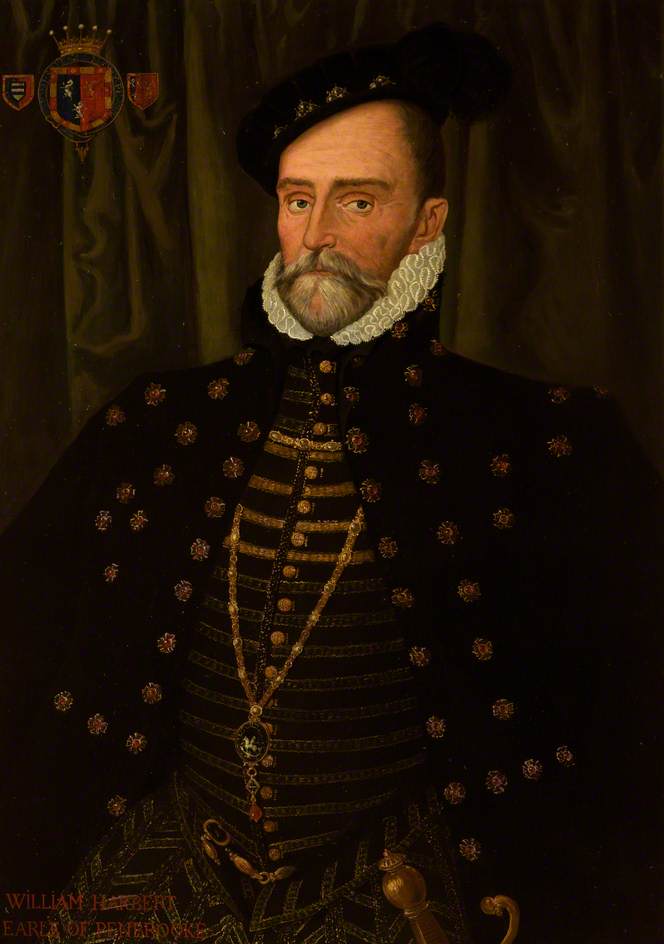
William Herbert (d.1570), 1st Earl of Pembroke (after Hans Eworth)
 Renaissance
 89.0 x 61.0 cm
 Weiterlesen
Erwerben Sie ein hochauflösendes, optimiertes digitales Bild, das der Online-Vorschau weit überlegen ist.
Jede Datei wird von unseren hauseigenen Spezialisten mit modernsten Werkzeugen und fachmännischer manueller Retusche sorgfältig vorbereitet. Wir stellen sicher, dass jedes Bild eine außergewöhnliche Klarheit, präzise Farbgenauigkeit und feinste Details aufweist.
Die endgültige Datei wird innerhalb von 72 Stunden per E-Mail zugestellt und ist für den sofortigen Einsatz in professionellen, redaktionellen und Druckumgebungen optimiert. Es handelt sich um dieselbe Qualität, der führende Designstudios, Verlage und Galerien vertrauen.
Digitales Bild
Laden Sie eine hochauflösende Datei für die persönliche Präsentation, den Druck und kreative Projekte herunter. ( Druck bestellen Handgemalte Reproduktion bestellen)
In jeder Bestellung digitaler Bilder enthalten
Professionelle digitale Bereitstellung, garantiert
Wenn Sie sich für ArtsDot.com entscheiden, erhalten Sie nicht nur ein Bild – Sie erhalten ein professionell aufbereitetes digitales Kunstwerk, das mit höchster Präzision erstellt und durch eine Zufriedenheitsgarantie abgesichert wird. Hier ist alles, was automatisch mit Ihrer Bestellung geliefert wird:

Schnelle E-Mail-Zustellung
Ihre hochauflösende digitale Bilddatei wird Ihnen innerhalb von 72 Stunden nach der Bestellung per E-Mail zugestellt – bereit zur sofortigen Verwendung.

KI-optimierte digitale Datei
Ihre Kunstwerke werden professionell mithilfe fortschrittlicher KI-Tools und manueller Bearbeitung optimiert, um maximale Detailtreue, Klarheit und Farbgenauigkeit zu gewährleisten.

Lebenslanger kostenloser Neudruckservice
Datei versehentlich gelöscht oder verloren? Keine Sorge – wir senden sie Ihnen jederzeit kostenlos erneut zu.

Keine Einfuhrgebühren – jemals
Genießen Sie Ihr Kunstwerk sofort ohne Zollgebühren, Einfuhrabgaben oder Versandkosten – digitale Downloads sind immer steuerfrei.

Garantierte Farbtreue
Wir garantieren, dass Ihr digitales Bild mithilfe professioneller Werkzeuge und Farbmanagement die Originalfarben so präzise wie möglich wiedergibt.

60-Tage-Zufriedenheitsgarantie
Sollten Sie mit Ihrem digitalen Bild nicht zufrieden sein, werden wir es überarbeiten oder Ihnen innerhalb von 60 Tagen 100% erstatten – ohne Wenn und Aber.

100% Geld-zurück-Garantie
Nicht zufrieden? Erhalten Sie innerhalb von 60 Tagen nach Erhalt Ihrer digitalen Datei eine vollständige Rückerstattung – ohne Angabe von Gründen.

Rabatte bei Großbestellungen
3 Bilder kaufen, 10% sparen – 5 Bilder kaufen, 15% sparen – Ab 10 Bildern 20% sparen. Ideal für kreative Projekte, Galerien und Agenturen.
Ähnliche Kunstwerke
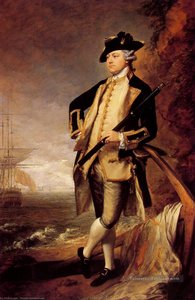
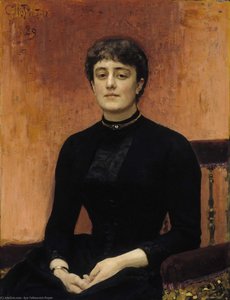
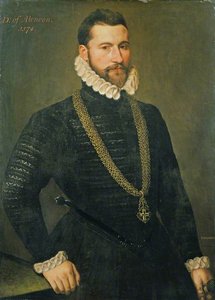
Biografie des Künstlers
A Chronicler of an Era: The Life and Art of Edward Travanyon Haynes
Edward Travanyon Haynes (1840-1922) occupies a fascinating, if often overlooked, niche in the pantheon of Victorian portraiture. He wasn’t a flamboyant innovator like Sargent or Whistler, nor did he strive for the Pre-Raphaelite brotherhood's romantic intensity. Instead, Haynes carved his reputation as a meticulous and highly skilled recorder of British society at its zenith – a chronicler of power, intellect, and aristocratic bearing. Born into a world rapidly transforming by industrialization and imperial expansion, Haynes’ art reflects both the stability he sought to capture and the subtle anxieties simmering beneath the polished veneer of Victorian life. While biographical details remain somewhat sparse, his body of work speaks volumes about his dedication to realism, his mastery of technique, and his keen understanding of character. He wasn't painting ideals; he was painting *people*, and in doing so, created a valuable historical record far beyond mere likenesses.Early Training and the Pursuit of Realism
The specifics of Haynes’ early artistic training are not extensively documented, but it is believed he received formal instruction at a leading art school – likely in London. The prevailing aesthetic climate during his formative years emphasized academic realism, a style that prioritized accurate representation and technical proficiency above all else. This influence is profoundly evident in his work. Unlike many of his contemporaries who experimented with looser brushwork or subjective interpretations, Haynes embraced detail with unwavering commitment. He meticulously rendered fabrics, textures, and the subtle nuances of facial expression. His early works demonstrate a clear fascination with light and shadow, skillfully employed to sculpt form and create a sense of depth. This dedication wasn’t simply about technical prowess; it was about capturing the essence of his sitters – their status, intelligence, and inner lives. He understood that in portraiture, every detail mattered, contributing to the overall narrative conveyed by the image.Portraits of Power: Haynes' Rise to Prominence
Haynes’ career truly blossomed with his commissions from prominent political figures and members of the British aristocracy. He became particularly known for his portraits of William Ewart Gladstone, the four-time Prime Minister, producing a series of images that captured Gladstone at various stages of his illustrious career. These weren't merely official state portraits; Haynes imbued them with a sense of intellectual gravitas and moral authority. Beyond Gladstone, he painted numerous members of the Windsor family, solidifying his position as a favored portraitist within royal circles. His ability to convey both power and personality attracted a steady stream of wealthy patrons eager to immortalize their likenesses. His portraits weren’t simply about displaying wealth or status; they were statements of identity and belonging. The meticulous detail in the clothing, furnishings, and backgrounds served as visual cues to the sitter's social standing and cultural affiliations.Technique and Style: A Master of Victorian Convention
Haynes’ technical approach was rooted in traditional oil painting techniques. He built up layers of paint with careful precision, employing a glazing method to achieve rich colors and subtle tonal variations. His brushwork is generally smooth and refined, avoiding overt displays of virtuosity. He prioritized clarity and accuracy over expressive flourishes. The compositions are typically straightforward and conventional, often featuring the sitter posed against a neutral background or within an elegant interior setting. However, within these constraints, Haynes demonstrated a remarkable ability to capture individual character. He paid close attention to the eyes – considered the windows to the soul – and skillfully rendered the subtle expressions that revealed his sitters’ inner thoughts and emotions. His use of light is particularly noteworthy, often employing dramatic chiaroscuro effects to highlight key features and create a sense of psychological depth.Legacy and Historical Significance
While Haynes may not be as widely celebrated as some of his more avant-garde contemporaries, his contribution to Victorian art history is significant. His portraits offer invaluable insights into the lives and personalities of Britain’s ruling elite during a period of profound social and political change.- His work provides a visual record of fashion, interior design, and material culture.
- He captured the likenesses of key historical figures, preserving their images for posterity.
- His dedication to realism reflects the Victorian emphasis on accuracy and detail.
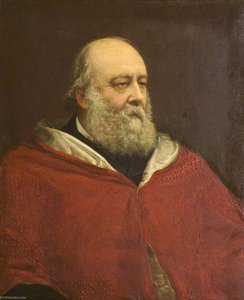
edward travanyon haynes
1840 - 1922
Kurzinfos
- Artistic Movement Or Style: Victorian Portraiture
- Artists Or Movements Influenced By This Artist: ['Burne-Jones']
- Artists Who Influenced This Artist: ['Anthony van Dyck']
- Date Of Birth: 1840
- Date Of Death: 1922
- Full Name: Edward Travanyon Haynes
- Nationality: British
- Notable Artworks:
- Gladstone Painting
- Windsor Portrait
- Place Of Birth: Stourbridge, UK

