

 Vorschau anzeigen
 Versenden
 Teilen
 Details anzeigen

 Herunterladen
 Ähnliche Objekte
 Röntgenaufnahme
 Diashow
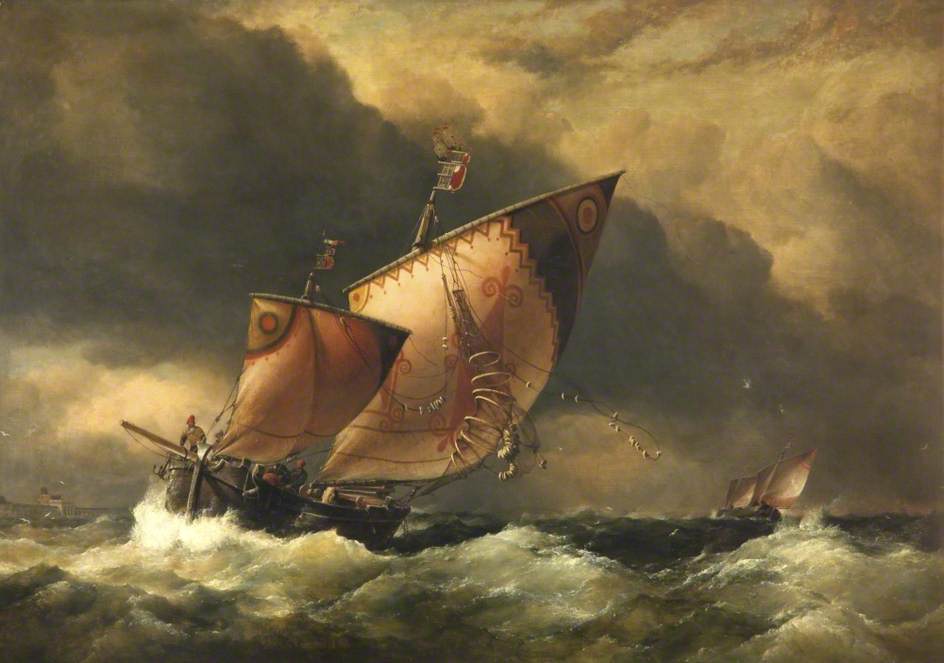
Venetian Fishing Craft Caught in a 'Borasca'
 Oil On Canvas
- WallArt
- Romanticism
 1873
1873 88.0 x 139.0 cm
 Walker Art Gallery
 Weiterlesen
Giclée / Kunstdruck
Giclée- oder Leinwanddruck in Museumsqualität mit schneller Produktion und flexiblen Veredelungsoptionen. ( Handgemalte Reproduktion bestellen Bild kaufen)




P118B $10

P118H $10

P118W $10

P438Z $10

P508JH $12

P508YH $12

P805H $10

P805Z $10

P919BZ $10

P919G $10

P919XJ $10

P959ZH $10

P968JZ $12

W106C $8

W218G $10

W218JH $8

W218Y $10

W307PJ $10

W316G $10

W316PJ $8

W316Y $10

W398PJ $8

W4111J $10

W500HY $15

W500JH $15

W692G $12

W849H $8

W940BG $15

W953PJ $8




Wählen Sie aus unseren vordefinierten Formaten, die den ursprünglichen Proportionen des Kunstwerks entsprechen.

Sie können Ihre eigenen Maße eingeben, um ein bestimmtes Format oder einen speziellen Platz einzupassen. Wenn das von Ihnen gewählte Format nicht den Proportionen des Originalbildes entspricht, werden wir das Kunstwerk entweder beschneiden oder das Bild mit einem gespiegelten oder einfarbigen Rand erweitern. Ein digitaler Entwurf wird Ihnen zur Genehmigung zugesandt, bevor die Produktion beginnt.
Bitte beachten Sie, dass die Vorschau auf dem Bildschirm nicht den tatsächlichen Zuschnitt oder die Erweiterung widerspiegelt. Nur der Entwurf zeigt die endgültige Komposition präzise an.
Obwohl Sondermaße verfügbar sind, empfehlen wir die Auswahl eines Maßes aus der vordefinierten Liste, um die ursprünglichen Proportionen zu bewahren.
Weltweiter Versand () innerhalb von 2 Wochen statt der üblichen 4/5 Wochen. (26 August)

Kostenloser weltweiter Expressversand

Hochwertige Leinenleinwand

Umfassender Versicherungsschutz beim Versand

Zollgebühren-Rückerstattungsgarantie

Garantie für exakte Farbtreue

60 Tage Rückgaberecht (nur bei Mängeln)

100% Geld-zurück-Garantie

Mengenrabatt verfügbar
 Die Glasoption ist nur für Größen unter 110 cm verfügbar.

Venetian Fishing Craft Caught in a 'Borasca'
Giclée / Kunstdruck
Format der Reproduktion
-


Gesamtpreis
$ 62
Sammlerstück-Beschreibung
A Venetian Dream Captured on Canvas: Edward William Cooke’s “Venetian Fishing Craft Caught in a ‘Borasca’”
Edward William Cooke's "Venetian Fishing Craft Caught in a 'Borasca'," painted in 1873, isn’t merely a depiction of a coastal scene; it’s an immersion into the very soul of Venice. This captivating work, now residing within the Walker Art Gallery in Liverpool, transports us to the shimmering waters of the Adriatic, where light dances upon the waves and the echoes of Venetian life resonate through the air. The painting immediately draws the eye with its vibrant palette – a masterful blend of cerulean blues, ochre yellows, and delicate pinks that mimic the hues of the Venetian sky and the weathered hulls of the fishing boats.
Cooke’s artistic lineage is deeply rooted in the traditions of 17th-century Dutch Masters, particularly Nicolaes Berchem and Karel Dujardin. This influence is evident in his meticulous attention to detail, the atmospheric perspective, and the overall sense of tranquility he achieves. However, Cooke wasn't simply a follower; he skillfully absorbed these influences and adapted them to his own unique vision, imbuing his work with a distinctly British sensibility. The composition itself—two boats, one larger and more imposing than the other—creates a subtle narrative tension, inviting contemplation on themes of scale, ambition, and perhaps even the fleeting nature of human endeavor against the backdrop of timeless beauty.
The ‘Borasca’ – A Symbol of Venetian Life
The title itself offers a crucial key to understanding the painting's significance. The “borasca” was a unique Venetian phenomenon—a sudden, violent wind that would sweep across the lagoon, dramatically altering the appearance of the waterways and disrupting the daily routines of the city’s inhabitants. Cooke captures this moment with remarkable precision, depicting the boats struggling against the gusts, their sails billowing and their timbers creaking under the strain. This isn't a romanticized view of Venice; it’s an honest portrayal of the challenges faced by those who relied on the sea for their livelihood.
The ‘borasca,’ therefore, becomes more than just a weather event; it symbolizes the unpredictable nature of life in Venice – its beauty intertwined with hardship, its prosperity balanced by vulnerability. Cooke masterfully uses light and shadow to heighten this sense of drama, casting dramatic highlights on the sails and creating an almost palpable feeling of movement within the scene. The artist’s brushwork is loose yet controlled, conveying both the texture of the water and the solidity of the boats themselves.
Technique and Artistic Flourishes
Cooke was a highly skilled engraver from a young age, inheriting his talent from his father and uncle. This early training instilled in him an exceptional eye for detail and a deep appreciation for line and form. These skills are brilliantly showcased in the painting’s meticulous rendering of the boats' rigging, the reflections on the water, and the subtle nuances of color. The use of glazing—applying thin layers of translucent paint over dried underlayers—creates a luminous quality that imbues the scene with an ethereal glow.
Furthermore, Cooke’s background in landscape painting is evident in his masterful depiction of atmospheric perspective – the way distant objects appear paler and less distinct. This technique draws the viewer's eye into the heart of the composition, creating a sense of depth and spaciousness that belies the relatively small scale of the canvas. The overall effect is one of breathtaking realism combined with an undeniable artistic sensibility.
A Window to Venice – Emotion and Legacy
"Venetian Fishing Craft Caught in a ‘Borasca’" transcends its subject matter, offering a profound meditation on beauty, resilience, and the enduring spirit of Venice. It's a painting that invites us to slow down, to appreciate the fleeting moments of light and color, and to contemplate the challenges faced by those who call this unique city home. Cooke’s legacy extends beyond his individual works; he helped shape the British art scene with his dedication to capturing the beauty of the sea and sky, a pursuit that continues to inspire artists today. Reproductions of this stunning work offer a remarkable opportunity to bring a piece of Venetian charm into any space, evoking memories of sun-drenched waters and timeless artistry.
Ähnliche Kunstwerke
Über den Künstler
Frühe Jahre und künstlerische Anfänge
Edward William Cooke wurde am 27. März 1811 in Pentonville, London, als Sohn von George Cooke, einem bekannten Linegraveur, geboren. Sein Onkel, William Bernard Cooke, war ebenfalls Graveur und schuf so eine künstlerische Umgebung für den jungen Edward. Er zeigte schon früh ein bemerkenswertes Talent und zeichnete und gravierte hervorragend. Bereits im Alter von neun Jahren demonstrierte er fortgeschrittene Gravurfähigkeiten, insbesondere in Bezug auf Schiffe. Seine frühen Zeichnungen wurden stark von niederländischen Meistern wie Nicolaes Berchem, Paulus Potter und Karel Dujardin beeinflusst und zeigten eine Vorliebe für pastorale Landschaften und Tierdarstellungen. Ein bedeutender früher Auftrag umfasste botanische Illustrationen für John Loudons 'Encyclopaedia of Plants', gefolgt von Arbeiten in George Loddiges' 'Botanical Cabinet', wo er Hunderte von Holzschnitten und etwa 400 Aquarelle produzierte, während er in Hackney in den Gärtnereien arbeitete.Entwicklung als Marinemaler
Cookes Leidenschaft galt den Schiffen, was ihn dazu veranlasste, unter Captain Burton des West-Indienmanns 'Thetis' zu studieren. Diese Erfahrung vermittelte ihm wertvolles praktisches Wissen über Schiffe und das maritime Leben, das er akribisch in seinen Skizzenbüchern dokumentierte. Er begann 1833 mit dem Malen in Ölfarben und studierte 1834 formell unter James Stark. Cooke stellte erstmals 1835 bei der Royal Academy und der British Institution aus, was einen bedeutenden Schritt in seiner künstlerischen Karriere markierte. Sein Stil war bereits fest etabliert und zeichnete sich durch detaillierte Darstellungen maritimer Szenen und Landschaften aus. Er ließ sich von Clarkson Stanfield inspirieren, dessen Hauptnachfolger er wurde und von dessen Rat und Anleitung stark profitierte.Reisen und künstlerische Einflüsse
Cookes künstlerische Entwicklung wurde maßgeblich von seinen umfangreichen Reisen durch Europa und Nordafrika geprägt. Eine entscheidende Reise in die Niederlande im Jahr 1837 weckte eine langjährige Faszination für die niederländische Marinekunst, die seinen Stil tiefgreifend beeinflusste. Er kehrte regelmäßig zurück, um die Küstenlandschaften und das Licht der Niederlande zu studieren, über zwei Jahrzehnte hinweg. Seine Reisen umfassten auch Besuche in der Normandie, Belgien, Frankreich, Schottland, Irland, Skandinavien, Spanien und Venedig. Diese Erfahrungen erweiterten seinen künstlerischen Horizont und lieferten ihm eine Fülle von Stoff für seine Gemälde. Die dramatischen Auswirkungen von Wetterbedingungen und vielfältiger Topographie wurden mit bemerkenswerter Geschicklichkeit in seinen Werken festgehalten.Wichtige Errungenschaften und Anerkennung
Edward William Cooke erlangte zu Lebzeiten beträchtliche Anerkennung. Er wurde 1851 zum Associate der Royal Academy gewählt und später 1863 zum Full Royal Academician. Außerdem wurde er 1858 als Honorary Academician in die National Academy of Design gewählt, was internationale Anerkennung für seine Arbeit demonstrierte. Cookes Gemälde wurden häufig bei der Royal Academy ausgestellt, mit über 120 Werken im Laufe seiner Karriere. Er bekleidete auch eine bemerkenswerte Position innerhalb der wissenschaftlichen Gemeinschaft; er war Fellow der Royal Society (1863) sowie Mitglied der Geological, Linnean und anderer Gelehrtergesellschaften. Seine Werke sind in zahlreichen wichtigen öffentlichen Sammlungen vertreten, darunter die National Gallery, Tate Britain und das V&A Museum. Bemerkenswerte Werke sind "Hay Barge off Greenwich" (1835), “Venetian Lagoons – Sunset,” “Salerno, Italy” (1849) und "Brighton Sands" (1837).Historische Bedeutung und Vermächtnis
Edward William Cooke gilt als bedeutende Figur der britischen Kunst des 19. Jahrhunderts, insbesondere für seine Beiträge zur Marinemalferei. Seine akribische Detailgenauigkeit in Kombination mit seiner Fähigkeit, die Atmosphäre von Küstenszenen einzufangen, etablierten ihn als einen führenden Künstler seiner Zeit. Sein Einfluss ist in der Entwicklung späterer Generationen von Marinemauern sichtbar. Cookes wissenschaftliche Interessen und Errungenschaften unterschieden ihn zusätzlich von vielen Künstlern und unterstreichen seine intellektuelle Breite und tragen zu seinem bleibenden Vermächtnis sowohl als versierter Maler als auch als angesehener Gelehrter bei. Er starb am 4. Januar 1880 und hinterließ ein beträchtliches Werk, das bis heute für sein technisches Können und seine stimmungsvolle Darstellung des Meeres und der Landschaften bewundert wird.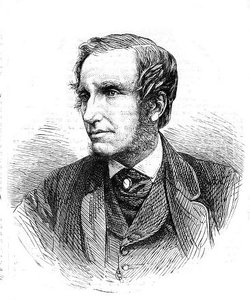
Edward William Cooke
1811 - 1880 , Vereinigtes Königreich
Kurzinfos
- Beeinflusste Künstler:
- Clarkson Stanfield
- Nicolaes Berghem
- Paulus Potter
- Karel Dujardin
- Bemerkenswerte Werke:
- Hay Barge off Greenwich
- Venetian Lagoons – Sunset
- Salerno, Italien
- Brighton Sands
- Geburtsdatum: 27 März 1811
- Geburtsort: Pentonville, Vereinigtes Königreich
- Künstlerische Richtung: Marine- und Landschaftsmalerei
- Nationalität: Britisch
- Sterbedatum: 4 Januar 1880
- Vollständiger Name: Edward William Cooke
Ähnliche Artikel
Edward Hopper: Die 25 Meisterwerke des amerikanischen Realismus | ArtsDot
Entdecken Sie die 25 Meisterwerke von Edward Hopper! Tauchen Sie ein in amerikanische Kunst, Realismus & Isolation. Hochwertige Reproduktionen & Inspiration für Ihr Zuhause bei ArtsDot.com.
Boote in der Kunst: Die 10 schönsten Meisterwerke & ihre Geschichten | ArtsDot
Entdecken Sie die 10 schönsten Bootsgemälde der Kunstgeschichte! Von Monet bis Van Gogh – erfahren Sie die Geschichten hinter ikonischen Werken, Techniken & Marinemalerei. Hochwertige Reproduktionen auf ArtsDot.com.

Jacopo Tintoretto: Die 25 Meisterwerke des venezianischen Dramatikers | ArtsDot
Entdecken Sie die 25 Meisterwerke von Jacopo Tintoretto! Tauchen Sie ein in die dramatische Welt der venezianischen Renaissance. Hochwertige Kunst-Reproduktionen & Inspiration für Ihr Zuhause – jetzt auf ArtsDot.com.
Navigating Symbolism & Sentiment: A Comprehensive Exploration of Boats in Art History
Explore the rich history of boats in art! Discover symbolism & style from ancient myths to Impressionist masterpieces. Expert insights for collectors at ArtsDot.
Francis Ferdinand Maurice Cook: A Study in Victorian Aestheticism & Landscape Evolution
Explore the captivating art of Sir Francis Ferdinand Maurice Cook – a British artist bridging Victorian traditions & Aestheticism. Discover his landscapes, collection history, and unique style. Expert analysis for collectors.

