 Vorschau anzeigen
 Versenden
 Teilen
 Details anzeigen

 Herunterladen
 Ähnliche Objekte
 Röntgenaufnahme
 Diashow
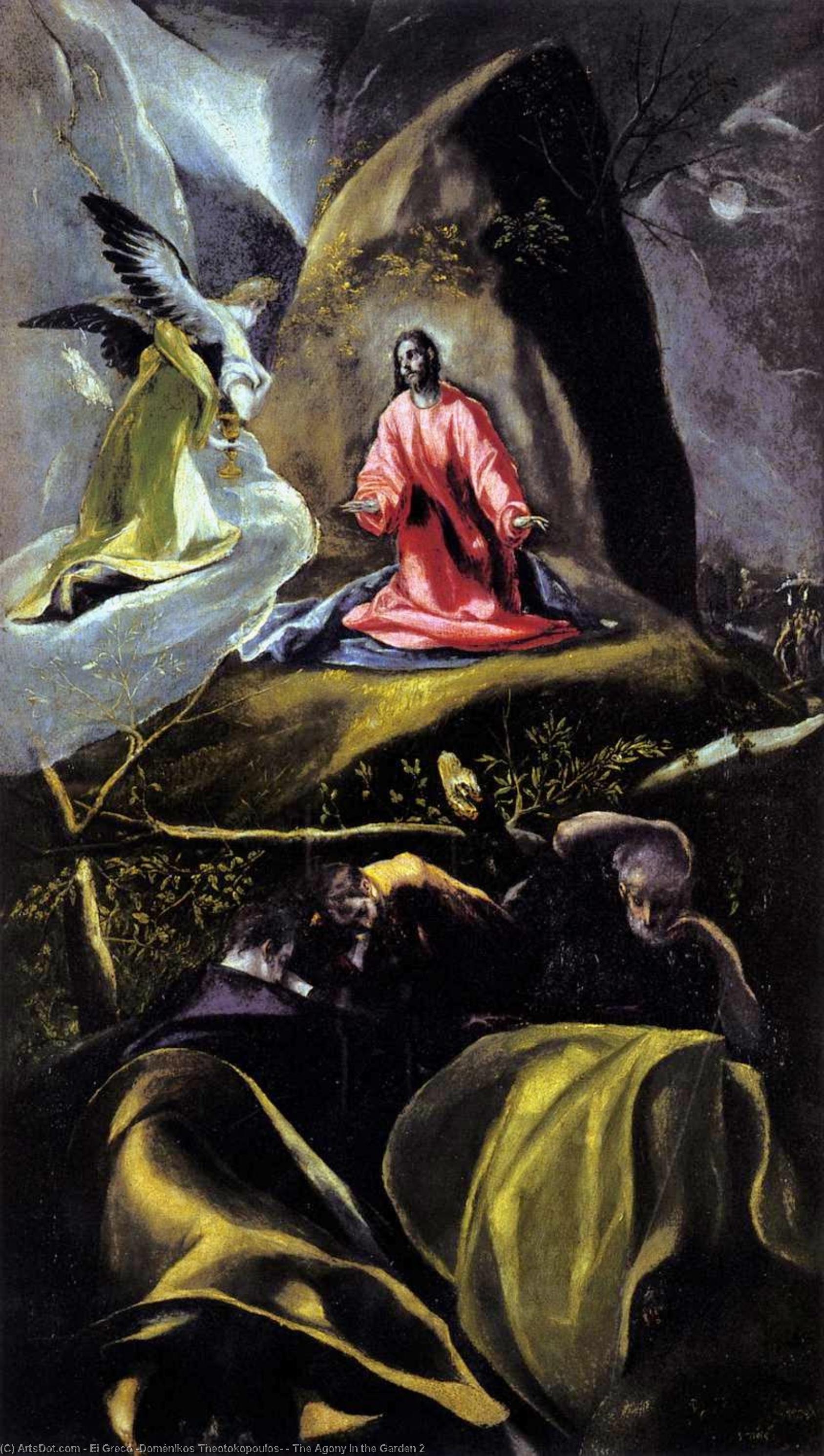
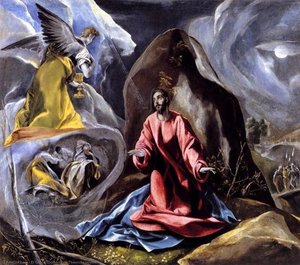
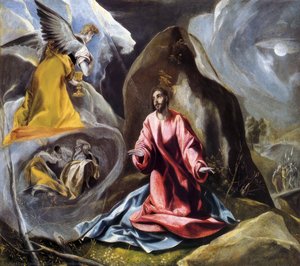
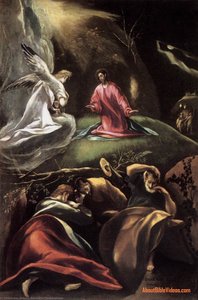
Die Agonie im Garten

 Weiterlesen
Giclée / Kunstdruck
Giclée- oder Leinwanddruck in Museumsqualität mit schneller Produktion und flexiblen Veredelungsoptionen. ( Handgemalte Reproduktion bestellen Bild kaufen)




P118B $10

P118H $10

P118W $10

P438Z $10

P508JH $12

P508YH $12

P805H $10

P805Z $10

P919BZ $10

P919G $10

P919XJ $10

P959ZH $10

P968JZ $12

W106C $8

W218G $10

W218JH $8

W218Y $10

W307PJ $10

W316G $10

W316PJ $8

W316Y $10

W398PJ $8

W4111J $10

W500HY $15

W500JH $15

W692G $12

W849H $8

W940BG $15

W953PJ $8




Wählen Sie aus unseren vordefinierten Formaten, die den ursprünglichen Proportionen des Kunstwerks entsprechen.

Sie können Ihre eigenen Maße eingeben, um ein bestimmtes Format oder einen speziellen Platz einzupassen. Wenn das von Ihnen gewählte Format nicht den Proportionen des Originalbildes entspricht, werden wir das Kunstwerk entweder beschneiden oder das Bild mit einem gespiegelten oder einfarbigen Rand erweitern. Ein digitaler Entwurf wird Ihnen zur Genehmigung zugesandt, bevor die Produktion beginnt.
Bitte beachten Sie, dass die Vorschau auf dem Bildschirm nicht den tatsächlichen Zuschnitt oder die Erweiterung widerspiegelt. Nur der Entwurf zeigt die endgültige Komposition präzise an.
Obwohl Sondermaße verfügbar sind, empfehlen wir die Auswahl eines Maßes aus der vordefinierten Liste, um die ursprünglichen Proportionen zu bewahren.
Weltweiter Versand () innerhalb von 2 Wochen statt der üblichen 4/5 Wochen. (21 August)

Kostenloser weltweiter Expressversand

Hochwertige Leinenleinwand

Umfassender Versicherungsschutz beim Versand

Zollgebühren-Rückerstattungsgarantie

Garantie für exakte Farbtreue

60 Tage Rückgaberecht (nur bei Mängeln)

100% Geld-zurück-Garantie

Mengenrabatt verfügbar
 Die Glasoption ist nur für Größen unter 110 cm verfügbar.

Die Agonie im Garten
Giclée / Kunstdruck
Format der Reproduktion
-


Gesamtpreis
$ 62
Sammlerstück-Beschreibung
Die Agonie im Garten – Ein dramatisches Meisterwerk von El Greco
El Greco’s “The Agony in the Garden” isn't merely a depiction of a biblical scene; it’s an intensely felt experience, a visual embodiment of spiritual torment and acceptance. Painted around 1590-1595 during his time in Toledo, Spain – a city steeped in religious fervor and artistic innovation – this oil on canvas work transcends simple illustration to become a profound meditation on faith, suffering, and the human condition. The painting captures a pivotal moment from Christian tradition: Jesus’s agonizing prayer in Gethsemane before his betrayal, a scene resonating with both vulnerability and quiet strength.
El Greco, born Doménikos Theotokopoulos on Crete, forged a uniquely expressive style that defied categorization. His early training within the Byzantine tradition instilled a meticulous attention to detail and an understanding of religious iconography, yet he swiftly moved beyond these constraints, developing elongated figures, vibrant colors, and a dramatic use of light and shadow – hallmarks that would later influence Expressionism and Cubism. In “The Agony in the Garden,” this distinctive style is fully realized. The figures are not rendered with realistic proportions; instead, they are stretched and distorted, conveying an overwhelming sense of emotional intensity. The colors—deep blues, fiery reds, and luminous yellows—are applied with a bold, almost impulsive energy, creating a dynamic and unsettling atmosphere.
Die Komposition und ihre Symbolik
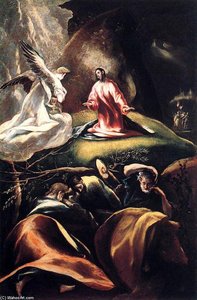
The composition is dominated by the central figure of Jesus, kneeling in the garden amidst a gathering darkness. His arms are outstretched, mirroring the crucifixion to come, yet his posture suggests not resignation but a profound struggle. He’s supported at the waist by an angel descending from a cloud – a symbol of divine intervention and strength. The three disciples, depicted as shadowy figures on either side, represent Peter, John, and James, caught in their own moments of doubt and despair. Notice how they are not actively engaged in prayer; instead, they appear lost in thought, mirroring Jesus’s internal turmoil.
The garden itself is rendered with a stark simplicity – bare trees and scrub brush—emphasizing the isolation and vulnerability of Jesus. The use of vertical lines, particularly within the angel and the figures, creates a sense of upward movement, suggesting a yearning for salvation or divine grace. The overall effect is one of claustrophobia and impending doom, yet there’s also an underlying current of hope – embodied by the angel's presence and Jesus’s acceptance of God’s will.
Historischer Kontext und künstlerische Einflüsse
"The Agony in the Garden" emerged during a period of intense religious fervor in Spain, particularly within the context of the Counter-Reformation. The Catholic Church was actively seeking to reassert its authority and combat the spread of Protestantism, and art played a crucial role in reinforcing religious beliefs. El Greco’s dramatic style resonated powerfully with this atmosphere, offering a visceral depiction of Christian suffering and redemption.
While rooted in Byzantine tradition, El Greco's work also drew inspiration from Italian Mannerism – characterized by elongated figures, distorted perspective, and an emphasis on emotional expression. The influence of Caravaggio’s use of chiaroscuro (the dramatic contrast between light and dark) is evident in the painting’s intense lighting effects, which heighten the sense of drama and psychological tension. The work also reflects the artistic trends emerging in Toledo at the time, a city renowned for its religious art and vibrant cultural scene.
Wahrnehmung und Interpretation
“The Agony in the Garden” continues to captivate viewers centuries after its creation. It’s not simply a historical depiction of a biblical event; it's an exploration of universal themes – faith, doubt, suffering, and redemption. The painting invites us to contemplate our own struggles and anxieties, offering a poignant reminder of the human capacity for both pain and resilience. Its emotional intensity and dramatic composition make it a timeless masterpiece, one that speaks powerfully to the heart of the Christian narrative and resonates with viewers across cultures and generations.
Ähnliche Kunstwerke

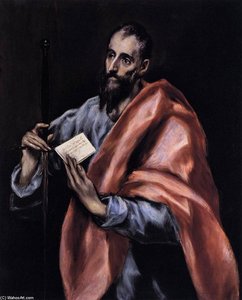
Über den Künstler
**frühes Leben und Ausbildung**
El Greco (Doménikos Theotokopoulos), ein renommierter griechischer Maler, Bildhauer und Architekt, wurde 1541 in Kreta geboren, das damals unter venezianischer Herrschaft stand. Sein Geburtsname war Doménikos Theotokopoulos. El Grecos frühe Ausbildung als Ikonenmaler der kreter Schule, einem führenden Zentrum für byzantinische Kunst nach dem Fall des Reiches, legte den Grundstein für seine zukünftigen künstlerischen Bemühungen.**Künstlerische Entwicklung und Einflüsse**
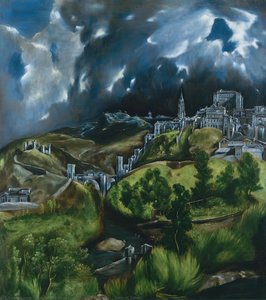
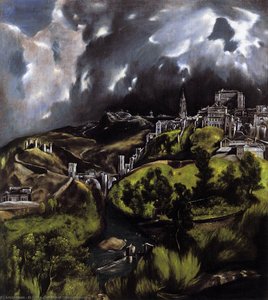
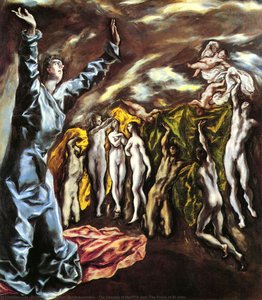
El Gredos künstlerischer Stil wurde durch seine Reisen nach Venedig und Rom geprägt, wo er Manierismus- und Renaissance-Stile aufnahm, insbesondere von Tintoretto und Tizian beeinflusst. Seine Umsiedlung nach Toledo, Spanien, im Jahr 1577 markierte eine Periode fruchtbarer Schaffenskraft, die zu Meisterwerken wie Ansicht von Toledo und das Öffnen des fünften Siegels führte.**Bekannte Werke und Stil**
* Allegorie der Camaldulitenorden (Manierismus, Öl) – ein Zeugnis für El Gredos einzigartige Mischung aus byzantinischen Traditionen und westlichen stilistischen Elementen. * Fabel (Manierismus, Öl) – demonstriert seine Verwendung ungewöhnlicher, lebhafter Farben. * Giacomo Bosio (Manierismus, Öl) – zeigt El Gredos Meisterschaft im Manierismus-Stil.**Vermächtnis und Einfluss**
El Gredos dramatischer und expressiver Stil, der durch verlängerte Figuren und fantastische Pigmentierung gekennzeichnet ist, war eine Quelle der Inspiration für Dichter und Schriftsteller. Er gilt als Vorläufer des Expressionismus und Kubismus. Für mehr Informationen über das Leben und Werk von El Greco besuchen Sie [https://ArtsDot.com/@/el-greco-(domenikos-theotokopoulos)](https://ArtsDot.com/@/el-greco-(domenikos-theotokopoulos)).- **Betrachten Sie El Gredos Gemälde** unter [https://ArtsDot.com/@@/85fr95-el-greco-(domenikos-theotokopoulos)-allegory-of-the-camaldolite-order](https://ArtsDot.com/@@/85fr95-el-greco-(domenikos-theotokopoulos)-allegory-of-the-camaldolite-order)
- **Erfahren Sie mehr über das Leben und Werk von El Greco** unter [https://en.wikipedia.org/wiki/el_greco](https://en.wikipedia.org/wiki/el_greco)
- **Entdecken Sie das Hellenische Institut für byzantinische und post-byzantinische Studien**, das eine breite Palette von Artefakten umfasst, die das reiche künstlerische Erbe Byzants zu reflektieren, unter /de/art/show/art-d3b8bv-de/
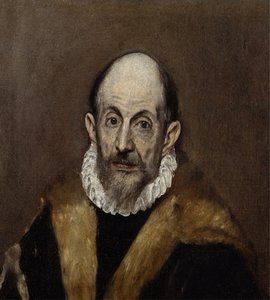
El Greco
1541 - 1614 , Griechenland
Kurzinfos
- Beeinflusste Künstler:
- Tintoretto
- Tizian
- Bemerkenswerte Werke:
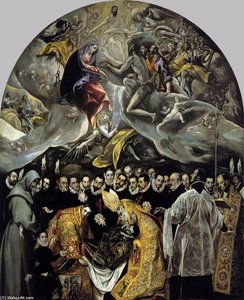
- Grablegung des Grafen Orgaz
- Blick auf Toledo
- Öffnung des fünften Siegels
- Geburtsdatum: 1541
- Geburtsort: Kreta, Griechenland
- Künstlerische Richtung: Manierismus, Spanische Renaissance
- Nationalität: Griechisch-Spanisch
- Todatum: 1614
- Vollständiger Name: El Greco (Doménikos Theotokópoulos)
- Von Künstlern Beeinflusst: ['Byzantinische Traditionen']
Ähnliche Artikel
El Greco: Die 25 Meisterwerke – Kunst für Ihr Zuhause | ArtsDot
Entdecken Sie die 25 bedeutendsten Meisterwerke von El Greco! Erleben Sie die spirituelle Tiefe und den dramatischen Stil des griechischen Malers. Hochwertige Kunstdrucke & Inspiration für Ihr Zuhause auf ArtsDot.com.
El Greco: Spiritualität, Stil und Innovation – Das Vermächtnis eines Renaissance-Meisters
Entdecken Sie das faszinierende Werk von El Greco! Erfahren Sie mehr über seine einzigartigen Stilmerkmale, den Manierismus und sein spirituelles Vermächtnis. Expertenwissen zur Renaissance-Malerei.
Cultivating Paradise: A Historical & Artistic Exploration of Gardens in Painting
Explore the rich history of gardens in painting! Discover masterpieces from Renaissance to Impressionism & beyond. Learn about symbolism, artists like Monet & Klimt, and find your perfect artwork at ArtsDot.

Museo del Prado: Die 25 Meisterwerke – Kunst für Ihr Zuhause | ArtsDot
Entdecken Sie die 25 Meisterwerke des Museo del Prado! Von Velázquez bis Goya – Kunstgeschichte, Techniken & Geschichten berühmter Gemälde. Finden Sie hochwertige Reproduktionen für Ihr Zuhause auf ArtsDot.com.
José Gutiérrez Solana: A Chronicle of Spanish Society Through Expressionist Vision
Explore the captivating world of José Gutiérrez Solana, a pivotal Spanish Expressionist painter. Discover his haunting depictions of early 20th-century Spain, influenced by Goya & El Greco. Learn about his key works and lasting legacy.