 Vorschau anzeigen
 Versenden
 Teilen
 Details anzeigen

 Herunterladen
 Ähnliche Objekte
 Röntgenaufnahme
 Diashow
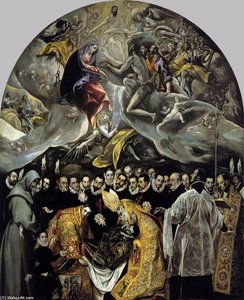
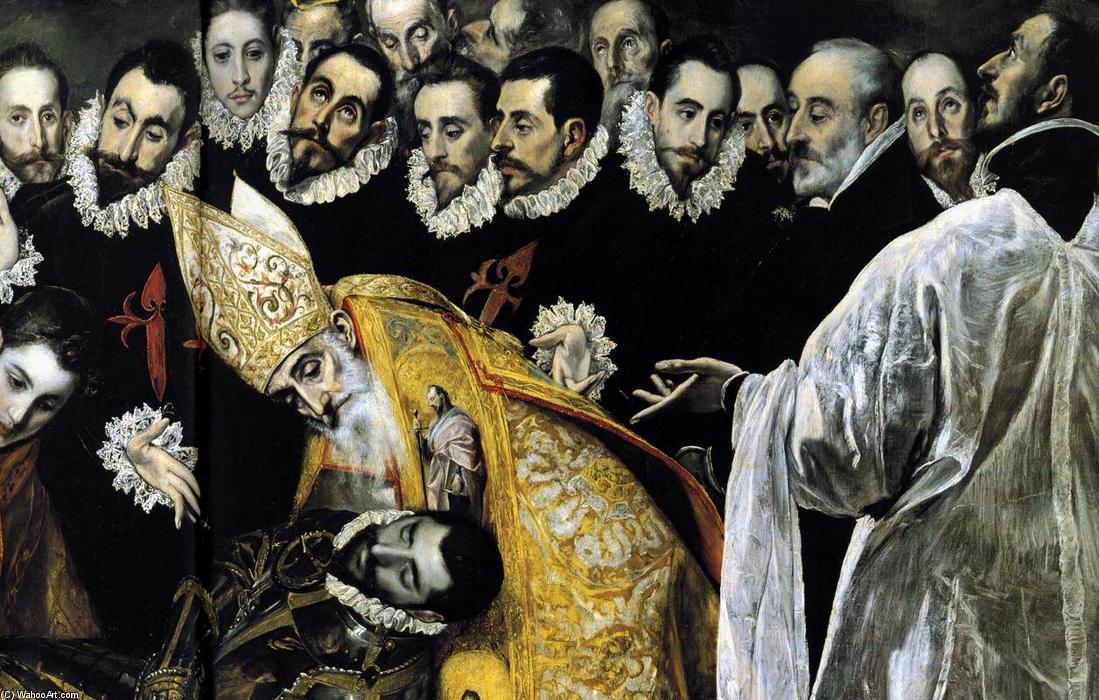
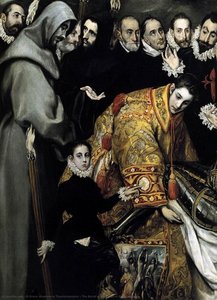
Die Beisetzung des Grafen von Orgaz (Detail)


 Weiterlesen
Handgefertigte Ölreproduktion
Handgemaltes Ölgemälde auf Leinwand in Ihrer Wunschgröße und mit Rahmen, auf Bestellung von unseren Künstlern angefertigt. ( Druck bestellen Bild kaufen)




P118B $10

P118H $10

P118W $10

P438Z $10

P508JH $12

P508YH $12

P805H $10

P805Z $10

P919BZ $10

P919G $10

P919XJ $10

P959ZH $10

P968JZ $12

W106C $8

W218G $10

W218JH $8

W218Y $10

W307PJ $10

W316G $10

W316PJ $8

W316Y $10

W398PJ $8

W4111J $10

W500HY $15

W500JH $15

W692G $12

W849H $8

W940BG $15

W953PJ $8




Wählen Sie aus unseren vordefinierten Formaten, die den ursprünglichen Proportionen des Kunstwerks entsprechen.

Sie können Ihre eigenen Maße eingeben, um einen bestimmten Rahmen oder Platz auszufüllen. Wenn die gewählte Größe nicht den Proportionen des Originalbildes entspricht, werden wir das Kunstwerk entweder beschneiden oder das Gemälde durch zusätzliche, handgemalte Elemente erweitern. Ein digitales Mockup wird Ihnen zur Genehmigung zugesandt, bevor die Produktion beginnt.
Bitte beachten Sie, dass die Bildschirmvorschau nicht die tatsächliche Beschneidung oder Erweiterung widerspiegelt. Nur das Mockup zeigt die endgültige Komposition exakt an.
Obwohl Sondermaße verfügbar sind, empfehlen wir, eine Größe aus der vordefinierten Liste zu wählen, um die ursprünglichen Proportionen beizubehalten.
Nach der Bestellung wird das ArtsDot.com-Team dem Kunden Anweisungen per E-Mail zusenden und eine Mockup-Vorschau bereitstellen.
Weltweiter Versand () in nur 3 bis 4 Wochen statt der üblichen 5 Wochen. (22 August). Keine Kompromisse bei der Qualität.

Kostenloser weltweiter Expressversand

Hochwertige Leinenleinwand

Umfassender Versicherungsschutz beim Versand

Zollgebühren-Rückerstattungsgarantie

Garantie für exakte Farbtreue

60 Tage Rückgaberecht (nur bei Mängeln)

100% Geld-zurück-Garantie

Mengenrabatt verfügbar
 Die Glasoption ist nur für Größen unter 110 cm verfügbar.

Die Beisetzung des Grafen von Orgaz (Detail)
Art der Reproduktion
Format der Reproduktion
-


Gesamtpreis
$ 263
Beschreibung des Kunstwerks
Das Begräbnis des Grafen von Orgaz – Ein Tanz zwischen Tod und Ewigkeit
El Greco’s “Das Begräbnis des Grafen von Orgaz” (The Burial of the Count of Orgaz), painted in 1586, is not merely a depiction of a funeral; it's a profound meditation on faith, mortality, and the yearning for salvation. This arresting image, now available as a meticulously crafted hand-painted reproduction from ArtsDot.com, draws us into a scene brimming with dramatic intensity and layered symbolism – a testament to El Greco’s unique vision and his ability to capture the very essence of human emotion.
The painting unfolds within a dimly lit, almost claustrophobic space, dominated by the central figure of the Count of Orgaz, a wealthy nobleman who, according to legend, renounced worldly pleasures after witnessing a miraculous apparition. He lies prostrate before the shrouded body of his deceased wife, while a group of men – including the artist himself – bend over him in an elaborate ceremony. The figures are rendered with a startling dynamism and elongated forms characteristic of El Greco’s style; their gestures are exaggerated, their faces etched with grief and solemnity. This deliberate distortion isn't simply stylistic flourish; it serves to amplify the emotional weight of the scene, conveying a sense of overwhelming sorrow and spiritual urgency.
Die Synthese von Stil und Tradition
El Greco’s artistic journey was one of constant evolution, shaped by his diverse influences. His early training in Crete within the Byzantine tradition instilled a deep respect for religious iconography – particularly the use of vibrant colors and symbolic gestures. However, he quickly moved beyond these conventions, developing a highly personal style that combined elements of Mannerism with an intensely expressive emotionalism. Notice how the figures are bathed in a rich, almost theatrical light, contrasting sharply with the shadows that engulf the background. This masterful manipulation of chiaroscuro – the interplay of light and dark – creates a dramatic atmosphere, pulling the viewer directly into the heart of the scene.
The painting’s technique is equally remarkable. El Greco employed a loose, expressive brushstroke, layering colors to create a sense of depth and movement. The figures seem almost sculpted from light itself, their bodies imbued with an ethereal quality. He utilized a palette dominated by deep reds, blues, and yellows – colors traditionally associated with mourning and spirituality – further intensifying the emotional impact of the work.
Symbolik und Interpretation
“Das Begräbnis des Grafen von Orgaz” is rich in symbolic meaning. The Count’s renunciation of worldly possessions represents a rejection of earthly desires in favor of spiritual devotion. The figures surrounding him are not simply mourners; they are witnesses to this transformation, participating in the ceremony that marks his transition into eternity. The presence of the artist himself within the scene is particularly significant. It suggests that El Greco was not just an observer but also a participant in this profound religious experience – a testament to the power of art to transcend the boundaries between the earthly and the divine.
The shrouded body of the deceased wife symbolizes the ultimate surrender to death, while the Count’s outstretched hand represents his plea for mercy and forgiveness. The overall composition evokes a sense of timelessness, suggesting that this scene is not merely a depiction of a single event but rather an eternal meditation on the mysteries of life and death.
Ein Meisterwerk für Kunstliebhaber und Innendesign
A hand-painted reproduction from ArtsDot.com offers a stunning opportunity to bring this iconic masterpiece into your home or office. The meticulous attention to detail, combined with the vibrant colors and dramatic composition, faithfully captures the essence of El Greco’s vision. Whether you are an art enthusiast, a collector seeking to expand your collection, or an interior designer looking for a statement piece that embodies both beauty and spiritual depth, this reproduction is sure to captivate and inspire.
Explore the full range of high-quality reproductions available at ArtsDot.com and discover how you can own a tangible connection to one of art history’s most enigmatic and compelling figures – El Greco.
Ähnliche Kunstwerke

Über den Künstler
**frühes Leben und Ausbildung**
El Greco (Doménikos Theotokopoulos), ein renommierter griechischer Maler, Bildhauer und Architekt, wurde 1541 in Kreta geboren, das damals unter venezianischer Herrschaft stand. Sein Geburtsname war Doménikos Theotokopoulos. El Grecos frühe Ausbildung als Ikonenmaler der kreter Schule, einem führenden Zentrum für byzantinische Kunst nach dem Fall des Reiches, legte den Grundstein für seine zukünftigen künstlerischen Bemühungen.**Künstlerische Entwicklung und Einflüsse**
El Gredos künstlerischer Stil wurde durch seine Reisen nach Venedig und Rom geprägt, wo er Manierismus- und Renaissance-Stile aufnahm, insbesondere von Tintoretto und Tizian beeinflusst. Seine Umsiedlung nach Toledo, Spanien, im Jahr 1577 markierte eine Periode fruchtbarer Schaffenskraft, die zu Meisterwerken wie Ansicht von Toledo und das Öffnen des fünften Siegels führte.**Bekannte Werke und Stil**
* Allegorie der Camaldulitenorden (Manierismus, Öl) – ein Zeugnis für El Gredos einzigartige Mischung aus byzantinischen Traditionen und westlichen stilistischen Elementen. * Fabel (Manierismus, Öl) – demonstriert seine Verwendung ungewöhnlicher, lebhafter Farben. * Giacomo Bosio (Manierismus, Öl) – zeigt El Gredos Meisterschaft im Manierismus-Stil.**Vermächtnis und Einfluss**
El Gredos dramatischer und expressiver Stil, der durch verlängerte Figuren und fantastische Pigmentierung gekennzeichnet ist, war eine Quelle der Inspiration für Dichter und Schriftsteller. Er gilt als Vorläufer des Expressionismus und Kubismus. Für mehr Informationen über das Leben und Werk von El Greco besuchen Sie [https://ArtsDot.com/@/el-greco-(domenikos-theotokopoulos)](https://ArtsDot.com/@/el-greco-(domenikos-theotokopoulos)).- **Betrachten Sie El Gredos Gemälde** unter [https://ArtsDot.com/@@/85fr95-el-greco-(domenikos-theotokopoulos)-allegory-of-the-camaldolite-order](https://ArtsDot.com/@@/85fr95-el-greco-(domenikos-theotokopoulos)-allegory-of-the-camaldolite-order)
- **Erfahren Sie mehr über das Leben und Werk von El Greco** unter [https://en.wikipedia.org/wiki/el_greco](https://en.wikipedia.org/wiki/el_greco)
- **Entdecken Sie das Hellenische Institut für byzantinische und post-byzantinische Studien**, das eine breite Palette von Artefakten umfasst, die das reiche künstlerische Erbe Byzants zu reflektieren, unter /de/art/show/art-d3b8bv-de/
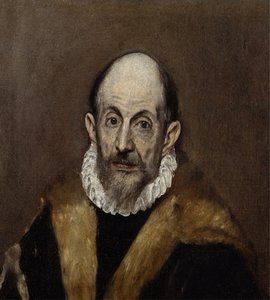
El Greco
1541 - 1614 , Griechenland
Kurzinfos
- Beeinflusste Künstler:
- Tintoretto
- Tizian
- Bemerkenswerte Werke:
- Grablegung des Grafen Orgaz
- Blick auf Toledo
- Öffnung des fünften Siegels
- Geburtsdatum: 1541
- Geburtsort: Kreta, Griechenland
- Künstlerische Richtung: Manierismus, Spanische Renaissance
- Nationalität: Griechisch-Spanisch
- Todatum: 1614
- Vollständiger Name: El Greco (Doménikos Theotokópoulos)
- Von Künstlern Beeinflusst: ['Byzantinische Traditionen']
Ähnliche Artikel
El Greco: Die 25 Meisterwerke – Kunst für Ihr Zuhause | ArtsDot
Entdecken Sie die 25 bedeutendsten Meisterwerke von El Greco! Erleben Sie die spirituelle Tiefe und den dramatischen Stil des griechischen Malers. Hochwertige Kunstdrucke & Inspiration für Ihr Zuhause auf ArtsDot.com.
El Greco: Spiritualität, Stil und Innovation – Das Vermächtnis eines Renaissance-Meisters
Entdecken Sie das faszinierende Werk von El Greco! Erfahren Sie mehr über seine einzigartigen Stilmerkmale, den Manierismus und sein spirituelles Vermächtnis. Expertenwissen zur Renaissance-Malerei.
José Gutiérrez Solana: A Chronicle of Spanish Society Through Expressionist Vision
Explore the captivating world of José Gutiérrez Solana, a pivotal Spanish Expressionist painter. Discover his haunting depictions of early 20th-century Spain, influenced by Goya & El Greco. Learn about his key works and lasting legacy.

Museo del Prado: Die 25 Meisterwerke – Kunst für Ihr Zuhause | ArtsDot
Entdecken Sie die 25 Meisterwerke des Museo del Prado! Von Velázquez bis Goya – Kunstgeschichte, Techniken & Geschichten berühmter Gemälde. Finden Sie hochwertige Reproduktionen für Ihr Zuhause auf ArtsDot.com.

Rafael de Penagos: A Study in Spanish Portraiture & Artistic Identity
Explore the life & art of Rafael de Penagos, a leading Spanish Art Deco illustrator. Discover his iconic 'Penagos Woman', commercial work, and lasting legacy. Learn about this pivotal figure in 20th-century Spanish art history.