 Vorschau anzeigen
 Versenden
 Teilen
 Details anzeigen

 Herunterladen
 Ähnliche Objekte
 Röntgenaufnahme
 Diashow
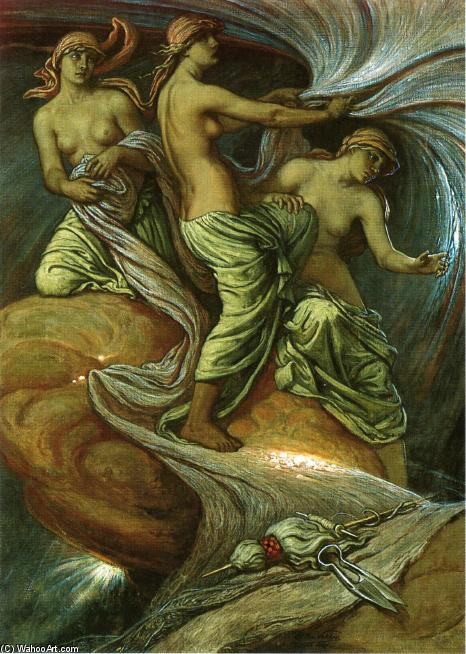
The Fates Gathering in the Stars


 Weiterlesen
Giclée / Kunstdruck
Giclée- oder Leinwanddruck in Museumsqualität mit schneller Produktion und flexiblen Veredelungsoptionen. ( Handgemalte Reproduktion bestellen Bild kaufen)




P118B $10

P118H $10

P118W $10

P438Z $10

P508JH $12

P508YH $12

P805H $10

P805Z $10

P919BZ $10

P919G $10

P919XJ $10

P959ZH $10

P968JZ $12

W106C $8

W218G $10

W218JH $8

W218Y $10

W307PJ $10

W316G $10

W316PJ $8

W316Y $10

W398PJ $8

W4111J $10

W500HY $15

W500JH $15

W692G $12

W849H $8

W940BG $15

W953PJ $8




Wählen Sie aus unseren vordefinierten Formaten, die den ursprünglichen Proportionen des Kunstwerks entsprechen.

Sie können Ihre eigenen Maße eingeben, um ein bestimmtes Format oder einen speziellen Platz einzupassen. Wenn das von Ihnen gewählte Format nicht den Proportionen des Originalbildes entspricht, werden wir das Kunstwerk entweder beschneiden oder das Bild mit einem gespiegelten oder einfarbigen Rand erweitern. Ein digitaler Entwurf wird Ihnen zur Genehmigung zugesandt, bevor die Produktion beginnt.
Bitte beachten Sie, dass die Vorschau auf dem Bildschirm nicht den tatsächlichen Zuschnitt oder die Erweiterung widerspiegelt. Nur der Entwurf zeigt die endgültige Komposition präzise an.
Obwohl Sondermaße verfügbar sind, empfehlen wir die Auswahl eines Maßes aus der vordefinierten Liste, um die ursprünglichen Proportionen zu bewahren.
Weltweiter Versand () innerhalb von 2 Wochen statt der üblichen 4/5 Wochen. (25 August)

Kostenloser weltweiter Expressversand

Hochwertige Leinenleinwand

Umfassender Versicherungsschutz beim Versand

Zollgebühren-Rückerstattungsgarantie

Garantie für exakte Farbtreue

60 Tage Rückgaberecht (nur bei Mängeln)

100% Geld-zurück-Garantie

Mengenrabatt verfügbar
 Die Glasoption ist nur für Größen unter 110 cm verfügbar.

The Fates Gathering in the Stars
Giclée / Kunstdruck
Format der Reproduktion
-


Gesamtpreis
$ 62
Sammlerstück-Beschreibung
The Fates Gathering in the Stars: A Vision of Destiny
Elihu Vedder’s “The Fates Gathering in the Stars,” painted in 1887, is not merely a depiction of Greek mythology; it's an immersive exploration of fate, time, and the cosmic order. This arresting canvas transports the viewer to a dramatic precipice overlooking a turbulent sky, dominated by three figures embodying the ancient goddesses who govern human destiny – Clotho, Lachesis, and Atropos. The painting’s power lies not just in its subject matter but also in Vedder's masterful manipulation of light, color, and composition, creating an atmosphere thick with both foreboding and profound beauty.
Vedder, a pivotal figure in the American Symbolist movement, drew heavily from Italian Renaissance influences – particularly the dramatic chiaroscuro techniques favored by artists like Caravaggio. He combined these elements with his own unique vision, infused with Romanticism and a fascination with Oriental themes. The painting’s palette is deliberately dark and somber, dominated by deep blues, purples, and browns that evoke the vastness of the night sky and the weight of impending doom. Yet, within this darkness, flashes of gold and crimson illuminate the figures and their tools – a subtle counterpoint suggesting the potential for beauty even amidst inevitable fate.
Symbolism and Mythological Narrative
At the heart of “The Fates Gathering in the Stars” lies a potent mythological narrative. Clotho, spinning her spindle, represents the beginning of life; Lachesis, holding her distaff, embodies the measure of one’s allotted lifespan; and Atropos, wielding her shears, signifies the finality of death. The positioning of these figures – Clotho in the foreground, radiating a sense of active creation, while Atropos stands further back, poised to cut the thread – powerfully illustrates the cyclical nature of existence. The birds soaring above them add another layer of symbolism, representing messengers from the heavens and perhaps even the fleeting nature of time itself.
Vedder’s choice to depict these goddesses on a rocky cliff face elevates the scene beyond a simple mythological illustration. The precipice suggests vulnerability and precariousness, mirroring the human condition as we navigate our own destinies. The swirling clouds in the background contribute to this sense of unease, hinting at the unpredictable forces that shape our lives.
Technique and Artistic Style
“The Fates Gathering in the Stars” showcases Vedder’s distinctive artistic style – characterized by loose brushwork, expressive color, and a tendency towards dreamlike imagery. He employed a technique known as *alla prima*, working directly onto the canvas without extensive underpainting, resulting in a vibrant and immediate effect. The figures are rendered with a remarkable degree of fluidity and dynamism, conveying a sense of movement and energy. The artist’s use of light is particularly noteworthy; it's not merely illuminating the scene but also shaping our perception of form and space.
Interestingly, Vedder created this work as an illustration for Edward FitzGerald’s translation of Omar Khayyam’s *Rubaiyat*. He interpreted the poem’s themes of mortality and the pursuit of pleasure through a distinctly Symbolist lens, transforming a collection of Persian verses into a powerful visual meditation on the human condition. The study for this painting further demonstrates Vedder's initial sketches and compositional ideas, offering insight into his creative process.
A Timeless Exploration of Human Experience
“The Fates Gathering in the Stars” transcends its mythological subject matter to become a profound exploration of universal themes – fate, mortality, time, and the search for meaning. Its evocative imagery and dramatic composition continue to resonate with viewers today, inviting contemplation on our own place within the grand scheme of existence. The painting’s enduring appeal lies not only in Vedder's technical skill but also in his ability to capture a deeply felt sense of mystery and wonder. It remains a testament to the power of art to illuminate the complexities of the human experience.
Ähnliche Kunstwerke


Über den Künstler
Frühes Leben und Künstlerische Ausbildung
- Geboren: 26. Februar 1836, New York City, Vereinigte Staaten
- Gestorben: 29. Januar 1923, Rom, Italien
Elijah Vedder wurde in eine Familie geboren, deren Eltern Cousins waren. Sein frühes Leben war geprägt von vielfältigen Erfahrungen. Sein Vater, der zunächst Zahnarzt war, zog nach Kuba, was den jungen Elihu’s Kindheit beeinflusste. Er verbrachte Zeit zwischen seinem mütterlichen Großvater Alexander Vedder in Schenectady und einem Internat. Trotz seiner Vaters anfänglicher Bedenken bezüglich einer künstlerischen Karriere unterstützte Vedders Mutter seine Ambitionen.
- Frühe Ausbildung: Vedder begann seine formelle Ausbildung in New York City unter Tompkins H. Matteson.
- Europäische Studien: Er vertiefte sein Studium in Paris bei François-Édouard Picot und später in Italien, wo er stark von der italienischen Renaissance und den Macchiaioli-Malern beeinflusst wurde.
- Italienischer Einfluss: Seine Zeit in Italien förderte eine tiefe emotionale Verbindung mit dem Maler Giovanni Costa, was zu idyllischen Reisen durch das Land führte, bevor finanzielle Zwänge ihn zur Rückkehr nach Amerika zwangen.
Karrierehöhepunkte und Bemerkenswerte Werke
Vedders Karriere umfasste verschiedene künstlerische Disziplinen, von Malerei und Illustration bis hin zu Wandgestaltungen und Poesie. Er pflegte Freundschaften mit bedeutenden Persönlichkeiten wie Walt Whitman und Herman Melville.
- Illustrationen für das Rubaiyat: Vedder ist vielleicht am besten bekannt für seine fünfzigfünf Illustrationen, die Edward FitzGerald’s Übersetzung des Rubáiyát von Omar Khayyam begleiteten (Deluxe-Ausgabe). Diese Illustrationen gelten als Meisterwerke der Symbolismuskunst.
- Visionäre Gemälde: Bemerkenswerte Gemälde sind "Das Roc's Ei", “Der Fischer und der Genii” und “Die Höhle des Meeresdrachen”, die seinen visionären Stil und seine fantasievollen Themen zeigen.
- Wandmalerei: Er dekorierte die Halle des Lesesaals in der Washington Library of Congress mit Wandgemälden, ein Beweis für sein Können als dekorativer Künstler.
- Tiffany-Zusammenarbeit: Vedder arbeitete mit Louis Comfort Tiffany zusammen und entwarf Glaswaren, Mosaike und Statuetten für die Tiffany Company.
Künstlerischer Stil und Einflüsse
Vedders künstlerischer Stil ist durch seine visionäre Natur, romantische Bildsprache und die häufige Einarbeitung orientalischer Einflüsse gekennzeichnet. Er ließ sich von einer Reihe von Quellen inspirieren:
- Symbolismus: Vedder war eine Schlüsselfigur der Symbolismusbewegung und betonte Emotionen und Individualität gegenüber strengem Realismus.
- Präraffaeliten: Seine Zeit in England führte ihn an die Präraffaelitenbruderschaft heran, was seinen künstlerischen Stil hin zu größerer Klarheit und Detailtreue beeinflusste.
- Englische und irische Mystiker: Er wurde von den Werken von William Blake und William Butler Yeats beeinflusst, was eine Faszination für Mystik und Spiritualität widerspiegelt.
- Italienische Renaissance & Macchiaioli: Seine Studien in Italien prägten sein Verständnis von Form, Farbe und Komposition.
Vermächtnis und Späteres Leben
Vedders Beiträge zur amerikanischen Kunst reichten über die Malerei hinaus. Er half bei der Gründung der Gruppe In Arte Libertas in Italien und hinterließ eine Reihe schriftlicher Werke, darunter autobiografische Reflexionen und Poesie.
- Mitgliedschaft: Vedder war Mitglied der American Academy of Arts and Letters, was seine bedeutenden Beiträge zur Kunst würdigte.
- Literarische Bestrebungen: Er veröffentlichte The Digressions of V (1910), Miscellaneous Moods in Verse (1914) und Doubt and Other Things (1922) und demonstrierte damit sein poetisches Talent.
- Spätere Jahre: Vedder verbrachte seine späteren Jahre hauptsächlich in Italien, wo er weiterhin Kunst schuf und schrieb, bis zu seinem Tod in Rom im Jahr 1923. Sein Vermächtnis lebt durch seine eindringlichen Gemälde und Illustrationen weiter, die das Publikum auch heute noch fesseln.
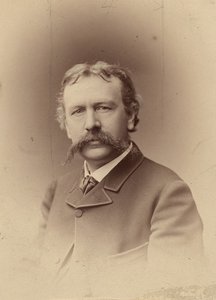
Elihu Vedder
1836 - 1923 , Vereinigte Staaten von Amerika
Kurzinfos
- Beeinflusste Künstler:
- François-Édouard Picot
- Giovanni Costa
- William Blake
- William Butler Yeats
- Bemerkenswerte Werke:
- Das Roc's Ei
- Der Fischer und der Genii
- Die Höhle des Meeresdrachen
- Rubaiyat-Illustrationen
- Geburtsdatum: 26. Februar 1836
- Geburtsort: New York City, USA
- Künstlerische Richtung: Symbolismus, Romantik
- Nationalität: Amerikanisch
- Sterbedatum: 29. Januar 1923
- Vollständiger Name: Elihu Vedder
Ähnliche Artikel
Echoes of Olympus: Mythological Narratives in Western Art Through the Ages
Explore the captivating history of mythological narratives in Western art! From ancient Greece to modern masterpieces, discover iconic artworks & symbolism. Expert analysis and high-quality reproductions at ArtsDot.
Persönliche Mythologien auf Leinwand: Die Transformation individueller Erzählungen in symbolträchtige Meisterwerke
Entdecken Sie die Kunst Ihrer persönlichen Mythologie! Maßgeschneiderte Gemälde von erfahrenen Künstlern – verwandeln Sie Erinnerungen in einzigartige Meisterwerke. Jetzt bestellen!
Aesthetic Gastronomy: The Role of Curated Art Collections in Shaping Perceptions of Michelin-Starred Dining Experiences
Discover how curated art collections elevate Michelin-starred dining experiences. Expert insights on sensory branding, emotional intelligence & ROI for luxury restaurants and hotels. Transform your space with ArtsDot.
Franz von Stuck: Symbolismus, Dekadenz und die Suche nach idealer Schönheit
Entdecken Sie das faszinierende Werk von Franz von Stuck! Analysen zu Symbolismus, Dekadenz und ikonischen Gemälden wie 'Salome'. Expertenwissen & Hintergrundinformationen auf ArtsDot.
The Ethereal Realm on Canvas: Exploring Themes of Fantasy & Imagination in Art History
Explore the captivating world of fantasy & surreal art history with ArtsDot. Discover iconic artists like De Chirico & Moreau, and expert guidance for collecting timeless masterpieces. Find your dream artwork today!