

 Vorschau anzeigen
 Versenden
 Teilen
 Details anzeigen

 Herunterladen
 Ähnliche Objekte
 Röntgenaufnahme
 Diashow
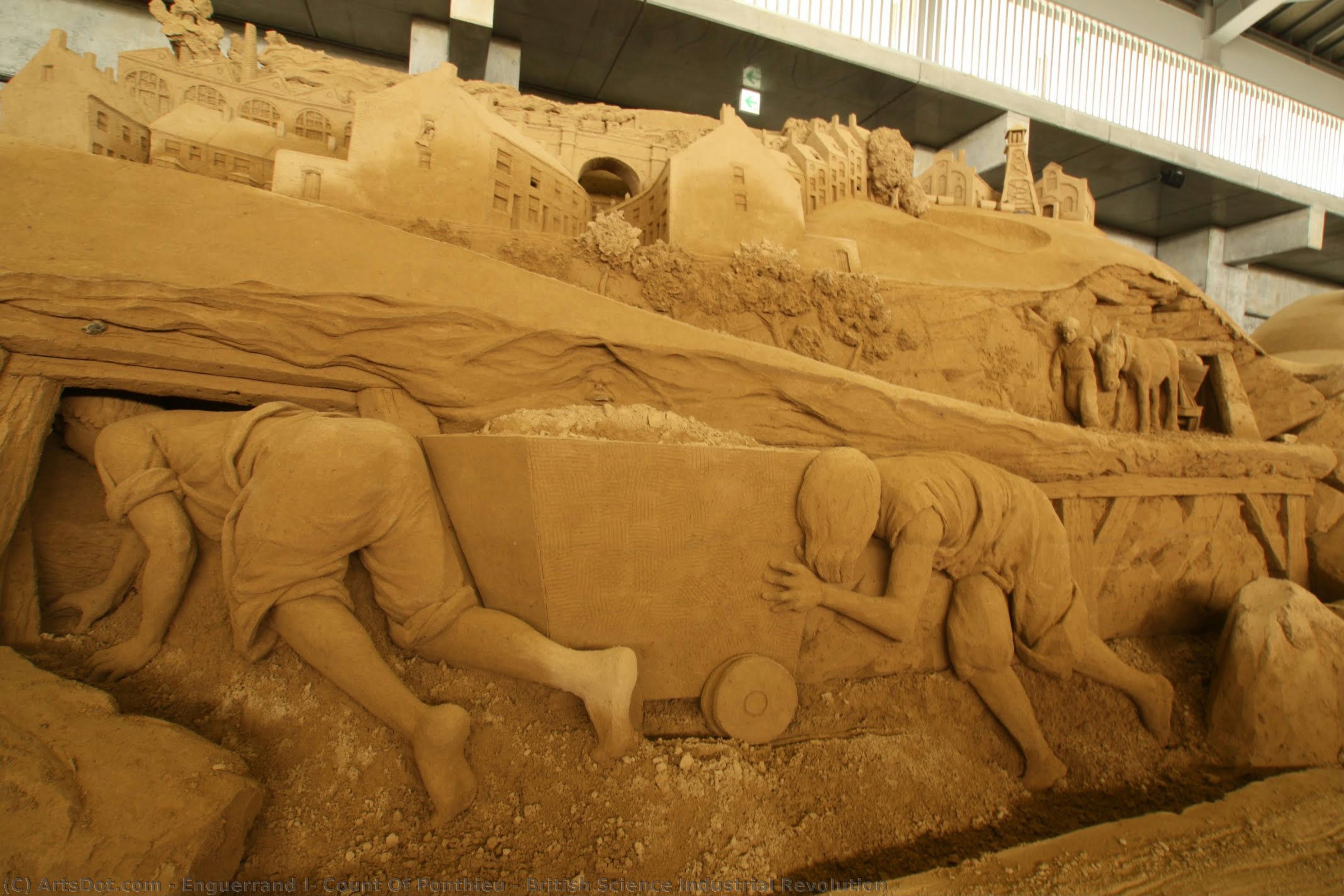
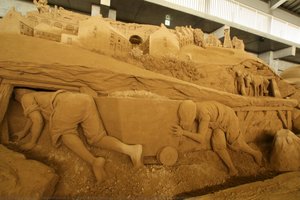
British Science Industrial Revolution

 Weiterlesen
Handgefertigte Ölreproduktion
Handgemaltes Ölgemälde auf Leinwand in Ihrer Wunschgröße und mit Rahmen, auf Bestellung von unseren Künstlern angefertigt. ( Druck bestellen Bild kaufen)




































Wählen Sie aus unseren vordefinierten Formaten, die den ursprünglichen Proportionen des Kunstwerks entsprechen.

Sie können Ihre eigenen Maße eingeben, um einen bestimmten Rahmen oder Platz auszufüllen. Wenn die gewählte Größe nicht den Proportionen des Originalbildes entspricht, werden wir das Kunstwerk entweder beschneiden oder das Gemälde durch zusätzliche, handgemalte Elemente erweitern. Ein digitales Mockup wird Ihnen zur Genehmigung zugesandt, bevor die Produktion beginnt.
Bitte beachten Sie, dass die Bildschirmvorschau nicht die tatsächliche Beschneidung oder Erweiterung widerspiegelt. Nur das Mockup zeigt die endgültige Komposition exakt an.
Obwohl Sondermaße verfügbar sind, empfehlen wir, eine Größe aus der vordefinierten Liste zu wählen, um die ursprünglichen Proportionen beizubehalten.
Nach der Bestellung wird das ArtsDot.com-Team dem Kunden Anweisungen per E-Mail zusenden und eine Mockup-Vorschau bereitstellen.
Weltweiter Versand () in nur 3 bis 4 Wochen statt der üblichen 5 Wochen. (1 September). Keine Kompromisse bei der Qualität.

Kostenloser weltweiter Expressversand

Hochwertige Leinenleinwand

Umfassender Versicherungsschutz beim Versand

Zollgebühren-Rückerstattungsgarantie

Garantie für exakte Farbtreue

60 Tage Rückgaberecht (nur bei Mängeln)

100% Geld-zurück-Garantie

Mengenrabatt verfügbar
 Die Glasoption ist nur für Größen unter 110 cm verfügbar.

British Science Industrial Revolution
Art der Reproduktion
Format der Reproduktion
-


Gesamtpreis
$ 263
Ähnliche Kunstwerke

Über den Künstler
The Shadow of the Carolingian Legacy
In the turbulent tapestry of eleventh-century Europe, few figures embody the intersection of dynastic ambition and territorial preservation as profoundly as Enguerrand I, Count of Ponthieu. To contemplate his life is to step into a world defined by shifting feudal loyalties and the enduring echoes of Charlemagne’s imperial grandeur. Born into the illustrious House of Ponthieu, Enguerrand was not merely a ruler but a guardian of a lineage that traced its very essence back to the Carolingian traditions. His existence was shaped by the weight of ancestral responsibility—a duty to uphold royal charters and safeguard the sanctity of his domains amidst a landscape of encroaching rivals and burgeoning Norman power.
His ascent to prominence, recognized by historical records as early as 1026-7, marked the beginning of a reign characterized by strategic vigilance. As a scion of Hugh I of Ponthium and Gisela, daughter of the mighty Hugh Capet, Enguerrand carried within his bloodline the political legitimacy required to navigate the complex hierarchies of medieval France. This heritage provided more than just a title; it offered a profound sense of purpose, driving him to maintain the stability of Ponthieu against the encroaching tides of change that were reshaping the borders of Normandy and Picardy.
A Life Forged in Conflict and Diplomacy
The narrative of Enguerrand’s life is one of decisive action and calculated maneuvers. He was a man who understood that the survival of a dynasty often rested upon the edge of a blade as much as the stroke of a pen. His military prowess was most notably demonstrated during the 1030s, when he successfully repelled the invasion led by Gilbert, Count of Brionne. This victory was far more than a mere border skirmish; it was a profound assertion of Ponthievin sovereignty and a testament to his ability to protect the vital lands of Vimeu from external predation.
Beyond the battlefield, Enguerrand moved through the highest echelons of European nobility with remarkable grace and strategic acumen. His presence at the court of Duke Robert II of Normandy, particularly before the Duke’s momentous pilgrimage to Jerusalem, highlights his significant political clout. He was a master of the matrimonial alliance, orchestrating the marriage of his son, Hugh II, to Bertha of Aumale. This union was a brilliant stroke of diplomacy, designed to expand the family's territorial reach and weave Ponthieu more tightly into the fabric of the Norman aristocracy. Through such careful orchestration, he ensured that the House of Ponthieu would remain a formidable force for generations to come.
The Enduring Echo of a Medieval Sovereign
Though his physical reign concluded around 1045, the historical significance of Enguerrand I continues to resonate through the annals of French and Norman history. He was a pivotal architect of stability during an era of profound transition. His legacy is not found in canvases or sculptures, but in the very borders of the lands he defended and the continuity of the lineage he so fiercely protected. The survival of the County of Ponthieu as a distinct political entity owed much to his ability to balance the fierce independence of a local lord with the sophisticated diplomacy required by the rising power of the Duchy of Normandy.
To study Enguerrand is to understand the fundamental mechanics of medieval power:
- Dynastic Continuity: The successful preservation of the House of Ponthieu through strategic marriages and legitimate succession.
- Territorial Integrity: The defense of ancestral lands against much stronger invading forces, such as those led by the Count of Brionne.
- Political Integration: The skillful navigation of the relationship between local feudal counts and the burgeoning central authorities of Normandy and France.
enguerrand i, count of ponthieu
1045 , France
Kurzinfos
- Artists Or Movements Influenced By This Artist: ['Norman Dynasty']
- Artists Who Influenced This Artist:
- Hugh I of Ponthieu
- Gisela of France
- Date Of Death: 1045
- Full Name: Enguerrand I, Count of Ponthieu
- Nationality: French
- Notable Artworks: ['']
- Place Of Birth: Boulogne-sur-Mer, France

