

 Vorschau anzeigen
 Versenden
 Teilen
 Details anzeigen

 Herunterladen
 Ähnliche Objekte
 Röntgenaufnahme
 Diashow
 Statistiken
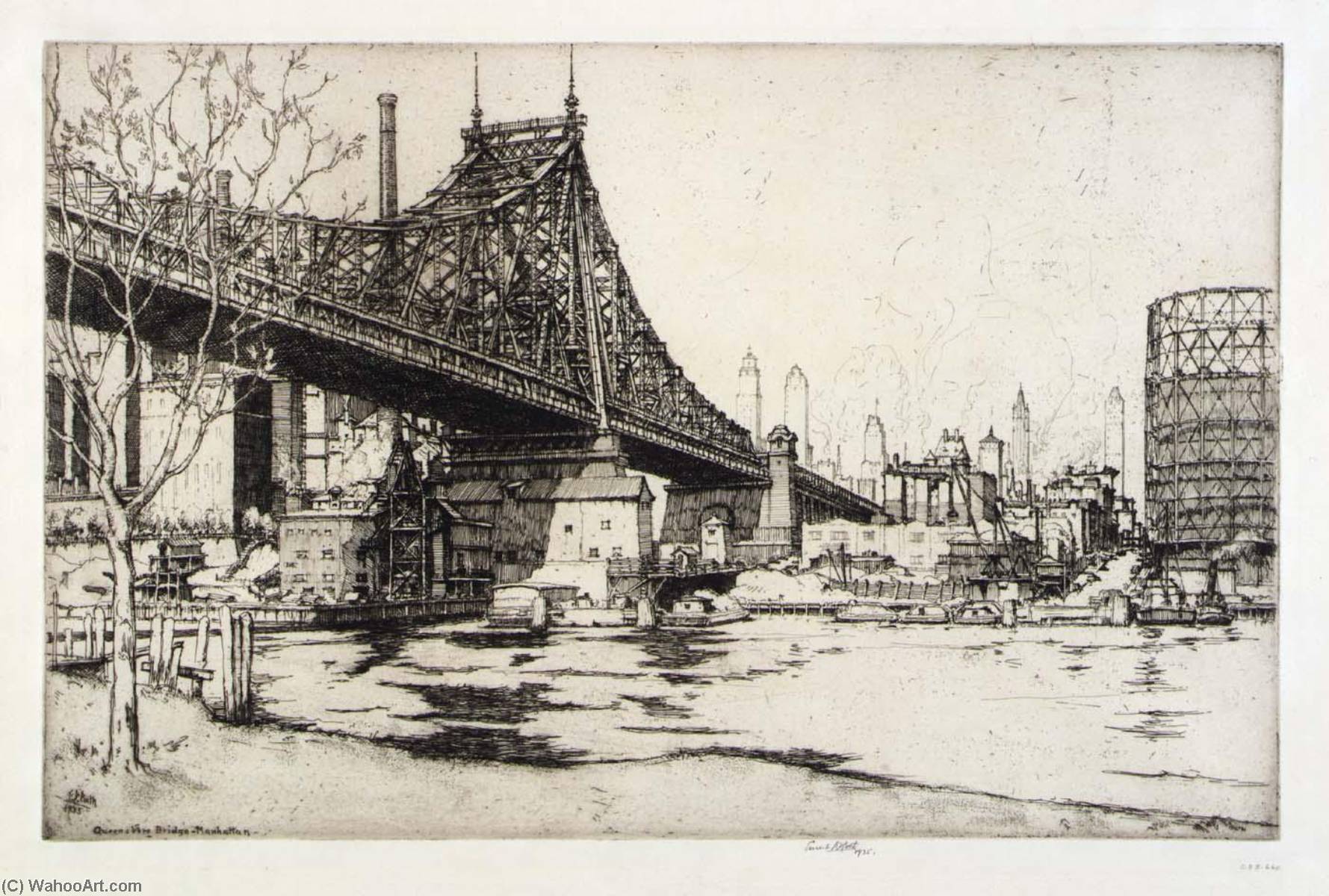
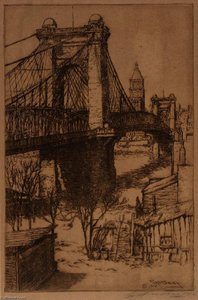
Queensboro Bridge, Manhattan
 1935
1935 25.0 x 38.0 cm
 Weiterlesen
Erwerben Sie ein hochauflösendes, optimiertes digitales Bild, das der Online-Vorschau weit überlegen ist.
Jede Datei wird von unseren hauseigenen Spezialisten mit modernsten Werkzeugen und fachmännischer manueller Retusche sorgfältig vorbereitet. Wir stellen sicher, dass jedes Bild eine außergewöhnliche Klarheit, präzise Farbgenauigkeit und feinste Details aufweist.
Die endgültige Datei wird innerhalb von 72 Stunden per E-Mail zugestellt und ist für den sofortigen Einsatz in professionellen, redaktionellen und Druckumgebungen optimiert. Es handelt sich um dieselbe Qualität, der führende Designstudios, Verlage und Galerien vertrauen.
Digitales Bild
Laden Sie eine hochauflösende Datei für die persönliche Präsentation, den Druck und kreative Projekte herunter. ( Zu Druck wechseln Handgemalte Reproduktion bestellen)
In jeder Bestellung digitaler Bilder enthalten
Professionelle digitale Bereitstellung, garantiert
Wenn Sie sich für ArtsDot.com entscheiden, erhalten Sie nicht nur ein Bild – Sie erhalten ein professionell aufbereitetes digitales Kunstwerk, das mit höchster Präzision erstellt und durch eine Zufriedenheitsgarantie abgesichert wird. Hier ist alles, was automatisch mit Ihrer Bestellung geliefert wird:

Schnelle E-Mail-Zustellung
Ihre hochauflösende digitale Bilddatei wird Ihnen innerhalb von 72 Stunden nach der Bestellung per E-Mail zugestellt – bereit zur sofortigen Verwendung.

KI-optimierte digitale Datei
Ihre Kunstwerke werden professionell mithilfe fortschrittlicher KI-Tools und manueller Bearbeitung optimiert, um maximale Detailtreue, Klarheit und Farbgenauigkeit zu gewährleisten.

Lebenslanger kostenloser Neudruckservice
Datei versehentlich gelöscht oder verloren? Keine Sorge – wir senden sie Ihnen jederzeit kostenlos erneut zu.

Keine Einfuhrgebühren – jemals
Genießen Sie Ihr Kunstwerk sofort ohne Zollgebühren, Einfuhrabgaben oder Versandkosten – digitale Downloads sind immer steuerfrei.

Garantierte Farbtreue
Wir garantieren, dass Ihr digitales Bild mithilfe professioneller Werkzeuge und Farbmanagement die Originalfarben so präzise wie möglich wiedergibt.

100-Tage-Zufriedenheitsgarantie
Wenn Sie mit Ihrem digitalen Bild nicht zufrieden sind, werden wir es überarbeiten oder 100% innerhalb von 100 Tagen erstatten – ohne Wenn und Aber.

100% Geld-zurück-Garantie
Nicht zufrieden? Erhalten Sie innerhalb von 100 Tagen nach Erhalt Ihrer digitalen Datei eine vollständige Rückerstattung – ohne Wenn und Aber.

Rabatte bei Großbestellungen
3 Bilder kaufen, 10% sparen – 5 Bilder kaufen, 15% sparen – Ab 10 Bildern 20% sparen. Ideal für kreative Projekte, Galerien und Agenturen.
Artistic Style and Technique
Ernest D. Roth's use of etching as a medium allows for a level of intricacy and depth that is unparalleled in other forms of art. The Queensboro Bridge, Manhattan etching showcases the artist's mastery of this technique, with delicate lines and shading that bring the scene to life. The level of detail is impressive, from the intricate architecture of the bridge to the bustling activity of the boats and people in the foreground. Key Features of the etching include:- The iconic Queensboro Bridge spanning the width of the picture
- Several boats floating along the river below the bridge
- People scattered throughout the scene, enjoying the view or going about their daily activities
Historical Significance
The Queensboro Bridge, Manhattan etching is not only a beautiful piece of art but also a historical snapshot of New York City in the 1930s. The bridge, which was completed in 1909, was a major engineering feat and a symbol of the city's growth and development. Ernest D. Roth's etching captures the essence of this iconic landmark and provides a glimpse into the daily life of New Yorkers during this period. For more information on Ernest D. Roth and his works, visit /art/list/?Filter=AQTHTE-Ernest-D-Roth-Queensboro-Bridge-Manhattan. To learn more about the Smithsonian American Art Museum, visit https://en.wikipedia.org/wiki/Smithsonian_American_Art_Museum.The Queensboro Bridge, Manhattan etching is a must-see for art lovers and history enthusiasts alike. Its beauty, intricacy, and historical significance make it a truly unique and captivating piece of art.
Ähnliche Kunstwerke




Biografie des Künstlers
Ernest D. Roth: A Pioneer of Parisian Academic Realism
Ernest D. Roth (1879 – 1964) stands as a significant figure in the landscape of late nineteenth-century French art, particularly renowned for his unwavering dedication to academic realism and his celebrated success within the Parisian Salon circuit. Born in Paris, Roth’s artistic journey began amidst the burgeoning Impressionist movement, yet he resolutely pursued a path distinct from its stylistic explorations—a commitment that cemented his place as one of the foremost practitioners of traditional technique and subject matter during his era.- Early Life & Education: Roth received his formative artistic training at the École Supérieure des Beaux-Arts in Paris, where he honed his skills under influential instructors who championed classical principles of composition and draughtsmanship. This grounding in academic tradition would profoundly shape his subsequent artistic endeavors.
- Salon Successes: Roth’s career gained considerable momentum through his consistent participation in the Salon exhibitions held annually by the Société Nationale des Beaux-Arts. His meticulously rendered landscapes, portraits, and architectural studies garnered critical acclaim and established him as a respected artist within Parisian intellectual circles. Notably, his etching of Riverside Church, completed in 1930, exemplifies his masterful command of drypoint technique—a testament to his unwavering adherence to classical artistic standards.
Style & Technique: Embracing Classical Precision
Roth’s artistic style is characterized by an uncompromising devotion to academic realism – a stylistic approach that prioritizes accurate representation and meticulous detail. Unlike the Impressionists who sought to capture fleeting moments of light and atmosphere, Roth meticulously studied his subjects, employing precise draughtsmanship and tonal gradations to convey their form and texture with remarkable fidelity. His favored medium was etching, specifically drypoint—a technique demanding exceptional control over linework and requiring painstaking preparation of the plate surface. This meticulous process resulted in prints imbued with a subtle luminescence and textural richness that distinguished them from more ephemeral artistic expressions.- Drypoint Technique: Roth’s mastery of drypoint involved incising lines into a copper plate using a stylus, creating a textured surface that would absorb ink during printing. This technique allowed for nuanced tonal variations and produced prints possessing an unparalleled level of detail—a hallmark of his oeuvre.
- Subject Matter Preferences: While influenced by the Impressionist aesthetic, Roth consistently focused on subjects rooted in classical tradition – landscapes depicting serene vistas of France’s countryside, portraits capturing dignified expressions of human character, and architectural renderings showcasing monumental buildings with meticulous accuracy.
Notable Works & Artistic Legacy
Roth's artistic output comprises a substantial collection of etchings and lithographs that continue to resonate with collectors and art historians alike. Among his most celebrated pieces are “Our Neighbor’s Yard” (1916), an evocative depiction of Parisian urban life rendered in exquisite detail, and "A Quiet Canal" (circa 1920), which captures the tranquil beauty of a riverside scene with understated elegance. These artworks serve as enduring reminders of Roth's commitment to classical realism and his ability to convey profound emotional depth through masterful draughtsmanship.- “Our Neighbor’s Yard”: This etching exemplifies Roth’s meticulous observation of everyday life, capturing the subtle nuances of light and shadow within a domestic setting.
- “A Quiet Canal”: Demonstrating Roth's sensitivity to atmospheric conditions, this print portrays a serene canal scene bathed in soft sunlight—a testament to his artistic vision.
Historical Significance & Influence
Ernest D. Roth’s unwavering dedication to academic realism positioned him as a counterpoint to the dominant Impressionist movement of his time – an artist who championed tradition while simultaneously acknowledging the influence of contemporary artistic trends. His Salon successes solidified his reputation as one of Paris's most respected artists, ensuring that his legacy would endure for generations to come. Furthermore, Roth’s meticulous technique and unwavering commitment to classical principles continue to inspire artists today, demonstrating the enduring relevance of traditional artistic approaches in capturing beauty and conveying emotion.
ernest d roth
1879 - 1964
Kurzinfos
- Artistic Movement Or Style: Academic Realism
- Artists Or Movements Influenced By This Artist: ['École de Barbizon']
- Artists Who Influenced This Artist:
- Jean-Léon Gerhardt
- William Harnett
- Date Of Birth: 1879
- Date Of Death: 1964
- Full Name: Ernest Hébert
- Nationality: French
- Notable Artworks:
- La Païva
- Riverside Church
- Place Of Birth: Paris, France