

 Vorschau anzeigen
 Versenden
 Teilen
 Details anzeigen

 Herunterladen
 Ähnliche Objekte
 Röntgenaufnahme
 Diashow
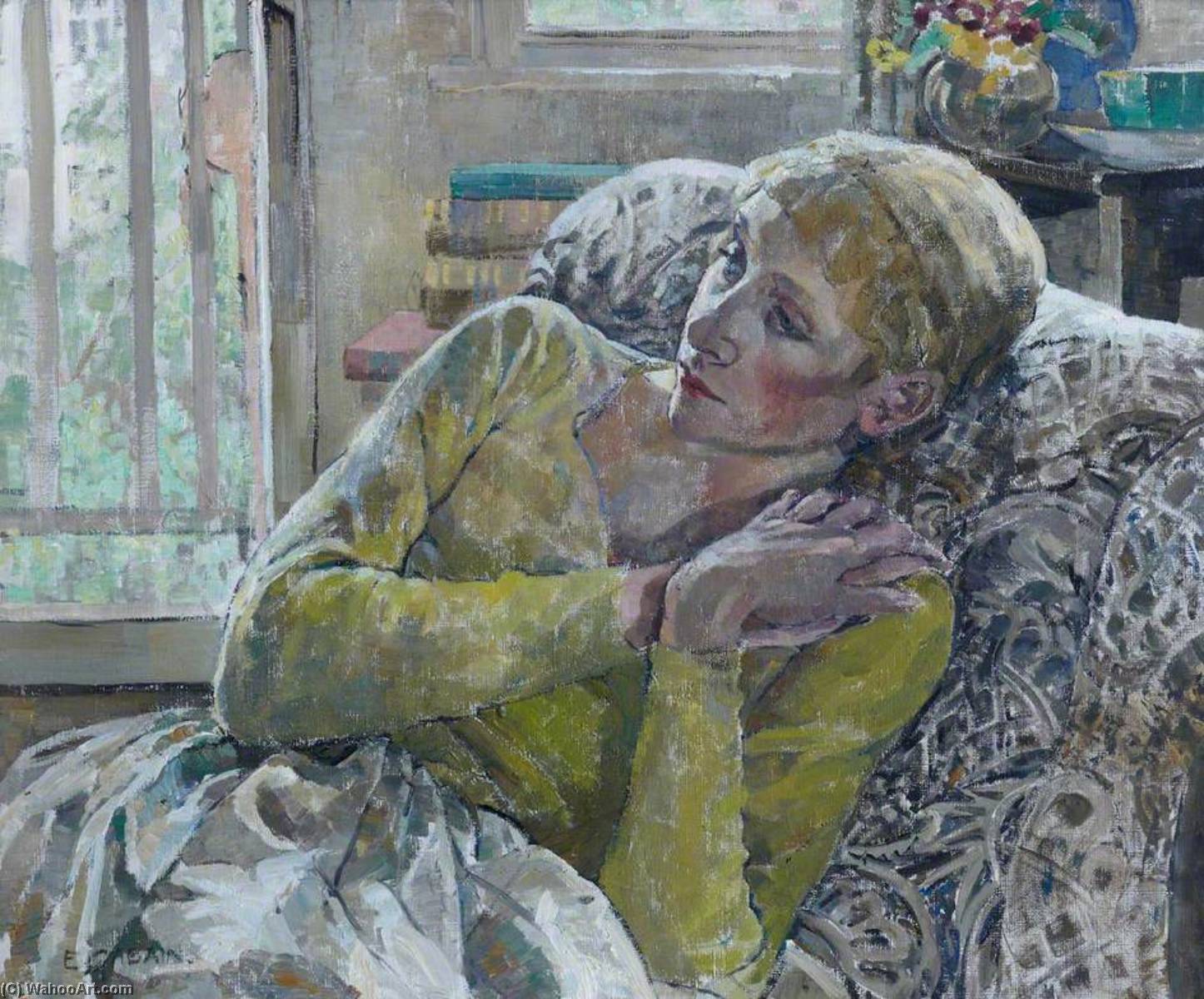
Après midi de jeune fille
 Oil On Canvas
- WallArt
- Contemporary Realism
 1936
1936 51.0 x 61.0 cm
 Royal Scottish Academy of Art – Architektur
 Weiterlesen
Handgefertigte Ölreproduktion
Handgemaltes Ölgemälde auf Leinwand in Ihrer Wunschgröße und mit Rahmen, auf Bestellung von unseren Künstlern angefertigt. ( Druck bestellen Bild kaufen)




P118B $10

P118H $10

P118W $10

P438Z $10

P508JH $12

P508YH $12

P805H $10

P805Z $10

P919BZ $10

P919G $10

P919XJ $10

P959ZH $10

P968JZ $12

W106C $8

W218G $10

W218JH $8

W218Y $10

W307PJ $10

W316G $10

W316PJ $8

W316Y $10

W398PJ $8

W4111J $10

W500HY $15

W500JH $15

W692G $12

W849H $8

W940BG $15

W953PJ $8




Wählen Sie aus unseren vordefinierten Formaten, die den ursprünglichen Proportionen des Kunstwerks entsprechen.

Sie können Ihre eigenen Maße eingeben, um einen bestimmten Rahmen oder Platz auszufüllen. Wenn die gewählte Größe nicht den Proportionen des Originalbildes entspricht, werden wir das Kunstwerk entweder beschneiden oder das Gemälde durch zusätzliche, handgemalte Elemente erweitern. Ein digitales Mockup wird Ihnen zur Genehmigung zugesandt, bevor die Produktion beginnt.
Bitte beachten Sie, dass die Bildschirmvorschau nicht die tatsächliche Beschneidung oder Erweiterung widerspiegelt. Nur das Mockup zeigt die endgültige Komposition exakt an.
Obwohl Sondermaße verfügbar sind, empfehlen wir, eine Größe aus der vordefinierten Liste zu wählen, um die ursprünglichen Proportionen beizubehalten.
Nach der Bestellung wird das ArtsDot.com-Team dem Kunden Anweisungen per E-Mail zusenden und eine Mockup-Vorschau bereitstellen.
Weltweiter Versand () in nur 3 bis 4 Wochen statt der üblichen 5 Wochen. (26 August). Keine Kompromisse bei der Qualität.

Kostenloser weltweiter Expressversand

Hochwertige Leinenleinwand

Umfassender Versicherungsschutz beim Versand

Zollgebühren-Rückerstattungsgarantie

Garantie für exakte Farbtreue

60 Tage Rückgaberecht (nur bei Mängeln)

100% Geld-zurück-Garantie

Mengenrabatt verfügbar
 Die Glasoption ist nur für Größen unter 110 cm verfügbar.

Après midi de jeune fille
Art der Reproduktion
Format der Reproduktion
-


Gesamtpreis
$ 263
Beschreibung des Kunstwerks
Après midi de jeune fille – A Moment of Quiet Contemplation
Ethel Léontine Gabain’s “Après midi de jeune fille” (A Young Woman's Afternoon), completed circa 1936, isn’t merely a depiction of a woman seated in an armchair; it’s a distillation of mood and atmosphere—a snapshot of introspective stillness captured with remarkable precision. Painted in Neo-Romanticism style, Gabain eschewed grand narratives for subtle observation, prioritizing the emotional resonance of her subject matter over stylistic bravado. This decision speaks volumes about Gabain's artistic philosophy: to convey profound feeling through understated beauty. The painting’s immediate impact is one of serene melancholy. Gabain skillfully employs muted tones—primarily creams and browns—to create a sense of warmth and intimacy, mirroring the soft light filtering through the window onto her subject’s face. The woman herself occupies the center stage, gazing outwards with an expression that hints at thoughtfulness and perhaps wistful longing. Her posture is relaxed yet attentive, conveying a quiet dignity that transcends mere pose. Gabain's meticulous attention to detail—the folds of fabric draped across the chair, the delicate lattice pattern of the window frame—grounds the scene in tangible reality while simultaneously elevating it beyond the commonplace.Technique and Material Considerations
Gabain’s masterful technique is characterized by a thick impasto application of oil paint, particularly noticeable on the chair upholstery and around the edges of the canvas. This textural richness isn't simply decorative; it actively contributes to the painting’s emotional depth. The raised surface captures light in unexpected ways, creating shimmering highlights that illuminate the woman’s face and subtly emphasizing her gaze. Gabain’s layering of brushstrokes builds up volume and form, mirroring the contours of the human body and conveying a palpable sense of presence. Furthermore, Gabain's use of color is deliberate—avoiding jarring contrasts to foster an atmosphere of contemplative calm. The palette reflects Gabain’s sensitivity to light and shadow, capturing the nuances of interior illumination with remarkable accuracy.Historical Context and Artistic Influences
Gabain’s work emerged during a period of significant artistic experimentation in Britain, influenced by movements like Neo-Romanticism which sought to recapture the spirit of earlier Romantic painters—artists who prioritized emotion and imagination over strict realism. Gabain's exploration of psychological portraiture aligns with this trend, reflecting a fascination with capturing inner states rather than simply presenting external appearances. The painting’s quiet contemplation speaks to the broader cultural preoccupation with introspection during the interwar years, mirroring anxieties about societal change alongside an appreciation for beauty and solitude. Gabain’s membership in the Senefelder Club—a group of British artists dedicated to lithography—further illuminates her artistic sensibilities. Lithography, known for its tonal qualities and ability to reproduce images with exceptional fidelity, demanded a careful consideration of color and texture. Gabain's embrace of this medium underscores her commitment to conveying nuanced emotional expression through visual artistry.Symbolism: Window and Chair – Vessels of Reflection
The window serves as more than just a source of illumination; it symbolizes connection—a link between the interior world of contemplation and the external realm of experience. Gabain’s depiction captures this duality, suggesting that true understanding arises from observing both inner thoughts and outward surroundings. Similarly, the armchair represents comfort and solitude—a space for quiet reflection and introspection. The woman's gaze directs our attention inward, prompting us to consider themes of vulnerability, resilience, and the beauty found in moments of stillness. Gabain’s “Après midi de jeune fille” remains a testament to her ability to transform simple observation into profound artistic expression.Ähnliche Kunstwerke



Über den Künstler
Ethel Léontine Gabain: Ein Leben in der Kunst
- Geboren: Le Havre, Frankreich (1883)
- Gestorben: 1950
- Andere Namen: Ethel Copley
Ethel Léontine Gabain war eine französisch-englische Künstlerin, die für ihre Beherrschung der Lithographie und später der Ölmalerei bekannt war. Sie zeichnete sich als eine der wenigen Künstlerinnen ihrer Zeit aus, die ihren Lebensunterhalt durch den Verkauf ihrer Drucke bestreiten konnte, insbesondere schwarz-weißer Lithographien. Ihr künstlerischer Weg umfasste verschiedene Medien und Stile, was sowohl ihre persönliche Entwicklung als auch breitere Veränderungen in der Kunstwelt widerspiegelte.
Frühes Leben und Ausbildung
- Familiärer Hintergrund: Geboren in eine Familie mit vielfältigen Ursprüngen – ein französischer Vater (Charles Edward Gabain, Kaffeeimporteur) und eine schottische Mutter (Bessie). Die Familie zog später nach England.
- Ausbildung: Besuchte die Wycombe Abbey School, wo sie beauftragt wurde, die Schulleiterin zu malen. Studierte an der Slade School of Fine Art in London, im Atelier von Raphaël Collin in Paris und an der Central School of Arts and Crafts (wo sie Lithographie von F. E. Jackson lernte).
- Frühe Einflüsse: Ihre Erziehung förderte eine zweisprachige Kompetenz und kulturelles Verständnis, das ihre künstlerische Perspektive prägte. Die Ermutigung an der Wycombe Abbey förderte ihr frühes Talent.
Künstlerische Entwicklung und Hauptwerke
- Fokus auf Lithographie: Gabain widmete einen Großteil ihrer frühen Karriere der Lithographie, beherrschte die Technik und entwickelte einen unverwechselbaren Stil, der durch scharfe Schwarz-Weiß-Bilder gekennzeichnet war. Sie war Gründungsmitglied des Senefelder Clubs und förderte diese Kunstform.
- Wiederkehrende Themen: Ihre Werke zeigten häufig melancholische junge Frauen, oft in einsamen Settings dargestellt. Bemerkenswerte Serien umfassten Bilder einer "traurigen Braut", wobei ihre Lieblingsmodell Carmen Watson für über sechzig Darstellungen posierte.
- Ballett und literarische Illustrationen: Sie erkundete Themen, die von Ballett inspiriert waren (Darstellung von Tänzern) und illustrierte literarische Werke wie Jane Eyre (in einer beauftragten Ausgabe mit 22 Lithographien).
- Übergang zur Ölmalerei: Aufgrund finanzieller Gründe und eines Rückgangs des Druckmarktes verlagerte Gabain ihren Schwerpunkt um 1924 auf die Ölmalerei. Ihr erstes ausstellendes Ölgemälde, "Zinnias", wurde gut aufgenommen.
- Theatralische Porträts: Sie erlangte Anerkennung für Porträts von Schauspielerinnen wie Peggy Ashcroft, Edith Evans und Flora Robson in ihren Rollen.
Wichtige Errungenschaften und Auszeichnungen
- Mitgliedschaft in angesehenen Gesellschaften: Gewählte Mitglied der Royal Society of British Artists (RBA) im Jahr 1932 und des Royal Institute of Oil Painters im Jahr 1933.
- Auszeichnungen: Erhielt die de Laszlo Silbermedaille von der RBA für ihr Porträt von Flora Robson als Lady Audley.
- Kriegskünstlerin: Beauftragt, Lithographien zu erstellen, die die Evakuierung von Kindern während des Zweiten Weltkriegs dokumentieren, was zu "The Evacuation of Children from Southend, Sunday 2nd July" führte.
- Präsidentin der Society of Women Artists: War 1940 Präsidentin dieser Organisation.
Historische Bedeutung und Vermächtnis
Ethel Léontine Gabains Vermächtnis beruht auf ihrem bedeutenden Beitrag zur Lithographie, insbesondere in einer Zeit, in der sie nicht weit verbreitet anerkannt oder finanziell lohnend war. Ihre Fähigkeit, ihren Lebensunterhalt durch Drucktechniken zu bestreiten, war bemerkenswert für eine Frau ihrer Zeit. Ihre eindringlichen Darstellungen melancholischer Figuren und theatralischer Porträts bieten wertvolle Einblicke in das soziale und künstlerische Klima des frühen 20. Jahrhunderts in Großbritannien und Frankreich. Als aktive Mitglied des Senefelder Clubs trug sie dazu bei, die Lithographie als respektierte Kunstform zu fördern. Ihr späterer Übergang zur Ölmalerei demonstriert ihre Anpassungsfähigkeit und ihr kontinuierliches Streben nach künstlerischer Exzellenz.
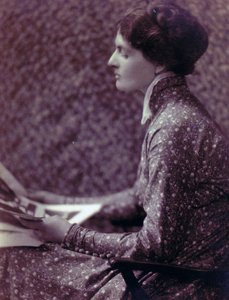
Ethel Léontine Gabain
1883 - 1950 , Frankreich
Kurzinfos
- Artistic Movement Or Style: Porträtmalerei, Lithografie
- Date Of Birth: 26. März 1883
- Date Of Death: 30. Januar 1950
- Full Name: Ethel Léontine Gabain
- Nationality: Französisch-Englisch
- Notable Artworks:
- The Striped Petticoat
- Flora Robson als Lady Audley
- Zinnias
- Place Of Birth: Le Havre, Frankreich
Ähnliche Artikel
Romantic Realism's Finest: 10 Masterpieces for Your Home | ArtsDot
Explore 10 defining masterpieces of Romantic Realism! Discover Courbet, Millet & Daumier's powerful paintings—capturing emotion and social realities. Find museum-quality reproductions for your home at ArtsDot.com.

Öl auf Leinwand: Eine historische und technische Erkundung eines zeitlosen künstlerischen Mediums
Entdecken Sie die faszinierende Welt der Ölmalerei! Von historischen Techniken bis zur modernen Anwendung – wir bieten Expertenwissen, Restaurierungstipps und hochwertige Reproduktionen. Jetzt informieren!

The Enduring Legacy of Oil on Canvas: Technique, History & Aesthetic Impact
Explore the rich history & techniques of oil painting – from Renaissance masters to Impressionism. Discover pigments, layering methods, and why this timeless medium endures. Expert insights for artists & art enthusiasts.

The Enduring Power of Painting: A Historical & Contemporary Exploration of Form and Emotion
Explore the rich history & enduring techniques of oil painting with ArtsDot. Discover masterpieces, learn about art collecting, and find authentic handmade reproductions crafted by skilled artists.

Das bleibende Erbe der Ölmalerei: Technik, Geschichte und zeitgenössische Praxis
Entdecken Sie die faszinierende Geschichte der Ölmalerei – von den frühen Techniken bis zur modernen Kunst. Expertenwissen, detaillierte Analysen und Inspiration für Sammler & Kunstliebhaber.

