 Vorschau anzeigen
 Versenden
 Teilen
 Details anzeigen

 Herunterladen
 Ähnliche Objekte
 Röntgenaufnahme
 Diashow
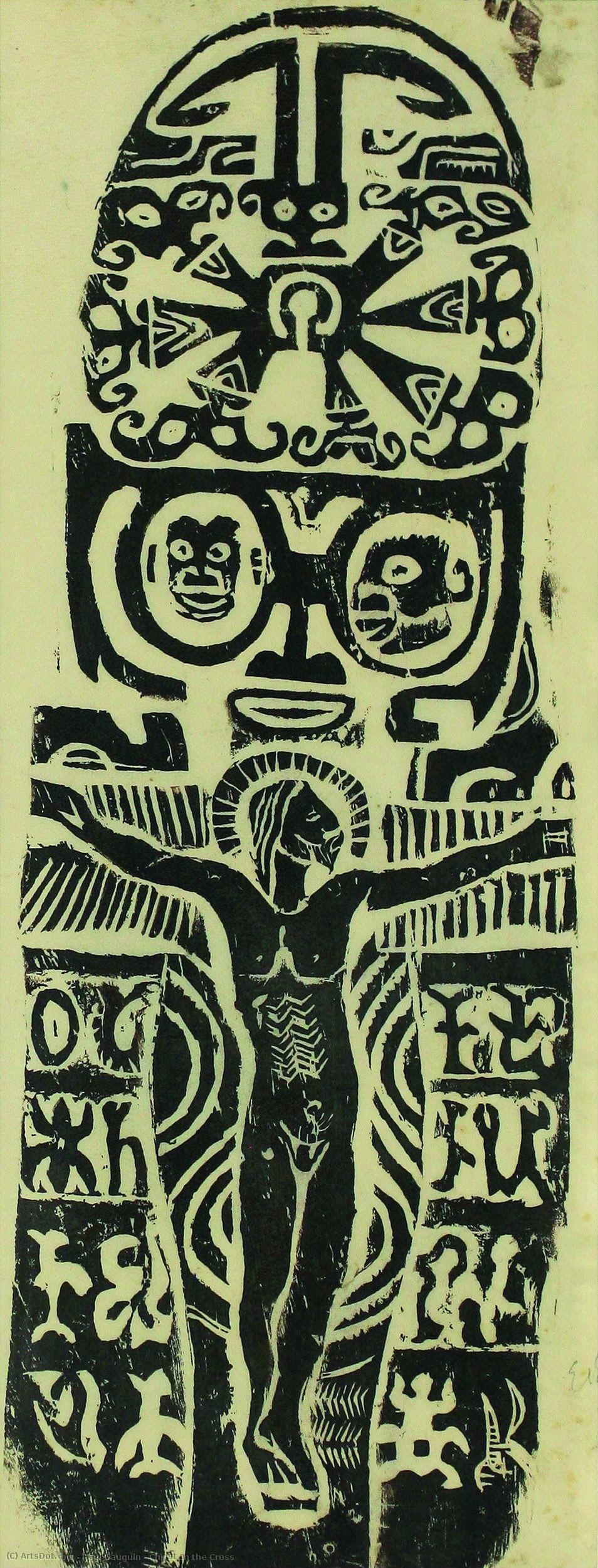
Christ on the Cross
 Acryl auf Leinwand
- Wandkunst
- Surrealist Movement
 1926
1926 40.0 x 13.0 cm
 Musée de Pont-Aven
 Weiterlesen
Handgefertigte Ölreproduktion
Handgemaltes Ölgemälde auf Leinwand in Ihrer Wunschgröße und mit Rahmen, auf Bestellung von unseren Künstlern angefertigt. ( Druck bestellen Bild kaufen)




P118B $10

P118H $10

P118W $10

P438Z $10

P508JH $12

P508YH $12

P805H $10

P805Z $10

P919BZ $10

P919G $10

P919XJ $10

P959ZH $10

P968JZ $12

W106C $8

W218G $10

W218JH $8

W218Y $10

W307PJ $10

W316G $10

W316PJ $8

W316Y $10

W398PJ $8

W4111J $10

W500HY $15

W500JH $15

W692G $12

W849H $8

W940BG $15

W953PJ $8




Wählen Sie aus unseren vordefinierten Formaten, die den ursprünglichen Proportionen des Kunstwerks entsprechen.

Sie können Ihre eigenen Maße eingeben, um einen bestimmten Rahmen oder Platz auszufüllen. Wenn die gewählte Größe nicht den Proportionen des Originalbildes entspricht, werden wir das Kunstwerk entweder beschneiden oder das Gemälde durch zusätzliche, handgemalte Elemente erweitern. Ein digitales Mockup wird Ihnen zur Genehmigung zugesandt, bevor die Produktion beginnt.
Bitte beachten Sie, dass die Bildschirmvorschau nicht die tatsächliche Beschneidung oder Erweiterung widerspiegelt. Nur das Mockup zeigt die endgültige Komposition exakt an.
Obwohl Sondermaße verfügbar sind, empfehlen wir, eine Größe aus der vordefinierten Liste zu wählen, um die ursprünglichen Proportionen beizubehalten.
Nach der Bestellung wird das ArtsDot.com-Team dem Kunden Anweisungen per E-Mail zusenden und eine Mockup-Vorschau bereitstellen.
Weltweiter Versand () in nur 3 bis 4 Wochen statt der üblichen 5 Wochen. (23 August). Keine Kompromisse bei der Qualität.

Kostenloser weltweiter Expressversand

Hochwertige Leinenleinwand

Umfassender Versicherungsschutz beim Versand

Zollgebühren-Rückerstattungsgarantie

Garantie für exakte Farbtreue

60 Tage Rückgaberecht (nur bei Mängeln)

100% Geld-zurück-Garantie

Mengenrabatt verfügbar
 Die Glasoption ist nur für Größen unter 110 cm verfügbar.

Christ on the Cross
Art der Reproduktion
Format der Reproduktion
-


Gesamtpreis
$ 263
Beschreibung des Kunstwerks
Paul Gauguin’s Christ on the Cross: A Vision of Spiritual Unity
Paul Gauguin's "Christ on the Cross," completed in 1926, stands as one of his most enduring and enigmatic works—a testament to his unwavering commitment to exploring profound spiritual themes through a strikingly unconventional artistic approach. Executed on Japanese paper, a medium chosen deliberately for its aged appearance and subtle textural qualities, the painting transcends mere representation; it strives to convey an experience of transcendence that captivated audiences upon its debut and continues to resonate with viewers today. The artwork’s placement within the Musée de Pont-Aven in France underscores its significance as a cornerstone of Breton Symbolism and Gauguin's personal pilgrimage toward artistic authenticity.- Subject Matter: Gauguin eschewed traditional depictions of Christ, opting instead for an arresting image of Jesus crucified—a figure rendered with remarkable solemnity and bathed in muted hues. Unlike conventional portrayals emphasizing suffering and anguish, Gauguin’s depiction prioritizes a contemplative stillness, inviting viewers to contemplate the essence of faith and compassion.
- Style: The painting embodies Gauguin's signature Synthetist style—a deliberate rejection of Impressionistic realism in favor of expressive color and simplified forms. Influenced by Cézanne and African art, Gauguin’s approach sought to distill visual experience into its purest essence, prioritizing emotional impact over meticulous detail.
- Technique: Gauguin employed a rubbing technique on Japanese paper—a method he had perfected during his travels in Tahiti—to transfer the image from a preparatory sketch onto the paper surface. This process resulted in a delicate, ethereal print that captures the artist’s vision with remarkable subtlety and nuance. The paper's inherent aging characteristics contribute to the artwork's atmosphere of timelessness and spiritual contemplation.
Historical Context: Breton Symbolism and Gauguin’s Spiritual Quest
Painted during Gauguin’s final years in Tahiti, “Christ on the Cross” reflects his profound engagement with Polynesian spirituality—a realm he viewed as embodying a more primal connection to God than Western Christianity. Gauguin's fascination with Tahitian culture stemmed from his conviction that it possessed an innate purity and wisdom unattainable by European civilization. He sought to capture this spiritual essence in his art, aligning himself with the burgeoning Breton Symbolist movement—a group of artists who championed expressive color and mythological imagery as vehicles for conveying psychological truths. The painting’s genesis coincided with Gauguin's personal crisis—marked by illness and financial difficulties—underscoring his determination to forge a path toward artistic liberation through introspection and spiritual exploration.Symbolism: Geometry and Transcendence
The composition of “Christ on the Cross” is meticulously structured around geometric principles—specifically, a triangle formed by Christ’s arms and a circle encompassing his head. Gauguin drew inspiration from Platonic thought—the belief that reality resides in eternal Forms—interpreting these shapes as symbols of unity and transcendence. The deliberate avoidance of conventional artistic conventions—such as nails, blood, and thorns—further reinforces this symbolic intent, prompting viewers to consider the crucifixion not merely as a physical event but as an embodiment of spiritual transformation. Gauguin’s masterful use of color—primarily ochre and umber—contributes to the artwork's solemn mood and enhances its expressive power.Emotional Impact: A Moment of Contemplation
“Christ on the Cross” transcends mere visual representation, inviting viewers into a profound meditation on faith, compassion, and the human condition. The painting’s subdued palette—characterized by earthy tones—creates an atmosphere of stillness and introspection—encouraging contemplation of existential questions. Gauguin's artistic vision speaks to the universal yearning for spiritual solace—a desire to connect with something greater than oneself—making “Christ on the Cross” a timeless masterpiece that continues to inspire awe and wonder. Its enduring appeal lies in its ability to capture the essence of human experience—expressed through an exquisitely crafted image rooted in both geometric precision and profound emotional resonance.Ähnliche Kunstwerke
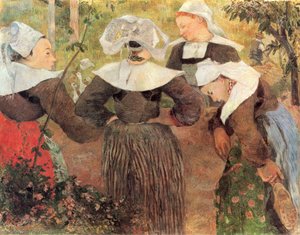
Über den Künstler
Eugène Henri Paul Gauguin: Ein Leben in Farbe und Symbolik
Frühes Leben und Hintergrund
- Geboren am 7. Juni 1848 in Paris, Frankreich, war Eugène Henri Paul Gauguin eine komplexe Persönlichkeit, die von einer ungewöhnlichen Erziehung geprägt war.
- Sein Vater war Journalist, und seine Mutter stammte aus einer Familie mit peruanischen Wurzeln – ihre Großmutter, Flora Tristan, war eine Pionierin der feministischen und sozialistischen Schriftstellerin.
- Im Jahr 1850 zog die Familie nach Peru, wo Gauguin vier prägende Jahre in einer anderen Kultur verbrachte. Diese Erfahrung beeinflusste seine Kunst später nachhaltig.
- Nach dem Tod seines Vaters kehrte Gauguin nach Frankreich zurück und erhielt eine formale Ausbildung, wählte aber schließlich eine Karriere als Börsenmakler.
Von Börsenmakler zum Künstler
- Gauguin begann in seiner Freizeit zu malen, wobei er zunächst von den Impressionisten beeinflusst wurde.
- Eine Finanzkrise im Jahr 1882 veranlasste ihn, seine Geschäftskarriere aufzugeben und sich voll und ganz der Kunst zu widmen.
- Er studierte bei Camille Pissarro, der seine künstlerische Entwicklung förderte und ihn mit anderen avantgardistischen Malern bekannt machte.
Künstlerische Entwicklung und Einflüsse
- Gauguins frühe Werke spiegelten impressionistische Techniken wider, aber er suchte bald einen ausdrucksstärkeren und symbolischen Stil.
- Er experimentierte mit kräftigen Farben, flachen Formen und vereinfachten Kompositionen und weicht von den Naturalismen des Impressionismus ab.
- Seine Reisen nach Brittany, Martinique und schließlich nach Tahiti waren entscheidend für die Gestaltung seiner künstlerischen Vision. Er suchte einen „primitiveren“ Lebenswandel, in dem er eine größere spirituelle Authentizität glaubte.
- Er war von japanischen Holzschnitten (Japonismus) und mittelalterlicher Kunst beeinflusst, die zu seinem unverwechselbaren Ästhetik beitrugen.
Tahitianische Periode und wichtige Werke
- Gauguin kam im Jahr 1891 nach Tahiti, um Zuflucht vor der europäischen Zivilisation und Inspiration aus der polynesischen Kultur zu suchen.
- Diese Zeit markierte den Höhepunkt seiner künstlerischen Kreativität und führte zu ikonischen Gemälden wie “Vahine no te miti”, “Manao Tupapau” (Beobachtet vom Geist der Toten) und “The Day of Gods”.
- Seine tahitianischen Werke sind durch leuchtende Farben, exotische Themen und ein Gefühl von Mysterium und Spiritualität geprägt.
- Er stellte oft polynesische Frauen, Landschaften und religiöse Überzeugungen dar und interpretierte sie durch seine eigene symbolische Linse.
Spätere Jahre und Kämpfe
- Gauguin hatte während seiner Zeit in Tahiti und später auf den Marquesasinseln finanzielle Schwierigkeiten und Gesundheitsprobleme.
- Trotz dieser Herausforderungen malte er weiterhin produktiv und erkundete Themen wie Leben, Tod und Spiritualität.
- Er starb am 8. Mai 1903 auf der Insel Hiva Oa in den Marquesasinseln.
Vermächtnis und historische Bedeutung
- Gauguins Werk wurde während seines Lebens weitgehend unerkannt, erlangte aber nach seinem Tod posthumane Anerkennung.
- Er gilt heute als eine zentrale Figur in der Entwicklung der modernen Kunst, die die Lücke zwischen Impressionismus und Symbolismus schloss.
- Seine Verwendung von Farbe, vereinfachten Formen und symbolischen Bildern beeinflusste zahlreiche Künstler, darunter Pablo Picasso, Henri Matisse und die Fauves.
- Gauguins Erforschung „primitiver“ Kulturen und seine Ablehnung westlicher künstlerischer Konventionen werden bis heute debattiert und neu interpretiert.
- Er bleibt eine umstrittene Figur aufgrund bestimmter Aspekte seines Privatlebens, aber sein künstlerischer Beitrag ist unbestreitbar.
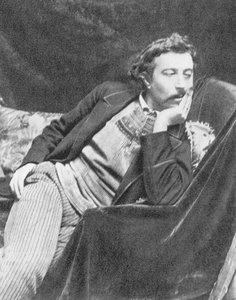
Eugène Henri Paul Gauguin
1848 - 1903 , Frankreich
Kurzinfos
- Artistic Movement Or Style: Post-Impressionismus, Symbolismus
- Artists Or Movements Influenced By This Artist:
- Pablo Picasso
- Henri Matisse
- Artists Who Influenced This Artist: ['Camille Pissarro']
- Date Of Birth: 7. Juni 1848
- Date Of Death: 8. Mai 1903
- Full Name: Eugène Henri Paul Gauguin
- Nationality: Französisch
- Notable Artworks:
- Vahine no te miti
- Manao Tupapau
- Der Tag der Götter
- Place Of Birth: Paris, Frankreich
Ähnliche Artikel
Paul Klee: Die 25 Meisterwerke des Abstrakten – Kunst für Ihr Zuhause | ArtsDot
Entdecken Sie die 25 Meisterwerke von Paul Klee! Tauchen Sie ein in seine abstrakte Welt, voller Expressionismus und Bauhaus-Einflüsse. Hochwertige Kunst für Ihr Zuhause – jetzt bei ArtsDot entdecken!

Paul Cézanne: Die 25 Meisterwerke des Impressionismus | ArtsDot
Entdecken Sie die 25 Meisterwerke von Paul Cézanne! Tauchen Sie ein in die Welt des Impressionismus und Postimpressionismus. Erfahren Sie mehr über seine Stillleben, Landschaften & berühmten Gemälde – jetzt hochwertige Kunstdrucke auf ArtsDot.com.
Jenseits des Paradieses: Gauguins Primitivismus, Symbolismus und die Suche nach der menschlichen Existenz
Entdecken Sie Gauguins faszinierende Welt! Analysieren Sie Primitivismus, Symbolismus und seinen Einfluss auf die Kunstgeschichte. Expertenwissen & tiefgründige Betrachtungen.
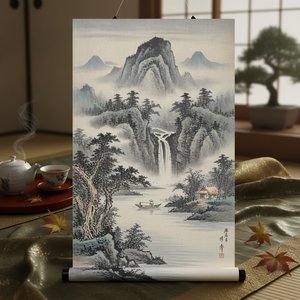
Serenity on Canvas: A Guide to the Timeless Beauty of Japanese Landscape Painting
Discover the serene beauty of Japanese landscape painting. From Hokusai's iconic woodblock prints to meditative sumi-e ink washes, explore a visual journey through the 'floating world' and learn how to bring this timeless Zen aesthetic into your modern home decor.
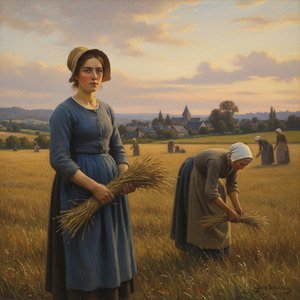
Jules Breton: Capturing the Poetic Soul of French Rural Life
Explore the captivating world of Jules Breton, master of French Realism. Discover his iconic paintings of rural life, learn about his artistic journey, and find high-quality reproductions to elevate your art collection at ArtsDot.