 Vorschau anzeigen
 Versenden
 Teilen
 Details anzeigen

 Herunterladen
 Ähnliche Objekte
 Röntgenaufnahme
 Diashow
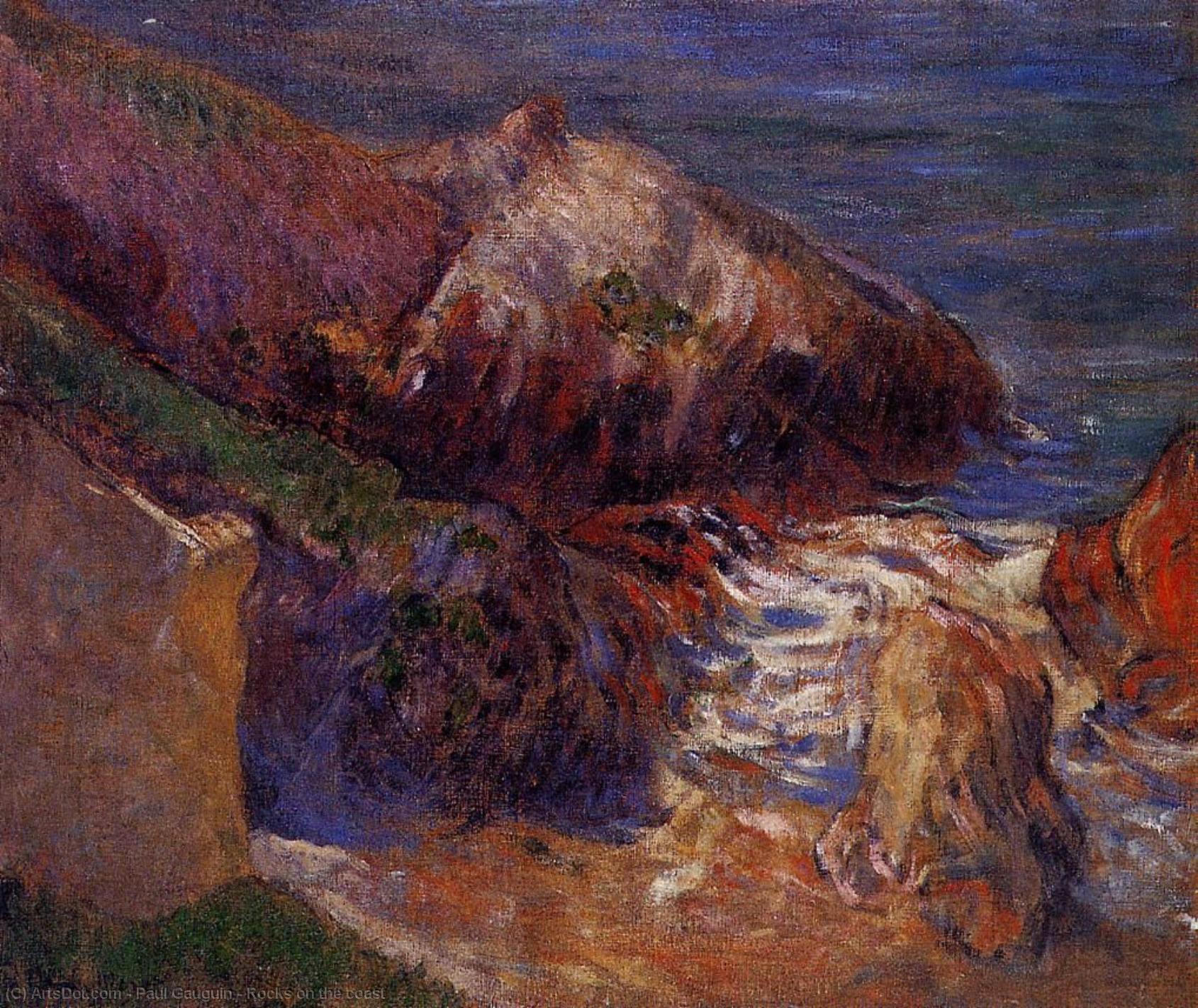
Felsen am Küstenstreifen


 Weiterlesen
Giclée / Kunstdruck
Giclée- oder Leinwanddruck in Museumsqualität mit schneller Produktion und flexiblen Veredelungsoptionen. ( Handgemalte Reproduktion bestellen Bild kaufen)




P118B $10

P118H $10

P118W $10

P438Z $10

P508JH $12

P508YH $12

P805H $10

P805Z $10

P919BZ $10

P919G $10

P919XJ $10

P959ZH $10

P968JZ $12

W106C $8

W218G $10

W218JH $8

W218Y $10

W307PJ $10

W316G $10

W316PJ $8

W316Y $10

W398PJ $8

W4111J $10

W500HY $15

W500JH $15

W692G $12

W849H $8

W940BG $15

W953PJ $8




Wählen Sie aus unseren vordefinierten Formaten, die den ursprünglichen Proportionen des Kunstwerks entsprechen.

Sie können Ihre eigenen Maße eingeben, um ein bestimmtes Format oder einen speziellen Platz einzupassen. Wenn das von Ihnen gewählte Format nicht den Proportionen des Originalbildes entspricht, werden wir das Kunstwerk entweder beschneiden oder das Bild mit einem gespiegelten oder einfarbigen Rand erweitern. Ein digitaler Entwurf wird Ihnen zur Genehmigung zugesandt, bevor die Produktion beginnt.
Bitte beachten Sie, dass die Vorschau auf dem Bildschirm nicht den tatsächlichen Zuschnitt oder die Erweiterung widerspiegelt. Nur der Entwurf zeigt die endgültige Komposition präzise an.
Obwohl Sondermaße verfügbar sind, empfehlen wir die Auswahl eines Maßes aus der vordefinierten Liste, um die ursprünglichen Proportionen zu bewahren.
Weltweiter Versand () innerhalb von 2 Wochen statt der üblichen 4/5 Wochen. (24 August)

Kostenloser weltweiter Expressversand

Hochwertige Leinenleinwand

Umfassender Versicherungsschutz beim Versand

Zollgebühren-Rückerstattungsgarantie

Garantie für exakte Farbtreue

60 Tage Rückgaberecht (nur bei Mängeln)

100% Geld-zurück-Garantie

Mengenrabatt verfügbar
 Die Glasoption ist nur für Größen unter 110 cm verfügbar.

Felsen am Küstenstreifen
Giclée / Kunstdruck
Format der Reproduktion
-


Gesamtpreis
$ 62
Sammlerstück-Beschreibung
Rocks on the Coast: A Symphony of Color and Tranquility
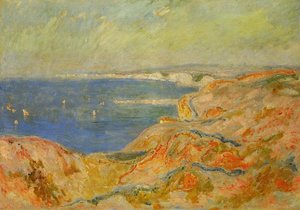
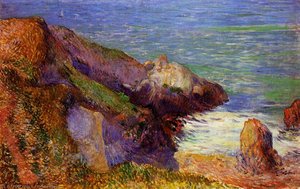
Paul Gauguin’s “Rocks on the Coast,” completed in 1889 during his Breton period, stands as a cornerstone of Post-Impressionist art—a testament to Gauguin's singular vision of capturing the essence of nature through bold color palettes and expressive brushstrokes. Currently residing in a private collection, this canvas offers viewers an unparalleled glimpse into Gauguin’s artistic process and his profound connection with the rugged beauty of Brittany’s coastline /en/art/show/art-8ewpet-en/ ### Composition and Style: Embracing Depth and Texture The painting's composition immediately draws the eye inward, establishing a sense of depth achieved through careful layering of rocks and cliffs in the background. Gauguin skillfully employs perspective to convey the grandeur of the landscape, presenting a dramatic interplay between solidity and movement. Two figures—a man and a woman—are positioned strategically on the left and right sides of the scene, subtly anchoring the composition while simultaneously inviting contemplation about humanity’s place within this vast natural panorama. Gauguin's distinctive Post-Impressionist style is evident in his unrestrained brushwork—thick impasto creates palpable texture, mirroring the rough surface of the rocks themselves and conveying a visceral feeling for the materiality of the environment. The artist eschews meticulous detail, prioritizing instead an emotional response to the scene rather than photographic accuracy. ### Artistic Context: Gauguin's Breton Exploration Paul Gauguin’s artistic journey began in Paris, where he initially experimented with Impressionistic techniques before swiftly forging his own path—a path marked by a fervent desire for authenticity and inspiration drawn from cultures outside of Europe. His time in Brittany served as crucial formative period, fueling his exploration of Symbolist themes and influencing his distinctive visual language. “Rocks on the Coast” embodies this Breton sensibility, reflecting Gauguin’s fascination with capturing the spirit of place—the raw beauty and elemental power of the Cornish coast. The painting aligns perfectly with the broader artistic currents of the era, responding to Impressionism's focus on fleeting impressions of light and color while simultaneously rejecting its formal constraints. ### Relevance to Art History: An Influence That Endures Gauguin’s influence extends far beyond his own lifetime, resonating powerfully within subsequent generations of artists. His bold use of color—particularly vibrant reds, yellows, and blues—challenged conventional artistic norms and paved the way for movements like Fauvism and Expressionism. Furthermore, Gauguin's exploration of primitivism—his deliberate simplification of forms and rejection of academic conventions—inspired artists to reconnect with primal landscapes and spiritual traditions. The Tavet museum-Delacour in Pontoise, France, houses a remarkable collection of artworks from the Belle Époque, offering invaluable insights into the artistic landscape of Gauguin’s time. Founded in 1889, coinciding with the creation of “Rocks on the Coast,” it exemplifies the spirit of intellectual curiosity and artistic experimentation that characterized the period. ### Other Relevant Works: Comparative Visions For those seeking to delve deeper into Gauguin's oeuvre, "Cliff near Dieppe" presents a similarly striking depiction of coastal scenery—characterized by similar bold colors and expressive brushstrokes. Henri Moret’s “The Breton Coast” captures the atmosphere of Brittany with comparable sensitivity, emphasizing the interplay between light and shadow. Rockwell Kent’s “Headlands And Sea,” too, exemplifies Gauguin's fascination with capturing the sublime beauty of the natural world. Exploring these comparative works illuminates the breadth of Gauguin’s artistic vision and underscores his enduring legacy as a pioneer of modern art. ArtsDot.com provides exceptional reproductions of Gauguin’s paintings—allowing enthusiasts to experience the power of his artistry firsthand /art/list/?Filter=8EWPET/$File/Paul-Gauguin-Rocks-on-the-coast.JPG). ### Additional Resources: Expanding Your Knowledge To gain a more comprehensive understanding of Gauguin’s life and artistic contributions, Wikipedia offers detailed biographical information and scholarly analyses (https://en.wikipedia.org/wiki/Paul_Gauguin).Ähnliche Kunstwerke
Über den Künstler
Eugène Henri Paul Gauguin: Ein Leben in Farbe und Symbolik
Frühes Leben und Hintergrund
- Geboren am 7. Juni 1848 in Paris, Frankreich, war Eugène Henri Paul Gauguin eine komplexe Persönlichkeit, die von einer ungewöhnlichen Erziehung geprägt war.
- Sein Vater war Journalist, und seine Mutter stammte aus einer Familie mit peruanischen Wurzeln – ihre Großmutter, Flora Tristan, war eine Pionierin der feministischen und sozialistischen Schriftstellerin.
- Im Jahr 1850 zog die Familie nach Peru, wo Gauguin vier prägende Jahre in einer anderen Kultur verbrachte. Diese Erfahrung beeinflusste seine Kunst später nachhaltig.
- Nach dem Tod seines Vaters kehrte Gauguin nach Frankreich zurück und erhielt eine formale Ausbildung, wählte aber schließlich eine Karriere als Börsenmakler.
Von Börsenmakler zum Künstler
- Gauguin begann in seiner Freizeit zu malen, wobei er zunächst von den Impressionisten beeinflusst wurde.
- Eine Finanzkrise im Jahr 1882 veranlasste ihn, seine Geschäftskarriere aufzugeben und sich voll und ganz der Kunst zu widmen.
- Er studierte bei Camille Pissarro, der seine künstlerische Entwicklung förderte und ihn mit anderen avantgardistischen Malern bekannt machte.
Künstlerische Entwicklung und Einflüsse
- Gauguins frühe Werke spiegelten impressionistische Techniken wider, aber er suchte bald einen ausdrucksstärkeren und symbolischen Stil.
- Er experimentierte mit kräftigen Farben, flachen Formen und vereinfachten Kompositionen und weicht von den Naturalismen des Impressionismus ab.
- Seine Reisen nach Brittany, Martinique und schließlich nach Tahiti waren entscheidend für die Gestaltung seiner künstlerischen Vision. Er suchte einen „primitiveren“ Lebenswandel, in dem er eine größere spirituelle Authentizität glaubte.
- Er war von japanischen Holzschnitten (Japonismus) und mittelalterlicher Kunst beeinflusst, die zu seinem unverwechselbaren Ästhetik beitrugen.
Tahitianische Periode und wichtige Werke
- Gauguin kam im Jahr 1891 nach Tahiti, um Zuflucht vor der europäischen Zivilisation und Inspiration aus der polynesischen Kultur zu suchen.
- Diese Zeit markierte den Höhepunkt seiner künstlerischen Kreativität und führte zu ikonischen Gemälden wie “Vahine no te miti”, “Manao Tupapau” (Beobachtet vom Geist der Toten) und “The Day of Gods”.
- Seine tahitianischen Werke sind durch leuchtende Farben, exotische Themen und ein Gefühl von Mysterium und Spiritualität geprägt.
- Er stellte oft polynesische Frauen, Landschaften und religiöse Überzeugungen dar und interpretierte sie durch seine eigene symbolische Linse.
Spätere Jahre und Kämpfe
- Gauguin hatte während seiner Zeit in Tahiti und später auf den Marquesasinseln finanzielle Schwierigkeiten und Gesundheitsprobleme.
- Trotz dieser Herausforderungen malte er weiterhin produktiv und erkundete Themen wie Leben, Tod und Spiritualität.
- Er starb am 8. Mai 1903 auf der Insel Hiva Oa in den Marquesasinseln.
Vermächtnis und historische Bedeutung
- Gauguins Werk wurde während seines Lebens weitgehend unerkannt, erlangte aber nach seinem Tod posthumane Anerkennung.
- Er gilt heute als eine zentrale Figur in der Entwicklung der modernen Kunst, die die Lücke zwischen Impressionismus und Symbolismus schloss.
- Seine Verwendung von Farbe, vereinfachten Formen und symbolischen Bildern beeinflusste zahlreiche Künstler, darunter Pablo Picasso, Henri Matisse und die Fauves.
- Gauguins Erforschung „primitiver“ Kulturen und seine Ablehnung westlicher künstlerischer Konventionen werden bis heute debattiert und neu interpretiert.
- Er bleibt eine umstrittene Figur aufgrund bestimmter Aspekte seines Privatlebens, aber sein künstlerischer Beitrag ist unbestreitbar.
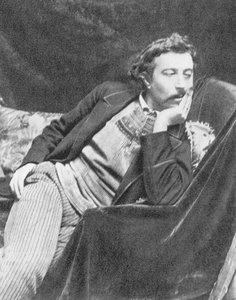
Eugène Henri Paul Gauguin
1848 - 1903 , Frankreich
Kurzinfos
- Artistic Movement Or Style: Post-Impressionismus, Symbolismus
- Artists Or Movements Influenced By This Artist:
- Pablo Picasso
- Henri Matisse
- Artists Who Influenced This Artist: ['Camille Pissarro']
- Date Of Birth: 7. Juni 1848
- Date Of Death: 8. Mai 1903
- Full Name: Eugène Henri Paul Gauguin
- Nationality: Französisch
- Notable Artworks:
- Vahine no te miti
- Manao Tupapau
- Der Tag der Götter
- Place Of Birth: Paris, Frankreich
Ähnliche Artikel

Paul Cézanne: Die 25 Meisterwerke des Impressionismus | ArtsDot
Entdecken Sie die 25 Meisterwerke von Paul Cézanne! Tauchen Sie ein in die Welt des Impressionismus und Postimpressionismus. Erfahren Sie mehr über seine Stillleben, Landschaften & berühmten Gemälde – jetzt hochwertige Kunstdrucke auf ArtsDot.com.
Paul Klee: Die 25 Meisterwerke des Abstrakten – Kunst für Ihr Zuhause | ArtsDot
Entdecken Sie die 25 Meisterwerke von Paul Klee! Tauchen Sie ein in seine abstrakte Welt, voller Expressionismus und Bauhaus-Einflüsse. Hochwertige Kunst für Ihr Zuhause – jetzt bei ArtsDot entdecken!
Jenseits des Impressionismus: Die emotionale Tiefe der postimpressionistischen Malerei
Entdecken Sie die emotionale Tiefe des Postimpressionismus! Analysieren Sie Cézanne, van Gogh, Gauguin & Seurat. Expertenwissen über Kunstgeschichte und Einfluss auf die Moderne.
Postimpressionismus: Die 10 Meisterwerke, die eine Ära prägten –
Entdecken Sie die 10 Meisterwerke des Postimpressionismus! Van Gogh, Cézanne & Co. – ihre Geschichten, Techniken und zeitlose Schönheit. Kunstdrucke in Museumsqualiät auf . Jetzt entdecken!
Beyond Impressionism: Exploring Emotional Depth & Formal Innovation in Post-Impressionist Art
Explore the profound emotional depth & formal innovations of Post-Impressionism with our expert guide. Discover Cézanne, Van Gogh, Gauguin & more. Learn about art history, collecting, and investing in this pivotal movement.