 Vorschau anzeigen
 Versenden
 Teilen
 Details anzeigen

 Herunterladen
 Ähnliche Objekte
 Röntgenaufnahme
 Diashow
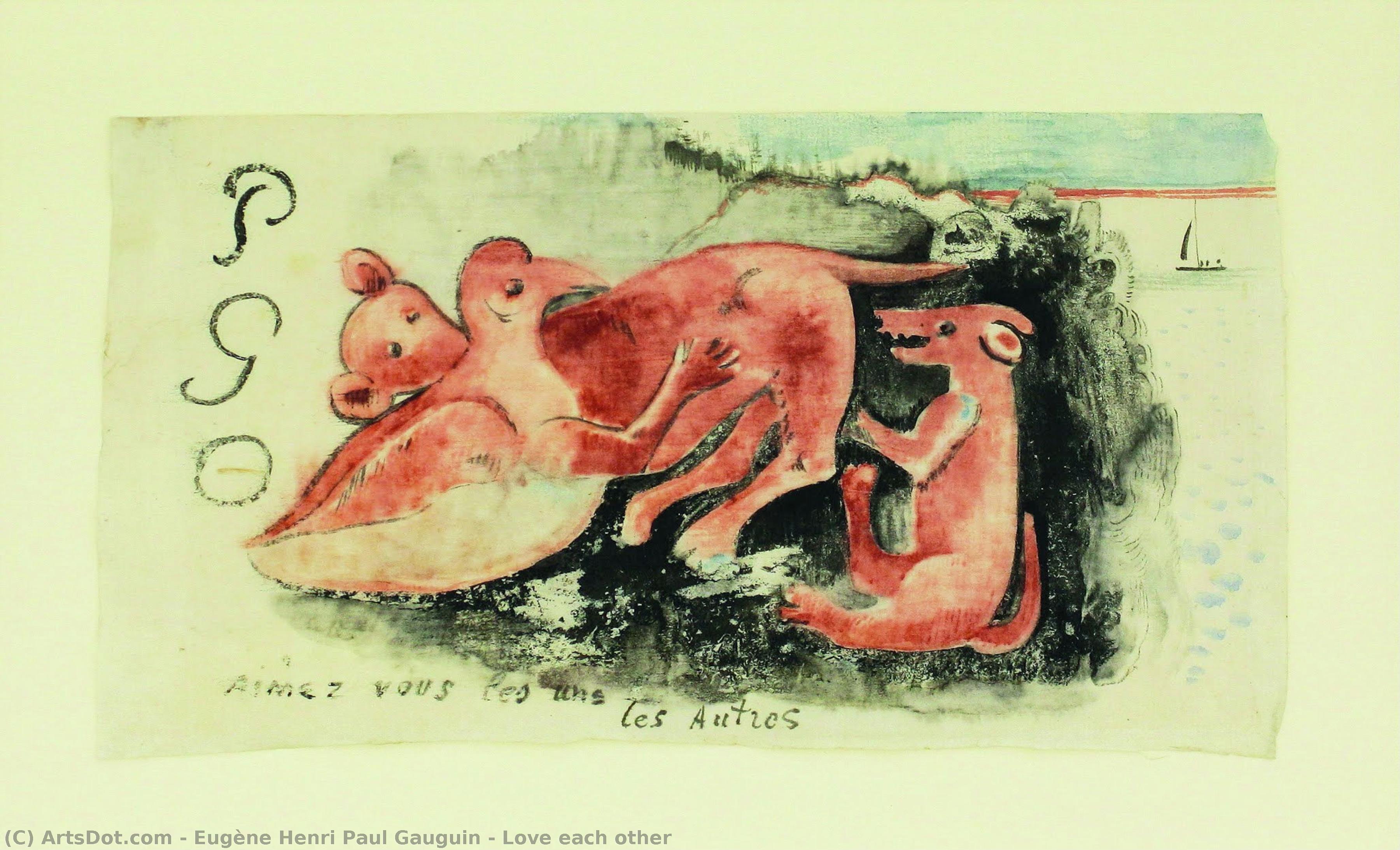
Love each other
 Aquarell
- Wandkunst
- Post-Impressionism
 1894
1894 14.0 x 26.0 cm
 Musée de Pont-Aven
 Weiterlesen
Handgefertigte Ölreproduktion
Handgemaltes Ölgemälde auf Leinwand in Ihrer Wunschgröße und mit Rahmen, auf Bestellung von unseren Künstlern angefertigt. ( Druck bestellen Bild kaufen)




P118B $10

P118H $10

P118W $10

P438Z $10

P508JH $12

P508YH $12

P805H $10

P805Z $10

P919BZ $10

P919G $10

P919XJ $10

P959ZH $10

P968JZ $12

W106C $8

W218G $10

W218JH $8

W218Y $10

W307PJ $10

W316G $10

W316PJ $8

W316Y $10

W398PJ $8

W4111J $10

W500HY $15

W500JH $15

W692G $12

W849H $8

W940BG $15

W953PJ $8




Wählen Sie aus unseren vordefinierten Formaten, die den ursprünglichen Proportionen des Kunstwerks entsprechen.

Sie können Ihre eigenen Maße eingeben, um einen bestimmten Rahmen oder Platz auszufüllen. Wenn die gewählte Größe nicht den Proportionen des Originalbildes entspricht, werden wir das Kunstwerk entweder beschneiden oder das Gemälde durch zusätzliche, handgemalte Elemente erweitern. Ein digitales Mockup wird Ihnen zur Genehmigung zugesandt, bevor die Produktion beginnt.
Bitte beachten Sie, dass die Bildschirmvorschau nicht die tatsächliche Beschneidung oder Erweiterung widerspiegelt. Nur das Mockup zeigt die endgültige Komposition exakt an.
Obwohl Sondermaße verfügbar sind, empfehlen wir, eine Größe aus der vordefinierten Liste zu wählen, um die ursprünglichen Proportionen beizubehalten.
Nach der Bestellung wird das ArtsDot.com-Team dem Kunden Anweisungen per E-Mail zusenden und eine Mockup-Vorschau bereitstellen.
Weltweiter Versand () in nur 3 bis 4 Wochen statt der üblichen 5 Wochen. (26 August). Keine Kompromisse bei der Qualität.

Kostenloser weltweiter Expressversand

Hochwertige Leinenleinwand

Umfassender Versicherungsschutz beim Versand

Zollgebühren-Rückerstattungsgarantie

Garantie für exakte Farbtreue

60 Tage Rückgaberecht (nur bei Mängeln)

100% Geld-zurück-Garantie

Mengenrabatt verfügbar
 Die Glasoption ist nur für Größen unter 110 cm verfügbar.

Love each other
Art der Reproduktion
Format der Reproduktion
-


Gesamtpreis
$ 263
Beschreibung des Kunstwerks
A Window into Gauguin’s Tahiti: “Love Each Other”
Paul Gauguin's "Love Each Other," painted in 1894, isn’t merely a depiction of three animals—a red cat, two dogs, and a vibrant parrot—but rather a carefully constructed tableau brimming with symbolic weight and the artist’s deeply felt longing for a simpler, more authentic existence. Created during his intense period of artistic exploration in Tahiti, this watercolor on Japanese paper offers a glimpse into Gauguin's evolving aesthetic – a departure from the fleeting impressions of Impressionism towards a bolder, more emotionally charged style that would come to define him as a pivotal figure in modern art.
The scene unfolds outdoors, bathed in the diffused light characteristic of the South Pacific. The composition is deceptively simple: the animals are clustered together, engaged in what appears to be playful interaction, yet beneath this surface lies a complex interplay of relationships and unspoken emotions. Gauguin masterfully employs loose, expressive brushstrokes—a hallmark of his later work—to capture the texture of fur, feathers, and foliage. The colors are rich and saturated, dominated by earthy tones punctuated by the vibrant red of the cat, immediately drawing the viewer’s eye. Notice how he uses a limited palette to create such depth and dynamism; it's a testament to his intuitive understanding of color theory.
The Symbolism of Connection
Gauguin’s choice of subjects—animals—holds profound symbolic significance within the context of his time. He frequently used animals in his work as metaphors for human relationships, exploring themes of love, companionship, and the inherent tensions between them. The dogs, often depicted wrestling or playfully competing, represent the complexities of male rivalry and social dynamics. The cat, a creature known for its independence and solitary nature, stands apart, observing the scene with an air of detached contemplation. It’s been suggested that this feline figure embodies the artist's own yearning for solitude and detachment from the pressures of European society.
The parrot, perched prominently in the center, adds another layer to the symbolism. Parrots are renowned for their mimicry—their ability to imitate sounds and behaviors. In Gauguin’s work, this trait can be interpreted as a reflection on the human tendency to replicate or distort reality. Furthermore, parrots were often associated with exoticism and foreign cultures – mirroring Gauguin's fascination with Polynesian life and his desire to escape the constraints of Western civilization.
A Bridge Between Worlds
“Love Each Other” is inextricably linked to Gauguin’s time in Tahiti. He sought refuge there, hoping to find a world untouched by European influence—a place where he could reconnect with nature and experience a more authentic way of life. This painting embodies that aspiration: it's a celebration of the natural world and its inherent beauty, while simultaneously hinting at the underlying tensions and complexities of human interaction. The loose brushwork and vibrant colors evoke the sensory richness of the South Pacific—the warmth of the sun, the scent of tropical flowers, and the sounds of exotic birds.
Interestingly, this work was created in conjunction with a series of woodblock prints exploring similar themes of love and connection. The subtle variations between the watercolor and the print versions demonstrate Gauguin’s experimentation with different mediums and his ongoing exploration of artistic expression. “Love Each Other” remains a powerful testament to Gauguin's unique vision—a captivating blend of observation, symbolism, and emotional intensity that continues to resonate with viewers today.
Details & Reproduction
Size: 14 x 26 cm
Date: 1894
Artist: Eugène Henri Paul Gauguin
Medium: Watercolor on Japanese paper
Location: Pont-Aven, France
- Provenance: Purchase
- Technique: Watercolor with loose, expressive brushstrokes.
- Symbolism: Represents human relationships, love, rivalry, and the desire for authenticity.
Consider a high-quality reproduction to bring this evocative artwork into your home. The rich colors and dynamic composition will add a touch of exotic charm and contemplative beauty to any space.
Ähnliche Kunstwerke
Über den Künstler
Eugène Henri Paul Gauguin: Ein Leben in Farbe und Symbolik
Frühes Leben und Hintergrund
- Geboren am 7. Juni 1848 in Paris, Frankreich, war Eugène Henri Paul Gauguin eine komplexe Persönlichkeit, die von einer ungewöhnlichen Erziehung geprägt war.
- Sein Vater war Journalist, und seine Mutter stammte aus einer Familie mit peruanischen Wurzeln – ihre Großmutter, Flora Tristan, war eine Pionierin der feministischen und sozialistischen Schriftstellerin.
- Im Jahr 1850 zog die Familie nach Peru, wo Gauguin vier prägende Jahre in einer anderen Kultur verbrachte. Diese Erfahrung beeinflusste seine Kunst später nachhaltig.
- Nach dem Tod seines Vaters kehrte Gauguin nach Frankreich zurück und erhielt eine formale Ausbildung, wählte aber schließlich eine Karriere als Börsenmakler.
Von Börsenmakler zum Künstler
- Gauguin begann in seiner Freizeit zu malen, wobei er zunächst von den Impressionisten beeinflusst wurde.
- Eine Finanzkrise im Jahr 1882 veranlasste ihn, seine Geschäftskarriere aufzugeben und sich voll und ganz der Kunst zu widmen.
- Er studierte bei Camille Pissarro, der seine künstlerische Entwicklung förderte und ihn mit anderen avantgardistischen Malern bekannt machte.
Künstlerische Entwicklung und Einflüsse
- Gauguins frühe Werke spiegelten impressionistische Techniken wider, aber er suchte bald einen ausdrucksstärkeren und symbolischen Stil.
- Er experimentierte mit kräftigen Farben, flachen Formen und vereinfachten Kompositionen und weicht von den Naturalismen des Impressionismus ab.
- Seine Reisen nach Brittany, Martinique und schließlich nach Tahiti waren entscheidend für die Gestaltung seiner künstlerischen Vision. Er suchte einen „primitiveren“ Lebenswandel, in dem er eine größere spirituelle Authentizität glaubte.
- Er war von japanischen Holzschnitten (Japonismus) und mittelalterlicher Kunst beeinflusst, die zu seinem unverwechselbaren Ästhetik beitrugen.
Tahitianische Periode und wichtige Werke
- Gauguin kam im Jahr 1891 nach Tahiti, um Zuflucht vor der europäischen Zivilisation und Inspiration aus der polynesischen Kultur zu suchen.
- Diese Zeit markierte den Höhepunkt seiner künstlerischen Kreativität und führte zu ikonischen Gemälden wie “Vahine no te miti”, “Manao Tupapau” (Beobachtet vom Geist der Toten) und “The Day of Gods”.
- Seine tahitianischen Werke sind durch leuchtende Farben, exotische Themen und ein Gefühl von Mysterium und Spiritualität geprägt.
- Er stellte oft polynesische Frauen, Landschaften und religiöse Überzeugungen dar und interpretierte sie durch seine eigene symbolische Linse.
Spätere Jahre und Kämpfe
- Gauguin hatte während seiner Zeit in Tahiti und später auf den Marquesasinseln finanzielle Schwierigkeiten und Gesundheitsprobleme.
- Trotz dieser Herausforderungen malte er weiterhin produktiv und erkundete Themen wie Leben, Tod und Spiritualität.
- Er starb am 8. Mai 1903 auf der Insel Hiva Oa in den Marquesasinseln.
Vermächtnis und historische Bedeutung
- Gauguins Werk wurde während seines Lebens weitgehend unerkannt, erlangte aber nach seinem Tod posthumane Anerkennung.
- Er gilt heute als eine zentrale Figur in der Entwicklung der modernen Kunst, die die Lücke zwischen Impressionismus und Symbolismus schloss.
- Seine Verwendung von Farbe, vereinfachten Formen und symbolischen Bildern beeinflusste zahlreiche Künstler, darunter Pablo Picasso, Henri Matisse und die Fauves.
- Gauguins Erforschung „primitiver“ Kulturen und seine Ablehnung westlicher künstlerischer Konventionen werden bis heute debattiert und neu interpretiert.
- Er bleibt eine umstrittene Figur aufgrund bestimmter Aspekte seines Privatlebens, aber sein künstlerischer Beitrag ist unbestreitbar.
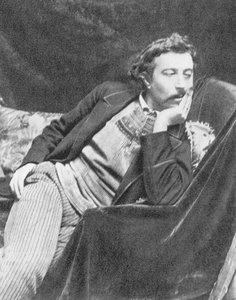
Eugène Henri Paul Gauguin
1848 - 1903 , Frankreich
Kurzinfos
- Artistic Movement Or Style: Post-Impressionismus, Symbolismus
- Artists Or Movements Influenced By This Artist:
- Pablo Picasso
- Henri Matisse
- Artists Who Influenced This Artist: ['Camille Pissarro']
- Date Of Birth: 7. Juni 1848
- Date Of Death: 8. Mai 1903
- Full Name: Eugène Henri Paul Gauguin
- Nationality: Französisch
- Notable Artworks:
- Vahine no te miti
- Manao Tupapau
- Der Tag der Götter
- Place Of Birth: Paris, Frankreich
Ähnliche Artikel

Die 10 legendärsten Aquarellwerke der Kunstgeschichte – Meisterwerke für Ihr Zuhause
Entdecken Sie die 10 legendärsten Aquarellwerke der Kunstgeschichte! Von Turner bis Monet – erleben Sie die Geschichten, Techniken & Farben dieser Meisterwerke. Finden Sie hochwertige Kunstdrucke auf ArtsDot.com und gestalten Sie Ihr Zuhause mit zeitloser Eleganz.
Paul Klee: Die 25 Meisterwerke des Abstrakten – Kunst für Ihr Zuhause | ArtsDot
Entdecken Sie die 25 Meisterwerke von Paul Klee! Tauchen Sie ein in seine abstrakte Welt, voller Expressionismus und Bauhaus-Einflüsse. Hochwertige Kunst für Ihr Zuhause – jetzt bei ArtsDot entdecken!

Ephemeral Visions: Exploring the Artistic Legacy & Contemporary Practice of Watercolor Painting
Explore the captivating world of watercolor painting! Discover its rich history, essential techniques, influential artists & collecting tips. A comprehensive guide for art enthusiasts from ArtsDot.
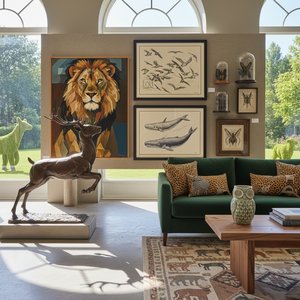
Animalia: Die bleibende Präsenz von Tieren in Kunst und Innenarchitektur
Entdecken Sie die faszinierende Welt der Animalia! Von historischen Tierdarstellungen bis zur modernen Innenarchitektur – wir bieten Expertise, hochwertige Reproduktionen & Kunstberatung.

Flüchtige Visionen: Die Geschichte und emotionale Resonanz der Aquarellmalerei
Entdecken Sie die faszinierende Welt der Aquarellmalerei! Von historischen Ursprüngen bis zu modernen Techniken – wir bieten Expertenwissen, Inspiration und Tipps für Anfänger & Fortgeschrittene.