 Vorschau anzeigen
 Versenden
 Teilen
 Details anzeigen

 Herunterladen
 Ähnliche Objekte
 Röntgenaufnahme
 Diashow
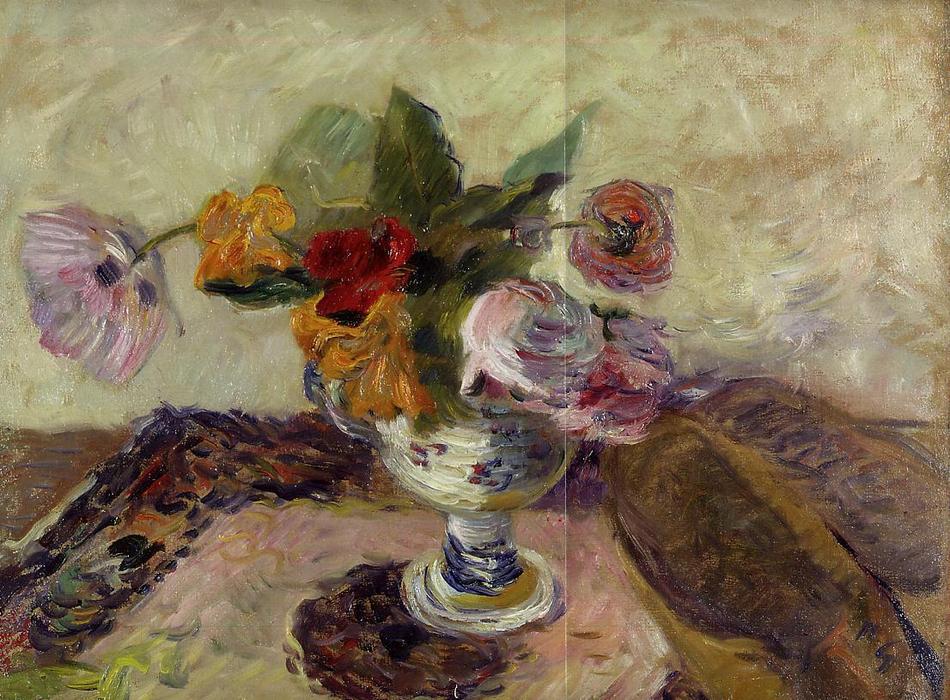
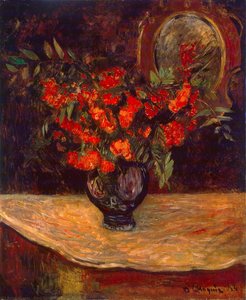
Sommerlicher Blumenstrauß und Klumpen (auch bekannt als Blumenvase)
 Öl auf Leinwand
- Wandkunst
- Post-Impressionism
 1886
1886- 19. Jahrhundert
 33.0 x 42.0 cm
 Weiterlesen
Giclée / Kunstdruck
Giclée- oder Leinwanddruck in Museumsqualität mit schneller Produktion und flexiblen Veredelungsoptionen. ( Handgemalte Reproduktion bestellen Bild kaufen)




P118B $10

P118H $10

P118W $10

P438Z $10

P508JH $12

P508YH $12

P805H $10

P805Z $10

P919BZ $10

P919G $10

P919XJ $10

P959ZH $10

P968JZ $12

W106C $8

W218G $10

W218JH $8

W218Y $10

W307PJ $10

W316G $10

W316PJ $8

W316Y $10

W398PJ $8

W4111J $10

W500HY $15

W500JH $15

W692G $12

W849H $8

W940BG $15

W953PJ $8




Wählen Sie aus unseren vordefinierten Formaten, die den ursprünglichen Proportionen des Kunstwerks entsprechen.

Sie können Ihre eigenen Maße eingeben, um ein bestimmtes Format oder einen speziellen Platz einzupassen. Wenn das von Ihnen gewählte Format nicht den Proportionen des Originalbildes entspricht, werden wir das Kunstwerk entweder beschneiden oder das Bild mit einem gespiegelten oder einfarbigen Rand erweitern. Ein digitaler Entwurf wird Ihnen zur Genehmigung zugesandt, bevor die Produktion beginnt.
Bitte beachten Sie, dass die Vorschau auf dem Bildschirm nicht den tatsächlichen Zuschnitt oder die Erweiterung widerspiegelt. Nur der Entwurf zeigt die endgültige Komposition präzise an.
Obwohl Sondermaße verfügbar sind, empfehlen wir die Auswahl eines Maßes aus der vordefinierten Liste, um die ursprünglichen Proportionen zu bewahren.
Weltweiter Versand () innerhalb von 2 Wochen statt der üblichen 4/5 Wochen. (2 September)

Kostenloser weltweiter Expressversand

Hochwertige Leinenleinwand

Umfassender Versicherungsschutz beim Versand

Zollgebühren-Rückerstattungsgarantie

Garantie für exakte Farbtreue

60 Tage Rückgaberecht (nur bei Mängeln)

100% Geld-zurück-Garantie

Mengenrabatt verfügbar
 Die Glasoption ist nur für Größen unter 110 cm verfügbar.

Sommerlicher Blumenstrauß und Klumpen (auch bekannt als Blumenvase)
Giclée / Kunstdruck
Format der Reproduktion
-


Gesamtpreis
$ 62
Summer Bouquet and Clogs (also known as Vase of Flowers) – A Masterpiece of Gauguin’s Symbolist Vision
Paul Gauguin's Summer Bouquet and Clogs, also known as Vase of Flowers, stands as a testament to the artist’s unwavering commitment to capturing not merely what he saw but what he *felt*. Created in 1886 during his second voyage to Tahiti—a pivotal moment in Gauguin's artistic evolution—this oil on canvas piece transcends mere botanical representation; it embodies a profound exploration of color, form, and emotion rooted in Symbolist principles. Measuring 33 x 42 cm, the painting immediately draws the eye with its vibrant palette dominated by reds, yellows, and blues – hues deliberately chosen to convey warmth, vitality, and an underlying spiritual resonance.Composition and Color Palette: Harmony Amidst Chaos
The artist’s meticulous arrangement of flowers within a simple white vase is central to the artwork's impact. Roses, carnations, and lilies intertwine gracefully alongside exotic blooms like hibiscus and frangipani—a deliberate selection reflecting Gauguin’s fascination with Polynesian flora and fauna. However, it’s not simply the beauty of individual blossoms that captivates; rather, it is their interplay against the muted beige backdrop of the dining table. Gauguin skillfully utilizes color gradients to create depth and luminosity, simulating the dappled sunlight filtering through the foliage—a technique characteristic of Impressionism but pushed further into expressive abstraction. The bold brushstrokes contribute to a sense of dynamism and spontaneity, mirroring the artist’s desire to convey an inner state rather than a literal depiction of reality.Artistic Style and Influences: Embracing Synthetist Technique
Gauguin's artistic style in Summer Bouquet and Clogs firmly establishes him as a pioneer of Synthetist painting—a movement that reacted against Impressionism’s focus on optical perception. Influenced by Cézanne's geometric simplification and Japanese prints (ukiyo-e), Gauguin abandons traditional perspective and strives to synthesize color and form into unified visual sensations. This approach is evident in the flattened planes of color and the stylized depiction of objects—a stylistic hallmark that distinguishes his work from its predecessors. The painting’s expressive power derives not only from its chromatic brilliance but also from Gauguin's masterful manipulation of texture, achieved through thick impasto brushstrokes that imbue the canvas with palpable physicality.Comparison with Other Artists: Echoes of Van Gogh’s Emotional Intensity
While Gauguin’s stylistic innovations set him apart from Impressionists like Monet and Renoir, his work shares affinities with Vincent van Gogh's expressive landscapes and portraits—particularly his use of bold color and emotionally charged brushstrokes. Like Van Gogh, Gauguin sought to convey inner feelings through visual imagery, prioritizing emotional impact over precise representation. However, where Van Gogh’s canvases pulsate with turbulent energy, Gauguin’s Summer Bouquet and Clogs exudes a serene calmness—a reflection of Gauguin's contemplative engagement with the natural world and his desire to communicate spiritual truths.Museum Collections: Witnessing Genius in Strasbourg
The Musée d’Art Moderne et Contemporain de Strasbourg houses an impressive collection of modern art, including numerous masterpieces by Paul Gauguin. Visiting this institution offers a unique opportunity to immerse oneself in the artist's oeuvre and appreciate the enduring legacy of his groundbreaking contributions to Symbolist painting. For more detailed information on the museum’s holdings and exhibitions, please consult Musee d’Art Moderne (Strasbourg, France) - A Comprehensive Guide to the Museum and its Artworks. Explore reproductions of Gauguin's celebrated paintings—including Mandolina and Flowers—and discover the transformative power of art at ArtsDot.com.- Painting by 'Paul Gauguin' | Paul Gauguin:Summer Bouquet and Clogs (also known as Vase of Flowers)
- Painting by 'Paul Gauguin' | Paul Gauguin:Mandolina and Flowers
- Painting by 'Severin Roesen' | Severin Roesen:Still LIfe, Vase of Flowers
- Painting by 'Henri Matisse' | Henri Matisse:Dinner Table
For more information on Vincent van Gogh's still life paintings, visit Still life paintings by Vincent van Gogh (Paris). Photo Description: The painting depicts a vase brimming with vibrant flowers—primarily roses and carnations—against a neutral beige dining table surface. Gauguin’s masterful brushstrokes capture the interplay of light and shadow, enhancing the textural richness of the composition. The overall impression is one of serene beauty and contemplative observation, reflecting the artist's deep connection to the natural world. Size: 33 x 42 cm Date: 1886
Ähnliche Kunstwerke
Über den Künstler
Eugène Henri Paul Gauguin: Ein Leben in Farbe und Symbolik
Frühes Leben und Hintergrund
- Geboren am 7. Juni 1848 in Paris, Frankreich, war Eugène Henri Paul Gauguin eine komplexe Persönlichkeit, die von einer ungewöhnlichen Erziehung geprägt war.
- Sein Vater war Journalist, und seine Mutter stammte aus einer Familie mit peruanischen Wurzeln – ihre Großmutter, Flora Tristan, war eine Pionierin der feministischen und sozialistischen Schriftstellerin.
- Im Jahr 1850 zog die Familie nach Peru, wo Gauguin vier prägende Jahre in einer anderen Kultur verbrachte. Diese Erfahrung beeinflusste seine Kunst später nachhaltig.
- Nach dem Tod seines Vaters kehrte Gauguin nach Frankreich zurück und erhielt eine formale Ausbildung, wählte aber schließlich eine Karriere als Börsenmakler.
Von Börsenmakler zum Künstler
- Gauguin begann in seiner Freizeit zu malen, wobei er zunächst von den Impressionisten beeinflusst wurde.
- Eine Finanzkrise im Jahr 1882 veranlasste ihn, seine Geschäftskarriere aufzugeben und sich voll und ganz der Kunst zu widmen.
- Er studierte bei Camille Pissarro, der seine künstlerische Entwicklung förderte und ihn mit anderen avantgardistischen Malern bekannt machte.
Künstlerische Entwicklung und Einflüsse
- Gauguins frühe Werke spiegelten impressionistische Techniken wider, aber er suchte bald einen ausdrucksstärkeren und symbolischen Stil.
- Er experimentierte mit kräftigen Farben, flachen Formen und vereinfachten Kompositionen und weicht von den Naturalismen des Impressionismus ab.
- Seine Reisen nach Brittany, Martinique und schließlich nach Tahiti waren entscheidend für die Gestaltung seiner künstlerischen Vision. Er suchte einen „primitiveren“ Lebenswandel, in dem er eine größere spirituelle Authentizität glaubte.
- Er war von japanischen Holzschnitten (Japonismus) und mittelalterlicher Kunst beeinflusst, die zu seinem unverwechselbaren Ästhetik beitrugen.
Tahitianische Periode und wichtige Werke
- Gauguin kam im Jahr 1891 nach Tahiti, um Zuflucht vor der europäischen Zivilisation und Inspiration aus der polynesischen Kultur zu suchen.
- Diese Zeit markierte den Höhepunkt seiner künstlerischen Kreativität und führte zu ikonischen Gemälden wie “Vahine no te miti”, “Manao Tupapau” (Beobachtet vom Geist der Toten) und “The Day of Gods”.
- Seine tahitianischen Werke sind durch leuchtende Farben, exotische Themen und ein Gefühl von Mysterium und Spiritualität geprägt.
- Er stellte oft polynesische Frauen, Landschaften und religiöse Überzeugungen dar und interpretierte sie durch seine eigene symbolische Linse.
Spätere Jahre und Kämpfe
- Gauguin hatte während seiner Zeit in Tahiti und später auf den Marquesasinseln finanzielle Schwierigkeiten und Gesundheitsprobleme.
- Trotz dieser Herausforderungen malte er weiterhin produktiv und erkundete Themen wie Leben, Tod und Spiritualität.
- Er starb am 8. Mai 1903 auf der Insel Hiva Oa in den Marquesasinseln.
Vermächtnis und historische Bedeutung
- Gauguins Werk wurde während seines Lebens weitgehend unerkannt, erlangte aber nach seinem Tod posthumane Anerkennung.
- Er gilt heute als eine zentrale Figur in der Entwicklung der modernen Kunst, die die Lücke zwischen Impressionismus und Symbolismus schloss.
- Seine Verwendung von Farbe, vereinfachten Formen und symbolischen Bildern beeinflusste zahlreiche Künstler, darunter Pablo Picasso, Henri Matisse und die Fauves.
- Gauguins Erforschung „primitiver“ Kulturen und seine Ablehnung westlicher künstlerischer Konventionen werden bis heute debattiert und neu interpretiert.
- Er bleibt eine umstrittene Figur aufgrund bestimmter Aspekte seines Privatlebens, aber sein künstlerischer Beitrag ist unbestreitbar.
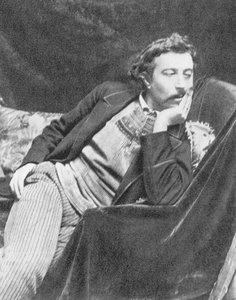
Eugène Henri Paul Gauguin
1848 - 1903 , Frankreich
Kurzinfos
- Artistic Movement Or Style: Post-Impressionismus, Symbolismus
- Artists Or Movements Influenced By This Artist:
- Pablo Picasso
- Henri Matisse
- Artists Who Influenced This Artist: ['Camille Pissarro']
- Date Of Birth: 7. Juni 1848
- Date Of Death: 8. Mai 1903
- Full Name: Eugène Henri Paul Gauguin
- Nationality: Französisch
- Notable Artworks:
- Vahine no te miti
- Manao Tupapau
- Der Tag der Götter
- Place Of Birth: Paris, Frankreich
Ähnliche Artikel
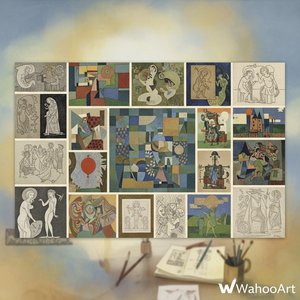
Paul Klee: Die 25 Meisterwerke des Abstrakten – Kunst für Ihr Zuhause | ArtsDot
Entdecken Sie die 25 Meisterwerke von Paul Klee! Tauchen Sie ein in seine abstrakte Welt, voller Expressionismus und Bauhaus-Einflüsse. Hochwertige Kunst für Ihr Zuhause – jetzt bei ArtsDot entdecken!

Paul Cézanne: Die 25 Meisterwerke des Impressionismus | ArtsDot
Entdecken Sie die 25 Meisterwerke von Paul Cézanne! Tauchen Sie ein in die Welt des Impressionismus und Postimpressionismus. Erfahren Sie mehr über seine Stillleben, Landschaften & berühmten Gemälde – jetzt hochwertige Kunstdrucke auf ArtsDot.com.
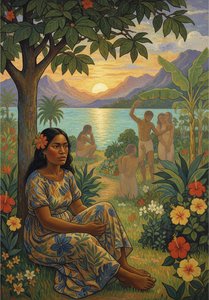
Jenseits des Paradieses: Gauguins Primitivismus, Symbolismus und die Suche nach der menschlichen Existenz
Entdecken Sie Gauguins faszinierende Welt! Analysieren Sie Primitivismus, Symbolismus und seinen Einfluss auf die Kunstgeschichte. Expertenwissen & tiefgründige Betrachtungen.
Paul Klee: Eine Poetik der Form und Farbe – Die Entdeckung des inneren Raums eines modernen Meisters
Entdecken Sie die faszinierende Welt von Paul Klee! Expertenanalyse seiner Kunst, Bauhaus-Einflüsse & einzigartige Bildsprache. Für Sammler und Liebhaber abstrakter Malerei.
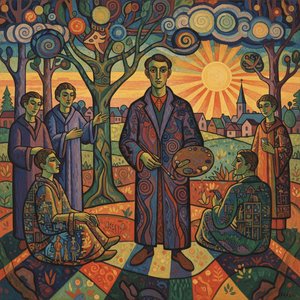
Paul Sérusier: Pionier des Synthetismus und die symbolische Revolution der Nabis
Entdecken Sie Paul Sérusier, den Pionier des Synthetismus und Schlüsselfigur der Nabis-Bewegung! Erfahren Sie mehr über seinen Cloisonnism-Stil, Einflüsse & sein Vermächtnis in der Kunstgeschichte. Jetzt lesen!