 Vorschau anzeigen
 Versenden
 Teilen
 Details anzeigen

 Herunterladen
 Ähnliche Objekte
 Röntgenaufnahme
 Diashow
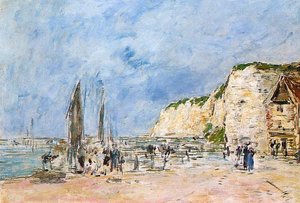
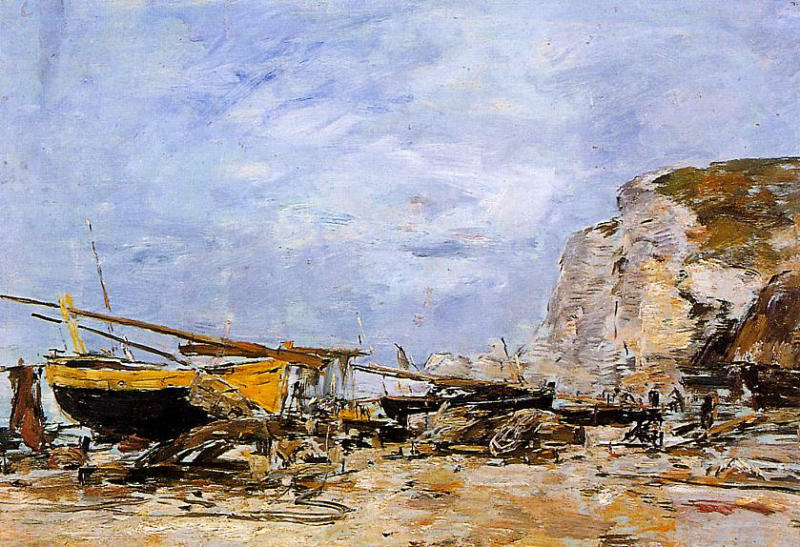
Etretat, Boats Stranded on the Beach


 Weiterlesen
Handgefertigte Ölreproduktion
Handgemaltes Ölgemälde auf Leinwand in Ihrer Wunschgröße und mit Rahmen, auf Bestellung von unseren Künstlern angefertigt. ( Druck bestellen Bild kaufen)




P118B $10

P118H $10

P118W $10

P438Z $10

P508JH $12

P508YH $12

P805H $10

P805Z $10

P919BZ $10

P919G $10

P919XJ $10

P959ZH $10

P968JZ $12

W106C $8

W218G $10

W218JH $8

W218Y $10

W307PJ $10

W316G $10

W316PJ $8

W316Y $10

W398PJ $8

W4111J $10

W500HY $15

W500JH $15

W692G $12

W849H $8

W940BG $15

W953PJ $8




Wählen Sie aus unseren vordefinierten Formaten, die den ursprünglichen Proportionen des Kunstwerks entsprechen.

Sie können Ihre eigenen Maße eingeben, um einen bestimmten Rahmen oder Platz auszufüllen. Wenn die gewählte Größe nicht den Proportionen des Originalbildes entspricht, werden wir das Kunstwerk entweder beschneiden oder das Gemälde durch zusätzliche, handgemalte Elemente erweitern. Ein digitales Mockup wird Ihnen zur Genehmigung zugesandt, bevor die Produktion beginnt.
Bitte beachten Sie, dass die Bildschirmvorschau nicht die tatsächliche Beschneidung oder Erweiterung widerspiegelt. Nur das Mockup zeigt die endgültige Komposition exakt an.
Obwohl Sondermaße verfügbar sind, empfehlen wir, eine Größe aus der vordefinierten Liste zu wählen, um die ursprünglichen Proportionen beizubehalten.
Nach der Bestellung wird das ArtsDot.com-Team dem Kunden Anweisungen per E-Mail zusenden und eine Mockup-Vorschau bereitstellen.
Weltweiter Versand () in nur 3 bis 4 Wochen statt der üblichen 5 Wochen. (21 August). Keine Kompromisse bei der Qualität.

Kostenloser weltweiter Expressversand

Hochwertige Leinenleinwand

Umfassender Versicherungsschutz beim Versand

Zollgebühren-Rückerstattungsgarantie

Garantie für exakte Farbtreue

60 Tage Rückgaberecht (nur bei Mängeln)

100% Geld-zurück-Garantie

Mengenrabatt verfügbar
 Die Glasoption ist nur für Größen unter 110 cm verfügbar.

Etretat, Boats Stranded on the Beach
Art der Reproduktion
Format der Reproduktion
-


Gesamtpreis
$ 263
Beschreibung des Kunstwerks
A Coastal Symphony: Eugène Boudin’s Etretat
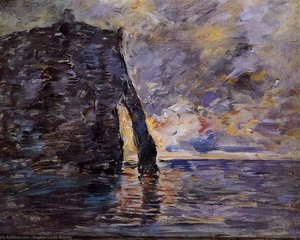
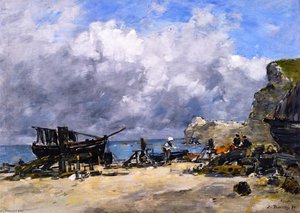
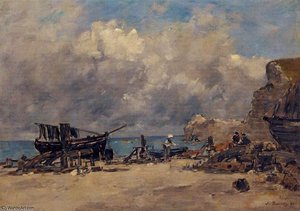
The canvas before you unfolds a quintessential scene of late 19th-century French coastal life – “Etretat, Boats Stranded on the Beach,” painted by Eugène Louis Boudin in 1890. More than just a depiction of a seaside village, this work is a profound meditation on light, atmosphere, and the ephemeral beauty of the natural world. Boudin, a pivotal figure in the transition from academic painting to Impressionism, captures not merely what he *saw*, but rather the fleeting sensations – the salty tang of the air, the shifting hues of the sky, and the restless energy of the sea – that defined his artistic vision.
Boudin’s choice of subject matter is deeply rooted in his personal connection to the region. Etretat, a charming village perched on dramatic chalk cliffs along the Normandy coast, had long been a favorite haunt for the artist. The imposing silhouette of the cliffs, rendered with a subtle yet powerful sense of depth, immediately establishes a commanding presence within the composition. These cliffs aren’t simply geological formations; they are guardians of the scene, framing the drama unfolding on the beach below and anchoring the entire work to its specific location.
Impressionistic Techniques: Light, Color, and Texture
Boudin's mastery lies in his ability to translate these sensory experiences onto canvas using a remarkably fluid and expressive technique. He employs loose, broken brushstrokes – a hallmark of Impressionism – that create a shimmering surface alive with movement. Notice how the paint seems to dance across the canvas, capturing the play of light on water and the shifting textures of sand and rock. The color palette is dominated by cool blues and greens, reflecting the vastness of the sea and sky, punctuated by warmer ochres and browns in the cliffs and boats. These colors aren’t blended smoothly; instead, they are applied in juxtaposed strokes, allowing them to mingle optically and create a vibrant, luminous effect.
The artist's use of *plein air* painting – working directly from nature – is crucial to understanding this work. Boudin spent countless hours observing the coastline, meticulously studying how light transformed the landscape throughout the day. This direct engagement with his subject matter informs every detail, imbuing the scene with a palpable sense of immediacy and authenticity. The slightly flattened perspective, characteristic of Impressionism, further enhances the feeling of being present in this coastal moment.
Symbolic Resonance: Boats, Cliffs, and the Passage of Time
Beyond its purely aesthetic qualities, “Etretat, Boats Stranded” is rich in symbolic meaning. The small boats, clustered on the beach, represent a variety of possibilities – fishermen returning from the sea, travelers seeking respite, or perhaps even the fragility of human endeavors against the relentless power of nature. The cliffs themselves symbolize permanence and resilience, standing as silent witnesses to the ebb and flow of time. The stranded state of the boats evokes a sense of vulnerability and isolation, subtly hinting at the transient nature of life itself.
Furthermore, the painting’s muted palette and atmospheric haze suggest a contemplative mood, inviting viewers to reflect on their own relationship with the natural world. Boudin's work is not simply a record of a specific scene; it’s an invitation to experience the beauty and mystery of the coast through his evocative lens.
A Timeless Masterpiece: Reproduction Possibilities
Reproductions of “Etretat, Boats Stranded on the Beach” offer a remarkable opportunity to bring this iconic Impressionist scene into your home or office. Available in a range of sizes and mediums – from high-quality prints on archival paper to meticulously hand-painted reproductions – these artworks capture the essence of Boudin’s original vision with stunning fidelity. Whether you're an art enthusiast, a collector seeking to enrich your collection, or simply someone looking for a touch of coastal charm, this painting is sure to captivate and inspire.
Ähnliche Kunstwerke
Über den Künstler
Frühes Leben und Karriere
Eugène Louis Boudin wurde am 12. Juli 1824 in Honfleur, Frankreich, geboren. Er war der Sohn eines Hafenlotsen und entwickelte schon früh eine starke Verbundenheit zum Meer. Boudins künstlerische Reise begann mit seiner Tätigkeit auf einem Dampfer zwischen Le Havre und Honfleur im Alter von 10 Jahren.Künstlerischer Einfluss und Stil
Boudins Stil wurde stark von niederländischen Meistern des 17. Jahrhunderts beeinflusst, insbesondere nachdem er Johan Jongkind getroffen hatte, der ihn an das Malen en plein air (im Freien) heranführte. Dieser Ansatz ermöglichte es Boudin, das ständig wechselnde Licht und die Farben der Natur einzufangen. Seine Pastelle, die als zusammenfassend und wirtschaftlich beschrieben werden können, zogen große Aufmerksamkeit von Charles Baudelaire und Corot auf sich, der ihn als den "König der Himmel" bezeichnete.Wichtige Werke und Ausstellungen
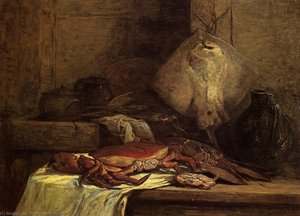
- Stillleben mit Hummer auf weißem Tischtuch (Nature morte au homard sur un nappe blanche), das sich jetzt im High Museum of Art in Atlanta befindet, zeigt Boudins ernsten, aber edlen Ansatz bei Stilllebenmalereien.
- Boudins Teilnahme an der ersten Impressionisten-Ausstellung im Jahr 1873, zusammen mit Claude Monet und anderen jungen Künstlern, festigte seinen Einfluss auf die Kunstwelt.
- Seine Werke sind in verschiedenen Museen zu finden, darunter das Musée d'Orsay in Paris, das mehrere seiner Gemälde beherbergt, wie z.B. Landschaft mit Sonnenuntergang.
Entwicklung und Errungenschaften
Boudin entwickelte sich von einem frühen Interesse an der Darstellung maritimer Szenen zu einem Landschaftsmaler, der die Atmosphäre und das Licht des nordfranzösischen Küstenraums einfing. Er experimentierte mit Pastellfarben und Ölfarben und schuf Werke, die für ihre Leichtigkeit und ihren impressionistischen Charakter bekannt sind. Wichtige Errungenschaften umfassen:- Eine dritte Auszeichnung beim Pariser Salon von 1881.
- Eine Goldmedaille bei der Weltausstellung von 1889.
- Die Ernennung zum Ritter der Légion d'Honneur im Jahr 1892.
Historische Bedeutung und Vermächtnis
Eugène Louis Boudins Vermächtnis geht über seine eigenen Werke hinaus, da er eine entscheidende Rolle bei der Gestaltung der Karrieren junger Künstler wie Claude Monet spielte. Er gilt als einer der wichtigsten Vorläufer des Impressionismus und trug dazu bei, die Kunstwelt von traditionellen akademischen Konventionen zu befreien. Der Eugène Boudin Preis, der von der Société Nationale des Beaux-Arts verliehen wird, ist ein Beweis für seinen bleibenden Einfluss auf die Kunstwelt.- Weitere Werke von Boudin finden Sie unter https://ArtsDot.com/@/eugene-louis-boudin
- Erkunden Sie die Sammlung des Musée d'Orsay, das mehrere Gemälde von Boudin zeigt, unter https://ArtsDot.com/@@/a@d3aulp-discover-the-charm-of-musee-eugene-boudin-(france)-and-its-impressionist-ma..
- Erfahren Sie mehr über französische Kunst und ihre Geschichte unter https://en.wikipedia.org/wiki/french_art
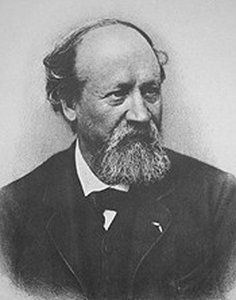
Eugène Louis Boudin
1824 - 1898 , Frankreich
Kurzinfos
- Beeinflusste Künstler:
- Johan Jongkind
- Claude Monet
- Bemerkenswerte Werke:
- Stillleben mit Hummer
- Marina
- Fecamp, der Hafen
- Landschaft bei Sonnenuntergang
- Geburtsdatum: 12. Juli 1824
- Geburtsort: Honfleur, Frankreich
- Künstlerische Bewegung: Impressionismus
- Nationalität: Französisch
- Sterbedatum: 8. August 1898
- Vollständiger Name: Eugène Louis Boudin
- Von Künstlern Beeinflusst: ['Niederländische Meister (17. Jh.)']
Ähnliche Artikel
Impressionistische Landschaften: Die 10 Meisterwerke, die eine Epoche prägten | ArtsDot
Entdecken Sie die 10 Meisterwerke des Impressionismus! Von Monet bis Renoir – erleben Sie die Geschichte, Technik und zeitlose Schönheit ikonischer Landschaftsbilder. Hochwertige Kunstdrucke auf ArtsDot.com. Jetzt entdecken!
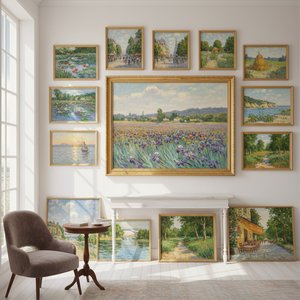
Impressionistische Landschaften: Die 10 Meisterwerke, die eine Kunstrichtung prägten | ArtsDot
Entdecken Sie die 10 Meisterwerke des Impressionismus! Von Monet bis Van Gogh – erleben Sie die Geschichten hinter berühmten Landschaftsbildern. Hochwertige Kunst Reproduktionen für Ihr Zuhause auf ArtsDot.com.

Paul Cézanne: Die 25 Meisterwerke des Impressionismus | ArtsDot
Entdecken Sie die 25 Meisterwerke von Paul Cézanne! Tauchen Sie ein in die Welt des Impressionismus und Postimpressionismus. Erfahren Sie mehr über seine Stillleben, Landschaften & berühmten Gemälde – jetzt hochwertige Kunstdrucke auf ArtsDot.com.

Die schönsten Landschaftsbilder: 10 Meisterwerke für Ihr Zuhause | ArtsDot.com
Entdecken Sie die 10 schönsten Landschaftsbilder der Kunstgeschichte! Von Monet bis Van Gogh – erfahren Sie die Geschichten hinter Meisterwerken & finden Sie Inspiration für Ihr Zuhause. Hochwertige Kunstdrucke auf ArtsDot.com.
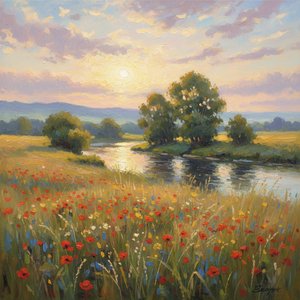
Capturing Fleeting Light: A Comprehensive Exploration of Impressionistic Landscape Painting
Explore the captivating world of Impressionistic landscape painting! Discover techniques, key artists like Monet & Renoir, and its lasting influence on art history. A comprehensive guide for enthusiasts.