 Vorschau anzeigen
 Versenden
 Teilen
 Details anzeigen

 Herunterladen
 Ähnliche Objekte
 Röntgenaufnahme
 Diashow
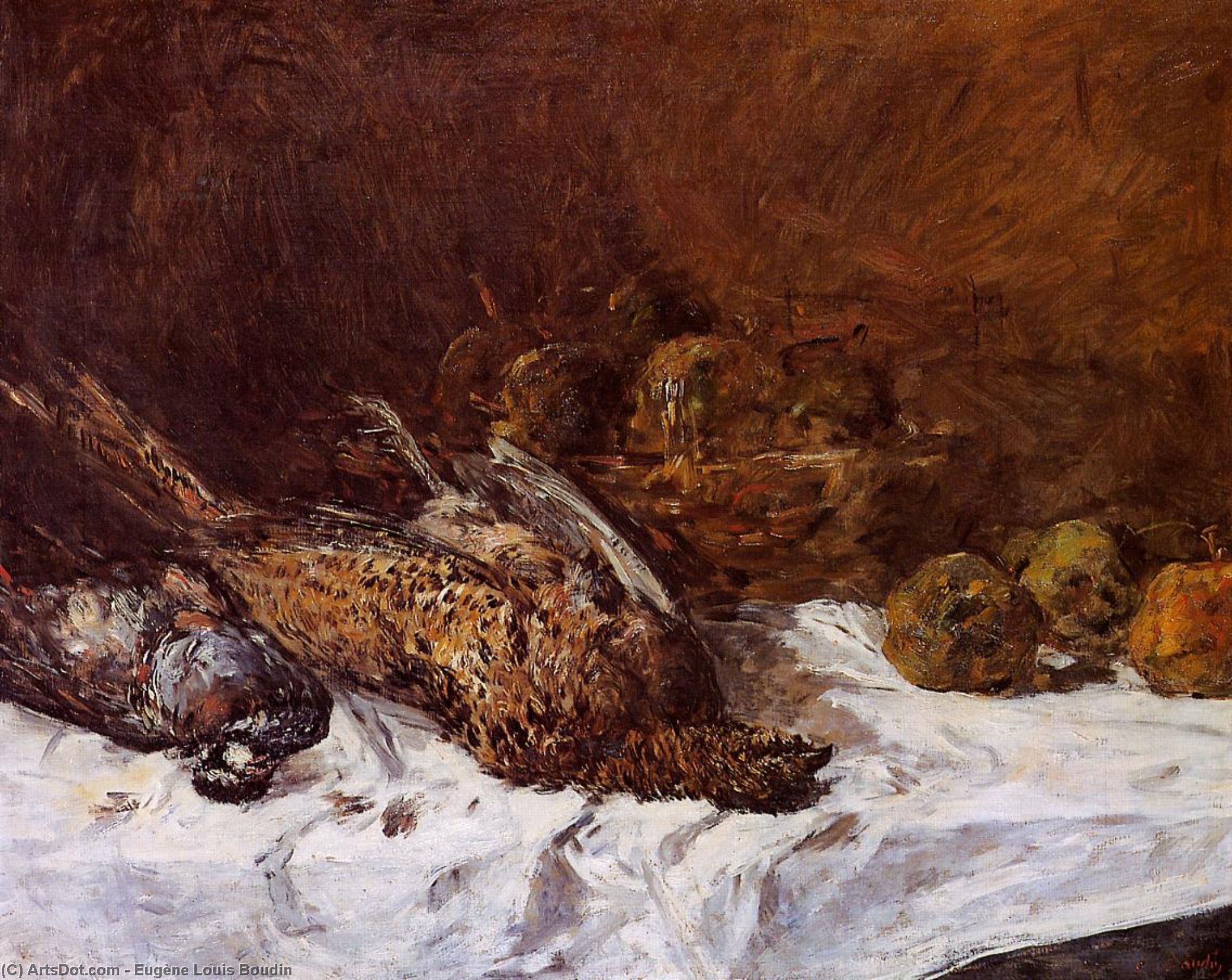
Still Life with Pheasants and a Basket of Apples


 Weiterlesen
Giclée / Kunstdruck
Giclée- oder Leinwanddruck in Museumsqualität mit schneller Produktion und flexiblen Veredelungsoptionen. ( Handgemalte Reproduktion bestellen Bild kaufen)




P118B $10

P118H $10

P118W $10

P438Z $10

P508JH $12

P508YH $12

P805H $10

P805Z $10

P919BZ $10

P919G $10

P919XJ $10

P959ZH $10

P968JZ $12

W106C $8

W218G $10

W218JH $8

W218Y $10

W307PJ $10

W316G $10

W316PJ $8

W316Y $10

W398PJ $8

W4111J $10

W500HY $15

W500JH $15

W692G $12

W849H $8

W940BG $15

W953PJ $8




Wählen Sie aus unseren vordefinierten Formaten, die den ursprünglichen Proportionen des Kunstwerks entsprechen.

Sie können Ihre eigenen Maße eingeben, um ein bestimmtes Format oder einen speziellen Platz einzupassen. Wenn das von Ihnen gewählte Format nicht den Proportionen des Originalbildes entspricht, werden wir das Kunstwerk entweder beschneiden oder das Bild mit einem gespiegelten oder einfarbigen Rand erweitern. Ein digitaler Entwurf wird Ihnen zur Genehmigung zugesandt, bevor die Produktion beginnt.
Bitte beachten Sie, dass die Vorschau auf dem Bildschirm nicht den tatsächlichen Zuschnitt oder die Erweiterung widerspiegelt. Nur der Entwurf zeigt die endgültige Komposition präzise an.
Obwohl Sondermaße verfügbar sind, empfehlen wir die Auswahl eines Maßes aus der vordefinierten Liste, um die ursprünglichen Proportionen zu bewahren.
Weltweiter Versand () innerhalb von 2 Wochen statt der üblichen 4/5 Wochen. (26 August)

Kostenloser weltweiter Expressversand

Hochwertige Leinenleinwand

Umfassender Versicherungsschutz beim Versand

Zollgebühren-Rückerstattungsgarantie

Garantie für exakte Farbtreue

60 Tage Rückgaberecht (nur bei Mängeln)

100% Geld-zurück-Garantie

Mengenrabatt verfügbar
 Die Glasoption ist nur für Größen unter 110 cm verfügbar.

Still Life with Pheasants and a Basket of Apples
Giclée / Kunstdruck
Format der Reproduktion
-


Gesamtpreis
$ 62
Sammlerstück-Beschreibung
Still Life with Pheasants and a Basket of Apples – A Study in Contrasts by Eugène Louis Boudin
Eugène Louis Boudin’s “Still Life with Pheasants and a Basket of Apples,” painted in 1880, is more than just a depiction of fruit and fowl; it's a poignant meditation on the transient nature of life itself. Housed within the Musée Eugène Boudin in France, this oil-on-canvas masterpiece reveals the artist’s masterful ability to translate fleeting moments into enduring visual statements. The scene unfolds with a deliberate tension – a single pheasant lies prone, wings outstretched as if frozen mid-flight, while a vibrant collection of apples spills across the composition, their colors seemingly defiant against the stillness. Boudin's skill isn't merely in rendering form; it’s in capturing an atmosphere, a mood that resonates deeply with the viewer.
A Pioneer of Impressionism: Boudin’s Vision
Boudin stands as a pivotal figure in the development of French landscape painting and, crucially, a precursor to Impressionism. Born in Honfleur in 1824, his upbringing was inextricably linked to the sea – a formative influence that shaped his artistic sensibility. Unlike many artists of his time who sought formal training within rigid academic institutions, Boudin honed his skills through direct observation and tireless experimentation. His early years spent aboard steamboats, sketching the ever-shifting light on the water, instilled in him an acute awareness of color and texture, qualities he would later translate onto canvas with remarkable sensitivity. This work exemplifies his dedication to capturing immediate sensory experience rather than idealized representations.
Composition and Symbolism: The Dance of Life and Death
The painting’s composition is deceptively simple yet profoundly effective. The placement of the deceased pheasant, a symbol often associated with nobility and grace, immediately draws the eye. Its stillness contrasts sharply with the scattered apples – emblems of abundance, fertility, and even mortality. The arrangement isn't random; it suggests a deliberate choreography, a visual dialogue between life and decay. The bowl, partially filled with fruit, adds another layer of complexity, hinting at consumption and the inevitable passage of time. Boudin’s use of color is particularly noteworthy – rich reds, yellows, and greens are juxtaposed against muted browns and grays, amplifying the sense of drama and emotional depth.
Technique and Historical Context
Boudin's technique in “Still Life with Pheasants and a Basket of Apples” is characterized by loose brushstrokes and a focus on capturing light effects. He employed a broken color method, applying small dabs of paint side-by-side rather than blending them smoothly – a hallmark of Impressionist practice. This approach allowed him to create shimmering surfaces that reflected the play of light and shadow. Painted in 1880, this work reflects the burgeoning interest in realism and naturalism within French art circles, while simultaneously anticipating the radical innovations of the Impressionists who would soon revolutionize the field. The painting’s subject matter – a humble still life – was elevated by Boudin's artistic vision, transforming it into a profound statement about the human condition.
A Timeless Masterpiece: Reproduction Possibilities
ArtsDot offers meticulously crafted hand-painted reproductions of “Still Life with Pheasants and a Basket of Apples,” allowing you to bring this iconic artwork into your home or office. Our skilled artisans employ the same techniques as Boudin, ensuring an authentic representation that captures the painting’s original beauty and emotional power. Whether for a grand salon or a smaller study, our reproductions provide a lasting connection to one of France's most significant artistic legacies.
Ähnliche Kunstwerke
Über den Künstler
Frühes Leben und Karriere
Eugène Louis Boudin wurde am 12. Juli 1824 in Honfleur, Frankreich, geboren. Er war der Sohn eines Hafenlotsen und entwickelte schon früh eine starke Verbundenheit zum Meer. Boudins künstlerische Reise begann mit seiner Tätigkeit auf einem Dampfer zwischen Le Havre und Honfleur im Alter von 10 Jahren.Künstlerischer Einfluss und Stil
Boudins Stil wurde stark von niederländischen Meistern des 17. Jahrhunderts beeinflusst, insbesondere nachdem er Johan Jongkind getroffen hatte, der ihn an das Malen en plein air (im Freien) heranführte. Dieser Ansatz ermöglichte es Boudin, das ständig wechselnde Licht und die Farben der Natur einzufangen. Seine Pastelle, die als zusammenfassend und wirtschaftlich beschrieben werden können, zogen große Aufmerksamkeit von Charles Baudelaire und Corot auf sich, der ihn als den "König der Himmel" bezeichnete.Wichtige Werke und Ausstellungen
- Stillleben mit Hummer auf weißem Tischtuch (Nature morte au homard sur un nappe blanche), das sich jetzt im High Museum of Art in Atlanta befindet, zeigt Boudins ernsten, aber edlen Ansatz bei Stilllebenmalereien.
- Boudins Teilnahme an der ersten Impressionisten-Ausstellung im Jahr 1873, zusammen mit Claude Monet und anderen jungen Künstlern, festigte seinen Einfluss auf die Kunstwelt.
- Seine Werke sind in verschiedenen Museen zu finden, darunter das Musée d'Orsay in Paris, das mehrere seiner Gemälde beherbergt, wie z.B. Landschaft mit Sonnenuntergang.
Entwicklung und Errungenschaften
Boudin entwickelte sich von einem frühen Interesse an der Darstellung maritimer Szenen zu einem Landschaftsmaler, der die Atmosphäre und das Licht des nordfranzösischen Küstenraums einfing. Er experimentierte mit Pastellfarben und Ölfarben und schuf Werke, die für ihre Leichtigkeit und ihren impressionistischen Charakter bekannt sind. Wichtige Errungenschaften umfassen:- Eine dritte Auszeichnung beim Pariser Salon von 1881.
- Eine Goldmedaille bei der Weltausstellung von 1889.
- Die Ernennung zum Ritter der Légion d'Honneur im Jahr 1892.
Historische Bedeutung und Vermächtnis
Eugène Louis Boudins Vermächtnis geht über seine eigenen Werke hinaus, da er eine entscheidende Rolle bei der Gestaltung der Karrieren junger Künstler wie Claude Monet spielte. Er gilt als einer der wichtigsten Vorläufer des Impressionismus und trug dazu bei, die Kunstwelt von traditionellen akademischen Konventionen zu befreien. Der Eugène Boudin Preis, der von der Société Nationale des Beaux-Arts verliehen wird, ist ein Beweis für seinen bleibenden Einfluss auf die Kunstwelt.- Weitere Werke von Boudin finden Sie unter https://ArtsDot.com/@/eugene-louis-boudin
- Erkunden Sie die Sammlung des Musée d'Orsay, das mehrere Gemälde von Boudin zeigt, unter https://ArtsDot.com/@@/a@d3aulp-discover-the-charm-of-musee-eugene-boudin-(france)-and-its-impressionist-ma..
- Erfahren Sie mehr über französische Kunst und ihre Geschichte unter https://en.wikipedia.org/wiki/french_art
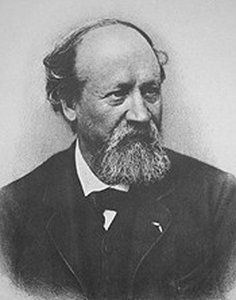
Eugène Louis Boudin
1824 - 1898 , Frankreich
Kurzinfos
- Beeinflusste Künstler:
- Johan Jongkind
- Claude Monet
- Bemerkenswerte Werke:
- Stillleben mit Hummer
- Marina
- Fecamp, der Hafen
- Landschaft bei Sonnenuntergang
- Geburtsdatum: 12. Juli 1824
- Geburtsort: Honfleur, Frankreich
- Künstlerische Bewegung: Impressionismus
- Nationalität: Französisch
- Sterbedatum: 8. August 1898
- Vollständiger Name: Eugène Louis Boudin
- Von Künstlern Beeinflusst: ['Niederländische Meister (17. Jh.)']
Ähnliche Artikel

Paul Cézanne: Die 25 Meisterwerke des Impressionismus | ArtsDot
Entdecken Sie die 25 Meisterwerke von Paul Cézanne! Tauchen Sie ein in die Welt des Impressionismus und Postimpressionismus. Erfahren Sie mehr über seine Stillleben, Landschaften & berühmten Gemälde – jetzt hochwertige Kunstdrucke auf ArtsDot.com.

The Enduring Legacy of Oil on Canvas: Technique, History & Aesthetic Impact
Explore the rich history & techniques of oil painting – from Renaissance masters to Impressionism. Discover pigments, layering methods, and why this timeless medium endures. Expert insights for artists & art enthusiasts.
Eugène Boudin: Der Pionier des Impressionismus und die Kunst des flüchtigen Augenblicks
Entdecken Sie das Leben und Werk von Eugène Boudin, dem Pionier des Impressionismus! Erfahren Sie mehr über seine innovative Pleinair-Malerei, seinen Einfluss auf Claude Monet und die Kunst des flüchtigen Augenblicks. Expertenwissen & hochwertige Reproduktionen bei ArtsDot.
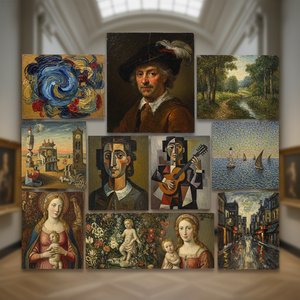
Öl auf Holz: 10 Meisterwerke, die Kunstgeschichte veränderten | ArtsDot.com
Entdecken Sie die 10 legendärsten Gemälde auf Holz! Von Van Gogh bis Monet – erfahren Sie die Geschichten hinter den Meisterwerken des Impressionismus, Expressionismus & mehr. Hochwertige Reproduktionen für Ihr Zuhause finden Sie auf ArtsDot.com.

Öl auf Leinwand: Eine historische und technische Erkundung eines zeitlosen künstlerischen Mediums
Entdecken Sie die faszinierende Welt der Ölmalerei! Von historischen Techniken bis zur modernen Anwendung – wir bieten Expertenwissen, Restaurierungstipps und hochwertige Reproduktionen. Jetzt informieren!