

 Vorschau anzeigen
 Versenden
 Teilen
 Details anzeigen

 Herunterladen
 Ähnliche Objekte
 Röntgenaufnahme
 Diashow
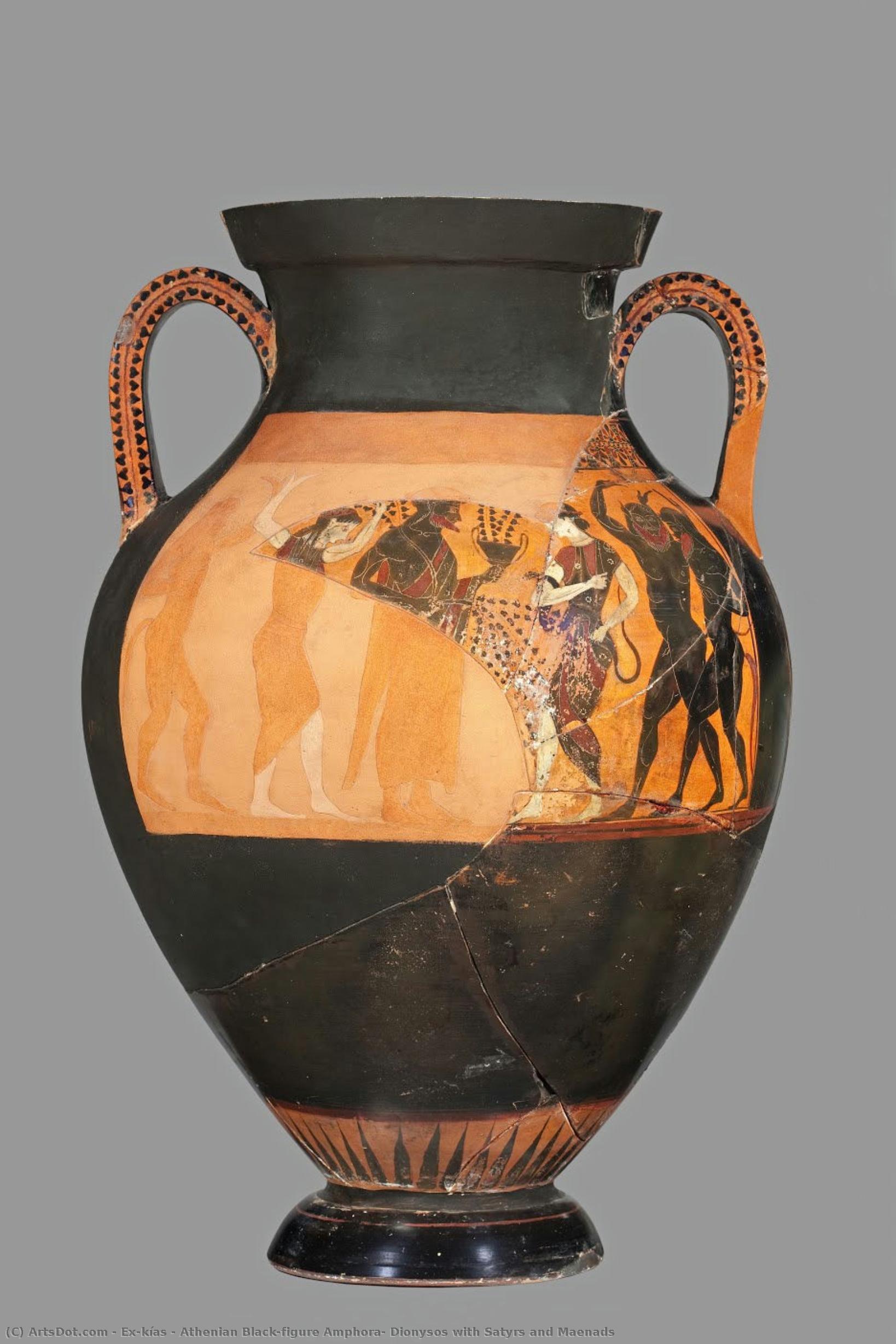
Athenian Black-figure Amphora: Dionysos with Satyrs and Maenads

 Weiterlesen
Handgefertigte Ölreproduktion
Handgemaltes Ölgemälde auf Leinwand in Ihrer Wunschgröße und mit Rahmen, auf Bestellung von unseren Künstlern angefertigt. ( Druck bestellen Bild kaufen)




































Wählen Sie aus unseren vordefinierten Formaten, die den ursprünglichen Proportionen des Kunstwerks entsprechen.

Sie können Ihre eigenen Maße eingeben, um einen bestimmten Rahmen oder Platz auszufüllen. Wenn die gewählte Größe nicht den Proportionen des Originalbildes entspricht, werden wir das Kunstwerk entweder beschneiden oder das Gemälde durch zusätzliche, handgemalte Elemente erweitern. Ein digitales Mockup wird Ihnen zur Genehmigung zugesandt, bevor die Produktion beginnt.
Bitte beachten Sie, dass die Bildschirmvorschau nicht die tatsächliche Beschneidung oder Erweiterung widerspiegelt. Nur das Mockup zeigt die endgültige Komposition exakt an.
Obwohl Sondermaße verfügbar sind, empfehlen wir, eine Größe aus der vordefinierten Liste zu wählen, um die ursprünglichen Proportionen beizubehalten.
Nach der Bestellung wird das ArtsDot.com-Team dem Kunden Anweisungen per E-Mail zusenden und eine Mockup-Vorschau bereitstellen.
Weltweiter Versand () in nur 3 bis 4 Wochen statt der üblichen 5 Wochen. (24 August). Keine Kompromisse bei der Qualität.

Kostenloser weltweiter Expressversand

Hochwertige Leinenleinwand

Umfassender Versicherungsschutz beim Versand

Zollgebühren-Rückerstattungsgarantie

Garantie für exakte Farbtreue

60 Tage Rückgaberecht (nur bei Mängeln)

100% Geld-zurück-Garantie

Mengenrabatt verfügbar
 Die Glasoption ist nur für Größen unter 110 cm verfügbar.

Athenian Black-figure Amphora: Dionysos with Satyrs and Maenads
Art der Reproduktion
Format der Reproduktion
-


Gesamtpreis
$ 263
Beschreibung des Kunstwerks
Ähnliche Kunstwerke








Über den Künstler
The Silent Genius of Athenian Vase Painting
Exekias remains one of the most enigmatic figures in ancient Greek art history, a potter and painter whose mastery of black-figure technique continues to inspire awe centuries later. Born around 545 BC in Athens—a city brimming with artistic innovation during the Archaic Period—he emerged as a pivotal voice within Athenian vase painting circles, shaping the aesthetic sensibilities of his time and establishing himself as arguably the greatest of all Attic vase artists. Despite leaving no written record of his life or personal beliefs, scholars reconstruct his existence through stylistic analysis of his surviving works and corroborating evidence from contemporary sources.A Pioneer of Psychological Depth
What distinguishes Exekias’s oeuvre is not merely technical brilliance—though undeniably impressive—but a profound understanding of human psychology that was remarkably advanced for its era. Unlike many of his contemporaries who focused on depicting mythological narratives with stylized figures, Exekias imbued his scenes with palpable emotion and nuanced characterization. Consider the famed Herakles & Warrior Amphora (circa 540 BC), currently housed in the Getty Museum. The musculature of Herakles is rendered with meticulous detail, yet it’s not merely anatomical accuracy; it conveys a sense of determined effort and unwavering resolve. Similarly, the warrior depicted alongside him exhibits vulnerability beneath his armor—a subtle gesture that speaks volumes about the anxieties inherent in warfare. This psychological realism was achieved through masterful incision techniques – carefully scratched lines etched into the clay surface before firing – which allowed for shading and contouring that surpassed anything seen previously. These incisions weren’t simply decorative; they were a deliberate tool to convey emotion and create depth within the artwork, marking Exekias as a visionary artist who anticipated later developments in portraiture and psychological representation.The Influence of Lysippos and the Rise of Psychological Portraiture
Exekias’s artistic vision profoundly impacted his pupils, notably Lysippos, who is considered one of the foremost sculptors of his time. Lysippos adopted Exekias's approach to portraying human figures with sensitivity and realism, elevating sculpture to new heights of expressive power. This stylistic convergence underscores the interconnectedness of Athenian art forms during the Archaic Period and demonstrates Exekias’s role as a catalyst for artistic evolution. The legacy of Exekias extends beyond his immediate students; he established a precedent for portraying human subjects with psychological depth—a tradition that would flourish throughout Classical Greece and influence subsequent generations of artists. Scholars believe Lysippos's sculptures were heavily influenced by Exekias's meticulous attention to detail and emotional portrayal, furthering the artistic dialogue between pottery and sculpture during this period.Black-Figure Technique: Innovation and Precision
The black-figure technique itself represents an extraordinary feat of artistic ingenuity. Artists like Exekias painstakingly applied a thin layer of glossy slip to the clay surface, then used incised lines to carve out the contours of figures and drapery—creating silhouettes that would emerge in shades of reddish-brown during firing. This method demanded exceptional precision and patience, requiring artists to meticulously plan their compositions and execute each incision with unwavering accuracy. The resulting images possessed a remarkable level of detail and tonal variation, capturing not only the physical appearance but also the emotional state of the depicted subjects. It was a technique that allowed for unparalleled expressive potential—a testament to Exekias’s artistic genius. Researchers have analyzed fragments of vases attributed to Exekias, confirming the complexity of his incision methods and demonstrating how he skillfully manipulated light and shadow to convey psychological nuance.Historical Significance: Shaping Athenian Artistic Identity
Exekias's contribution to Athenian art history is undeniable. He helped solidify black-figure as the dominant decorative style, establishing it as the preferred medium for portraying mythological narratives and heroic deeds. His works exemplify the ideals of beauty and intellectual sophistication that characterized Athenian culture during its golden age—a period marked by flourishing philosophy, literature, and artistic achievement. By prioritizing psychological realism alongside technical virtuosity, Exekias elevated vase painting to a level of artistic excellence rarely matched in antiquity, securing his place as one of the most celebrated artists of the Archaic Period and cementing Athens’s reputation as a beacon of creativity and innovation. His influence can be seen throughout Athenian art production during this era, shaping aesthetic standards and inspiring subsequent generations of artisans.
Exekias
Griechenland
Kurzinfos
- Artistic Movement Or Style: Schwarzfigurtechnik
- Artists Who Influenced This Artist: ['Lysippos']
- Date Of Birth: Um 545 BC geboren
- Date Of Death: Über 525 BC gestorben
- Full Name: exēkías
- Nationality: Griechenland
- Notable Artworks: ['Herakles & Krieger Amphora']
- Place Of Birth: Athènes, Griechenland

