

 Vorschau anzeigen
 Versenden
 Teilen
 Details anzeigen

 Herunterladen
 Ähnliche Objekte
 Röntgenaufnahme
 Diashow
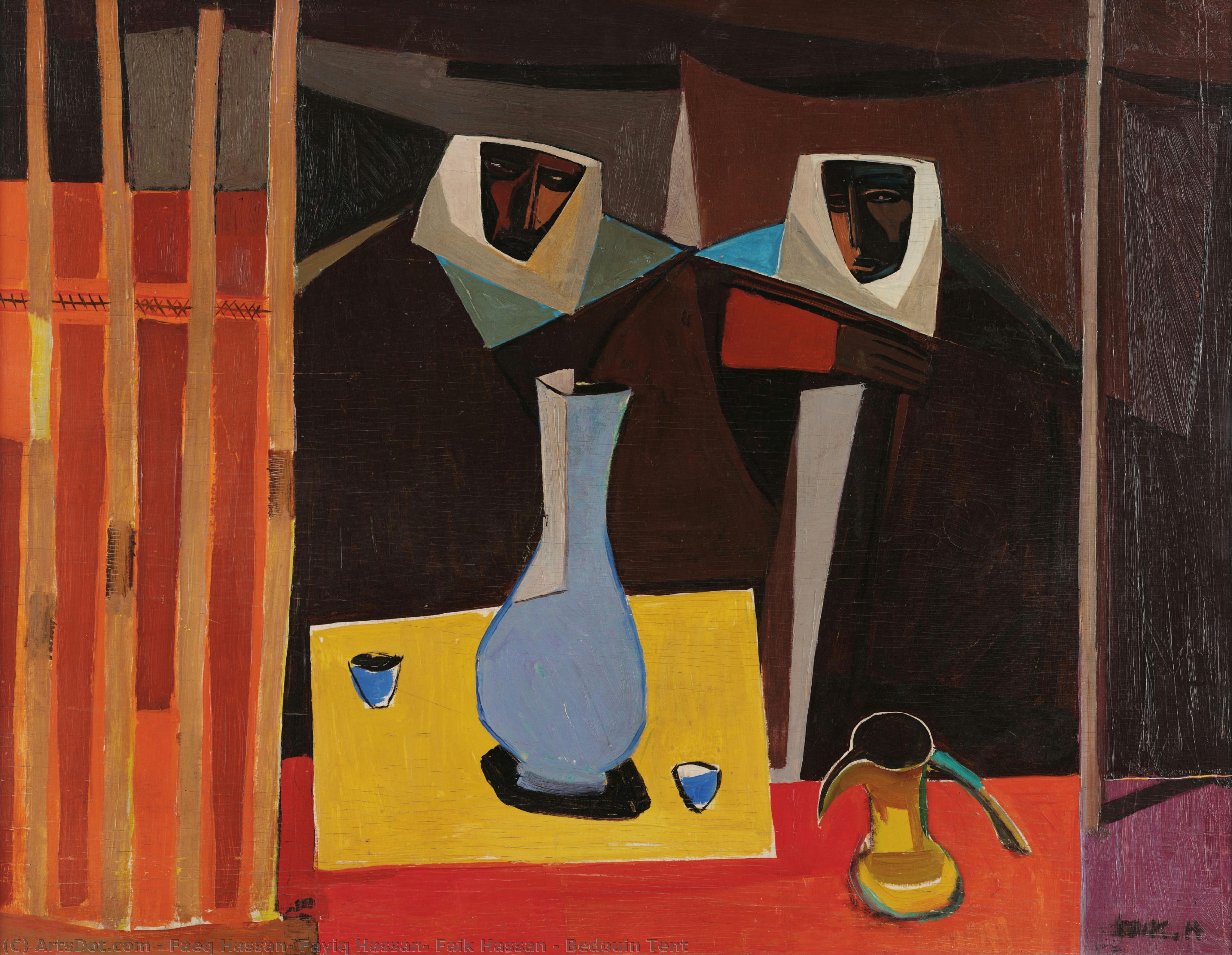
Bedouin Tent
 Oil On Board
- Cubism
 Modern
 58.0 x 74.0 cm
 Barjeel Kunststiftung
 Weiterlesen
Giclée / Kunstdruck
Giclée- oder Leinwanddruck in Museumsqualität mit schneller Produktion und flexiblen Veredelungsoptionen. ( Handgemalte Reproduktion bestellen Bild kaufen)




P118B $10

P118H $10

P118W $10

P438Z $10

P508JH $12

P508YH $12

P805H $10

P805Z $10

P919BZ $10

P919G $10

P919XJ $10

P959ZH $10

P968JZ $12

W106C $8

W218G $10

W218JH $8

W218Y $10

W307PJ $10

W316G $10

W316PJ $8

W316Y $10

W398PJ $8

W4111J $10

W500HY $15

W500JH $15

W692G $12

W849H $8

W940BG $15

W953PJ $8




Wählen Sie aus unseren vordefinierten Formaten, die den ursprünglichen Proportionen des Kunstwerks entsprechen.

Sie können Ihre eigenen Maße eingeben, um ein bestimmtes Format oder einen speziellen Platz einzupassen. Wenn das von Ihnen gewählte Format nicht den Proportionen des Originalbildes entspricht, werden wir das Kunstwerk entweder beschneiden oder das Bild mit einem gespiegelten oder einfarbigen Rand erweitern. Ein digitaler Entwurf wird Ihnen zur Genehmigung zugesandt, bevor die Produktion beginnt.
Bitte beachten Sie, dass die Vorschau auf dem Bildschirm nicht den tatsächlichen Zuschnitt oder die Erweiterung widerspiegelt. Nur der Entwurf zeigt die endgültige Komposition präzise an.
Obwohl Sondermaße verfügbar sind, empfehlen wir die Auswahl eines Maßes aus der vordefinierten Liste, um die ursprünglichen Proportionen zu bewahren.
Weltweiter Versand () innerhalb von 2 Wochen statt der üblichen 4/5 Wochen. (3 September)

Kostenloser weltweiter Expressversand

Hochwertige Leinenleinwand

Umfassender Versicherungsschutz beim Versand

Zollgebühren-Rückerstattungsgarantie

Garantie für exakte Farbtreue

60 Tage Rückgaberecht (nur bei Mängeln)

100% Geld-zurück-Garantie

Mengenrabatt verfügbar
 Die Glasoption ist nur für Größen unter 110 cm verfügbar.

Bedouin Tent
Giclée / Kunstdruck
Format der Reproduktion
-


Gesamtpreis
$ 62
A Window into Iraqi Heritage
In the quiet, fragmented planes of Bedouin Tent, the viewer is invited into an intimate moment of desert life, captured through the masterful lens of Faeq Hassan, the legendary father of Iraqi modern art. This evocative piece transcends a mere depiction of a landscape; it serves as a profound narrative of cultural identity and daily ritual. The scene unfolds within the sheltered embrace of a tent, where figures are nestled amidst the symbols of hospitality. A man and a woman sit upon a wooden bench, their presence anchoring a composition that feels both deeply personal and universally resonant. Scattered around them, the traditional dallah (coffee pot) and finjan (cups) act as silent witnesses to a shared history, suggesting a rhythm of life that has persisted through generations along the banks of the Tigris and Euphrates.
The painting is a masterclass in the application of Cubist-inspired techniques to local subject matter. Hassan, having refined his skills at the École Nationale Supérieure des Beaux-Arts in Paris, does not merely copy European modernism; instead, he deconstructs it to serve an Iraqi soul. The work utilizes a fragmented approach that collapses traditional spatial depth, placing figures and objects onto distinct, overlapping planes. This technique allows the eye to wander through multiple viewpoints simultaneously, creating a sense of multidimensionality. The colors—a sophisticated palette of earthy ochres, warm sands, and muted shadows—work in harmony to evoke the heat and dust of the desert while maintaining a serene, almost meditative atmosphere.
Symbolism and the Modernist Vision
Beyond its aesthetic brilliance, Bedouin Tent is steeped in the symbolism of the Al-Ruwad (The Pioneers) movement. Hassan’s mission was to bridge the gap between ancient Iraqi heritage and the avant-garde movements of the twentieth century. Every element within the frame—from the presence of a watchful dog near the corner to the careful arrangement of vases on a dining table—contributes to a larger tapestry of national pride. The painting celebrates the dignity of the peasant class and the sanctity of communal gathering. By integrating local phenomena into a modern visual language, Hassan transformed the mundane rituals of nomadic life into high art, making the specific history of Iraq accessible to the global stage.
For the discerning collector or interior designer, this artwork offers more than just visual beauty; it provides a sophisticated focal point that commands attention through its intellectual depth and textural richness. A high-quality reproduction of this piece brings a sense of historical gravity and warmth into any contemporary space. The interplay of light and shadow, combined with the rhythmic arrangement of geometric shapes, makes it an ideal centerpiece for those seeking to infuse their surroundings with a sense of worldly elegance and timeless storytelling. To possess such a work is to hold a fragment of the Middle Eastern modernist revolution, a piece that continues to breathe life into the modern home.
Ähnliche Kunstwerke
Über den Künstler
Frühes Leben und Ausbildung
Faeq Hassan, ein renommierter irakischer Maler, wurde 1914 in Bagdad geboren. Sein Lebensweg nahm eine faszinierende Wendung, als er bereits als kleiner Junge ein Pferd zeichnete, was die Aufmerksamkeit von König Faisal I. erregte, der ihm daraufhin ein Stipendium für ein Kunststudium in Europa versprach. Obwohl der König verstarb, bevor er sein Versprechen einlösen konnte, erhielt Faeq Hassan schließlich doch die Chance, an der École Nationale Supérieure des Beaux-Arts in Paris zu studieren, wo er 1938 seinen Abschluss machte.Künstlerische Karriere und die Gründung von Al-Ruwad
Nach seiner Rückkehr nach Bagdad gründete Faeq Hassan gemeinsam mit seinem Freund, dem Künstler und Bildhauer Jawad Saleem die Malereiabteilung am Institut für schöne Künste (1939–1940). Er war zudem der Wegbereiter von Al-Ruwad (der Gruppe der Pioniere), einer entscheidenden Künstlergruppe der 1930er Jahre, deren Präsidentschaft er über viele Jahre innehatte. Das Ziel dieser Bewegung war es, lokale Phänomene in die Kunst zu integrieren und so eine Brücke zwischen dem reichen irakischen Erbe und der modernen Kunst zu schlagen.Bemerkenswerte Kunstwerke und Ausstellungen
- Faeq Hassans Werk zeichnet sich durch eine einzigartige Verschmelzung von traditionellen und modernen Elementen aus, was sein Bestreben widerspiegelt, eine ganz eigene, irakische Kunstform zu erschaffen.
- Einige seiner bedeutendsten Werke können in der Sammlung von ArtsDots Faeq Hassan Kollektion bewundert werden.
- Weitere Informationen über das Leben und Schaffen von Faeq Hassan finden Sie auf der Wikipedia-Seite von Faeq Hassan.
Vermächtnis und Einfluss
Als Vater der modernen irakischen Kunst prägt das Erbe von Faeq Hassan bis heute die irakische Kunstszene. Seine Pionierarbeit bei der Gründung von Al-Ruwad und sein unverwechselbarer künstlerischer Stil haben ihn zu einer gefeierten Gestalt in der Welt der Kunst gemacht.Wichtige künstlerische Bewegungen und Stile
- Al-Ruwad (Die Pioniere): Eine wegweisende Künstlergruppe, gegründet von Faeq Hassan, um die Lücke zwischen irakischer Tradition und moderner Kunst zu schließen.
- Moderne Kunst: Das Werk von Faeq Hassan ist durch die Symbiose aus traditionellen Motiven und modernen Techniken geprägt, was seinen Einsatz für eine eigenständige irakische Ästhetik verdeutlicht.
Fazit
Das bemerkenswerte Leben und die künstlerische Laufbahn von Faeq Hassan haben der Kunstwelt einen unauslöschlichen Eindruck hinterlassen. Als Vater der modernen irakischen Kunst inspiriert sein Vermächtnis Künstler und Kunstliebhaber gleichermaßen. Entdecken Sie ArtsDots Faeq Hassan Kollektion, um mehr über diesen bedeutenden Künstler zu erfahren.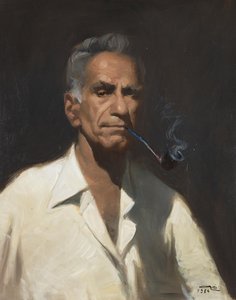
Faeq Hassan
1914 - 1992 , العراق
Kurzinfos
- Artistic Movement Or Style: Cubismus, Impressionismus
- Artists Or Movements Influenced By This Artist: ['Al-Ruwad Gruppe']
- Artists Who Influenced This Artist: ['Pablo Picasso']
- Date Of Birth: 1914 Baghdad Irak
- Full Name: Faeq Hassan
- Nationality: Iraqi
- Notable Artworks:
- Bedouin Tent
- Untitled
- Place Of Birth: Baghdad Irak
Ähnliche Artikel
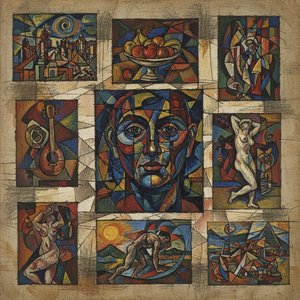
Kubistischer Expressionismus: Die 10 Meisterwerke, die eine Kunstrevolution prägten | ArtsDot
Entdecken Sie die 10 prägendsten Meisterwerke des Kubismus & Expressionismus! Erfahren Sie die Geschichten von Picasso, Braque und mehr. Kunstdrucke in Museumsqualiät für Ihr Zuhause – jetzt auf ArtsDot.com!
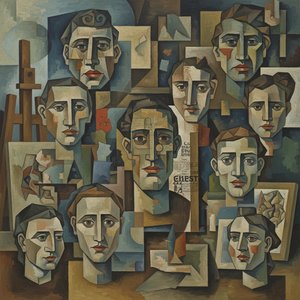
Die 10 Meisterwerke des Kubismus: Revolutionäre Porträts für Ihr Zuhause | ArtsDot
Entdecken Sie die 10 revolutionärsten kubistischen Porträts von Picasso, Braque & Co.! Erfahren Sie die Geschichten hinter Meisterwerken der Moderne und lassen Sie sich für Ihre Wohnraumgestaltung inspirieren. Museum-Qualität bei ArtsDot.
Fragmentierte Perspektiven, Vereinheitlichte Räume: Die Integration Kubismus-inspirierter Kunst in das moderne Villendesign – Eine Anleitung zu ästhetischer Innovation und rechtlichen Aspekten
Entdecken Sie die Integration kubistischer Kunst in luxuriösen Villen! Expertenrat zu Architektur, Materialien & Rechtlichem. Gestalten Sie einzigartige Räume mit ArtsDot.
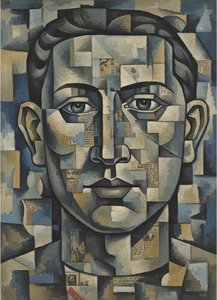
Deconstructing Identity: A Comprehensive Exploration of Cubist Portraiture
Explore the revolutionary world of Cubist portraiture with our comprehensive guide. Discover Picasso, Braque, Gris & the movement's impact on modern art. Expert analysis for collectors and enthusiasts.

Deconstructing Reality: Cubist Expressionism's Aesthetic & Philosophical Foundations
Explore the profound aesthetic & philosophical foundations of Cubist Expressionism. Discover key artists, movements, and lasting influence on modern art history. A guide for discerning collectors.

