 Vorschau anzeigen
 Versenden
 Teilen
 Details anzeigen

 Herunterladen
 Ähnliche Objekte
 Röntgenaufnahme
 Diashow
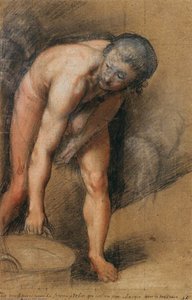
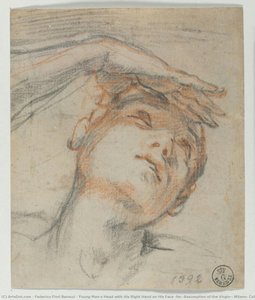
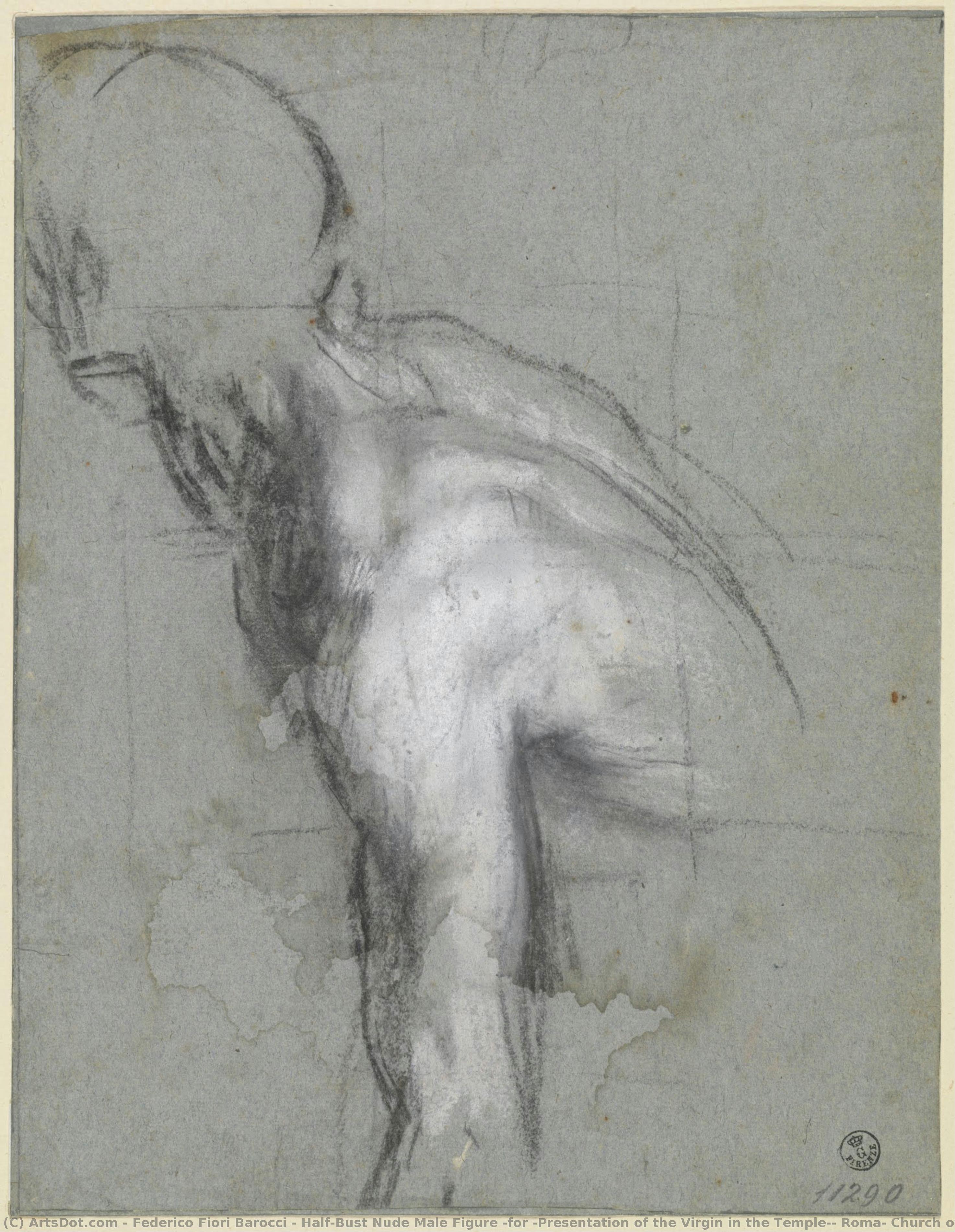
Half-Bust Nude Male Figure (for “Presentation of the Virgin in the Temple”, Roma, Church of Santa Maria in Vallicella)
 Acrylic On Paper
- Baroque Renaissance
 1603
1603 25.0 x 20.0 cm
 Galleria degli Uffizi
 Weiterlesen
Handgefertigte Ölreproduktion
Handgemaltes Ölgemälde auf Leinwand in Ihrer Wunschgröße und mit Rahmen, auf Bestellung von unseren Künstlern angefertigt. ( Druck bestellen Bild kaufen)




P118B $10

P118H $10

P118W $10

P438Z $10

P508JH $12

P508YH $12

P805H $10

P805Z $10

P919BZ $10

P919G $10

P919XJ $10

P959ZH $10

P968JZ $12

W106C $8

W218G $10

W218JH $8

W218Y $10

W307PJ $10

W316G $10

W316PJ $8

W316Y $10

W398PJ $8

W4111J $10

W500HY $15

W500JH $15

W692G $12

W849H $8

W940BG $15

W953PJ $8




Wählen Sie aus unseren vordefinierten Formaten, die den ursprünglichen Proportionen des Kunstwerks entsprechen.

Sie können Ihre eigenen Maße eingeben, um einen bestimmten Rahmen oder Platz auszufüllen. Wenn die gewählte Größe nicht den Proportionen des Originalbildes entspricht, werden wir das Kunstwerk entweder beschneiden oder das Gemälde durch zusätzliche, handgemalte Elemente erweitern. Ein digitales Mockup wird Ihnen zur Genehmigung zugesandt, bevor die Produktion beginnt.
Bitte beachten Sie, dass die Bildschirmvorschau nicht die tatsächliche Beschneidung oder Erweiterung widerspiegelt. Nur das Mockup zeigt die endgültige Komposition exakt an.
Obwohl Sondermaße verfügbar sind, empfehlen wir, eine Größe aus der vordefinierten Liste zu wählen, um die ursprünglichen Proportionen beizubehalten.
Nach der Bestellung wird das ArtsDot.com-Team dem Kunden Anweisungen per E-Mail zusenden und eine Mockup-Vorschau bereitstellen.
Weltweiter Versand () in nur 3 bis 4 Wochen statt der üblichen 5 Wochen. (1 September). Keine Kompromisse bei der Qualität.

Kostenloser weltweiter Expressversand

Hochwertige Leinenleinwand

Umfassender Versicherungsschutz beim Versand

Zollgebühren-Rückerstattungsgarantie

Garantie für exakte Farbtreue

60 Tage Rückgaberecht (nur bei Mängeln)

100% Geld-zurück-Garantie

Mengenrabatt verfügbar
 Die Glasoption ist nur für Größen unter 110 cm verfügbar.

Half-Bust Nude Male Figure (for “Presentation of the Virgin in the Temple”, Roma, Church of Santa Maria in Vallicella)
Art der Reproduktion
Format der Reproduktion
-


Gesamtpreis
$ 263
Federico Barocci’s Anatomical Study: A Glimpse of Spiritual Strength
Federico Fiori Barocci's “Half-Bust Nude Male Figure (for ‘Presentation of the Virgin in the Temple’, Roma, Church of Santa Maria in Vallicella)’” is more than a simple preparatory drawing; it’s a profound meditation on human form and, subtly, on spiritual fortitude. Created in 1603, this work offers a rare window into the meticulous process by which Barocci, a pivotal figure bridging the Renaissance and Baroque eras, approached his celebrated religious scenes. The piece, rendered in delicate pencil on paper – measuring a modest 25 x 20 cm – immediately draws the eye with its stark contrast of light and shadow, a hallmark of the artist’s masterful control over tonal values. It's a study not just of anatomy, but of an ideal: a representation of strength, poised between vulnerability and unwavering resolve.
Barocci’s training under Battista Franco in Urbino instilled within him a deep respect for classical anatomical principles, evident in the remarkably accurate depiction of musculature. The drawing focuses intently on the torso and upper arms, cropped with an intentional intimacy that invites close scrutiny. The artist doesn't shy away from rendering the subtle shifts in flesh tone, the delicate tracery of veins beneath the skin, or the slight undulations of muscle as it flexes and relaxes. This dedication to realism is not merely technical; it’s a deliberate choice to ground the figure in the tangible world, providing a visual anchor for the more ethereal themes explored within the larger “Presentation of the Virgin” composition. The use of varying line weights – from delicate hairlines to bolder strokes defining the shoulders – creates a dynamic surface texture that adds depth and immediacy to the image.
The Baroque Echoes: Influence and Innovation
Barocci’s artistic journey is inextricably linked to the vibrant, transformative atmosphere of Rome in the early 17th century. His time spent within the studio of Taddeo and Federico Zuccari exposed him to the stylistic innovations of Mannerism – a style characterized by elongated forms, complex compositions, and an emphasis on emotional intensity. However, Barocci quickly moved beyond mere imitation, developing his own distinctive voice that foreshadowed the dramatic dynamism of the Baroque period. His work demonstrates a sensitivity to light and shadow reminiscent of Caravaggio, yet tempered with a more refined elegance and a profound understanding of human psychology. The subtle curve of the neck, the relaxed posture of the arms – these details speak volumes about Barocci’s ability to imbue his figures with a sense of quiet dignity.
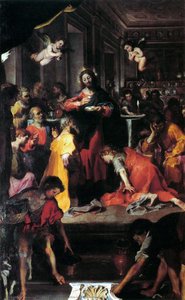
The drawing's context within the “Presentation of the Virgin in the Temple” is crucial to understanding its symbolic weight. The nude male figure, often interpreted as representing Christ or a martyr, embodies not just physical strength but also spiritual resilience. It’s a potent reminder that faith and fortitude are inextricably linked. Barocci’s choice to depict the figure from behind – a common technique in Renaissance art – further enhances this sense of mystery and invites viewers to contemplate the unseen forces at play within the narrative.
Technique and Materials: A Testament to Craftsmanship
The execution of “Half-Bust Nude Male Figure” is a testament to Barocci’s exceptional technical skill. The artist masterfully employs hatching and cross-hatching techniques to build up areas of shadow, creating a convincing illusion of volume and depth. The paper itself – likely a fine vellum – contributes to the drawing's overall quality, providing a smooth surface for the delicate pencil strokes. The limited size of the piece (25 x 20 cm) only serves to heighten its impact, concentrating the viewer’s attention on the intricate details and subtle nuances of the composition.
The use of graphite, applied with precision and control, reveals a deep understanding of materials and their potential. The artist's deliberate layering of lines creates a tactile quality that invites viewers to engage with the drawing on a sensory level. It’s a work that speaks not only to the eye but also to the touch – a reminder of the enduring value of traditional artistic techniques.
A Legacy of Emotion and Form
Federico Barocci's “Half-Bust Nude Male Figure” is a captivating study in human form, imbued with both anatomical precision and profound symbolic meaning. It stands as a pivotal work in the artist’s oeuvre, demonstrating his mastery of technique and foreshadowing the dramatic innovations of the Baroque period. Reproductions of this drawing offer an exceptional opportunity to appreciate Barocci's artistic vision – a testament to the enduring power of art to capture not only the beauty of the human body but also the complexities of the human spirit.
Ähnliche Kunstwerke
Über den Künstler
Frühes Leben und Ausbildung
- Geboren: Urbino, Italien (1535)
- Gestorben: 1612
- Federico Fiori Barocci, ein italienischer Renaissance-Maler und Grafiker, wurde 1535 in Urbino, Italien, geboren.
- Sein ursprünglicher Name war Federico Fiori, und er erhielt den Spitznamen "il Baroccio", was im nordwestitalienischen Dialekt eine zweirädrige Karre bedeutet, die von Ochsen gezogen wird.
- Barocci erhielt seine erste Ausbildung bei seinem Vater, Ambrogio Barocci, einem Bildhauer von örtlicher Bedeutung.
- Anschließend wurde er beim Maler Battista Franco in Urbino ausgebildet. Diese Ausbildung legte den Grundstein für seinen späteren Erfolg.
Künstlerische Karriere und Einflüsse
- Baroccis Werk war hoch angesehen und einflussreich und kündigte den Stil Peter Paul Rubens' an.
- Er arbeitete im renommierten Studio von Taddeo und Federico Zuccari in Rom, wo er verschiedenen künstlerischen Einflüssen ausgesetzt war.
- Seine erste bemerkenswerte Arbeit war eine St. Margarete, die für die Confraternity of the Holy Sacrament geschaffen wurde.
- Er wurde von Papst Pius IV eingeladen, bei der Dekoration des Vatikan Belvedere Palastes in Rom zu helfen, wo er die Jungfrau Maria und das Jesuskind mit mehreren Heiligen sowie eine Decke in Fresko malte, die die Verkündigung darstellten.
- Baroccis Stil war durch eine Mischung aus Manierismus- und Barockelementen gekennzeichnet.
Bemerkenswerte Werke und Vermächtnis
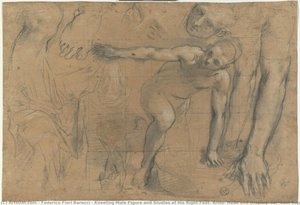
- Fünf Studien einer männlichen Figur und zwei seiner rechten Hand und Arms (Uffizien Galerie, Florenz, Italien) – ein Beweis für Baroccis Geschick im Festhalten der menschlichen Form.
- Kompositionsstudie (für „Beschneidung“, Paris, Musée du Louvre) – demonstriert seine Fähigkeit, Komposition und Emotion in Einklang zu bringen.
- Kopf eines Mannes (für „Rufer des Heiligen Andreas“, Brüssel, Königliche Museen der Schönen Künste von Belgien) – zeigt Baroccis Liebe zum Detail und Ausdruckskraft.
- Die Mariä Geburt (1597 Öl auf Leinwand im Prado).
- Madonna del Popolo (Uffizien Galerie, Florenz, Italien).
- Die Madonna mit der Katze (La Madonna del Gatto)
- Verkündigung (1582)
Entwicklung und Bedeutung
- Obwohl er sich nach einem vermeintlichen Giftanschlag 1563 dauerhaft aus Rom zurückzog und hauptsächlich in Urbino tätig war, entwickelte Barocci seinen Stil weiter.
- Er nutzte neue Zeichentechniken, die es ihm ermöglichten, unorthodoxe malerische Methoden zu entwickeln.
- Seine Werke zeichnen sich durch Wärme des Gefühls und tiefe Spiritualität aus.
Vermächtnis und Rezeption
- Barocci gilt als ein wichtiger Vorläufer des Barockstils und beeinflusste Künstler wie Peter Paul Rubens maßgeblich. Sein Werk steht für den Übergang von Manierismus zum Barock und spiegelt die religiösen und künstlerischen Strömungen der Gegenreformation wider.
- Er war einer der bedeutendsten und individuellsten Maler seiner Zeit in Mittelitalien.
- Baroccis Einfluss ist in den Werken verschiedener Künstler sichtbar, darunter Peter Paul Rubens, der von Baroccis dramatischem und emotionalem Pinselstrich inspiriert wurde. Sein Vermächtnis wird weiterhin gefeiert durch seine zahlreichen Werke, die sich nun in Museen wie der Uffizien Galerie (Florenz, Italien) und dem Musée du Louvre (Paris, Frankreich) befinden.
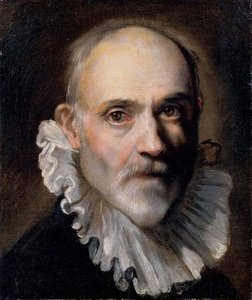
Federico Fiori Barocci
1535 - 1612 , Italien
Kurzinfos
- Beeinflusste Künstler: ['Battista Franco']
- Bemerkenswerte Werke:
- Die Mariä Geburt
- Madonna del Popolo
- Verkündigung
- Geburtsdatum: 1535
- Geburtsort: Urbino, Italien
- Künstlerischer Stil: Renaissance, Barock
- Nationalität: Italiener
- Sterbedatum: 1612
- Vollständiger Name: Federico Fiori Barocci
- Von Künstlern Beeinflusst: ['Peter Paul Rubens']
Ähnliche Artikel
The Eloquent Line: Exploring the Artistic Significance of Sketches Across Movements and Media
Explore the profound artistic significance of sketches throughout history. From Renaissance masters to modern innovators like Van Gogh & Guston, discover how these foundational works reveal technique, emotion, and vision. Learn more at ArtsDot.
Frederick Bridgman: Anatomische Meisterschaft und die Evolution des Figurenzeichens
Entdecken Sie die revolutionäre Anatomie-Lehre von George B. Bridgman! Lernen Sie die Grundlagen der Figurenzeichnung und verbessern Sie Ihre künstlerischen Fähigkeiten mit unseren detaillierten Anleitungen und Übungen.
The Eloquent Form: A Historical & Aesthetic Exploration of the Nude in Art
Explore the captivating history of the nude in art! From ancient Greece to modern masters, discover its evolving symbolism, techniques & enduring beauty. Expert insights for collectors and enthusiasts.
Leonardo da Vinci: Die 25 Meisterwerke für Ihr Zuhause | ArtsDot
Entdecken Sie die 25 Meisterwerke von Leonardo da Vinci! Erfahren Sie faszinierende Geschichten hinter Gemälden wie der Mona Lisa & Das letzte Abendmahl. Hochwertige Reproduktionen für Ihr Zuhause – jetzt bei ArtsDot entdecken!
The Nuances of Graphite: Exploring Emotional Depth & Technical Mastery in Pencil Drawing
Explore the captivating world of graphite drawing! Discover its rich history, master essential techniques like chiaroscuro, and learn how artists evoke emotion through this timeless medium. Expert insights for art enthusiasts.