 Vorschau anzeigen
 Versenden
 Teilen
 Details anzeigen

 Herunterladen
 Ähnliche Objekte
 Röntgenaufnahme
 Diashow
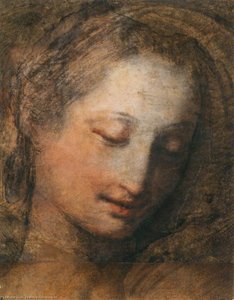
Portrait of a Young Woman
 Oil On Canvas
- WallArt
- Baroque
 1570
1570 45.0 x 33.0 cm
 Galleria degli Uffizi
 Weiterlesen
Giclée / Kunstdruck
Giclée- oder Leinwanddruck in Museumsqualität mit schneller Produktion und flexiblen Veredelungsoptionen. ( Handgemalte Reproduktion bestellen Bild kaufen)




P118B $10

P118H $10

P118W $10

P438Z $10

P508JH $12

P508YH $12

P805H $10

P805Z $10

P919BZ $10

P919G $10

P919XJ $10

P959ZH $10

P968JZ $12

W106C $8

W218G $10

W218JH $8

W218Y $10

W307PJ $10

W316G $10

W316PJ $8

W316Y $10

W398PJ $8

W4111J $10

W500HY $15

W500JH $15

W692G $12

W849H $8

W940BG $15

W953PJ $8




Wählen Sie aus unseren vordefinierten Formaten, die den ursprünglichen Proportionen des Kunstwerks entsprechen.

Sie können Ihre eigenen Maße eingeben, um ein bestimmtes Format oder einen speziellen Platz einzupassen. Wenn das von Ihnen gewählte Format nicht den Proportionen des Originalbildes entspricht, werden wir das Kunstwerk entweder beschneiden oder das Bild mit einem gespiegelten oder einfarbigen Rand erweitern. Ein digitaler Entwurf wird Ihnen zur Genehmigung zugesandt, bevor die Produktion beginnt.
Bitte beachten Sie, dass die Vorschau auf dem Bildschirm nicht den tatsächlichen Zuschnitt oder die Erweiterung widerspiegelt. Nur der Entwurf zeigt die endgültige Komposition präzise an.
Obwohl Sondermaße verfügbar sind, empfehlen wir die Auswahl eines Maßes aus der vordefinierten Liste, um die ursprünglichen Proportionen zu bewahren.
Weltweiter Versand () innerhalb von 2 Wochen statt der üblichen 4/5 Wochen. (3 September)

Kostenloser weltweiter Expressversand

Hochwertige Leinenleinwand

Umfassender Versicherungsschutz beim Versand

Zollgebühren-Rückerstattungsgarantie

Garantie für exakte Farbtreue

60 Tage Rückgaberecht (nur bei Mängeln)

100% Geld-zurück-Garantie

Mengenrabatt verfügbar
 Die Glasoption ist nur für Größen unter 110 cm verfügbar.

Portrait of a Young Woman
Giclée / Kunstdruck
Format der Reproduktion
-


Gesamtpreis
$ 62
Federico Fiori Barocci’s “Portrait of a Young Woman” – A Window into Renaissance Grace
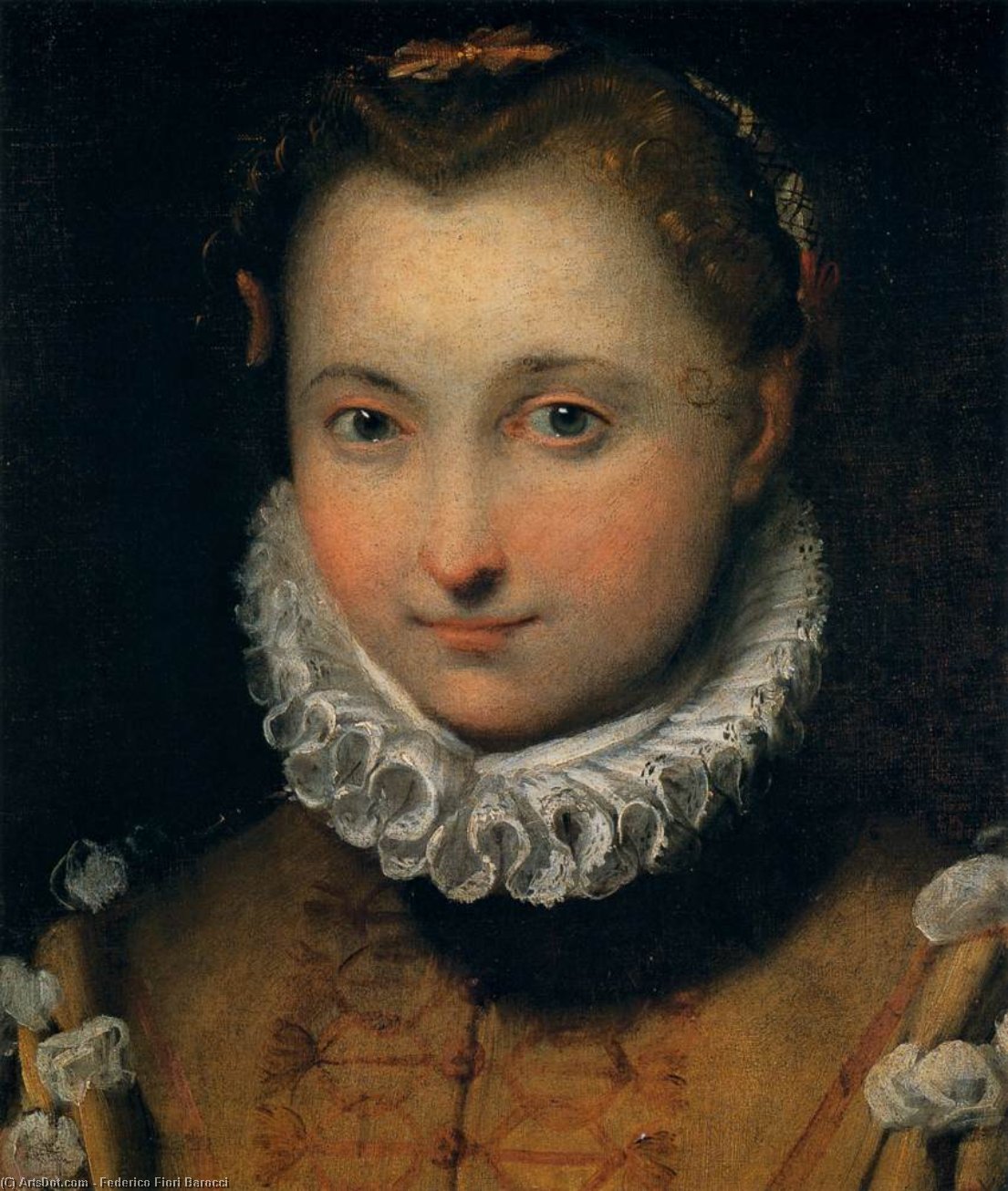
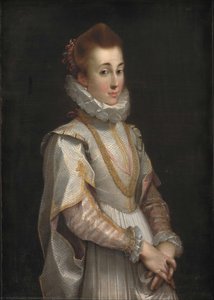
Federico Fiori Barocci, better known as "Il Baroccio," stands as a pivotal figure bridging the elegant formality of the High Renaissance with the burgeoning dynamism of the Baroque. His 1570-75 painting, “Portrait of a Young Woman,” housed within the Galleria degli Uffizi in Florence, is not merely a likeness; it’s a carefully constructed tableau brimming with symbolism and reflecting the artistic currents of its time. The work immediately captivates with its delicate beauty – a young woman presented in profile, her gaze direct and inviting, yet subtly imbued with an air of contemplative serenity.
The painting's style is distinctly Mannerist, inheriting the refined grace and elongated forms characteristic of artists like Pontormo and Bronzino. However, Barocci departs from strict adherence to this style, introducing a softer, more luminous quality that anticipates the Baroque’s emphasis on emotional intensity. Notice the subtle modeling of her face – not sharply defined as in earlier portraiture, but rendered with a delicate blending of tones that creates an almost ethereal effect. The background is deliberately dark, drawing attention entirely to the subject and enhancing the sense of intimacy.
A Medallion of Antiquity: Symbolism and Context
Central to the painting’s visual richness is the cameo medallion she wears around her neck – a meticulously crafted copy of “Nero’s Seal,” an antique carnelian depicting Apollo and Marsyas. This reference to classical antiquity was immensely popular during the Renaissance, signifying intellectual refinement and connection to the wisdom of the ancients. The inclusion of this emblem elevates the portrait beyond a simple likeness, transforming it into a statement of cultural awareness and artistic erudition. The choice of Nero’s Seal is particularly intriguing; Nero himself was a controversial figure, associated with both brilliance and tyranny, adding layers of complexity to the image.
Furthermore, the three “tassels” of hair at her center are often interpreted as stylized flames – a visual metaphor for the passions and desires that the portrait evokes. This interpretation aligns with Renaissance Neoplatonic thought, which sought to reconcile earthly beauty with spiritual ideals. The artist’s subtle manipulation of light and shadow further reinforces this sense of heightened emotion, creating an atmosphere of both allure and mystery.
Technique and Innovation: A Pioneer of Pastel
Barocci's mastery is evident in his innovative use of technique. While primarily employing oil paint, he was a pioneer in the application of pastel – a medium known for its delicate luminosity and ability to capture subtle nuances of color. His preparatory drawings reveal an extraordinary level of detail and experimentation, showcasing his meticulous approach to composition and color. These studies demonstrate not just his artistic skill but also his intellectual curiosity—he meticulously explored light, shadow, and the effects of different pigments.
The painting’s palette is restrained yet sophisticated, dominated by muted earth tones – ochres, siennas, and umbers – that create a harmonious and elegant effect. The use of white highlights adds to the sense of luminosity and emphasizes the contours of her face and clothing. Barocci's ability to achieve such depth and richness with a limited palette is a testament to his exceptional technical skill.
A Timeless Portrait: Emotional Resonance and Legacy
“Portrait of a Young Woman” transcends its historical context, continuing to resonate with viewers today. The subject’s direct gaze invites us into her world, while the painting's subtle symbolism offers layers of interpretation. It is not simply a representation of beauty; it is an exploration of human emotion, cultural references, and artistic innovation. Barocci’s legacy lies in his ability to seamlessly blend Renaissance refinement with Baroque dynamism, creating works that are both intellectually stimulating and emotionally engaging – a testament to the enduring power of art.
Ähnliche Kunstwerke

Über den Künstler
Frühes Leben und Ausbildung
- Geboren: Urbino, Italien (1535)
- Gestorben: 1612
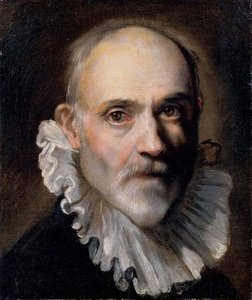
- Federico Fiori Barocci, ein italienischer Renaissance-Maler und Grafiker, wurde 1535 in Urbino, Italien, geboren.
- Sein ursprünglicher Name war Federico Fiori, und er erhielt den Spitznamen "il Baroccio", was im nordwestitalienischen Dialekt eine zweirädrige Karre bedeutet, die von Ochsen gezogen wird.
- Barocci erhielt seine erste Ausbildung bei seinem Vater, Ambrogio Barocci, einem Bildhauer von örtlicher Bedeutung.
- Anschließend wurde er beim Maler Battista Franco in Urbino ausgebildet. Diese Ausbildung legte den Grundstein für seinen späteren Erfolg.
Künstlerische Karriere und Einflüsse
- Baroccis Werk war hoch angesehen und einflussreich und kündigte den Stil Peter Paul Rubens' an.
- Er arbeitete im renommierten Studio von Taddeo und Federico Zuccari in Rom, wo er verschiedenen künstlerischen Einflüssen ausgesetzt war.
- Seine erste bemerkenswerte Arbeit war eine St. Margarete, die für die Confraternity of the Holy Sacrament geschaffen wurde.
- Er wurde von Papst Pius IV eingeladen, bei der Dekoration des Vatikan Belvedere Palastes in Rom zu helfen, wo er die Jungfrau Maria und das Jesuskind mit mehreren Heiligen sowie eine Decke in Fresko malte, die die Verkündigung darstellten.
- Baroccis Stil war durch eine Mischung aus Manierismus- und Barockelementen gekennzeichnet.
Bemerkenswerte Werke und Vermächtnis
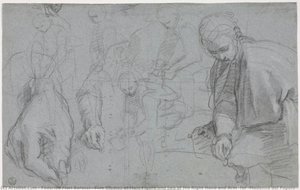
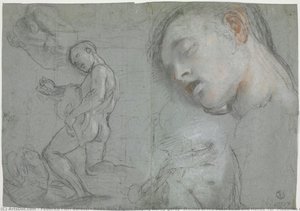
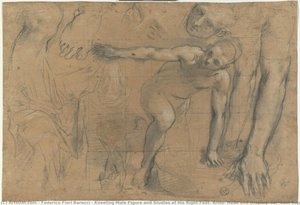
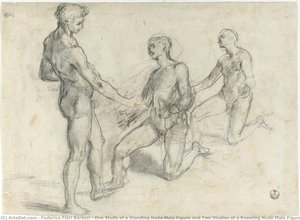
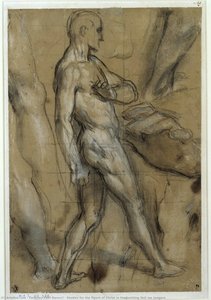
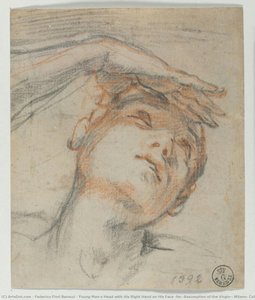
- Fünf Studien einer männlichen Figur und zwei seiner rechten Hand und Arms (Uffizien Galerie, Florenz, Italien) – ein Beweis für Baroccis Geschick im Festhalten der menschlichen Form.
- Kompositionsstudie (für „Beschneidung“, Paris, Musée du Louvre) – demonstriert seine Fähigkeit, Komposition und Emotion in Einklang zu bringen.
- Kopf eines Mannes (für „Rufer des Heiligen Andreas“, Brüssel, Königliche Museen der Schönen Künste von Belgien) – zeigt Baroccis Liebe zum Detail und Ausdruckskraft.
- Die Mariä Geburt (1597 Öl auf Leinwand im Prado).
- Madonna del Popolo (Uffizien Galerie, Florenz, Italien).
- Die Madonna mit der Katze (La Madonna del Gatto)
- Verkündigung (1582)
Entwicklung und Bedeutung
- Obwohl er sich nach einem vermeintlichen Giftanschlag 1563 dauerhaft aus Rom zurückzog und hauptsächlich in Urbino tätig war, entwickelte Barocci seinen Stil weiter.
- Er nutzte neue Zeichentechniken, die es ihm ermöglichten, unorthodoxe malerische Methoden zu entwickeln.
- Seine Werke zeichnen sich durch Wärme des Gefühls und tiefe Spiritualität aus.
Vermächtnis und Rezeption
- Barocci gilt als ein wichtiger Vorläufer des Barockstils und beeinflusste Künstler wie Peter Paul Rubens maßgeblich. Sein Werk steht für den Übergang von Manierismus zum Barock und spiegelt die religiösen und künstlerischen Strömungen der Gegenreformation wider.
- Er war einer der bedeutendsten und individuellsten Maler seiner Zeit in Mittelitalien.
- Baroccis Einfluss ist in den Werken verschiedener Künstler sichtbar, darunter Peter Paul Rubens, der von Baroccis dramatischem und emotionalem Pinselstrich inspiriert wurde. Sein Vermächtnis wird weiterhin gefeiert durch seine zahlreichen Werke, die sich nun in Museen wie der Uffizien Galerie (Florenz, Italien) und dem Musée du Louvre (Paris, Frankreich) befinden.
Federico Fiori Barocci
1535 - 1612 , Italien
Kurzinfos
- Beeinflusste Künstler: ['Battista Franco']
- Bemerkenswerte Werke:
- Die Mariä Geburt
- Madonna del Popolo
- Verkündigung
- Geburtsdatum: 1535
- Geburtsort: Urbino, Italien
- Künstlerischer Stil: Renaissance, Barock
- Nationalität: Italiener
- Sterbedatum: 1612
- Vollständiger Name: Federico Fiori Barocci
- Von Künstlern Beeinflusst: ['Peter Paul Rubens']
Ähnliche Artikel

Barock Meisterwerke: Die 10 prägendsten Kunstwerke für Ihr Zuhause |
Entdecken Sie die 10 prägendsten Meisterwerke des Barock! Caravaggio, Rembrandt & Co. – Erfahren Sie die Geschichten hinter ikonischen Gemälde und finden Sie hochwertige Kunst Reproduktionen für Ihr Zuhause auf .
The Grandeur of Baroque Portraiture: Power, Emotion & Artistic Innovation
Explore the grandeur of Baroque portraiture! Discover Rubens, Van Dyck & the masters of 17th-century art. Uncover symbolism, techniques & lasting influence. Expert insights for collectors and enthusiasts.

Barocke Pracht: Wie Sie Opulenz und Emotionen in zeitgenössische Innenräume bringen
Entdecken Sie die Pracht des Barock! Expertenratgeber für luxuriöse Innenräume mit barocken Elementen. Inspiration, Tipps & hochwertige Kunst bei .

Die 10 Meisterwerke der niederländischen Barockmalerei – Kunst für Ihr Zuhause | ArtsDot
Entdecken Sie die 10 prägendsten Meisterwerke der niederländischen Barockmalerei! Von Rembrandt bis Vermeer – erleben Sie Kunstgeschichte, Techniken & Emotionen. Hochwertige Reproduktionen für Ihr Zuhause auf ArtsDot.com.

The Dramatic Flourish: Exploring the Baroque Movement's Enduring Legacy in Art History
Explore the dramatic world of Baroque art! Discover iconic artists like Caravaggio & Rubens, defining techniques, and its lasting impact on art history. Expert insights for collectors & enthusiasts at ArtsDot.