 Vorschau anzeigen
 Versenden
 Teilen
 Details anzeigen

 Herunterladen
 Ähnliche Objekte
 Röntgenaufnahme
 Diashow
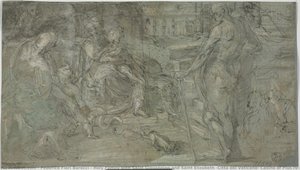
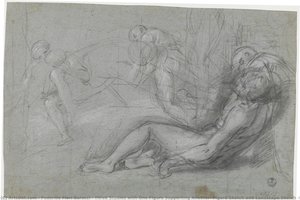
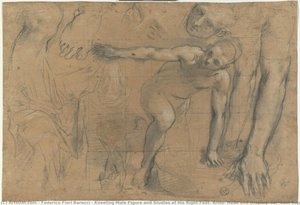
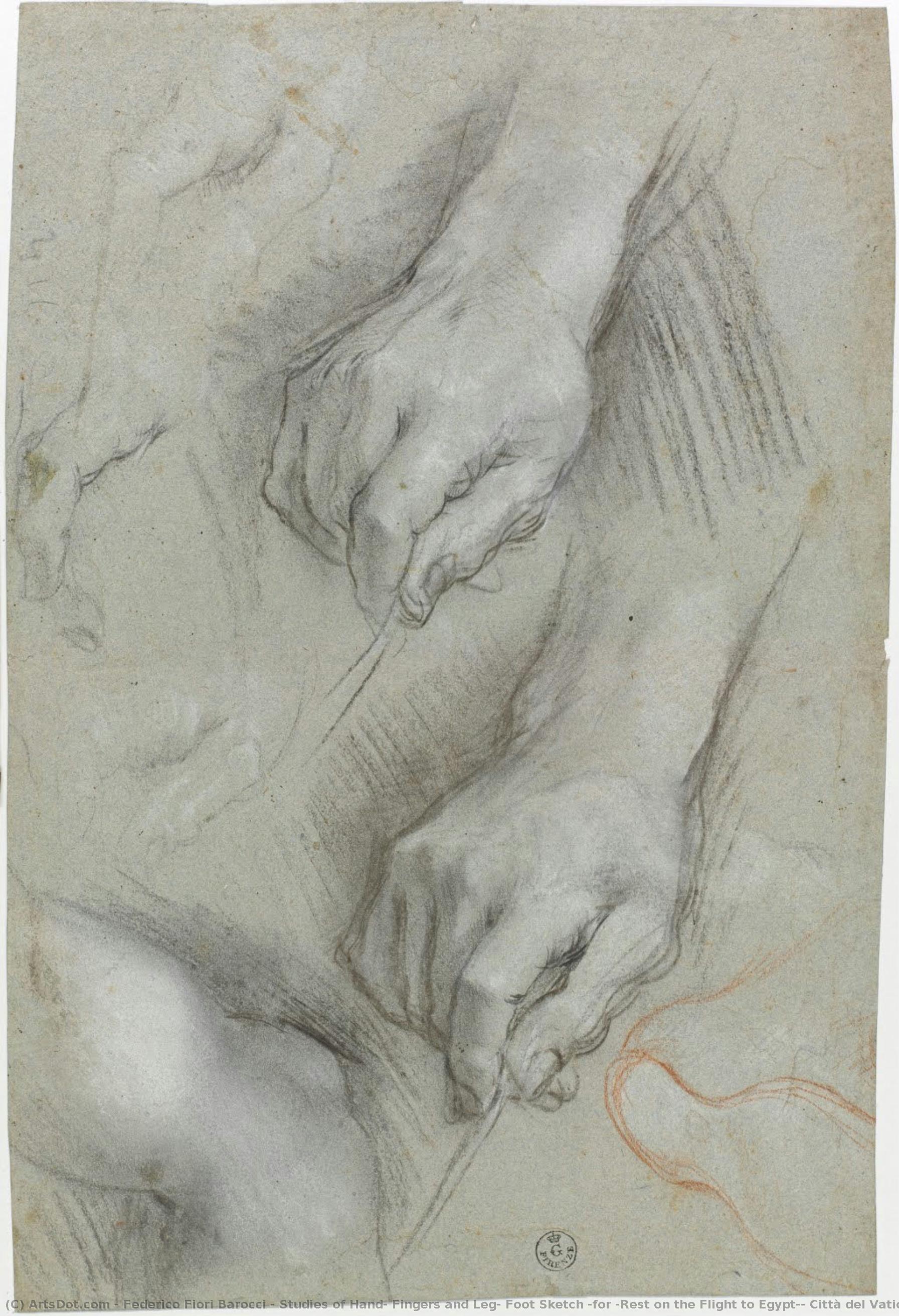
Studies of Hand, Fingers and Leg, Foot Sketch (for “Rest on the Flight to Egypt”, Città del Vaticano, Pinacoteca Vaticana)
 Charcoal
- WallArt
- Renaissance Mannerism
 1573
1573 26.0 x 39.0 cm
 Galleria degli Uffizi
 Weiterlesen
Giclée / Kunstdruck
Giclée- oder Leinwanddruck in Museumsqualität mit schneller Produktion und flexiblen Veredelungsoptionen. ( Handgemalte Reproduktion bestellen Bild kaufen)




P118B $10

P118H $10

P118W $10

P438Z $10

P508JH $12

P508YH $12

P805H $10

P805Z $10

P919BZ $10

P919G $10

P919XJ $10

P959ZH $10

P968JZ $12

W106C $8

W218G $10

W218JH $8

W218Y $10

W307PJ $10

W316G $10

W316PJ $8

W316Y $10

W398PJ $8

W4111J $10

W500HY $15

W500JH $15

W692G $12

W849H $8

W940BG $15

W953PJ $8




Wählen Sie aus unseren vordefinierten Formaten, die den ursprünglichen Proportionen des Kunstwerks entsprechen.

Sie können Ihre eigenen Maße eingeben, um ein bestimmtes Format oder einen speziellen Platz einzupassen. Wenn das von Ihnen gewählte Format nicht den Proportionen des Originalbildes entspricht, werden wir das Kunstwerk entweder beschneiden oder das Bild mit einem gespiegelten oder einfarbigen Rand erweitern. Ein digitaler Entwurf wird Ihnen zur Genehmigung zugesandt, bevor die Produktion beginnt.
Bitte beachten Sie, dass die Vorschau auf dem Bildschirm nicht den tatsächlichen Zuschnitt oder die Erweiterung widerspiegelt. Nur der Entwurf zeigt die endgültige Komposition präzise an.
Obwohl Sondermaße verfügbar sind, empfehlen wir die Auswahl eines Maßes aus der vordefinierten Liste, um die ursprünglichen Proportionen zu bewahren.
Weltweiter Versand () innerhalb von 2 Wochen statt der üblichen 4/5 Wochen. (4 September)

Kostenloser weltweiter Expressversand

Hochwertige Leinenleinwand

Umfassender Versicherungsschutz beim Versand

Zollgebühren-Rückerstattungsgarantie

Garantie für exakte Farbtreue

60 Tage Rückgaberecht (nur bei Mängeln)

100% Geld-zurück-Garantie

Mengenrabatt verfügbar
 Die Glasoption ist nur für Größen unter 110 cm verfügbar.

Studies of Hand, Fingers and Leg, Foot Sketch (for “Rest on the Flight to Egypt”, Città del Vaticano, Pinacoteca Vaticana)
Giclée / Kunstdruck
Format der Reproduktion
-


Gesamtpreis
$ 62
Federico Barocci’s Intimate Study of Gesture – A Renaissance Window
Federico Fiori Barocci's “Studies of Hand, Fingers and Leg, Foot Sketch (for ‘Rest on the Flight to Egypt’),” a remarkably intimate drawing from 1573, offers a rare glimpse into the creative process of one of Italy’s most compelling Renaissance artists. More than simply a preparatory study for the grand fresco that would adorn the Pinacoteca Vaticana, this piece is a profound meditation on human form, movement, and the very act of artistic creation itself. It's a testament to Barocci’s meticulous observation and his masterful command of line – a skill honed through apprenticeships with Battista Franco and exposure to the influential studio of Taddeo and Federico Zuccari in Rome.
The drawing’s power lies not in vibrant color or dramatic composition, but rather in its stark simplicity and intensely focused detail. Dominated by shades of brown, grey, and creamy ivory, the palette is deliberately restrained, prioritizing tonal variation and the subtle nuances of light and shadow over visual spectacle. This deliberate limitation forces the viewer to engage with the drawing on a purely tactile level, appreciating the intricate network of lines that define every curve, contour, and gesture. Hatching and cross-hatching are deployed with astonishing precision, building up volume and suggesting texture – one almost feels the rough surface of the paper beneath the charcoal.
Deconstructing Anatomy: A Study in Movement
At its core, this drawing is a study in anatomy, but not in the rigid, idealized manner often associated with Renaissance art. Barocci isn’t striving for perfect representation; instead, he's dissecting the human form to understand how it moves and interacts. The intertwined hands, holding what appears to be a sheet of parchment, are the undeniable focal point. Their overlapping limbs and gestures – a subtle turn of the wrist, the delicate curve of a finger – speak volumes about intention and action. The leg and foot sketches further emphasize this dynamic quality, hinting at the figures that will populate the larger “Rest on the Flight to Egypt.”
Notice how Barocci doesn’t shy away from imperfections or awkward angles. These are not idealized forms; they are studies of real hands, capturing their inherent vulnerability and the subtle shifts in weight and balance. This approach anticipates the dynamism and emotional intensity that would characterize Barocci's later work – a departure from the static formality of earlier Renaissance styles. The drawing’s composition feels inherently theatrical, as if poised to capture a fleeting moment of interaction or narrative unfolding.
Symbolism and the Act of Creation
Beyond its technical merits, “Studies of Hand, Fingers and Leg, Foot Sketch” is rich in symbolic meaning. The act of holding paper suggests communication, documentation, and perhaps even creative endeavor – mirroring Barocci’s own role as both a painter and a printmaker. Hands, universally understood as instruments of action and expression, become the central metaphor for the entire artistic process. The drawing itself can be interpreted as a visual representation of the artist's mind at work, meticulously mapping out the elements necessary to bring a larger narrative to life.
Furthermore, the limited palette and focus on line work subtly echo the principles of chiaroscuro – the dramatic use of light and shadow – that would become hallmarks of Baroque painting. Barocci’s preparatory studies foreshadowed his later ability to create luminous figures within complex compositions, demonstrating a remarkable artistic foresight. This intimate study offers a unique window into the mind of an artist who profoundly influenced the course of Italian art.
A Reproduction for Collectors and Designers
ArtsDot is proud to offer meticulously hand-painted reproductions of Federico Barocci’s “Studies of Hand, Fingers and Leg, Foot Sketch.” These reproductions capture not only the drawing's exquisite detail but also its inherent atmosphere – a sense of quiet contemplation and artistic intensity. The rich tonal range and nuanced line work are faithfully reproduced using traditional painting techniques, ensuring that this captivating study retains its original power and beauty.
Whether you’re an art collector seeking to expand your Renaissance collection or an interior designer searching for a unique piece to add sophistication and intrigue to a space, this reproduction offers a compelling connection to one of Italy's most celebrated artists. It is more than just a print; it’s a tangible reminder of the creative process itself – a testament to Barocci’s genius and his enduring legacy.
Ähnliche Kunstwerke
Über den Künstler
Frühes Leben und Ausbildung
- Geboren: Urbino, Italien (1535)
- Gestorben: 1612
- Federico Fiori Barocci, ein italienischer Renaissance-Maler und Grafiker, wurde 1535 in Urbino, Italien, geboren.
- Sein ursprünglicher Name war Federico Fiori, und er erhielt den Spitznamen "il Baroccio", was im nordwestitalienischen Dialekt eine zweirädrige Karre bedeutet, die von Ochsen gezogen wird.
- Barocci erhielt seine erste Ausbildung bei seinem Vater, Ambrogio Barocci, einem Bildhauer von örtlicher Bedeutung.
- Anschließend wurde er beim Maler Battista Franco in Urbino ausgebildet. Diese Ausbildung legte den Grundstein für seinen späteren Erfolg.
Künstlerische Karriere und Einflüsse
- Baroccis Werk war hoch angesehen und einflussreich und kündigte den Stil Peter Paul Rubens' an.
- Er arbeitete im renommierten Studio von Taddeo und Federico Zuccari in Rom, wo er verschiedenen künstlerischen Einflüssen ausgesetzt war.
- Seine erste bemerkenswerte Arbeit war eine St. Margarete, die für die Confraternity of the Holy Sacrament geschaffen wurde.
- Er wurde von Papst Pius IV eingeladen, bei der Dekoration des Vatikan Belvedere Palastes in Rom zu helfen, wo er die Jungfrau Maria und das Jesuskind mit mehreren Heiligen sowie eine Decke in Fresko malte, die die Verkündigung darstellten.
- Baroccis Stil war durch eine Mischung aus Manierismus- und Barockelementen gekennzeichnet.
Bemerkenswerte Werke und Vermächtnis
- Fünf Studien einer männlichen Figur und zwei seiner rechten Hand und Arms (Uffizien Galerie, Florenz, Italien) – ein Beweis für Baroccis Geschick im Festhalten der menschlichen Form.
- Kompositionsstudie (für „Beschneidung“, Paris, Musée du Louvre) – demonstriert seine Fähigkeit, Komposition und Emotion in Einklang zu bringen.
- Kopf eines Mannes (für „Rufer des Heiligen Andreas“, Brüssel, Königliche Museen der Schönen Künste von Belgien) – zeigt Baroccis Liebe zum Detail und Ausdruckskraft.
- Die Mariä Geburt (1597 Öl auf Leinwand im Prado).
- Madonna del Popolo (Uffizien Galerie, Florenz, Italien).
- Die Madonna mit der Katze (La Madonna del Gatto)
- Verkündigung (1582)
Entwicklung und Bedeutung
- Obwohl er sich nach einem vermeintlichen Giftanschlag 1563 dauerhaft aus Rom zurückzog und hauptsächlich in Urbino tätig war, entwickelte Barocci seinen Stil weiter.
- Er nutzte neue Zeichentechniken, die es ihm ermöglichten, unorthodoxe malerische Methoden zu entwickeln.
- Seine Werke zeichnen sich durch Wärme des Gefühls und tiefe Spiritualität aus.
Vermächtnis und Rezeption
- Barocci gilt als ein wichtiger Vorläufer des Barockstils und beeinflusste Künstler wie Peter Paul Rubens maßgeblich. Sein Werk steht für den Übergang von Manierismus zum Barock und spiegelt die religiösen und künstlerischen Strömungen der Gegenreformation wider.
- Er war einer der bedeutendsten und individuellsten Maler seiner Zeit in Mittelitalien.
- Baroccis Einfluss ist in den Werken verschiedener Künstler sichtbar, darunter Peter Paul Rubens, der von Baroccis dramatischem und emotionalem Pinselstrich inspiriert wurde. Sein Vermächtnis wird weiterhin gefeiert durch seine zahlreichen Werke, die sich nun in Museen wie der Uffizien Galerie (Florenz, Italien) und dem Musée du Louvre (Paris, Frankreich) befinden.
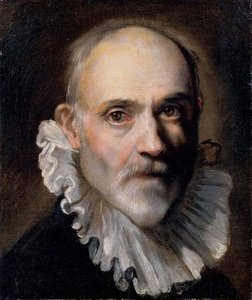
Federico Fiori Barocci
1535 - 1612 , Italien
Kurzinfos
- Beeinflusste Künstler: ['Battista Franco']
- Bemerkenswerte Werke:
- Die Mariä Geburt
- Madonna del Popolo
- Verkündigung
- Geburtsdatum: 1535
- Geburtsort: Urbino, Italien
- Künstlerischer Stil: Renaissance, Barock
- Nationalität: Italiener
- Sterbedatum: 1612
- Vollständiger Name: Federico Fiori Barocci
- Von Künstlern Beeinflusst: ['Peter Paul Rubens']
Ähnliche Artikel
Frederick Bridgman: Anatomische Meisterschaft und die Evolution des Figurenzeichens
Entdecken Sie die revolutionäre Anatomie-Lehre von George B. Bridgman! Lernen Sie die Grundlagen der Figurenzeichnung und verbessern Sie Ihre künstlerischen Fähigkeiten mit unseren detaillierten Anleitungen und Übungen.
Leonardo da Vinci: Die 25 Meisterwerke für Ihr Zuhause | ArtsDot
Entdecken Sie die 25 Meisterwerke von Leonardo da Vinci! Erfahren Sie faszinierende Geschichten hinter Gemälden wie der Mona Lisa & Das letzte Abendmahl. Hochwertige Reproduktionen für Ihr Zuhause – jetzt bei ArtsDot entdecken!
The Nuances of Graphite: Exploring Emotional Depth & Technical Mastery in Pencil Drawing
Explore the captivating world of graphite drawing! Discover its rich history, master essential techniques like chiaroscuro, and learn how artists evoke emotion through this timeless medium. Expert insights for art enthusiasts.
Mannerism: Bridging Renaissance Harmony & Baroque Drama – A Study of Style & Affectation
Explore the fascinating world of Mannerism! Discover its key characteristics, pioneering artists like Pontormo & Bronzino, and its pivotal role in bridging Renaissance harmony to Baroque drama. A comprehensive guide for art enthusiasts.
The Eloquent Body: Anatomy's Enduring Legacy in Art from Renaissance Dissection to Modern Representation
Explore the fascinating history of anatomy in art! From Renaissance dissections to modern masterpieces, discover how artists & scientists collaborated to depict the human form with unprecedented realism. Learn more at ArtsDot.