 Vorschau anzeigen
 Versenden
 Teilen
 Details anzeigen

 Herunterladen
 Ähnliche Objekte
 Röntgenaufnahme
 Diashow
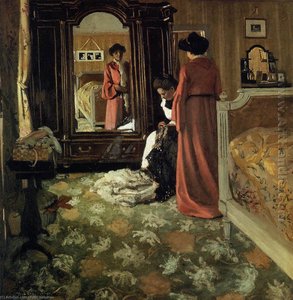
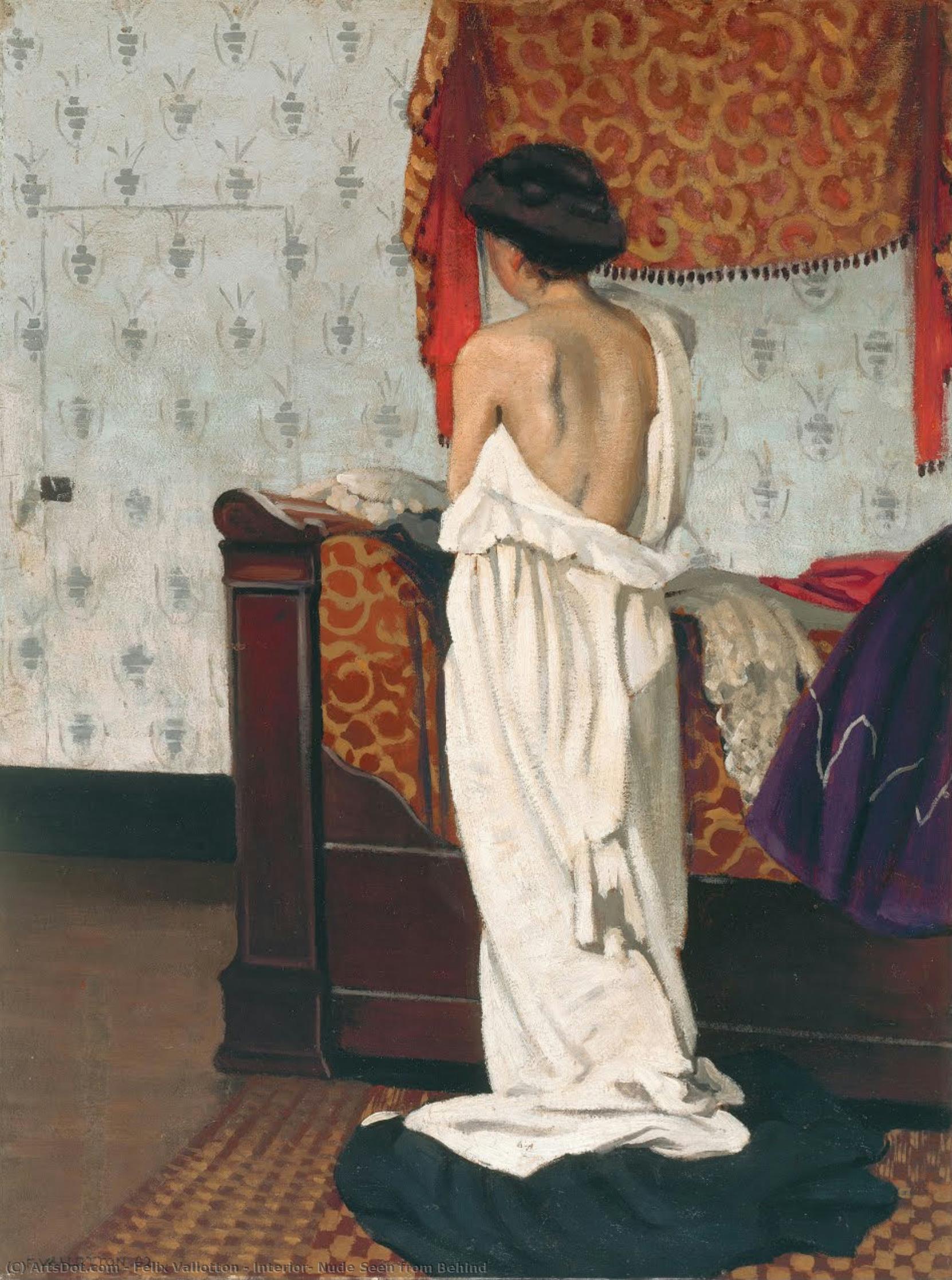
Interior, Nude Seen from Behind
 Acrylic On Canvas
- WallArt
- Post-Impressionism
 1902
1902- 19th Century
 76.0 x 57.0 cm
 Kunsthalle Bremen
 Weiterlesen
Handgefertigte Ölreproduktion
Handgemaltes Ölgemälde auf Leinwand in Ihrer Wunschgröße und mit Rahmen, auf Bestellung von unseren Künstlern angefertigt. ( Druck bestellen Bild kaufen)




P118B $10

P118H $10

P118W $10

P438Z $10

P508JH $12

P508YH $12

P805H $10

P805Z $10

P919BZ $10

P919G $10

P919XJ $10

P959ZH $10

P968JZ $12

W106C $8

W218G $10

W218JH $8

W218Y $10

W307PJ $10

W316G $10

W316PJ $8

W316Y $10

W398PJ $8

W4111J $10

W500HY $15

W500JH $15

W692G $12

W849H $8

W940BG $15

W953PJ $8




Wählen Sie aus unseren vordefinierten Formaten, die den ursprünglichen Proportionen des Kunstwerks entsprechen.

Sie können Ihre eigenen Maße eingeben, um einen bestimmten Rahmen oder Platz auszufüllen. Wenn die gewählte Größe nicht den Proportionen des Originalbildes entspricht, werden wir das Kunstwerk entweder beschneiden oder das Gemälde durch zusätzliche, handgemalte Elemente erweitern. Ein digitales Mockup wird Ihnen zur Genehmigung zugesandt, bevor die Produktion beginnt.
Bitte beachten Sie, dass die Bildschirmvorschau nicht die tatsächliche Beschneidung oder Erweiterung widerspiegelt. Nur das Mockup zeigt die endgültige Komposition exakt an.
Obwohl Sondermaße verfügbar sind, empfehlen wir, eine Größe aus der vordefinierten Liste zu wählen, um die ursprünglichen Proportionen beizubehalten.
Nach der Bestellung wird das ArtsDot.com-Team dem Kunden Anweisungen per E-Mail zusenden und eine Mockup-Vorschau bereitstellen.
Weltweiter Versand () in nur 3 bis 4 Wochen statt der üblichen 5 Wochen. (27 August). Keine Kompromisse bei der Qualität.

Kostenloser weltweiter Expressversand

Hochwertige Leinenleinwand

Umfassender Versicherungsschutz beim Versand

Zollgebühren-Rückerstattungsgarantie

Garantie für exakte Farbtreue

60 Tage Rückgaberecht (nur bei Mängeln)

100% Geld-zurück-Garantie

Mengenrabatt verfügbar
 Die Glasoption ist nur für Größen unter 110 cm verfügbar.

Interior, Nude Seen from Behind
Art der Reproduktion
Format der Reproduktion
-


Gesamtpreis
$ 263
Beschreibung des Kunstwerks
Felix Vallotton’s Interior, Nude Seen From Behind: A Study in Quiet Tension
Félix Vallotton's “Interior, Nude Seen From Behind,” painted in 1902, stands as a cornerstone of Symbolist art and exemplifies Vallotton’s masterful exploration of psychological nuance within the domestic sphere. More than just a depiction of a woman dressing—a motif recurrent throughout Vallotton’s oeuvre—the painting embodies a profound stillness punctuated by subtle gestures that speak volumes about unspoken desires and hidden anxieties. Examining its composition, stylistic choices, and historical significance reveals layers of artistic intention that continue to resonate with viewers today.Composition and Technique: Embracing Minimalism
Vallotton eschewed the flamboyant ornamentation characteristic of Impressionism, opting instead for a strikingly reductive approach. The canvas is dominated by muted earthy tones—warm browns and ochres—creating an atmosphere of subdued warmth despite the inherent vulnerability conveyed by the nude figure. Precise geometric forms define the room’s architecture: a starkly delineated wall serves as backdrop to the woman's posture, emphasizing her isolation within the space. Vallotton’s technique is characterized by broad brushstrokes that build up texture and depth without resorting to excessive detail. This deliberate simplification underscores the artist’s focus on conveying emotion rather than merely representing reality—a hallmark of Symbolist aesthetics. The use of chiaroscuro – dramatic contrasts between light and shadow – subtly sculpts the woman's form, highlighting her contours and intensifying the sense of intimacy.Symbolism and Narrative Depth
The painting’s symbolism transcends its surface appearance. The concealed door—barely visible in the gloom—represents a gateway to an inner world, hinting at clandestine affairs and unresolved emotions. Vallotton deliberately avoids providing explicit narrative cues; instead, he invites contemplation about the woman's psychological state. Her gaze directed towards the door suggests preoccupation and perhaps longing for connection—a yearning that is simultaneously palpable and elusive. The scattered clothing – a deliberate absence of grandeur – symbolizes vulnerability and exposes the woman’s nakedness not just physically but emotionally. Vallotton skillfully utilizes visual metaphors to communicate complex ideas about desire, secrecy, and the anxieties inherent in human relationships.Historical Context: Vallotton's Engagement with Symbolism
Vallotton emerged during a period of artistic experimentation marked by a rejection of academic conventions and an embrace of subjective experience. Influenced by artists like Edvard Munch and Aubrey Beardsley, he aligned himself with Les Nabis—a group committed to exploring the expressive potential of color and form without resorting to illusionistic representation. This stylistic choice reflects broader cultural anxieties surrounding sexuality and domestic life in the fin de siècle – a time characterized by social upheaval and intellectual questioning. Vallotton’s exploration of psychological themes anticipates developments in Expressionism, demonstrating his pioneering role in shaping modern art's trajectory.Emotional Impact: A Portrait of Quiet Contemplation
“Interior, Nude Seen From Behind” transcends mere visual depiction; it evokes a powerful emotional response. The painting captures a moment of profound stillness—a pause before action—that invites viewers to consider the unspoken complexities of human emotion. Vallotton’s masterful use of light and shadow creates an atmosphere of melancholy and introspection, prompting reflection on themes of vulnerability, desire, and hidden longing. It remains a compelling testament to Vallotton's ability to distill profound psychological insight into a deceptively simple visual form—a masterpiece of understated elegance and enduring artistic significance.Ähnliche Kunstwerke
Über den Künstler
Frühes Leben und Ausbildung
Félix Édouard Vallotton, ein schweizerisch-französischer Maler und Grafiker, wurde am 28. Dezember 1865 in Lausanne, Schweiz, geboren. Er besuchte das Collège Cantonal und schloss 1882 mit einem Abschluss in klassischen Studien ab. In diesem Jahr zog er nach Paris, um unter Jules Joseph Lefebvre und Gustave Boulanger an der Académie Julian Kunst zu studieren.Künstlerischer Stil und Einflüsse
Vallottons früheste Gemälde, hauptsächlich Porträts, sind fest im akademischen Tradition verwurzelt. Sein Stil entwickelte sich jedoch bald weiter, beeinflusst vom Postimpressionismus, Symbolismus und insbesondere von japanischem Holzschnitt. Er betonte Umrisse und flache Muster und eliminierte allmähliche Übergänge und Modellierungen, die traditionell durch Schraffur erzeugt wurden.Wichtige Werke
- Intimités (Intimacies), eine Reihe von zehn Innenräumen, die 1898 veröffentlicht wurden und sich mit der Spannung zwischen Männern und Frauen befassen.
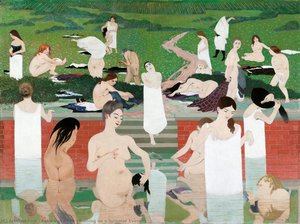
- Badeende an einem Sommerabend (1892–93), jetzt im Kunsthaus Zürich.
- Mondlicht (1895), im Musée d'Orsay.
Verbindung zu den Nabis und späteres Werk
Ab 1892 war Vallotton mit Les Nabis verbunden, einer Gruppe junger Künstler, darunter Pierre Bonnard, Ker-Xavier Roussel, Maurice Denis und Édouard Vuillard. Seine Gemälde spiegelten den Stil seiner Holzschnitte wider, mit flachen Farbflächen, harten Kanten und Vereinfachung von Details.Vermächtnis
Vallottons grafische Kunst erreichte in den späten 1890er Jahren ihren Höhepunkt und wurde in Europa sowie in den Vereinigten Staaten in Zeitschriften und Büchern weit verbreitetet. Sein Einfluss ist in der Arbeit von Edvard Munch, Aubrey Beardsley und Ernst Ludwig Kirchner zu sehen.Wichtige Links: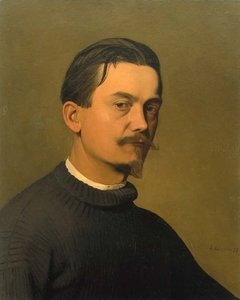
Félix Vallotton
1865 - 1925 , Schweiz
Kurzinfos
- Beeinflusste Künstler:
- Edvard Munch
- Aubrey Beardsley
- Ernst Ludwig Kirchner
- Bemerkenswerte Werke:
- Intimitäten (Intimacies)
- Badeende an einem Sommerabend
- Mondlicht
- Einflussreiche Kunstrichtung: Holbein, Ingres
- Geburtsdatum: 28. Dezember 1865
- Geburtsort: Lannes, Schweiz
- Künstlerische Richtung: Post-Impressionismus, Symbolismus
- Nationalität: Schweizer/Französisch
- Sterbedatum: 29. Dezember 1925
- Vollständiger Name: Félix Vallotton
Ähnliche Artikel
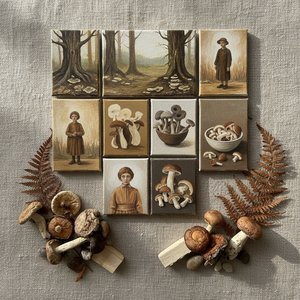
Die Top 10 berühmter Gemälde in Pilztönen – Kunst für Ihr Zuhause |
Entdecken Sie die Top 10 berühmter Gemälde in faszinierenden Pilztönen! Von Van Gogh bis Monet – erleben Sie Kunstgeschichte und lassen Sie sich von warmen Farben inspirieren. Hochwertige Kunstdrucke auf
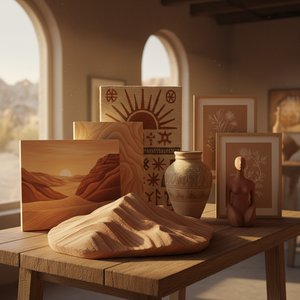
Die Top 10 Gemälde in Sandtönen: Meisterwerke für Ihr Zuhause |
Entdecken Sie die Top 10 Gemälde in faszinierenden Sandtönen! Von Van Gogh bis Monet – erleben Sie Meisterwerke des Impressionismus & mehr. Finden Sie hochwertige Reproduktionen für Ihr Zuhause auf
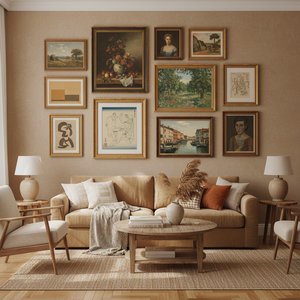
Die Top 10 berühmter Gemälde in warmen Erdtönen – Kunst für Ihr Zuhause |
Entdecken Sie die Top 10 berühmter Gemälde in warmen Erdtönen! Von Rembrandt bis Monet – erleben Sie Meisterwerke des Impressionismus & Realismus. Finden Sie hochwertige Reproduktionen für Ihr Zuhause auf .
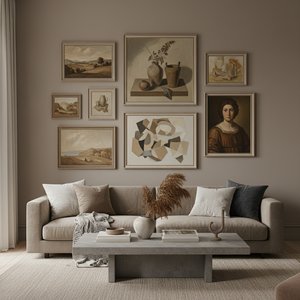
Die Top 10 berühmter Gemälde in Tauptönen – Kunst für Ihr Zuhause |
Entdecken Sie die Top 10 berühmter Gemälde in warmen Tauptönen! Von Klassikern bis zur Moderne – erfahren Sie die Geschichten hinter den Meisterwerken und lassen Sie sich von neutralen Farben inspirieren. Hochwertige Reproduktionen auf .
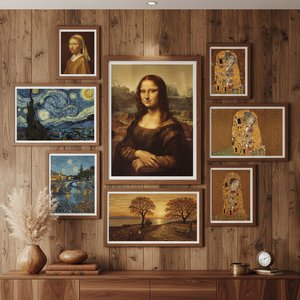
Die Top 10 berühmter Gemälde in Walnusstönen – Kunst für Ihr Zuhause |
Entdecken Sie die Top 10 berühmter Gemälde in warmen Walnusstönen! Von Rembrandt bis Van Gogh – Kunstgeschichte, Techniken & Inspiration für Ihr Zuhause. Hochwertige Reproduktionen auf .