 Vorschau anzeigen
 Versenden
 Teilen
 Details anzeigen

 Herunterladen
 Ähnliche Objekte
 Röntgenaufnahme
 Diashow
The Captain of God's Army Appearing to Joshua


 Weiterlesen
Handgefertigte Ölreproduktion
Handgemaltes Ölgemälde auf Leinwand in Ihrer Wunschgröße und mit Rahmen, auf Bestellung von unseren Künstlern angefertigt. ( Druck bestellen Bild kaufen)




P118B $10

P118H $10

P118W $10

P438Z $10

P508JH $12

P508YH $12

P805H $10

P805Z $10

P919BZ $10

P919G $10

P919XJ $10

P959ZH $10

P968JZ $12

W106C $8

W218G $10

W218JH $8

W218Y $10

W307PJ $10

W316G $10

W316PJ $8

W316Y $10

W398PJ $8

W4111J $10

W500HY $15

W500JH $15

W692G $12

W849H $8

W940BG $15

W953PJ $8




Wählen Sie aus unseren vordefinierten Formaten, die den ursprünglichen Proportionen des Kunstwerks entsprechen.

Sie können Ihre eigenen Maße eingeben, um einen bestimmten Rahmen oder Platz auszufüllen. Wenn die gewählte Größe nicht den Proportionen des Originalbildes entspricht, werden wir das Kunstwerk entweder beschneiden oder das Gemälde durch zusätzliche, handgemalte Elemente erweitern. Ein digitales Mockup wird Ihnen zur Genehmigung zugesandt, bevor die Produktion beginnt.
Bitte beachten Sie, dass die Bildschirmvorschau nicht die tatsächliche Beschneidung oder Erweiterung widerspiegelt. Nur das Mockup zeigt die endgültige Komposition exakt an.
Obwohl Sondermaße verfügbar sind, empfehlen wir, eine Größe aus der vordefinierten Liste zu wählen, um die ursprünglichen Proportionen beizubehalten.
Nach der Bestellung wird das ArtsDot.com-Team dem Kunden Anweisungen per E-Mail zusenden und eine Mockup-Vorschau bereitstellen.
Weltweiter Versand () in nur 3 bis 4 Wochen statt der üblichen 5 Wochen. (2 September). Keine Kompromisse bei der Qualität.

Kostenloser weltweiter Expressversand

Hochwertige Leinenleinwand

Umfassender Versicherungsschutz beim Versand

Zollgebühren-Rückerstattungsgarantie

Garantie für exakte Farbtreue

60 Tage Rückgaberecht (nur bei Mängeln)

100% Geld-zurück-Garantie

Mengenrabatt verfügbar
 Die Glasoption ist nur für Größen unter 110 cm verfügbar.

The Captain of God's Army Appearing to Joshua
Art der Reproduktion
Format der Reproduktion
-


Gesamtpreis
$ 263
A Dramatic Encounter: Ferdinand Bol's Biblical Vision
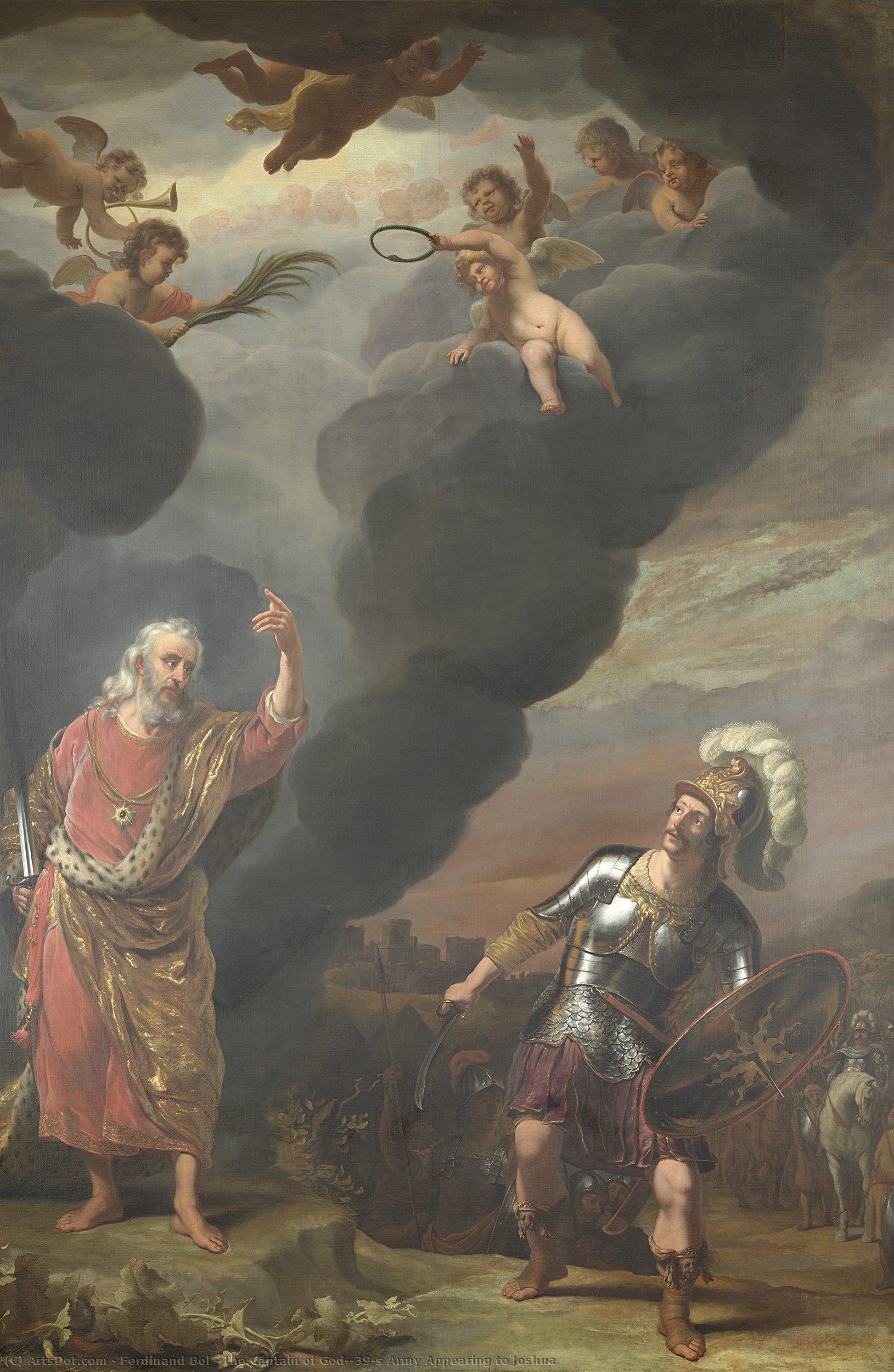
Ferdinand Bol’s “The Captain of God’s Army Appearing to Joshua” is not merely a depiction of a biblical narrative; it’s a profound exploration of faith, leadership, and divine intervention rendered with the dramatic intensity characteristic of the Baroque period. Painted in 1669, this oil-on-canvas work transcends its religious subject matter to become a compelling study in light, shadow, and human emotion – a testament to Bol's skill as a student of Rembrandt and his own burgeoning artistic voice. The painting captures a pivotal moment from Joshua’s story (Joshua 5:13-15), where the Israelite leader receives guidance from an enigmatic figure believed to be the Captain of God’s Army, a celestial messenger preparing them for the conquest of Jericho.
(Image from Artvee)
Baroque Drama and the Power of Light
Bol masterfully employs the hallmarks of Baroque painting – a heightened sense of drama, dynamic composition, and an almost theatrical use of light and shadow. The scene unfolds within a richly detailed landscape, dominated by rolling hills under a turbulent sky pregnant with dark clouds, suggesting impending battle or a momentous event. This atmospheric backdrop serves to amplify the spiritual significance of the encounter. Bol’s technique is characterized by meticulous brushwork, creating a palpable sense of texture in the fabrics, armor, and even the swirling clouds above. The use of chiaroscuro – the dramatic contrast between light and dark – directs the viewer's eye towards the central figures, emphasizing their expressions of awe and reverence.
Figures of Faith and Authority
The composition is anchored by two primary figures: on the left stands a bearded man in a vibrant red robe adorned with gold trim, gesturing emphatically toward the right. This figure, widely interpreted as the Captain of God’s Army, exudes authority and divine presence. His posture and gesture command attention, drawing the viewer into the scene. Opposite him kneels Joshua, depicted in full armor and helmet, his face tilted upwards in a pose of profound humility and supplication. The subtle details – the furrowed brow, the intense gaze – convey a deep sense of emotion and vulnerability. Scattered throughout the heavens are angels or cherubs, holding trumpets, books, and scrolls—symbols of divine communication and prophecy, further reinforcing the painting’s sacred narrative.
Symbolism and Historical Context
Beyond its biblical subject matter, “The Captain of God’s Army Appearing to Joshua” offers a glimpse into the cultural and intellectual climate of 17th-century Holland. Bol's work reflects the influence of Rembrandt, particularly his ability to imbue religious subjects with psychological depth and emotional resonance. The painting also speaks to the broader themes of faith, leadership, and the relationship between humanity and the divine—topics that were central to artistic and philosophical discourse during this period. Interestingly, Bol’s connection to Rembrandt was so strong that many of his works were initially attributed to the master, highlighting the challenges of discerning individual styles within the Dutch Golden Age. The painting's location in the Rijksmuseum, Amsterdam, underscores its significance as a key example of Dutch Baroque art.
A Timeless Masterpiece – Reproduction Options
ArtsDot offers meticulously crafted hand-painted reproductions of Ferdinand Bol’s “The Captain of God’s Army Appearing to Joshua,” allowing you to bring this dramatic and evocative masterpiece into your home or office. Our skilled artists replicate the painting's rich colors, intricate details, and masterful use of light with exceptional accuracy. Choose from a range of sizes and canvas materials to suit your individual taste and décor. Experience the power and beauty of this iconic work of art – a timeless testament to human faith and divine guidance.
Ähnliche Kunstwerke
Über den Künstler
Das Leben und Wirken Ferdinand Bols
Ferdinand Bol, geboren am 24. Juni 1616 in Dordrecht, war ein niederländischer Maler, Radierer und Zeichner der Zeit des Barock. Sein Werk ist stark von Rembrandt beeinflusst, bei dem er lernte und dessen Stil er lange nachahmte. Er gilt als einer der bedeutendsten Vertreter der holländischen Malerei des 17. Jahrhunderts.
Frühe Jahre und Ausbildung
Bol entstammte einer Familie aus Dordrecht. Seine ersten künstlerischen Anregungen erhielt er vermutlich von Jacob Gerritsz. Cuyp, einem angesehenen Maler seiner Heimatstadt. Um 1635 zog er nach Amsterdam, wo er in die Werkstatt von Rembrandt van Rijn eintrat und dort bis etwa 1641 als Assistent arbeitete. Diese Zeit prägte seinen Stil entscheidend. Er übernahm Rembrandts Technik des Chiaroscuro (Hell-Dunkel-Kontraste) und seine expressive Pinselführung.
Künstlerische Entwicklung und Hauptwerke
Nach seiner Zeit bei Rembrandt etablierte sich Bol als freischaffender Künstler in Amsterdam. Sein Werk umfasst vor allem Porträts, historische Szenen und Genrebilder. Zu seinen bedeutendsten Werken zählen:
- Der Friedensschluss zwischen Claudius Civilis und Quintus Petillius Cerialis auf der zerstörten Brücke: Ein Gemälde, das seine Meisterschaft in historischen Darstellungen demonstriert.
- Selbstporträts: Bol schuf mehrere Selbstporträts, die Aufschluss über sein äußeres Erscheinungsbild und seinen künstlerischen Werdegang geben.
- Porträts von Bürgern und Regenten: Er malte zahlreiche Porträts wohlhabender Bürger und einflussreicher Regenten, die einen wichtigen Teil seines Schaffens ausmachen.
Besonders hervorzuheben sind auch seine Radierungen, die in Rembrandts Manier gestaltet sind. Einige seiner frühen Radierungen wurden fälschlicherweise Rembrandt zugeschrieben, da sie dem Stil seines Meisters so ähnlich waren.
Einflüsse und Bedeutung
Ferdinand Bol stand im Schatten Rembrandts, dessen Schüler er war und dessen Stil er lange nachahmte. Dennoch entwickelte er einen eigenen künstlerischen Ausdruck, der sich durch eine feine Beobachtungsgabe, eine präzise Darstellung und eine harmonische Farbgebung auszeichnet. Er trug zur Weiterentwicklung der holländischen Porträtmalerei bei und hinterließ ein bedeutendes Werk, das bis heute geschätzt wird.
Späte Jahre und Vermächtnis
Bol heiratete zweimal und erlangte durch seine zweite Ehe mit einer wohlhabenden Witwe beträchtlichen Reichtum. In seinen späteren Jahren zog er sich zunehmend aus der Kunstwelt zurück und widmete sich sozialen Aufgaben, unter anderem als Verwalter eines Leprosenhauses. Ferdinand Bol starb am 24. August 1680 in Amsterdam. Sein Werk findet sich heute in bedeutenden Museen und Sammlungen weltweit.
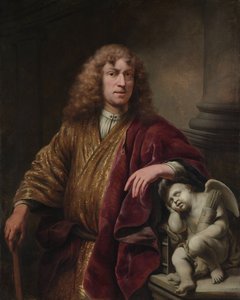
Ferdinand Bol
1616 - 1680 , Niederlande
Kurzinfos
- Bemerkenswerte Werke:
- Der Frieden zwischen Claudius Civilis
- Pyhrrhus zeigt seinen Elefanten
- Mann mit goldenem Helm (Mars)
- Regenten der Weinhändler-Gilde
- Geburtsdatum: 24. Juni 1616
- Geburtsort: Dordrecht, Niederlande
- Künstler, Die Diesen Künstler Beeinflussten:
- Rembrandt van Rijn
- Jacob Gerritsz. Cuyp
- Abraham Bloemaert
- Künstlerische Bewegung: Barockmalerei
- Nationalität: Niederländisch
- Todatum: 24. August 1680
- Vollständiger Name: Ferdinand Bol
- Von Diesem Künstler Beeinflusste Künstler: ['Godfrey Kneller']
Ähnliche Artikel
Ferdinand Bol (1616-1680): A Dutch Master of Portraiture & Dramatic Light
Explore the captivating world of Ferdinand Bol (1616-1680), a master Dutch portraitist deeply influenced by Rembrandt. Discover his life, style, and enduring legacy with ArtsDot.

Barock Meisterwerke: Die 10 prägendsten Kunstwerke für Ihr Zuhause |
Entdecken Sie die 10 prägendsten Meisterwerke des Barock! Caravaggio, Rembrandt & Co. – Erfahren Sie die Geschichten hinter ikonischen Gemälde und finden Sie hochwertige Kunst Reproduktionen für Ihr Zuhause auf .

The Dramatic Flourish: Exploring the Baroque Movement's Enduring Legacy in Art History
Explore the dramatic world of Baroque art! Discover iconic artists like Caravaggio & Rubens, defining techniques, and its lasting impact on art history. Expert insights for collectors & enthusiasts at ArtsDot.

Barocke Pracht: Wie Sie Opulenz und Emotionen in zeitgenössische Innenräume bringen
Entdecken Sie die Pracht des Barock! Expertenratgeber für luxuriöse Innenräume mit barocken Elementen. Inspiration, Tipps & hochwertige Kunst bei .

The Visceral Stage: Exploring Dramatic Narratives & Emotional Intensity in Baroque Art
Explore the dramatic world of Baroque art! Discover iconic masters like Caravaggio & Rembrandt, their techniques, and the movement's lasting impact. Expert insights for collectors & enthusiasts at ArtsDot.