 Vorschau anzeigen
 Versenden
 Teilen
 Details anzeigen

 Herunterladen
 Ähnliche Objekte
 Röntgenaufnahme
 Diashow
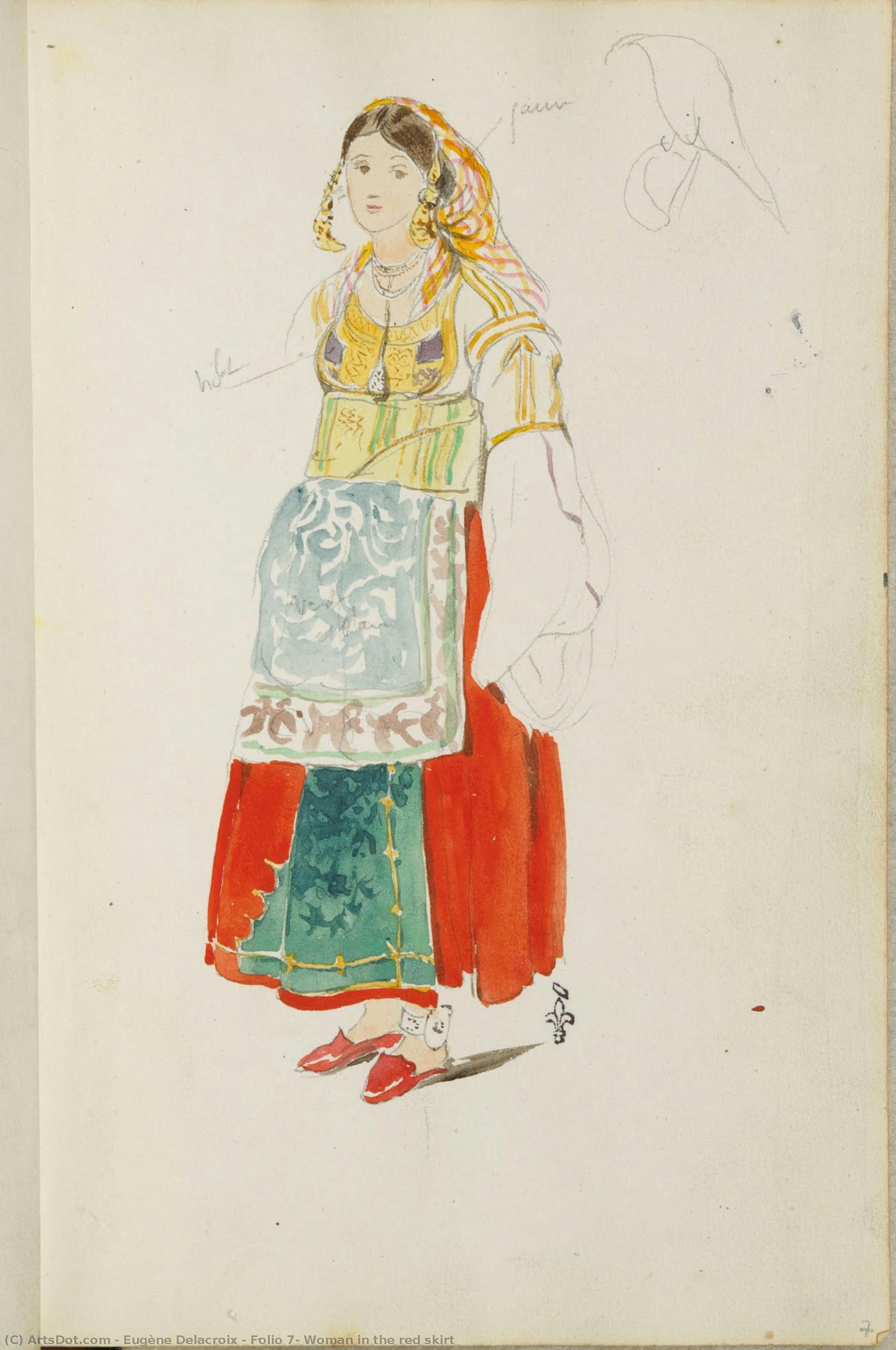
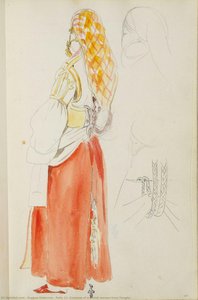
Folio 7, Woman in the red skirt


 Weiterlesen
Giclée / Kunstdruck
Giclée- oder Leinwanddruck in Museumsqualität mit schneller Produktion und flexiblen Veredelungsoptionen. ( Handgemalte Reproduktion bestellen Bild kaufen)




P118B $10

P118H $10

P118W $10

P438Z $10

P508JH $12

P508YH $12

P805H $10

P805Z $10

P919BZ $10

P919G $10

P919XJ $10

P959ZH $10

P968JZ $12

W106C $8

W218G $10

W218JH $8

W218Y $10

W307PJ $10

W316G $10

W316PJ $8

W316Y $10

W398PJ $8

W4111J $10

W500HY $15

W500JH $15

W692G $12

W849H $8

W940BG $15

W953PJ $8




Wählen Sie aus unseren vordefinierten Formaten, die den ursprünglichen Proportionen des Kunstwerks entsprechen.

Sie können Ihre eigenen Maße eingeben, um ein bestimmtes Format oder einen speziellen Platz einzupassen. Wenn das von Ihnen gewählte Format nicht den Proportionen des Originalbildes entspricht, werden wir das Kunstwerk entweder beschneiden oder das Bild mit einem gespiegelten oder einfarbigen Rand erweitern. Ein digitaler Entwurf wird Ihnen zur Genehmigung zugesandt, bevor die Produktion beginnt.
Bitte beachten Sie, dass die Vorschau auf dem Bildschirm nicht den tatsächlichen Zuschnitt oder die Erweiterung widerspiegelt. Nur der Entwurf zeigt die endgültige Komposition präzise an.
Obwohl Sondermaße verfügbar sind, empfehlen wir die Auswahl eines Maßes aus der vordefinierten Liste, um die ursprünglichen Proportionen zu bewahren.
Weltweiter Versand () innerhalb von 2 Wochen statt der üblichen 4/5 Wochen. (27 August)

Kostenloser weltweiter Expressversand

Hochwertige Leinenleinwand

Umfassender Versicherungsschutz beim Versand

Zollgebühren-Rückerstattungsgarantie

Garantie für exakte Farbtreue

60 Tage Rückgaberecht (nur bei Mängeln)

100% Geld-zurück-Garantie

Mengenrabatt verfügbar
 Die Glasoption ist nur für Größen unter 110 cm verfügbar.

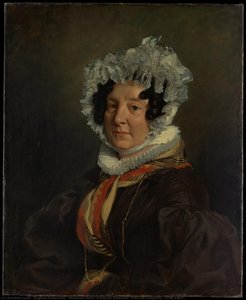
Folio 7, Woman in the red skirt
Giclée / Kunstdruck
Format der Reproduktion
-


Gesamtpreis
$ 62
Sammlerstück-Beschreibung
A Study in Romantic Intensity: Delacroix’s “Folio 7, Woman in the Red Skirt”
Ferdinand Victor Eugène Delacroix's "Folio 7, Woman in the Red Skirt," painted in 1832, is more than just a portrait; it’s a vibrant distillation of Romanticism’s core tenets – passion, drama, and an intense engagement with the world. This captivating work, now meticulously reproduced by ArtsDot.com, offers a glimpse into the artist's evolving style and his fascination with both classical influences and the burgeoning spirit of modern France. The painting immediately commands attention with its bold color palette and dynamic composition, drawing the viewer into a scene brimming with subtle yet powerful emotions.
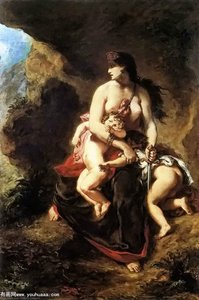
The subject herself is enigmatic. A woman, draped in a striking crimson skirt that dominates the lower portion of the canvas, stands poised before a perched bird – a detail often interpreted as representing both freedom and observation. Her gaze is direct, almost challenging, while her posture suggests a quiet contemplation. The head dress, adorned with feathers and intricate details, adds to the overall sense of exoticism and theatricality, echoing the artist’s travels in North Africa, which profoundly influenced his artistic vision. Delacroix was deeply moved by the vibrant colors and textures he encountered during those expeditions, and this painting is a testament to that inspiration.
Technique and Composition: A Masterclass in Romantic Color
Delacroix’s technique is characterized by loose brushstrokes and an emphasis on capturing fleeting moments of light and shadow. He employed a layering method, building up the image with thin washes of color applied over previous layers – a hallmark of his style. The use of *sfumato*, a subtle blurring of lines and edges, creates a sense of atmospheric depth and contributes to the painting’s overall dreamlike quality. Notably, he departs from the rigid academic traditions of the time, favoring expressive brushwork that prioritizes emotional impact over precise representation. The red skirt is rendered with an almost luminous intensity, contrasting sharply with the darker tones of the background and highlighting the woman's presence within the scene.
The composition itself is carefully constructed to draw the eye through the painting. The diagonal line created by the woman’s body leads the viewer’s gaze towards the bird, establishing a visual connection between the subject and her symbolic companion. Delacroix masterfully utilizes light and shadow to create a sense of drama and intrigue, emphasizing the textures of the fabric and the details of the woman's attire. The background is deliberately vague, allowing the viewer’s imagination to fill in the gaps and adding to the painting’s overall mystery.
Historical Context and Romantic Ideals
"Folio 7, Woman in the Red Skirt" was created during a period of significant social and political upheaval in France. The July Revolution of 1830 had recently overthrown Charles X, ushering in a new era of constitutional monarchy. Delacroix, like many artists of his time, felt compelled to engage with these turbulent events through his art. While not explicitly depicting the revolution itself, the painting embodies the Romantic ideals of liberty, passion, and individual expression – values that resonated deeply with the French public.
The Romantic movement rejected the Enlightenment’s emphasis on reason and logic in favor of emotion, imagination, and intuition. Delacroix's work exemplifies this shift, prioritizing subjective experience over objective reality. The painting’s vibrant colors, dramatic lighting, and emotionally charged subject matter all contribute to its powerful impact, reflecting the era’s fascination with both beauty and turmoil.
Symbolism and Emotional Resonance
Beyond its aesthetic qualities, “Folio 7, Woman in the Red Skirt” is rich in symbolism. The red skirt, a color traditionally associated with passion, power, and sacrifice, suggests a woman of strength and determination. The bird, often interpreted as a symbol of freedom and observation, hints at a deeper understanding of the world around her. The overall mood of the painting is one of quiet intensity – a sense that something significant is about to unfold.
Reproductions by ArtsDot.com capture the essence of Delacroix’s original vision with remarkable fidelity, allowing art lovers and collectors alike to experience the emotional power of this iconic work. Whether adorning a grand salon or adding a touch of dramatic flair to a contemporary space, “Folio 7, Woman in the Red Skirt” remains a timeless testament to the enduring legacy of Romanticism.
Ähnliche Kunstwerke
Über den Künstler
Ein Pionier der Romantik: Eugène Delacroix
Eugène Delacroix gilt als eine der prägendsten Figuren der französischen Romantik und wurde von Anfang an für seine Führungsrolle innerhalb dieser künstlerischen Bewegung gefeiert. Geboren 1798 in Chantonnay, Frankreich, fand er seinen künstlerischen Weg durch die Beschäftigung mit den Werken großer Meister wie Rubens und den Malern der venezianischen Renaissance – wobei Farbe und Bewegung eine zentrale Rolle spielten und Klarheit von Konturen sowie sorgfältige Modellierung zugunsten eines dynamischen Ausdrucks vernachlässigt wurden. Diese Philosophie prägte sein gesamtes künstlerisches Leben und beeinflusste nachfolgende Generationen von Künstlern nachhaltig.- Frühe Jahre und Ausbildung: Delacroix erhielt eine umfassende künstlerische Ausbildung am École Royale Supérieure des Beaux-Arts in Paris, wo er sich intensiv mit klassischen Formen beschäftigte und dennoch einen eigenen Stil entwickelte, der sich durch eine besondere Sensibilität für Farbe und Bewegung auszeichnete.
- Die ersten Erfolge: Bereits früh beeindruckte Delacroix sein Publikum mit seinen Gemälden und erhielt zahlreiche Aufträge von wohlhabenden Mäzenen und Mitgliedern des französischen Königshauses. Besonders bekannt wurde sein Werk „Die Barque von Dante“, das eine außergewöhnliche technische Virtuosität und eine tiefgründige künstlerische Vision demonstriert.
Der Einfluss der Romantik und die Suche nach neuen Ausdrucksformen
Delacroix war tief beeindruckt von den Ideen der französischen Romantik, insbesondere von deren Betonung von Gefühl und Leidenschaft sowie ihrer Ablehnung der klassischen Regeln und Konventionen. Er sah sich als Aufgabe, neue Wege zu beschreiten und eine künstlerische Sprache zu entwickeln, die die komplexen Emotionen und Erfahrungen des menschlichen Lebens einfangen konnte. Diese Suche nach neuen Ausdrucksformen fand ihren Ausgang in einer umfassenden Beschäftigung mit historischen Ereignissen und literarischen Werken sowie in einer ersten Reise nach Nordafrika.Nordafrika und die Geburt eines einzigartigen Stil
Die Reise nach Nordafrika im Jahr 1830 markierte einen entscheidenden Wendepunkt für Delacroixs künstlerische Entwicklung. Er ließ sich von der exotischen Landschaft und Kultur dieser Region inspirieren und schuf beeindruckende Gemälde wie „Arabische Pferde im Kampf“ und „Der Tod des Sardanapalus“, die durch ihre lebendige Farbgebung, dynamische Komposition und dramatische Darstellung außergewöhnlich sind. Diese Werke gelten als Schlüssel zum Verständnis seines unverwechselbaren künstlerischen Stils und verkörpern die Essenz der romantischen Kunst.Die Meisterwerke und ihr Vermächtnis
Delacroix hinterließ ein beeindruckendes Oeuvre, das bis heute weltweit Anerkennung findet. Zu seinen berühmtesten Gemälden zählen „Freiheit führt das Volk an“, eine monumentale Darstellung der Julirevolution von 1830, und „Die Schlacht von Zaragoza“, die eine außergewöhnliche historische Dokumentation darstellt. Seine Werke haben einen tiefgreifenden Einfluss auf die Entwicklung der französischen Kunst des 19. Jahrhunderts ausgeübt und inspirierten zahlreiche Künstler nachfolgender Generationen.Ein Erbe für die Zukunft
Eugène Delacroix gilt als einer der bedeutendsten Künstler seiner Zeit und sein Werk wird bis heute intensiv studiert und gefeiert. Seine künstlerische Vision und sein außergewöhnlicher Stil haben einen nachhaltigen Eindruck auf die Kunstgeschichte hinterlassen und werden weiterhin von Künstlern weltweit bewundert und nachgeahmt.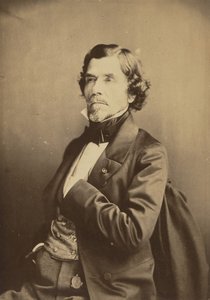
Eugène Delacroix
1798 - 1863 , Frankreich
Kurzinfos
- Artistic Movement Or Style: Romantik
- Artists Or Movements Influenced By This Artist:
- Impressionismus
- Postimpressionismus
- Artists Who Influenced This Artist:
- Rubens
- Venezianische Renaissance
- Date Of Birth: 26. April 1798
- Date Of Death: 13. August 1863
- Full Name: Eugène Delacroix
- Nationality: Französisch
- Notable Artworks:
- Liberty Leading the People
- Der Tod des Sardanapales
- Arabische Pferde im Kampf
- Place Of Birth: Chantonnay, Frankreich
Ähnliche Artikel

Crimson Threads of Narrative: Exploring Symbolism & Representation in Artworks Featuring the Red Dress
Explore the rich symbolism of the red dress in art history! From ancient power displays to iconic portraits like Cézanne’s 'Madame Cezanne', discover the cultural and artistic significance behind this captivating color. Expert analysis & insights.
Romantic Realism's Finest: 10 Masterpieces for Your Home | ArtsDot
Explore 10 defining masterpieces of Romantic Realism! Discover Courbet, Millet & Daumier's powerful paintings—capturing emotion and social realities. Find museum-quality reproductions for your home at ArtsDot.com.
Feathered Visions: A Historical & Artistic Exploration of Birds in Painting
Explore the rich history of birds in painting! Discover symbolism, artistic movements & master artists like Audubon. High-quality reproductions available at ArtsDot.
Eugène Delacroix: Leidenschaft, Politik und malerische Innovation im Sturm der Romantik
Entdecken Sie das Leben und Werk von Eugène Delacroix – einem Pionier der Romantik! Analysen seiner ikonischen Gemälde, Einflüsse & sein Vermächtnis für die moderne Kunst. Expertenwissen auf ArtsDot.
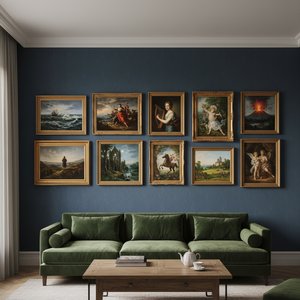
Romantik in der Kunst: Die 10 Meisterwerke, die eine Epoche prägten |
Entdecken Sie die 10 Meisterwerke der Romantik! Von Caspar David Friedrich bis Delacroix – erleben Sie Gefühl, Landschaft & Historie. Hochwertige Kunst Reproduktionen auf . Jetzt entdecken!