 Vorschau anzeigen
 Versenden
 Teilen
 Details anzeigen

 Herunterladen
 Ähnliche Objekte
 Röntgenaufnahme
 Diashow
 Statistiken
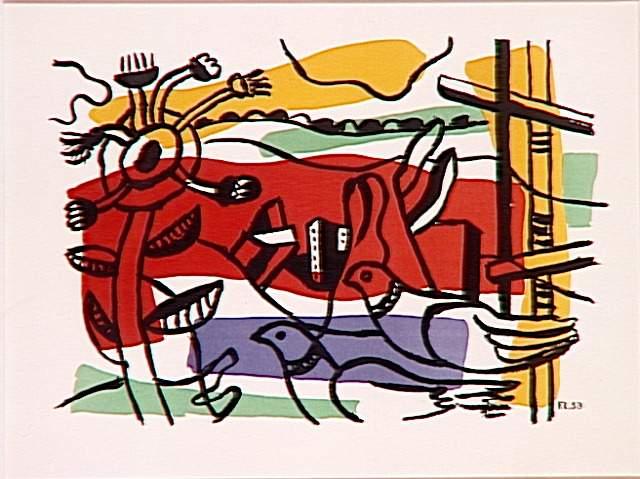
Composition in two birds (Landscape with birds)
 Acrylic
- WallArt
- Geometric Abstraction
 1954
1954 50.0 x 65.0 cm
 Weiterlesen
Handgefertigte Ölreproduktion
Handgemaltes Ölgemälde auf Leinwand in Ihrer Wunschgröße und mit Rahmen, auf Bestellung von unseren Künstlern angefertigt. ( Zu Druck wechseln Zum digitalen Bild wechseln)




P118B $10

P118H $10

P118W $10

P438Z $10

P508JH $12

P508YH $12

P805H $10

P805Z $10

P919BZ $10

P919G $10

P919XJ $10

P959ZH $10

P968JZ $12

W106C $8

W218G $10

W218JH $8

W218Y $10

W307PJ $10

W316G $10

W316PJ $8

W316Y $10

W398PJ $8

W4111J $10

W500HY $15

W500JH $15

W692G $12

W849H $8

W940BG $15

W953PJ $8




Wählen Sie aus unseren vordefinierten Formaten, die den ursprünglichen Proportionen des Kunstwerks entsprechen.

Sie können Ihre eigenen Maße eingeben, um einen bestimmten Rahmen oder Platz auszufüllen. Wenn die gewählte Größe nicht den Proportionen des Originalbildes entspricht, werden wir das Kunstwerk entweder beschneiden oder das Gemälde durch zusätzliche, handgemalte Elemente erweitern. Ein digitales Mockup wird Ihnen zur Genehmigung zugesandt, bevor die Produktion beginnt.
Bitte beachten Sie, dass die Bildschirmvorschau nicht die tatsächliche Beschneidung oder Erweiterung widerspiegelt. Nur das Mockup zeigt die endgültige Komposition exakt an.
Obwohl Sondermaße verfügbar sind, empfehlen wir, eine Größe aus der vordefinierten Liste zu wählen, um die ursprünglichen Proportionen beizubehalten.
Nach der Bestellung wird das ArtsDot.com-Team dem Kunden Anweisungen per E-Mail zusenden und eine Mockup-Vorschau bereitstellen.
Weltweiter Versand () in nur 3 bis 4 Wochen statt der üblichen 5 Wochen. (9 September). Keine Kompromisse bei der Qualität.

Kostenloser weltweiter Expressversand

Hochwertige Leinenleinwand

Umfassender Versicherungsschutz beim Versand

Zollgebühren-Rückerstattungsgarantie

Garantie für exakte Farbtreue

100-Tage-Rückgaberecht (nur bei Mängeln)

100% Geld-zurück-Garantie

Mengenrabatt verfügbar
 Die Glasoption ist nur für Größen unter 110 cm verfügbar.

Composition in two birds (Landscape with birds)
Art der Reproduktion
Format der Reproduktion
-


Gesamtpreis
$ 263
A Symphony of Form and Landscape: Exploring Fernand Léger’s “Composition in Two Birds”
Fernand Léger's "Composition in two birds (Landscape with birds)" transcends mere depiction; it embodies a profound engagement with the burgeoning industrial landscape of the mid-20th century while simultaneously retaining an undeniable connection to the tactile rhythms of rural Normandy. Painted in 1954, this artwork isn’t simply a visual record but rather a carefully considered meditation on how humanity interacts with its environment as technology advances. Léger's distinctive style—characterized by geometric abstraction blended seamlessly with recognizable elements—immediately distinguishes it from many of his contemporaries who prioritized pure abstraction. He deliberately rejected the purely conceptual concerns prevalent in artistic circles at the time, opting instead for a visual language that responded directly to the sensory experience of modern life.- Style: Léger’s approach can be broadly categorized as Constructivism, though he resisted rigid classifications. It leans heavily into geometric abstraction—circles, squares, and rectangles dominate the composition—yet these forms are punctuated by depictions of animals and objects that ground the artwork in a tangible reality. This paradoxical juxtaposition speaks to Léger's core belief: abstract art shouldn’t exist in isolation but should engage with the world around it.
- Technique: Léger employed a bold palette—primarily reds, yellows, and blues—to convey energy and dynamism. His technique involved layering paint onto canvas, creating textured surfaces that mimic the materiality of industrial materials like steel and concrete. This deliberate textural element isn’t merely decorative; it reinforces the artist's conceptual framework by mirroring the physicality of the machine age.
Historical Context: The Machine Age and Léger’s Vision
The painting emerged during a period marked by significant technological advancements—the Second World War spurred rapid industrial growth, reshaping urban landscapes and influencing artistic sensibilities. Léger was acutely aware of these transformations and sought to capture their impact on human perception. Unlike artists who lamented the loss of tradition, Léger embraced modernity as an opportunity for artistic innovation. He envisioned a future where art could reflect the rhythms of industry without sacrificing beauty or emotional resonance—a vision powerfully articulated in “Composition in two birds.” The horse, prominently positioned at the center, serves as a deliberate symbol of strength and resilience, mirroring the enduring spirit of rural Normandy against the backdrop of industrial progress.Symbolism Beyond Geometry: Animals and Objects as Communicators
Beyond its geometric forms, “Composition in two birds” is rich in symbolic significance. The horse—a recurring motif in Léger’s oeuvre—represents not only physical power but also agricultural heritage and the connection to the land. Its horns symbolize nobility and aspiration, elevating it beyond a mere animal figure. Similarly, the birds embody freedom and movement, contrasting with the static nature of geometric shapes. These elements work together to convey a complex message about humanity's relationship with both nature and technology—a harmonious coexistence achieved through embracing innovation while honoring tradition.Emotional Impact: A Quiet Dynamism
Despite its abstract style, “Composition in two birds” possesses an undeniable emotional depth. The vibrant colors evoke feelings of optimism and energy, mirroring Léger’s belief that art could inspire hope amidst challenging times. The textured surface invites contemplation, encouraging viewers to engage with the artwork on a tactile level—a deliberate tactic designed to heighten sensory experience and foster a connection between the viewer and the artist's vision. Ultimately, Léger’s masterpiece is an invitation to appreciate the beauty of form alongside the spirit of progress—a timeless message that continues to resonate today.Ähnliche Kunstwerke
Über den Künstler
frühes Leben und Ausbildung
Fernand Légér, ein französischer Maler, Bildhauer und Filmemacher, wurde am 4. Februar 1881 in Argentan, Orne, Niedergermanien geboren. Sein Vater züchtete Rinder, und Légér erhielt zunächst eine Ausbildung als Architekt von 1897 bis 1899. Er zog dann im Jahr 1900 nach Paris und unterstützte sich dort als Architektenzeichner.Künstlerische Entwicklung
Légers frühe Werke wurden vom Impressionismus beeinflusst, wie in Le Jardin de ma Mère (Mein Muttergarten) (1905) zu sehen ist. Nach dem Besuch der Schule für dekorative Künste und der Académie Julian begann er ab seinem 25. Lebensjahr ernsthaft als Maler zu arbeiten. Sein Stil entwickelte sich zu einer persönlichen Form des Kubismus, der von Kritikern als "Tubism" bezeichnet wurde, da er sich auf zylindrische Formen konzentrierte.Kubismus und die Puteaux-Gruppe
Im Jahr 1910 stellte Légér im Salon d’Automne zusammen mit Jean Metzinger und Henri Le Fauconnier aus. Er schloss sich der Puteaux-Gruppe an, auch bekannt als die Section d’Or (die Goldene Proportion), zusammen mit anderen Künstlern wie Francis Picabia und Marcel Duchamp.Krieg und seine Auswirkungen auf Légers Werk
Légers Erfahrungen im Ersten Weltkrieg hatten einen erheblichen Einfluss auf sein Werk. Während seiner Zeit an der Front produzierte er Skizzen von Artilleriegeschützen, Flugzeugen und Soldaten. Sein Gemälde Soldat mit Pfeife (1916) spiegelt diese Zeit wider.Spätere Werke und Vermächtnis
Légers Nachkriegszeitliche Arbeiten, die von glatten, maschinellen Formen geprägt waren, verknüpften ihn mit der Tradition der französischen figurativen Malerei. Seine "animierten Landschaften" von 1921 zeigten Figuren und Tiere in harmonischen, stromlinienförmigen Formen.- Fernand Légers Werke auf ArtsDot
- Mehr über Fernand Légér auf Wikipedia
- Entdecken Sie das Musée National Fernand Légér (Frankreich) mit ArtsDot
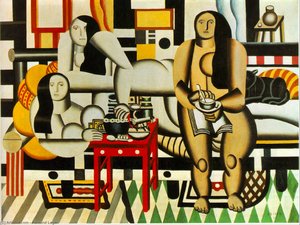
- Die Sitzende Frau (100 x 81 cm, Tubism)
- Maschinenelement (Kubismus)
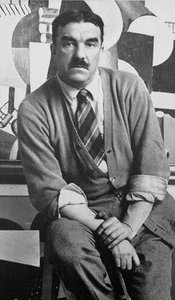
Fernand Léger
1881 - 1955 , Frankreich
Kurzinfos
- Beeinflusste Kunstrichtungen: ['Pop Art']
- Beeinflusste Künstler: ['Paul Cézanne']
- Bemerkenswerte Werke:
- Die Sitzende Frau
- Maschinenelement
- Der Große Umzug
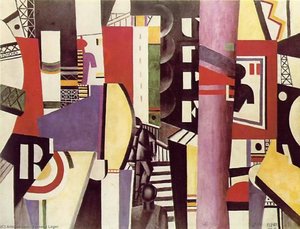
- Die Stadt
- Geburtsdatum: 04. Februar 1881
- Geburtsort: Argentan, Frankreich
- Künstlerische Richtung: Kubismus, Tubismus
- Nationalität: Französisch
- Sterbedatum: 1955
- Vollständiger Name: Fernand Léger
- Von Kunstbewegungen Beeinflusst: ['Cézannismus']
- Von Künstlern Beeinflusst: ['Impressionismus']
Ähnliche Artikel

Kandinsky: Die 25 Meisterwerke des Abstrakten – Kunst für Ihr Zuhause | ArtsDot
Entdecken Sie die 25 bedeutendsten Gemälde von Wassily Kandinsky! Tauchen Sie ein in die Welt der abstrakten Kunst, des Expressionismus und der Farbkomposition. Hochwertige Kunstdrucke & Inspiration für Ihr Zuhause auf ArtsDot.com.
Beyond Form & Color: Geometric Abstraction's Evolution in 20th/21st Century Art
Explore the evolution of geometric abstraction from Cubism to contemporary art. Discover key artists like Malevich & Mondrian, investment insights, and expert collecting advice at ArtsDot.
Abstrakter Expressionismus: Die 10 Meisterwerke, die eine Kunstbewegung prägten |
Entdecken Sie die 10 Meisterwerke des Abstrakten Expressionismus! Von Jackson Pollock bis Mark Rothko – erfahren Sie die Geschichten hinter ikonischen Gemälde und finden Sie hochwertige Reproduktionen für Ihr Zuhause. Jetzt bei entdecken!

Geometrische Abstraktion: Die 10 Meisterwerke, die Kunstgeschichte prägten | ArtsDot.com
Entdecken Sie die 10 Meisterwerke der geometrischen Abstraktion! Von Kandinsky bis Mondrian – erleben Sie die Geschichte, Farben & Formen dieser revolutionären Kunstrichtung. Hochwertige Kunstreproduktionen auf ArtsDot.com

Bronze-Meisterwerke: Die 10 Skulpturen, die Kunstgeschichte schrieben | ArtsDot
Entdecken Sie die 10 legendärsten Bronze Skulpturen der Kunstgeschichte! Von Michelangelo bis Rodin – erfahren Sie die Geschichten hinter den Meisterwerken und lassen Sie sich von Wanddeko-Ideen inspirieren. Hochwertige Kunstdrucke auf ArtsDot.com.