 Vorschau anzeigen
 Versenden
 Teilen
 Details anzeigen

 Herunterladen
 Ähnliche Objekte
 Röntgenaufnahme
 Diashow
 Stats
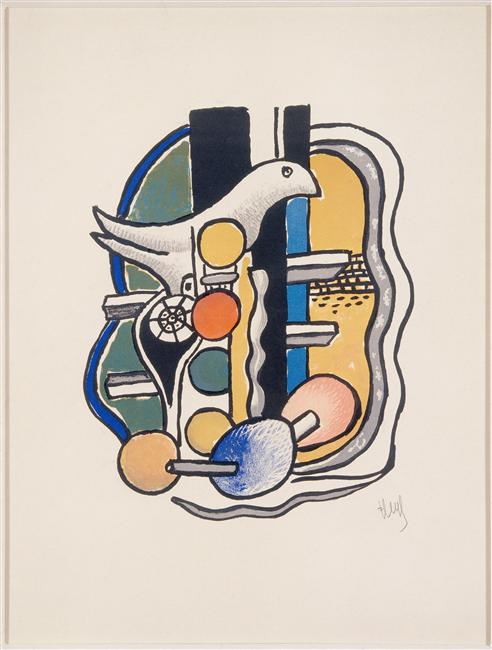
StatsThe Dove (Still Life with Bird)
 Acrylic
- WallArt
- Geometric Abstraction
 1951
1951 650.0 x 500.0 cm
 Weiterlesen
Handgefertigte Ölreproduktion
Handgemaltes Ölgemälde auf Leinwand in Ihrer Wunschgröße und mit Rahmen, auf Bestellung von unseren Künstlern angefertigt. ( Switch to Print Switch to Digital Image)




P118B $10

P118H $10

P118W $10

P438Z $10

P508JH $12

P508YH $12

P805H $10

P805Z $10

P919BZ $10

P919G $10

P919XJ $10

P959ZH $10

P968JZ $12

W106C $8

W218G $10

W218JH $8

W218Y $10

W307PJ $10

W316G $10

W316PJ $8

W316Y $10

W398PJ $8

W4111J $10

W500HY $15

W500JH $15

W692G $12

W849H $8

W940BG $15

W953PJ $8




Wählen Sie aus unseren vordefinierten Formaten, die den ursprünglichen Proportionen des Kunstwerks entsprechen.

Sie können Ihre eigenen Maße eingeben, um einen bestimmten Rahmen oder Platz auszufüllen. Wenn die gewählte Größe nicht den Proportionen des Originalbildes entspricht, werden wir das Kunstwerk entweder beschneiden oder das Gemälde durch zusätzliche, handgemalte Elemente erweitern. Ein digitales Mockup wird Ihnen zur Genehmigung zugesandt, bevor die Produktion beginnt.
Bitte beachten Sie, dass die Bildschirmvorschau nicht die tatsächliche Beschneidung oder Erweiterung widerspiegelt. Nur das Mockup zeigt die endgültige Komposition exakt an.
Obwohl Sondermaße verfügbar sind, empfehlen wir, eine Größe aus der vordefinierten Liste zu wählen, um die ursprünglichen Proportionen beizubehalten.
Nach der Bestellung wird das ArtsDot.com-Team dem Kunden Anweisungen per E-Mail zusenden und eine Mockup-Vorschau bereitstellen.
Weltweiter Versand () in nur 3 bis 4 Wochen statt der üblichen 5 Wochen. (8 September). Keine Kompromisse bei der Qualität.

Kostenloser weltweiter Expressversand

Hochwertige Leinenleinwand

Umfassender Versicherungsschutz beim Versand

Zollgebühren-Rückerstattungsgarantie

Garantie für exakte Farbtreue

100-Tage-Rückgaberecht (nur bei Mängeln)

100% Geld-zurück-Garantie

Mengenrabatt verfügbar
 Die Glasoption ist nur für Größen unter 110 cm verfügbar.

The Dove (Still Life with Bird)
Art der Reproduktion
Format der Reproduktion
-


Gesamtpreis
$ 263
A Symphony of Form and Flight: Exploring Fernand Léger’s “The Dove”
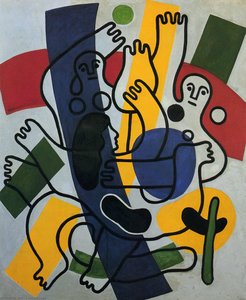
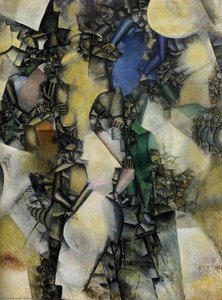
Fernand Léger's "The Dove" (Still Life with Bird) transcends the conventional boundaries of still life painting, presenting a striking dialogue between organic nature—represented by the dove and bird feeder—and the geometric precision characteristic of Léger’s signature style. Completed in 1951, this artwork embodies the artist’s unwavering commitment to capturing the transformative influence of industrialization on artistic expression during the mid-20th century. Léger wasn't merely depicting a bird; he was conveying an idea—a profound meditation on coexistence and balance within a rapidly changing world.The Geometric Embrace: Léger’s Distinctive Technique
Léger’s technique is instantly recognizable as a cornerstone of Constructivism, albeit infused with a lyrical sensibility that distinguishes it from its more austere counterparts. He employed a bold palette dominated by earthy tones—ochres, browns, and reds—contrasting sharply with the cool blues and greens of the bird feeder and surrounding foliage. However, these colors serve primarily to anchor the composition within a framework of angular shapes and planes. Léger meticulously constructed his canvases using a layering technique known as “trompe l’œil,” creating an illusion of depth that defies traditional perspective. This masterful manipulation of form isn't about replicating reality; it’s about distilling it into its fundamental geometric components—circles, squares, triangles—a deliberate rejection of Impressionistic representation in favor of conveying energy and dynamism.A Reflection of the Machine Age: Historical Context
“The Dove” emerged during a period marked by significant technological advancements – the burgeoning automobile industry, the rise of urban centers, and the pervasive presence of machinery shaping daily life. Léger’s artistic preoccupation with these developments stemmed from his belief that art should engage actively with the realities of its time. Constructivism, as a movement, sought to liberate art from decorative concerns and elevate it to the status of social commentary. Léger's work aligns perfectly with this ethos, presenting a visual representation of humanity's relationship with technology – not as an adversary to be feared but as a force to be understood and integrated into our aesthetic experience. The inclusion of knives subtly underscores this tension, hinting at both creation and destruction, mirroring the complexities inherent in progress itself.Symbolism Beyond Representation: The Dove’s Significance
The dove itself carries considerable symbolic weight within Christian iconography—representing peace, purity, and divine grace. Léger deliberately eschewed literal depiction, opting instead for a stylized form that emphasizes its essential qualities. This decision isn't merely stylistic; it speaks to Léger’s broader philosophical stance – a conviction that art should transcend superficial appearances to communicate deeper truths about the human condition. The bird feeder serves as a visual metaphor for sustenance and nurturing—a reminder of the importance of preserving natural beauty amidst industrial expansion.Emotional Resonance: An Invitation to Contemplation
Ultimately, “The Dove” invites viewers into a contemplative dialogue about harmony and disruption. Léger’s masterful use of form and color creates an atmosphere of serene stillness punctuated by subtle hints of tension—the knives positioned strategically within the composition. The painting compels us to consider how we reconcile our desire for advancement with our responsibility to safeguard the natural world, mirroring the anxieties and aspirations of a generation grappling with the transformative forces shaping their era. It’s a piece that lingers in the mind long after viewing, prompting reflection on the enduring power of art to communicate complex ideas and evoke profound emotional responses.Ähnliche Kunstwerke


Über den Künstler
frühes Leben und Ausbildung
Fernand Légér, ein französischer Maler, Bildhauer und Filmemacher, wurde am 4. Februar 1881 in Argentan, Orne, Niedergermanien geboren. Sein Vater züchtete Rinder, und Légér erhielt zunächst eine Ausbildung als Architekt von 1897 bis 1899. Er zog dann im Jahr 1900 nach Paris und unterstützte sich dort als Architektenzeichner.Künstlerische Entwicklung
Légers frühe Werke wurden vom Impressionismus beeinflusst, wie in Le Jardin de ma Mère (Mein Muttergarten) (1905) zu sehen ist. Nach dem Besuch der Schule für dekorative Künste und der Académie Julian begann er ab seinem 25. Lebensjahr ernsthaft als Maler zu arbeiten. Sein Stil entwickelte sich zu einer persönlichen Form des Kubismus, der von Kritikern als "Tubism" bezeichnet wurde, da er sich auf zylindrische Formen konzentrierte.Kubismus und die Puteaux-Gruppe
Im Jahr 1910 stellte Légér im Salon d’Automne zusammen mit Jean Metzinger und Henri Le Fauconnier aus. Er schloss sich der Puteaux-Gruppe an, auch bekannt als die Section d’Or (die Goldene Proportion), zusammen mit anderen Künstlern wie Francis Picabia und Marcel Duchamp.Krieg und seine Auswirkungen auf Légers Werk
Légers Erfahrungen im Ersten Weltkrieg hatten einen erheblichen Einfluss auf sein Werk. Während seiner Zeit an der Front produzierte er Skizzen von Artilleriegeschützen, Flugzeugen und Soldaten. Sein Gemälde Soldat mit Pfeife (1916) spiegelt diese Zeit wider.Spätere Werke und Vermächtnis
Légers Nachkriegszeitliche Arbeiten, die von glatten, maschinellen Formen geprägt waren, verknüpften ihn mit der Tradition der französischen figurativen Malerei. Seine "animierten Landschaften" von 1921 zeigten Figuren und Tiere in harmonischen, stromlinienförmigen Formen.- Fernand Légers Werke auf ArtsDot
- Mehr über Fernand Légér auf Wikipedia
- Entdecken Sie das Musée National Fernand Légér (Frankreich) mit ArtsDot
- Die Sitzende Frau (100 x 81 cm, Tubism)
- Maschinenelement (Kubismus)
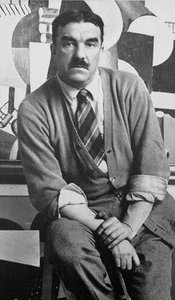
Fernand Léger
1881 - 1955 , Frankreich
Kurzinfos
- Beeinflusste Kunstrichtungen: ['Pop Art']
- Beeinflusste Künstler: ['Paul Cézanne']
- Bemerkenswerte Werke:
- Die Sitzende Frau
- Maschinenelement
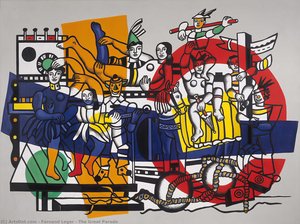
- Der Große Umzug
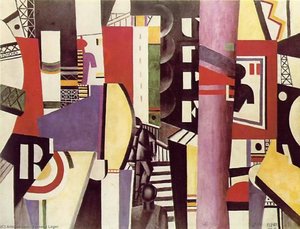
- Die Stadt
- Geburtsdatum: 04. Februar 1881
- Geburtsort: Argentan, Frankreich
- Künstlerische Richtung: Kubismus, Tubismus
- Nationalität: Französisch
- Sterbedatum: 1955
- Vollständiger Name: Fernand Léger
- Von Kunstbewegungen Beeinflusst: ['Cézannismus']
- Von Künstlern Beeinflusst: ['Impressionismus']
Ähnliche Artikel
Das bleibende Erbe der Bronzeskulptur: Geschichte, Techniken und zeitgenössische Interpretationen
Entdecken Sie die faszinierende Geschichte der Bronzeskulptur – von den Anfängen bis zur modernen Kunst. Expertenwissen, Techniken & Tipps für Sammler.

Bronze-Meisterwerke: Die 10 Skulpturen, die Kunstgeschichte schrieben | ArtsDot
Entdecken Sie die 10 legendärsten Bronze Skulpturen der Kunstgeschichte! Von Michelangelo bis Rodin – erfahren Sie die Geschichten hinter den Meisterwerken und lassen Sie sich von Wanddeko-Ideen inspirieren. Hochwertige Kunstdrucke auf ArtsDot.com.

Die 10 legendärsten Bronzestatuen: Meisterwerke, die Kunstgeschichte schrieben | ArtsDot
Entdecken Sie die 10 legendärsten Bronzestatuen der Kunstgeschichte! Von Rodin bis Michelangelo – erfahren Sie die Geschichten hinter ikonischen Skulpturen und finden Sie hochwertige Reproduktionen für Ihr Zuhause. Jetzt bei ArtsDot entdecken!

The Enduring Form: Sculpture Across History, Technique & Emotional Resonance
Explore the rich history of sculpture with ArtsDot. Discover key techniques, influential artists & investment potential for discerning collectors. Expert insights into valuing and collecting timeless masterpieces.

The Enduring Form: Exploring Themes & Techniques in Sculpture Across Historical Periods
Explore the rich history of sculpture from ancient masterpieces to contemporary innovations. Discover key techniques, influential artists & investment potential for discerning art collectors.