

 Vorschau anzeigen
 Versenden
 Teilen
 Details anzeigen

 Herunterladen
 Ähnliche Objekte
 Röntgenaufnahme
 Diashow
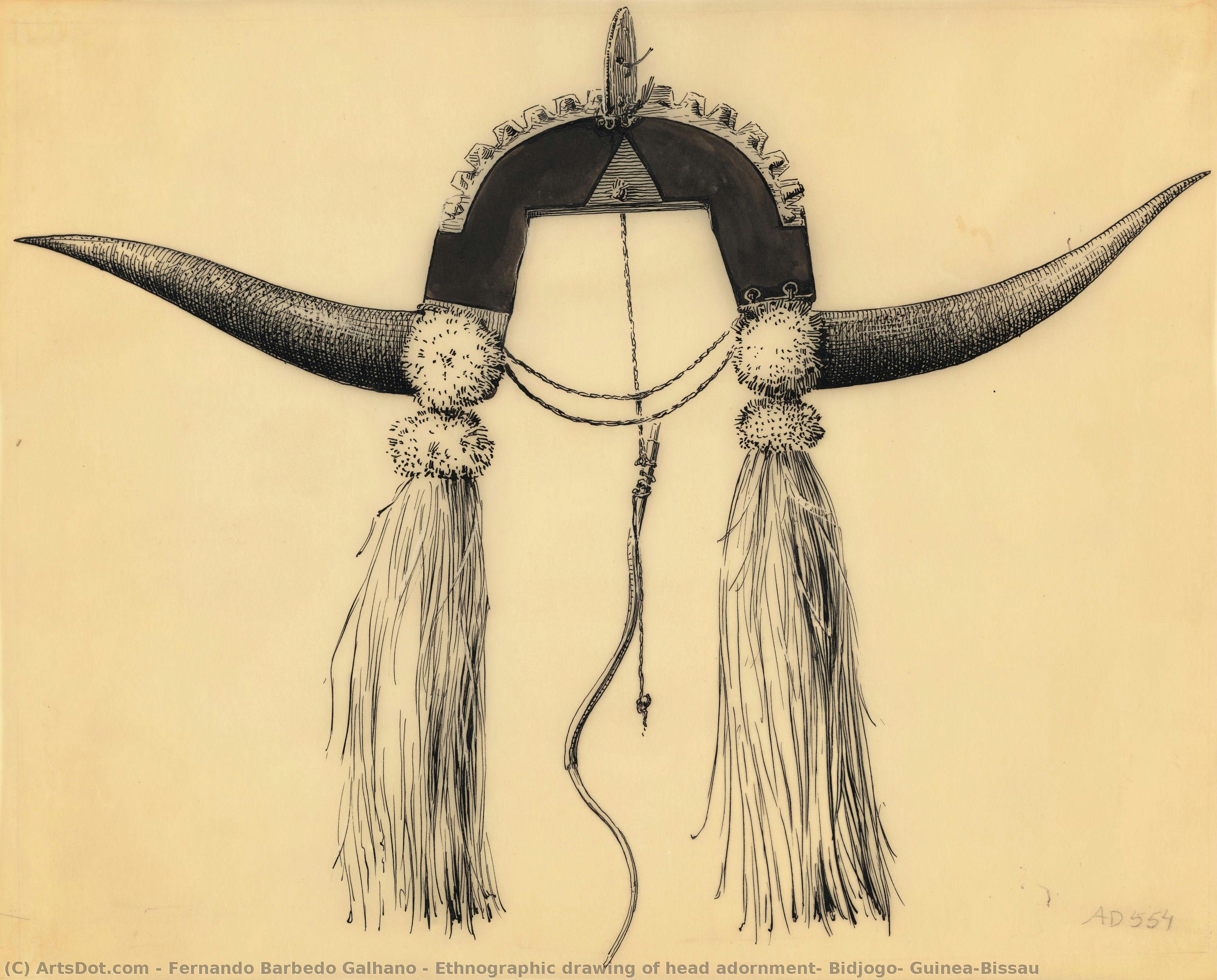
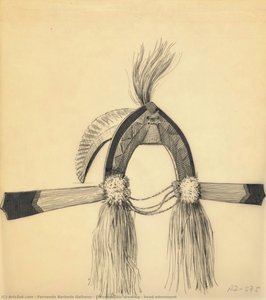
Ethnographic drawing of head adornment, Bidjogo, Guinea-Bissau
 Drawing
- WallArt
 1900
1900- 19th Century
 61.0 x 43.0 cm
 Nationalmuseum für Völkerkunde
 Weiterlesen
Giclée / Kunstdruck
Giclée- oder Leinwanddruck in Museumsqualität mit schneller Produktion und flexiblen Veredelungsoptionen. ( Handgemalte Reproduktion bestellen Bild kaufen)




P118B $10

P118H $10

P118W $10

P438Z $10

P508JH $12

P508YH $12

P805H $10

P805Z $10

P919BZ $10

P919G $10

P919XJ $10

P959ZH $10

P968JZ $12

W106C $8

W218G $10

W218JH $8

W218Y $10

W307PJ $10

W316G $10

W316PJ $8

W316Y $10

W398PJ $8

W4111J $10

W500HY $15

W500JH $15

W692G $12

W849H $8

W940BG $15

W953PJ $8




Wählen Sie aus unseren vordefinierten Formaten, die den ursprünglichen Proportionen des Kunstwerks entsprechen.

Sie können Ihre eigenen Maße eingeben, um ein bestimmtes Format oder einen speziellen Platz einzupassen. Wenn das von Ihnen gewählte Format nicht den Proportionen des Originalbildes entspricht, werden wir das Kunstwerk entweder beschneiden oder das Bild mit einem gespiegelten oder einfarbigen Rand erweitern. Ein digitaler Entwurf wird Ihnen zur Genehmigung zugesandt, bevor die Produktion beginnt.
Bitte beachten Sie, dass die Vorschau auf dem Bildschirm nicht den tatsächlichen Zuschnitt oder die Erweiterung widerspiegelt. Nur der Entwurf zeigt die endgültige Komposition präzise an.
Obwohl Sondermaße verfügbar sind, empfehlen wir die Auswahl eines Maßes aus der vordefinierten Liste, um die ursprünglichen Proportionen zu bewahren.
Weltweiter Versand () innerhalb von 2 Wochen statt der üblichen 4/5 Wochen. (30 August)

Kostenloser weltweiter Expressversand

Hochwertige Leinenleinwand

Umfassender Versicherungsschutz beim Versand

Zollgebühren-Rückerstattungsgarantie

Garantie für exakte Farbtreue

60 Tage Rückgaberecht (nur bei Mängeln)

100% Geld-zurück-Garantie

Mengenrabatt verfügbar
 Die Glasoption ist nur für Größen unter 110 cm verfügbar.

Ethnographic drawing of head adornment, Bidjogo, Guinea-Bissau
Giclée / Kunstdruck
Format der Reproduktion
-


Gesamtpreis
$ 62
A Window into Cultural Heritage
In the delicate lines of Fernando Barbedo Galhano’s Ethnographic drawing of head adornment, Bidjogo, Guinea-Bissau, we find much more than a mere illustration; we encounter a profound dialogue between art and anthropology. Created in 1900, this evocative piece serves as a silent witness to the rich, ancestral traditions of the Bidjogo people. The artwork captures the striking essence of a ceremonial horned hat, rendered with a precision that honors both the physical structure of the object and the cultural spirit it represents. Through his masterful use of monochrome tones, Galhano invites the viewer to peer through the veil of time, stripping away the distractions of color to focus entirely on the intricate textures and the rhythmic geometry of the tassels and horns.
The composition is centered around the imposing silhouette of the headpiece, where the sharp, upward reach of the horns meets the soft, cascading descent of yarn-like tassels. Each stroke of the artist's hand seems to contemplate the weight and significance of these adornments. There is a palpable sense of reverence in the way the details are documented—from the subtle fraying of the strings to the structural integrity of the hat itself. For the collector or the lover of fine art, this piece offers an intimate encounter with a vanished moment of ethnographic documentation, making it a centerpiece that commands attention through its historical gravity and aesthetic purity.
The Intersection of Artistry and Ethnography
Fernando Barbedo Galhano was a rare talent who bridged the gap between the aesthetic beauty of fine art and the rigorous observation of ethnography. His training under the master Artur Loureiro in Porto provided him with a sophisticated technical foundation, yet his soul was deeply attuned to the nuances of human culture. This specific drawing exemplifies his ability to use the medium of painting to preserve the ephemeral. The technique employed here is one of meticulous observation; the artist does not merely draw an object, he documents a legacy. The interplay of light and shadow within the black and white medium creates a sculptural quality, giving the head adornment a three-dimensional presence that feels almost tactile.
For interior designers and curators, this artwork offers a unique opportunity to introduce a sense of global history and intellectual depth into a space. Whether placed in a contemporary gallery setting or a classic study, the piece acts as a sophisticated focal point. Its monochromatic palette ensures it integrates seamlessly with diverse color schemes, while its subject matter provides an endless source of conversation and contemplation. To possess a reproduction of this work is to hold a fragment of the National Museum of Ethnology’s collection, bringing the storied halls of Lisbon into the intimacy of one's own home.
Symbolism and Emotional Resonance
Beyond its technical brilliance, the drawing resonates on an emotional level by evoking the concept of identity. The head adornment is not merely a costume; it is a symbol of status, ritual, and communal belonging within the Bidjogo culture. As we gaze upon the intricate tassels and the formidable horns, we are reminded of the human impulse to decorate, to signify, and to honor the sacred through craftsmanship. There is a haunting beauty in the solitude of the object presented against the void, a quality that evokes feelings of nostalgia and respect for the enduring strength of tradition.
This piece transcends simple decoration to become an emotional anchor within a room. It speaks of the resilience of culture and the importance of memory. For those seeking to curate a collection that reflects a worldly perspective and an appreciation for the human story, Galhano’s work stands as an incomparable choice. It is an invitation to reflect on our shared global heritage, captured through the eyes of a master who saw beauty in the most profound details of human existence.
Ähnliche Kunstwerke

![Indian Tobacco Shop Sign [obverse, Indian Facing Left] — Winslow Homer, American Realism](/media/artworks/images-thumb/23/47/234786c2828c25069cd7d401f9f6d842.jpg)
Über den Künstler
Fernando Barbedo Galhano, ein portugiesischer Künstler, hinterließ eine unauslöschliche Spur in der Welt der Kunst und der Ethnografie. Geboren 1904 in Porto und verstorben 1995, war Galhanos Leben ein Zeugnis seiner facettenreichen Talente als Maler, Forscher, Illustrator und Ethnograf.
Frühes Leben und Ausbildung
Galhanos künstlerische Reise begann unter der Ägide des Meisters Artur Loureiro in Porto. Diese grundlegende Ausbildung verfeinerte nicht nur seine malerischen Fähigkeiten, sondern pflanzte auch eine tiefe Wertschätzung für die kulturellen Nuancen Portugals in ihm ein. Seine Teilnahme an den Salão Silva Porto Ausstellungen in den Jahren 1937, 1943, 1946, 1951 und 1954 festigte seine Präsenz innerhalb der portugiesischen Kunstgemeinschaft nachhaltig.
Beiträge zur Ethnografie
Als Teil des Centro de Estudos de Etnografia Peninsular im Jahr 1948 arbeitete Galhano mit bedeutenden Persönlichkeiten wie Jorge Dias, Ernesto Veiga de Oliveira und Benjamim Pereira zusammen. Dieses Engagement markierte einen entscheidenden Meilenstein in seiner Karriere und etablierte ihn als einen der führenden ethnografischen Illustratoren seiner Zeit. Sein Werk umfasst ein breites Spektrum an Themen, darunter:
- Ochsenkarren: ein Zeugnis traditioneller portugiesischer Transportmittel.
- Volksarchitektur: die Dokumentation der Essenz der regionalen Architektur in Portugal.
- <としたb>Landwirtschaftliche Geräte: eine Hervorhebung der Werkzeuge, die die Agrarlandschaft des Landes prägten.
- Transportsysteme, Korbflechterei, Töpferei, Textiltechnologie und Mahlsysteme: ein umfassender Überblick über die vielfältigen kulturellen Praktiken Portugals.
- Fischerei: das Einfangen der Essenz der portugiesischen maritimen Kultur.
Vermächtnis und Wirkung
Galhanos Vermächtnis reicht weit über seine eigene Zeit hinaus. Als einer der Gründer des Museu Nacional de Etnologia in Lissabon spielte er eine entscheidende Rolle bei der Bewahrung des kulturellen Erbes Portugals. Seine tausenden Zeichnungen dokumentieren nicht nur verschiedene Aspekte der portugiesischen Kultur, sondern dienen auch als Fenster zu den ehemaligen Kolonien des Landes.
- Galhanos Werk ist eine wahre Schatzkammer für Forscher und Kunstliebhaber gleichermaßen und bietet tiefe Einblicke in die Komplexität des portugiesischen Lebens.
- Seine Beiträge zur Ethnografie wurden weltweit anerkannt, was seinen Status als einer der einflussreichsten Künstler seiner Ära festigte.
- Das Erbe Galhanos inspiriert weiterhin neue Generationen von Künstlern, Forschern und Ethnografen.
Fazit
Das Leben von Fernando Barbedo Galhano war ein reiches Geflecht aus Kunst, Forschung und Ethnografie. Durch sein Werk hat er einen bleibenden Eindruck in der Kunstwelt hinterlassen und inspiriert all jene, die in seine Fußstapfen treten.
- Erkunden Sie mehr von Galhanos Werken unter https://ArtsDot.com/@/fernando-barbedo-galhano
- Entdecken Sie das Museu Nacional de Etnologia in Lissabon und seine Gründungsgeschichte auf https://ArtsDot.com/@@/museu-nacional-de-etnologia-lisbon-portugal
- Erfahren Sie mehr über ethnografische Illustration und ihre Bedeutung in der Kunstwelt auf https://en.wikipedia.org/wiki/ethnographic_illustration
Referenzen:
- Fernando Barbedo Galhano, Wikipedia.
- Museu Nacional de Etnologia, Lissabon, Portugal - https://ArtsDot.com/@@/museu-nacional-de-etnologia-lisbon-portugal
- Centro de Estudos de Etnografia Peninsular, Portugal - https://ArtsDot.com/@/centro-de-estudos-de-etnografia-peninsular
Fernando Barbedo Galhano
1904 - 1995 , Portugal
Ähnliche Artikel
The Nuances of Graphite: Exploring Emotional Depth & Technical Mastery in Pencil Drawing
Explore the captivating world of graphite drawing! Discover its rich history, master essential techniques like chiaroscuro, and learn how artists evoke emotion through this timeless medium. Expert insights for art enthusiasts.

Martin Johnson Heade: Luminismus, amerikanische Identität und das poetische Stillleben
Entdecken Sie das Werk von Martin Johnson Heade! Erfahren Sie mehr über den Luminismus, seine Landschaftsmalerei und die poetischen Stillleben dieses amerikanischen Meisters. Kunstexperten-Analyse & hochwertige Reproduktionen.

The Enduring Power of Line: Exploring Themes & Techniques in Drawing Across Art History
Explore the rich history of drawing! Discover key techniques like linear perspective & iconic artists from the Renaissance to modern times. Enhance your art appreciation with ArtsDot.
Frederick Bridgman: Anatomische Meisterschaft und die Evolution des Figurenzeichens
Entdecken Sie die revolutionäre Anatomie-Lehre von George B. Bridgman! Lernen Sie die Grundlagen der Figurenzeichnung und verbessern Sie Ihre künstlerischen Fähigkeiten mit unseren detaillierten Anleitungen und Übungen.

The Eloquent Line: Exploring the Artistic Significance of Sketches Across Movements and Media
Explore the profound artistic significance of sketches throughout history. From Renaissance masters to modern innovators like Van Gogh & Guston, discover how these foundational works reveal technique, emotion, and vision. Learn more at ArtsDot.

