 Vorschau anzeigen
 Versenden
 Teilen
 Details anzeigen

 Herunterladen
 Ähnliche Objekte
 Röntgenaufnahme
 Diashow
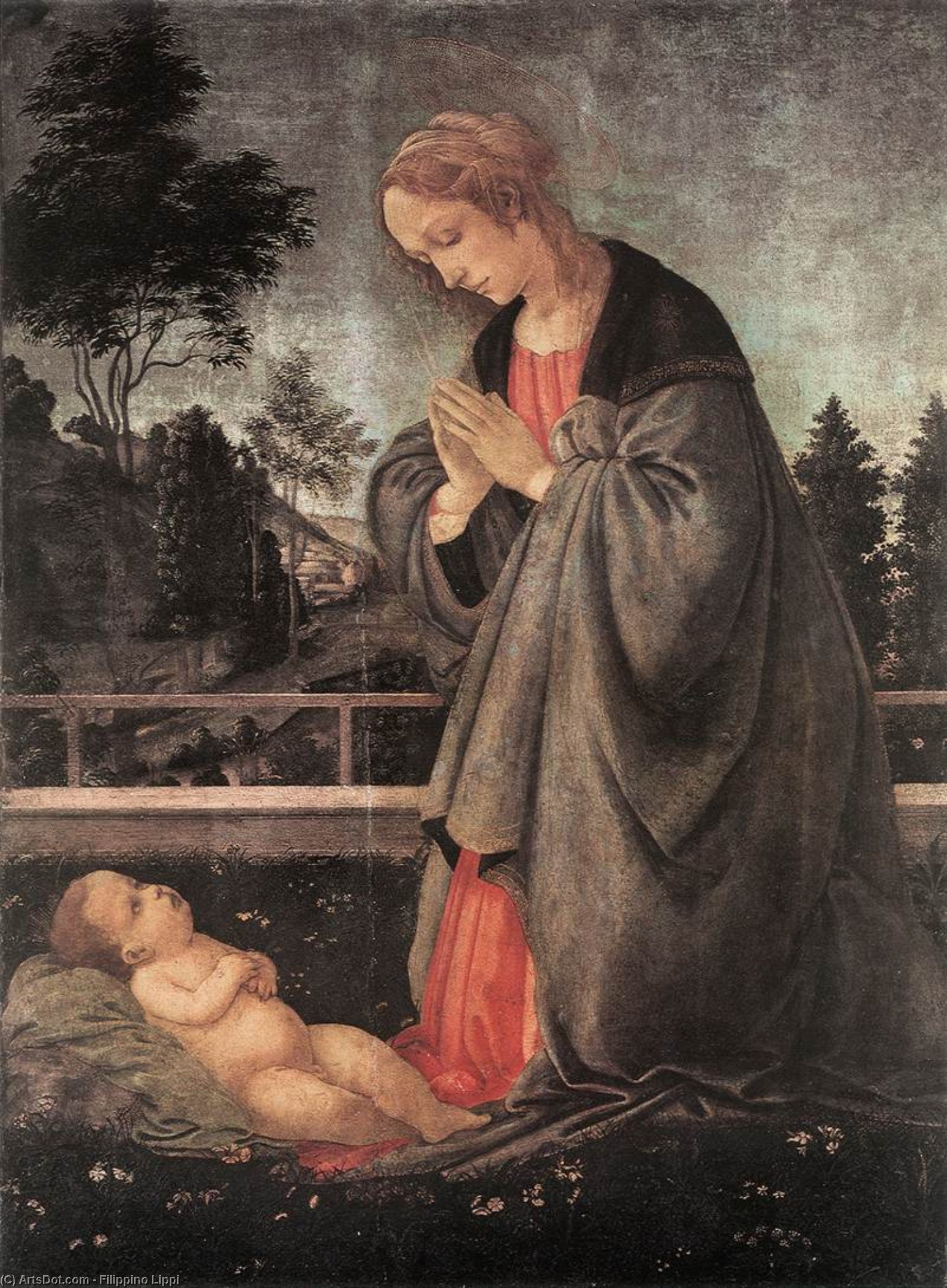
Adoration of the Child
 Eitempera auf Holztafel
- High Renaissance
 1483
1483- Renaissance
 96.0 x 71.0 cm
 Galleria degli Uffizi
 Weiterlesen
Handgefertigte Ölreproduktion
Handgemaltes Ölgemälde auf Leinwand in Ihrer Wunschgröße und mit Rahmen, auf Bestellung von unseren Künstlern angefertigt. ( Druck bestellen Bild kaufen)




P118B $10

P118H $10

P118W $10

P438Z $10

P508JH $12

P508YH $12

P805H $10

P805Z $10

P919BZ $10

P919G $10

P919XJ $10

P959ZH $10

P968JZ $12

W106C $8

W218G $10

W218JH $8

W218Y $10

W307PJ $10

W316G $10

W316PJ $8

W316Y $10

W398PJ $8

W4111J $10

W500HY $15

W500JH $15

W692G $12

W849H $8

W940BG $15

W953PJ $8




Wählen Sie aus unseren vordefinierten Formaten, die den ursprünglichen Proportionen des Kunstwerks entsprechen.

Sie können Ihre eigenen Maße eingeben, um einen bestimmten Rahmen oder Platz auszufüllen. Wenn die gewählte Größe nicht den Proportionen des Originalbildes entspricht, werden wir das Kunstwerk entweder beschneiden oder das Gemälde durch zusätzliche, handgemalte Elemente erweitern. Ein digitales Mockup wird Ihnen zur Genehmigung zugesandt, bevor die Produktion beginnt.
Bitte beachten Sie, dass die Bildschirmvorschau nicht die tatsächliche Beschneidung oder Erweiterung widerspiegelt. Nur das Mockup zeigt die endgültige Komposition exakt an.
Obwohl Sondermaße verfügbar sind, empfehlen wir, eine Größe aus der vordefinierten Liste zu wählen, um die ursprünglichen Proportionen beizubehalten.
Nach der Bestellung wird das ArtsDot.com-Team dem Kunden Anweisungen per E-Mail zusenden und eine Mockup-Vorschau bereitstellen.
Weltweiter Versand () in nur 3 bis 4 Wochen statt der üblichen 5 Wochen. (25 August). Keine Kompromisse bei der Qualität.

Kostenloser weltweiter Expressversand

Hochwertige Leinenleinwand

Umfassender Versicherungsschutz beim Versand

Zollgebühren-Rückerstattungsgarantie

Garantie für exakte Farbtreue

60 Tage Rückgaberecht (nur bei Mängeln)

100% Geld-zurück-Garantie

Mengenrabatt verfügbar
 Die Glasoption ist nur für Größen unter 110 cm verfügbar.

Adoration of the Child
Art der Reproduktion
Format der Reproduktion
-


Gesamtpreis
$ 263
Beschreibung des Kunstwerks
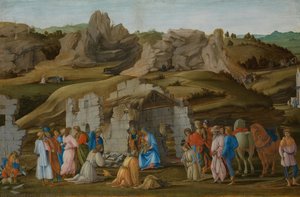
The Luminous Reverence of Filippino Lippi's Adoration of the Child
To stand before Filippino Lippi’s "Adoration of the Child" is to step directly into the luminous heart of the Italian Renaissance. Completed in 1483, this masterpiece transcends mere depiction; it is a profound meditation on innocence, divine mystery, and the enduring power of faith. The scene unfolds with an almost palpable stillness, capturing Mary cradling her infant Jesus bathed in what appears to be ethereal moonlight. Joseph stands nearby, his gaze fixed upon the Savior, creating a composition that immediately draws the viewer into a circle of hushed wonder. Lippi masterfully orchestrates every element—from the gentle curve of Mary’s mantle to the attentive posture of the surrounding figures—to evoke a sense of sublime, almost breathless reverence.
A Symphony Woven in Light and Shadow
Technically, the painting is a breathtaking display of Lippi's skill. He employed tempera on panel, a medium that allowed him to achieve a luminosity and tonal subtlety rarely matched. One can observe the clear influence of Masaccio’s groundbreaking innovations; the figures possess an anatomical accuracy coupled with an idealized beauty characteristic of the High Renaissance zenith. Most striking is his command of chiaroscuro—the dramatic interplay between light and shadow. This technique does not merely illuminate; it sculpts form, giving the flesh a tangible weight and imbuing every gesture with deep emotional resonance. The moonlight itself acts as a spiritual spotlight, guiding the eye inexorably toward the central act of adoration.
Humanism Meets the Divine
The historical context surrounding this work is crucial to understanding its depth. Created during the intellectual ferment under Lorenzo de’ Medici, "Adoration of the Child" perfectly encapsulates the era's unique blend of humanism and piety. While the subject matter speaks directly to theological debates concerning Mary’s purity and Christ’s incarnation, Lippi frames it through a distinctly human lens. The dignity portrayed in every face—the concern in Joseph’s eyes, the gentle focus of Mary—celebrates human potential alongside divine grace. It is art that acknowledges the profound spiritual life within the everyday person.
Symbolism and Emotional Resonance for the Modern Collector
For those who seek to bring the quiet grandeur of history into a contemporary space, this piece offers unparalleled emotional depth. The inclusion of nature, perhaps symbolized by the bird visible on the left, grounds the sacred event in the natural world, suggesting that divinity permeates all creation. When considering a reproduction for your home or gallery, know that you are acquiring more than just an image; you are capturing a moment of perfect harmony—a visual articulation of hope and enduring belief. The composition’s careful balance, with Mary positioned slightly above eye level, ensures that the viewer feels uplifted, drawn into a contemplation that promises both peace and profound inspiration.
Ähnliche Kunstwerke

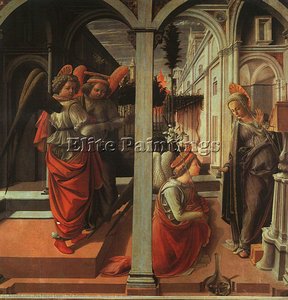
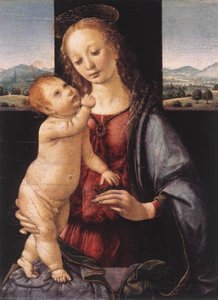
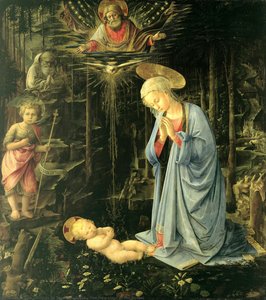

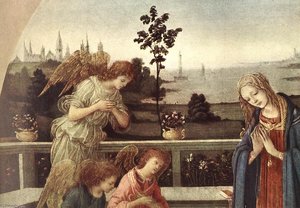

Über den Künstler
Frühe Jahre und Ausbildung
- Geboren: April 1457, Prato, Italien
- Gestorben: April 1504
- Eltern: Fra Filippo Lippi (Maler) und Lucrezia Buti
- Filippino war der uneheliche Sohn eines renommierten Malers.
- Die frühe Ausbildung unter seinem Vater legte den Grundstein für seine künstlerische Karriere.
Künstlerische Laufbahn und Entwicklung
- Frühe Periode (1475-1480): Anfängliche Werke, wie Madonnen, zeigten einen weniger verfeinerten Stil. Diese wurden zunächst einem anonymen Künstler namens "amico di Sandro" zugeschrieben.
- Entwicklung (1480-1485): Entwicklung eines persönlichen und effektiven Ansatzes in Werken wie den *Reisen des Tobias*.
- Maturität (1485-1504): Beherrschung des Hochrenaissance-Stils, veranschaulicht durch die *Erscheinung Christi der Jungfrau*.
Hauptwerke und Kollaborationen
- Zusammenarbeit mit Perugino, Ghirlandaio und Botticelli an Fresken in Lorenzos de' Medicis Villa.
- Vollendung der unvollendeten Dekoration von Masaccio in der Brancacci-Kapelle zusammen mit Masolino.
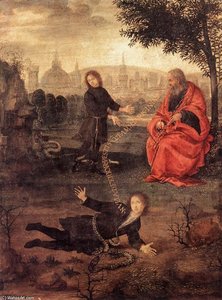
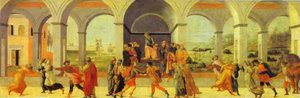
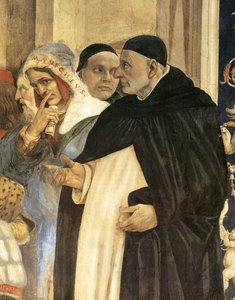
- Bemerkenswerte Werke sind: *Die Krönung der Jungfrau*, *Tobias und der Engel*, *St. Hieronymus* und *Szene aus dem Leben des Heiligen Thomas*.
Einflüsse und künstlerischer Stil
- Frühe Einflüsse: Sandro Botticelli, Fra Filippo Lippi.
- Stileigenschaften: Animierte Form und Linie, warmer Kolorit, detaillierte Landschaften, ausdrucksstarke Figuren und eine Mischung aus Perspektivgeometrie mit intimen Innenräumen.
- Römische Altertümer: Studien nach römischen Altertümern während seiner Zeit in Rom beeinflussten seine Arbeit und integrierten einen antiken Wortschatz in seine Kunst.
Historische Bedeutung und Vermächtnis
- Ein führender florentinischer Vertreter der Tradition großer Freskenzyklen.
- Sein Einfluss auf die Hochrenaissance ist unbestreitbar.
- Werke sind in Museen auf der ganzen Welt zu finden, darunter in der Uffizien-Galerie in Florenz.
- Bekannt dafür, die Kluft zwischen früheren Renaissance-Stilen und der entstehenden Hochrenaissance-Ästhetik zu überbrücken.
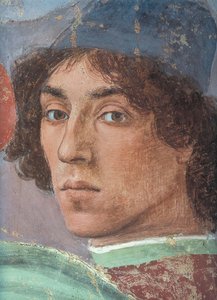
Filippino Lippi
1457 - 1504 , Italien
Kurzinfos
- Beeinflusste Künstler:
- Fra Filippo Lippi
- Sandro Botticelli
- Bemerkenswerte Werke:
- Coronation of the Virgin
- Tobias and the Angel
- St Jerome
- Geburtsdatum: April 1457
- Geburtsort: Prato, Italien
- Künstlerische Richtung: Hochrenaissance
- Nationalität: Italienisch
- Sterbedatum: April 1504
- Vollständiger Name: Filippino Lippi
- Von Künstlern Beeinflusst: ['Masaccio']
Ähnliche Artikel

Giclée Prints: Archival Quality & Aesthetic Nuances for the Discerning Collector
Explore the world of giclée prints with ArtsDot. Learn about archival quality, aesthetic nuances & investment potential. Expert guidance for discerning art collectors seeking museum-quality reproductions and lasting value.
Filippo Lippi: Zwischen religiöser Andacht und künstlerischer Innovation der Renaissance
Entdecken Sie das faszinierende Leben und Werk von Filippo Lippi, einem Schlüsselkünstler der Renaissance. Analysen seiner Meisterwerke, Einflüsse & Vermächtnis – Expertenwissen für Kunstliebhaber auf ArtsDot.
Raphael: Die 25 Meisterwerke des Renaissance-Genies – Kunst für Ihr Zuhause
Entdecken Sie die 25 schönsten Meisterwerke von Raphael! Tauchen Sie ein in die Welt der Renaissance-Kunst, erfahren Sie faszinierende Geschichten und lassen Sie sich von den Farben und Kompositionen inspirieren. Hochwertige Reproduktionen auf ArtsDot.com.

Echoes of Time: Exploring the Enduring Appeal & Historical Context of Vintage Art Prints
Explore the captivating world of vintage art prints! Discover their history, collecting tips & enduring appeal. Expert insights on chromolithography and building a legacy collection with ArtsDot.
Die 25 Meisterwerke der Eremitage: Kunst für Ihr Zuhause | ArtsDot
Entdecken Sie die 25 berühmtesten Kunstwerke der Eremitage! Von Rembrandt bis Leonardo da Vinci – erfahren Sie die Geschichten hinter Meisterwerken, Techniken & Farben. Hochwertige Kunstdrucke für Ihr Zuhause auf ArtsDot.com.