 Vorschau anzeigen
 Versenden
 Teilen
 Details anzeigen

 Herunterladen
 Ähnliche Objekte
 Röntgenaufnahme
 Diashow
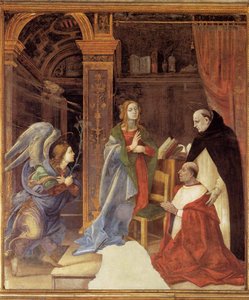
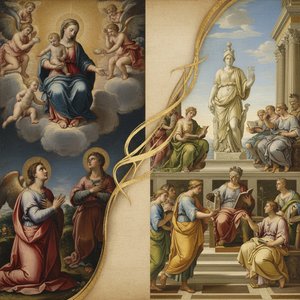
Assumption and Annunciation (detail)


 Weiterlesen
Handgefertigte Ölreproduktion
Handgemaltes Ölgemälde auf Leinwand in Ihrer Wunschgröße und mit Rahmen, auf Bestellung von unseren Künstlern angefertigt. ( Druck bestellen Bild kaufen)




P118B $10

P118H $10

P118W $10

P438Z $10

P508JH $12

P508YH $12

P805H $10

P805Z $10

P919BZ $10

P919G $10

P919XJ $10

P959ZH $10

P968JZ $12

W106C $8

W218G $10

W218JH $8

W218Y $10

W307PJ $10

W316G $10

W316PJ $8

W316Y $10

W398PJ $8

W4111J $10

W500HY $15

W500JH $15

W692G $12

W849H $8

W940BG $15

W953PJ $8




Wählen Sie aus unseren vordefinierten Formaten, die den ursprünglichen Proportionen des Kunstwerks entsprechen.

Sie können Ihre eigenen Maße eingeben, um einen bestimmten Rahmen oder Platz auszufüllen. Wenn die gewählte Größe nicht den Proportionen des Originalbildes entspricht, werden wir das Kunstwerk entweder beschneiden oder das Gemälde durch zusätzliche, handgemalte Elemente erweitern. Ein digitales Mockup wird Ihnen zur Genehmigung zugesandt, bevor die Produktion beginnt.
Bitte beachten Sie, dass die Bildschirmvorschau nicht die tatsächliche Beschneidung oder Erweiterung widerspiegelt. Nur das Mockup zeigt die endgültige Komposition exakt an.
Obwohl Sondermaße verfügbar sind, empfehlen wir, eine Größe aus der vordefinierten Liste zu wählen, um die ursprünglichen Proportionen beizubehalten.
Nach der Bestellung wird das ArtsDot.com-Team dem Kunden Anweisungen per E-Mail zusenden und eine Mockup-Vorschau bereitstellen.
Weltweiter Versand () in nur 3 bis 4 Wochen statt der üblichen 5 Wochen. (2 September). Keine Kompromisse bei der Qualität.

Kostenloser weltweiter Expressversand

Hochwertige Leinenleinwand

Umfassender Versicherungsschutz beim Versand

Zollgebühren-Rückerstattungsgarantie

Garantie für exakte Farbtreue

60 Tage Rückgaberecht (nur bei Mängeln)

100% Geld-zurück-Garantie

Mengenrabatt verfügbar
 Die Glasoption ist nur für Größen unter 110 cm verfügbar.

Assumption and Annunciation (detail)
Art der Reproduktion
Format der Reproduktion
-


Gesamtpreis
$ 263
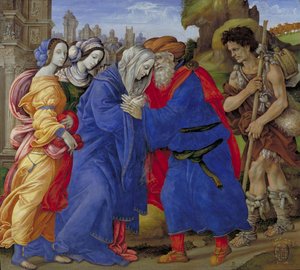
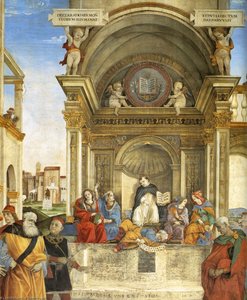
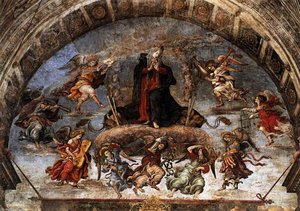
A Moment Frozen in Time: Analyzing Filippino Lippi’s Assumption and Annunciation
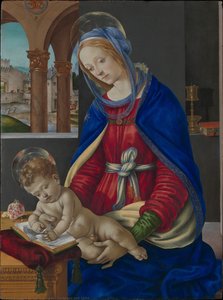
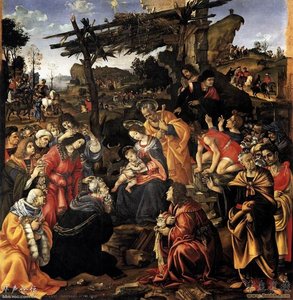
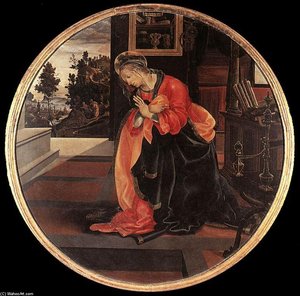
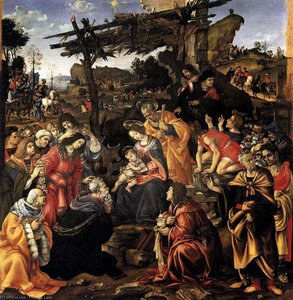
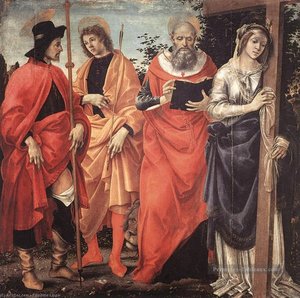
The fresco depicting “Assumption and Annunciation” by Filippino Lippi remains an arresting testament to the High Renaissance's mastery of visual storytelling. Located within Santa Maria sopra Minerva, Rome—a church commissioned by Cardinal Carafa—this monumental artwork transcends mere depiction; it strives to convey a profound theological narrative imbued with humanist ideals. Completed in 1489-91 alongside Masolino and Perugino, the chapel’s decoration represents a collaborative effort to elevate spiritual contemplation through artistic excellence.The Scene Unfolds: Composition and Narrative
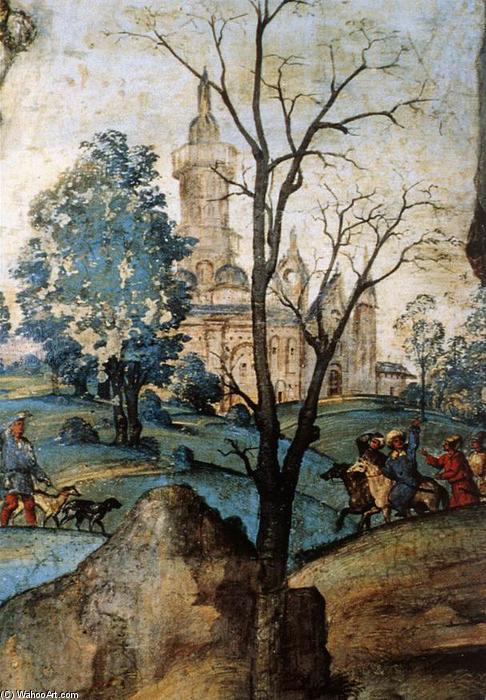
Lippi's fresco captures a pivotal moment from Christian iconography – Mary ascending into Heaven accompanied by angels, signifying her glorification and foreshadowing Christ’s ascension. The composition is deliberately theatrical, designed to draw the viewer’s eye upwards towards the central figure of Mary, bathed in ethereal light. Surrounding her are several figures engaged in various activities: a man leading a cow—a deliberate allusion to Genesis 32—towards a welcoming group; another man holding a dog on a leash—symbolizing fidelity and obedience—further emphasizing the moral dimension of the scene. Two women converse calmly, representing contemplation and piety. The overarching architectural backdrop – a stylized castle reminiscent of Florentine palaces – reinforces the grandeur of divine majesty.Technique and Style: Renaissance Precision
Lippi’s technique exemplifies the meticulous precision characteristic of the Renaissance. Employing tempera paint on plaster—a favored medium for monumental frescoes—he achieved remarkable luminosity and depth through careful layering and glazing techniques. The artist skillfully utilized sfumato, a subtle blending of colors that softens contours and creates an atmospheric haze, enhancing the sense of realism while simultaneously conveying spiritual transcendence. Detailed observation of human anatomy is evident in the figures’ postures and expressions, reflecting the humanist influence prevalent during Lippi's time. The fresco’s palette leans towards muted hues—primarily blues, reds, and golds—creating a harmonious visual experience that underscores the solemnity of the subject matter.Historical Context: Patronage and Artistic Innovation
The commission for Santa Maria sopra Minerva reflects the papal patronage of the arts during Lorenzo de' Medici’s reign in Florence. Lippi’s work stands alongside other ambitious projects aimed at glorifying God through artistic splendor, demonstrating the Renaissance commitment to elevating human intellect and creativity. Furthermore, “Assumption and Annunciation” represents a significant advancement in fresco painting—a technique that had been largely superseded by oil paint—demonstrating Lippi's willingness to embrace innovation while adhering to established stylistic conventions. It’s considered one of Masaccio’s unfinished decoration in the Brancacci Chapel alongside Masolino, highlighting the collaborative spirit of artistic endeavors during this period.Emotional Resonance: Beauty and Spiritual Reflection
Ultimately, Filippino Lippi’s “Assumption and Annunciation” transcends mere visual representation; it aspires to evoke a profound emotional response from the viewer. The serene atmosphere—characterized by clear skies and lush foliage—contrasts sharply with the monumental architecture, creating a dramatic interplay of light and shadow that draws attention to the central figure of Mary. The artwork’s beauty serves as a conduit for spiritual contemplation, inviting viewers to contemplate themes of faith, humility, and divine grace. It remains an enduring masterpiece—a testament to the transformative power of art to inspire awe and elevate the human spirit.Ähnliche Kunstwerke
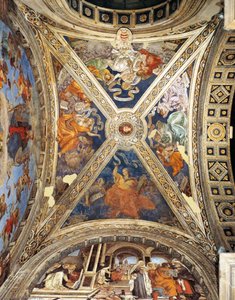
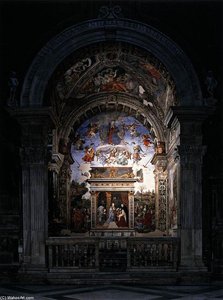

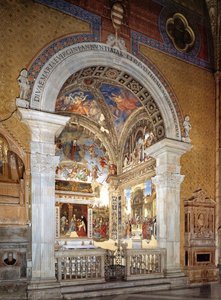
Über den Künstler
Frühe Jahre und Ausbildung
- Geboren: April 1457, Prato, Italien
- Gestorben: April 1504
- Eltern: Fra Filippo Lippi (Maler) und Lucrezia Buti
- Filippino war der uneheliche Sohn eines renommierten Malers.
- Die frühe Ausbildung unter seinem Vater legte den Grundstein für seine künstlerische Karriere.
Künstlerische Laufbahn und Entwicklung
- Frühe Periode (1475-1480): Anfängliche Werke, wie Madonnen, zeigten einen weniger verfeinerten Stil. Diese wurden zunächst einem anonymen Künstler namens "amico di Sandro" zugeschrieben.
- Entwicklung (1480-1485): Entwicklung eines persönlichen und effektiven Ansatzes in Werken wie den *Reisen des Tobias*.
- Maturität (1485-1504): Beherrschung des Hochrenaissance-Stils, veranschaulicht durch die *Erscheinung Christi der Jungfrau*.
Hauptwerke und Kollaborationen
- Zusammenarbeit mit Perugino, Ghirlandaio und Botticelli an Fresken in Lorenzos de' Medicis Villa.
- Vollendung der unvollendeten Dekoration von Masaccio in der Brancacci-Kapelle zusammen mit Masolino.
- Bemerkenswerte Werke sind: *Die Krönung der Jungfrau*, *Tobias und der Engel*, *St. Hieronymus* und *Szene aus dem Leben des Heiligen Thomas*.
Einflüsse und künstlerischer Stil
- Frühe Einflüsse: Sandro Botticelli, Fra Filippo Lippi.
- Stileigenschaften: Animierte Form und Linie, warmer Kolorit, detaillierte Landschaften, ausdrucksstarke Figuren und eine Mischung aus Perspektivgeometrie mit intimen Innenräumen.
- Römische Altertümer: Studien nach römischen Altertümern während seiner Zeit in Rom beeinflussten seine Arbeit und integrierten einen antiken Wortschatz in seine Kunst.
Historische Bedeutung und Vermächtnis
- Ein führender florentinischer Vertreter der Tradition großer Freskenzyklen.
- Sein Einfluss auf die Hochrenaissance ist unbestreitbar.
- Werke sind in Museen auf der ganzen Welt zu finden, darunter in der Uffizien-Galerie in Florenz.
- Bekannt dafür, die Kluft zwischen früheren Renaissance-Stilen und der entstehenden Hochrenaissance-Ästhetik zu überbrücken.
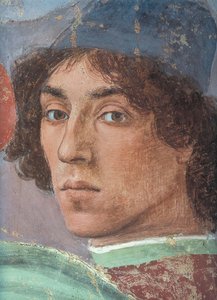
Filippino Lippi
1457 - 1504 , Italien
Kurzinfos
- Beeinflusste Künstler:
- Fra Filippo Lippi
- Sandro Botticelli
- Bemerkenswerte Werke:
- Coronation of the Virgin
- Tobias and the Angel
- St Jerome
- Geburtsdatum: April 1457
- Geburtsort: Prato, Italien
- Künstlerische Richtung: Hochrenaissance
- Nationalität: Italienisch
- Sterbedatum: April 1504
- Vollständiger Name: Filippino Lippi
- Von Künstlern Beeinflusst: ['Masaccio']
Ähnliche Artikel

Das Familienerbe an die Wand bringen: Wandgemälde als Generationenschatz
Verwandeln Sie Ihre Familiengeschichte in ein beeindruckendes Wandgemälde! Expertenrat & hochwertige Handwerkskunst für einzigartige Kunstwerke, die Generationen verbinden. Entdecken Sie jetzt!
Filippino Lippi: Renaissance-Innovation zwischen Glauben und Humanismus – Ein Meister der Florentiner Malerei
Entdecken Sie Filippino Lippi, einen Meister der Florentiner Renaissance! Erfahren Sie mehr über seinen einzigartigen Stil, monumentale Werke und seinen Einfluss auf die Kunstgeschichte. Expertenwissen & detaillierte Analysen.

The Enduring Legacy of Fresco Painting: Techniques, History & Contemporary Relevance
Explore the rich history & enduring artistry of fresco painting – from Giotto to Michelangelo! Discover techniques, conservation efforts, & modern applications. Learn how ArtsDot brings this timeless art form to your home.

The Enduring Legacy of Fresco: Technique, History & Artistic Expression Across Cultures
Explore the rich history & enduring legacy of fresco painting! Discover ancient techniques, Giotto's masterpieces, and modern applications. Expert insights for art lovers & professionals.

Kunst, die mit Ihnen lebt: Emotionale Kraft individueller Innenraumfresken
Entdecken Sie die emotionale Kraft individueller Innenraumfresken! Expertenberatung & hochwertige Wandmalerei für Hotels, Wohnräume & mehr. – Ihr Partner für einzigartige Kunst.