 Vorschau anzeigen
 Versenden
 Teilen
 Details anzeigen

 Herunterladen
 Ähnliche Objekte
 Röntgenaufnahme
 Diashow
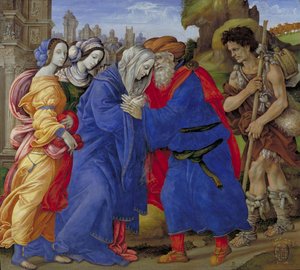
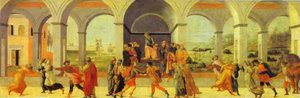
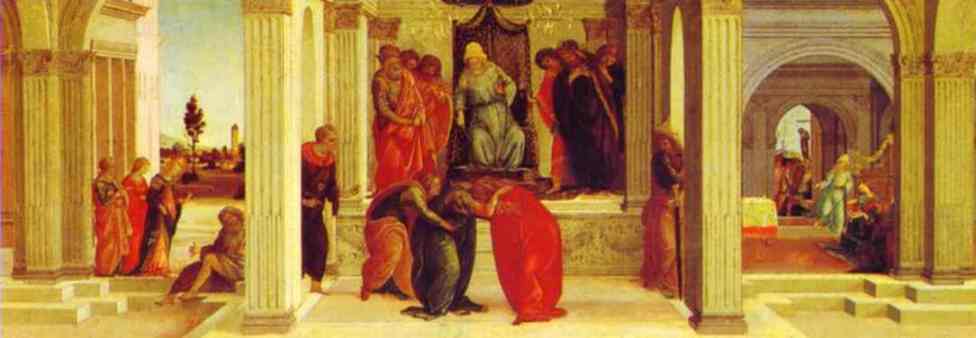
Three Scenes from the Story of Esther


 Weiterlesen
Handgefertigte Ölreproduktion
Handgemaltes Ölgemälde auf Leinwand in Ihrer Wunschgröße und mit Rahmen, auf Bestellung von unseren Künstlern angefertigt. ( Druck bestellen Bild kaufen)




P118B $10

P118H $10

P118W $10

P438Z $10

P508JH $12

P508YH $12

P805H $10

P805Z $10

P919BZ $10

P919G $10

P919XJ $10

P959ZH $10

P968JZ $12

W106C $8

W218G $10

W218JH $8

W218Y $10

W307PJ $10

W316G $10

W316PJ $8

W316Y $10

W398PJ $8

W4111J $10

W500HY $15

W500JH $15

W692G $12

W849H $8

W940BG $15

W953PJ $8




Wählen Sie aus unseren vordefinierten Formaten, die den ursprünglichen Proportionen des Kunstwerks entsprechen.

Sie können Ihre eigenen Maße eingeben, um einen bestimmten Rahmen oder Platz auszufüllen. Wenn die gewählte Größe nicht den Proportionen des Originalbildes entspricht, werden wir das Kunstwerk entweder beschneiden oder das Gemälde durch zusätzliche, handgemalte Elemente erweitern. Ein digitales Mockup wird Ihnen zur Genehmigung zugesandt, bevor die Produktion beginnt.
Bitte beachten Sie, dass die Bildschirmvorschau nicht die tatsächliche Beschneidung oder Erweiterung widerspiegelt. Nur das Mockup zeigt die endgültige Komposition exakt an.
Obwohl Sondermaße verfügbar sind, empfehlen wir, eine Größe aus der vordefinierten Liste zu wählen, um die ursprünglichen Proportionen beizubehalten.
Nach der Bestellung wird das ArtsDot.com-Team dem Kunden Anweisungen per E-Mail zusenden und eine Mockup-Vorschau bereitstellen.
Weltweiter Versand () in nur 3 bis 4 Wochen statt der üblichen 5 Wochen. (24 August). Keine Kompromisse bei der Qualität.

Kostenloser weltweiter Expressversand

Hochwertige Leinenleinwand

Umfassender Versicherungsschutz beim Versand

Zollgebühren-Rückerstattungsgarantie

Garantie für exakte Farbtreue

60 Tage Rückgaberecht (nur bei Mängeln)

100% Geld-zurück-Garantie

Mengenrabatt verfügbar
 Die Glasoption ist nur für Größen unter 110 cm verfügbar.

Three Scenes from the Story of Esther
Art der Reproduktion
Format der Reproduktion
-


Gesamtpreis
$ 263
Beschreibung des Kunstwerks
Three Scenes from the Story of Esther by Filippino Lippi
This magnificent depiction of biblical narrative—the tale of Esther, Queen of Persia—stands as a testament to the artistic prowess of Filippino Lippi and embodies the spirit of High Renaissance Florence. Commissioned for a lavish wedding chest (forzieri) destined for a wealthy Florentine family, these six panels represent a pivotal moment in Christian iconography and showcase Lippi’s masterful command of perspective and color.A Symphony of Color and Composition
The overall impression is one of grandeur and solemn reverence. Dominating the scene is a monumental architectural setting—a colonnaded hall adorned with arches—designed to convey both stability and divine majesty. The palette leans heavily into warm earth tones: ochre, browns, and reds – hues that evoke the richness of Florentine aristocratic interiors during Lippi’s time. Strategic use of gold leaf highlights key figures, particularly within the central panel depicting Mary holding Jesus, emphasizing their spiritual significance. Lines delineate architectural elements with precision, while organic shapes—primarily human forms—are rendered with remarkable realism, albeit subtly idealized. The diffused lighting contributes to a serene atmosphere and draws attention to the focal points of the composition.Renaissance Innovation Bridging Faith & Humanism
Filippino Lippi’s artistic journey began under the tutelage of Sandro Botticelli, marking him as a pivotal figure in Florentine Renaissance art. Early works like *Journeys of Tobias* demonstrated a nascent style characterized by an eagerness to explore innovative techniques and stylistic approaches. However, it was his collaboration with Masaccio on the Brancacci Chapel frescoes—a project tragically cut short by Masaccio’s untimely death—that cemented Lippi's reputation as a visionary artist committed to capturing human emotion and anatomical accuracy within a classical framework.The Narrative Power of Biblical Imagery
These six panels recount key episodes from Esther’s story, illustrating her courageous defiance against King Ahaseuerus’s decree to persecute the Jewish people. The central panel depicts Mary cradling Jesus—a deliberate allusion to the Virgin Mary and Child—representing divine compassion and embodying Christian theological symbolism. Surrounding Mary are onlookers who express sorrow and concern for the plight of the persecuted Jews, reinforcing the narrative's moral dimension. The meticulous depiction of drapery folds and architectural details underscores Lippi’s dedication to realism while simultaneously elevating the scene to a level of spiritual grandeur.A Legacy Enduring Through Time
The *Three Scenes from the Story of Esther* exemplify Lippi’s mastery of High Renaissance style, blending classical influences with humanist ideals. Their enduring appeal lies in their ability to convey profound emotion and theological contemplation—a testament to Lippi's artistic genius and his contribution to the visual language of Christian faith. The panels are now housed in prestigious museums across Europe and Canada, ensuring that this masterpiece continues to inspire admiration for generations to come.- Provenance: Originally commissioned for a wedding chest (forzieri) in Florence.
- Materials: Tempera on wood panel
- Dimensions: Approximately 48.5 × 131 cm
Additional Research:
Explore 'Three Scenes from the Story of Esther' by Filippino Lippi! A stunning Renaissance masterpiece featuring biblical narrative & classical architecture. Admire its rich detail & serene beauty. Explore 'Three Scenes from the Story of Esther' Discover Filippino Lippi, a Renaissance master bridging faith & humanism through innovative art. Learn More About Filippino LippiDetailed Analysis:
Recent infrared reflectography and x-ray imaging have revealed fascinating insights into the painting’s technique. Scholars believe that *La Derelitta* and *The Triumph of Mordecai* are entirely by Botticelli, while *Esther at the Palace Gate* may be attributed to Lippi alone, aided by another painter in the draperies.
Where to See It:
These panels can be found at The Musée Condé, Chantilly, France.
Ähnliche Kunstwerke
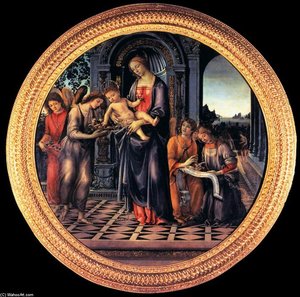
Über den Künstler
Frühe Jahre und Ausbildung
- Geboren: April 1457, Prato, Italien
- Gestorben: April 1504
- Eltern: Fra Filippo Lippi (Maler) und Lucrezia Buti
- Filippino war der uneheliche Sohn eines renommierten Malers.
- Die frühe Ausbildung unter seinem Vater legte den Grundstein für seine künstlerische Karriere.
Künstlerische Laufbahn und Entwicklung
- Frühe Periode (1475-1480): Anfängliche Werke, wie Madonnen, zeigten einen weniger verfeinerten Stil. Diese wurden zunächst einem anonymen Künstler namens "amico di Sandro" zugeschrieben.
- Entwicklung (1480-1485): Entwicklung eines persönlichen und effektiven Ansatzes in Werken wie den *Reisen des Tobias*.
- Maturität (1485-1504): Beherrschung des Hochrenaissance-Stils, veranschaulicht durch die *Erscheinung Christi der Jungfrau*.
Hauptwerke und Kollaborationen
- Zusammenarbeit mit Perugino, Ghirlandaio und Botticelli an Fresken in Lorenzos de' Medicis Villa.
- Vollendung der unvollendeten Dekoration von Masaccio in der Brancacci-Kapelle zusammen mit Masolino.
- Bemerkenswerte Werke sind: *Die Krönung der Jungfrau*, *Tobias und der Engel*, *St. Hieronymus* und *Szene aus dem Leben des Heiligen Thomas*.
Einflüsse und künstlerischer Stil
- Frühe Einflüsse: Sandro Botticelli, Fra Filippo Lippi.
- Stileigenschaften: Animierte Form und Linie, warmer Kolorit, detaillierte Landschaften, ausdrucksstarke Figuren und eine Mischung aus Perspektivgeometrie mit intimen Innenräumen.
- Römische Altertümer: Studien nach römischen Altertümern während seiner Zeit in Rom beeinflussten seine Arbeit und integrierten einen antiken Wortschatz in seine Kunst.
Historische Bedeutung und Vermächtnis
- Ein führender florentinischer Vertreter der Tradition großer Freskenzyklen.
- Sein Einfluss auf die Hochrenaissance ist unbestreitbar.
- Werke sind in Museen auf der ganzen Welt zu finden, darunter in der Uffizien-Galerie in Florenz.
- Bekannt dafür, die Kluft zwischen früheren Renaissance-Stilen und der entstehenden Hochrenaissance-Ästhetik zu überbrücken.
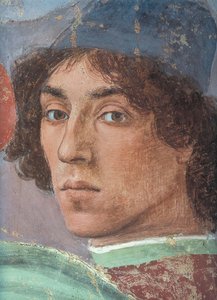
Filippino Lippi
1457 - 1504 , Italien
Kurzinfos
- Beeinflusste Künstler:
- Fra Filippo Lippi
- Sandro Botticelli
- Bemerkenswerte Werke:
- Coronation of the Virgin
- Tobias and the Angel
- St Jerome
- Geburtsdatum: April 1457
- Geburtsort: Prato, Italien
- Künstlerische Richtung: Hochrenaissance
- Nationalität: Italienisch
- Sterbedatum: April 1504
- Vollständiger Name: Filippino Lippi
- Von Künstlern Beeinflusst: ['Masaccio']
Ähnliche Artikel
Filippino Lippi: Renaissance-Innovation zwischen Glauben und Humanismus – Ein Meister der Florentiner Malerei
Entdecken Sie Filippino Lippi, einen Meister der Florentiner Renaissance! Erfahren Sie mehr über seinen einzigartigen Stil, monumentale Werke und seinen Einfluss auf die Kunstgeschichte. Expertenwissen & detaillierte Analysen.
Filippo Lippi: Zwischen religiöser Andacht und künstlerischer Innovation der Renaissance
Entdecken Sie das faszinierende Leben und Werk von Filippo Lippi, einem Schlüsselkünstler der Renaissance. Analysen seiner Meisterwerke, Einflüsse & Vermächtnis – Expertenwissen für Kunstliebhaber auf ArtsDot.
Meisterwerke des Hochmittelalters: 10 Kunstwerke für Ihr Zuhause | ArtsDot
Entdecken Sie die 10 bedeutendsten Meisterwerke des Hochmittelalters! Erfahren Sie Geschichten von Romanik, Gotik & berühmten Künstlern. Finden Sie hochwertige Reproduktionen für Ihr Zuhause auf ArtsDot.com.
Spätmittelalterliche Meisterwerke: 10 Kunstwerke für Ihr Zuhause | ArtsDot
Entdecken Sie die 10 bedeutendsten Meisterwerke des Spätmittelalters! Erfahren Sie die Geschichten hinter Jan van Eyck, Rogier van der Weyden & mehr. Hochwertige Kunst Reproduktionen für Ihr Zuhause – jetzt auf ArtsDot.com!
Illuminating Faith & Power: A Journey Through Medieval Art (c. 500 – c. 1500)
Explore the rich history of Medieval Art (c. 500 – c. 1500) with ArtsDot. Discover Byzantine mosaics, Gothic cathedrals & Renaissance masterpieces. Expert insights & museum-quality reproductions.