

 Versenden
 Teilen
 Details anzeigen

 Herunterladen
 Ähnliche Objekte
 Diashow
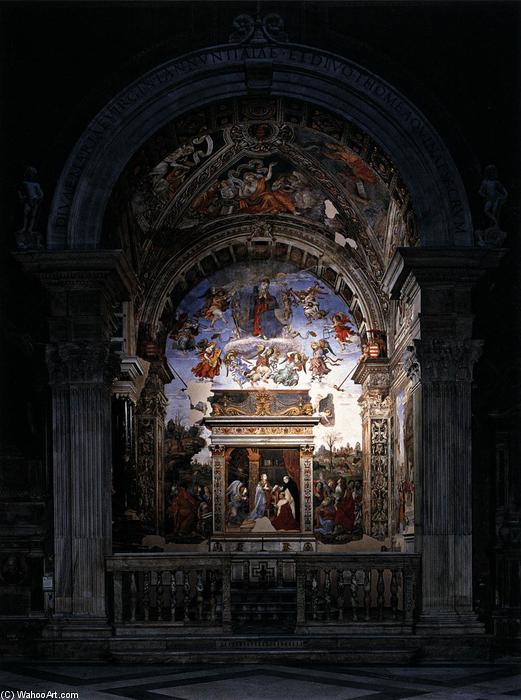
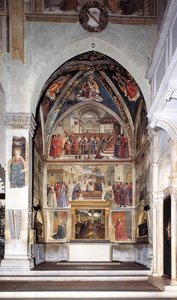
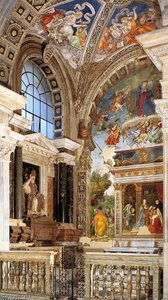
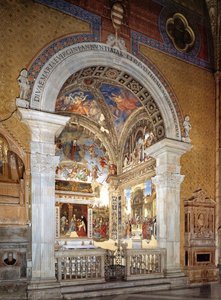
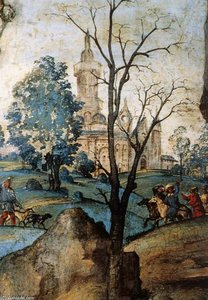
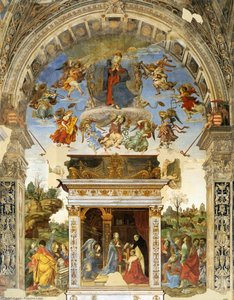
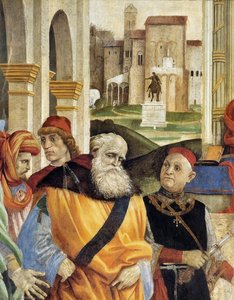
View of the Carafa Chapel


 Weiterlesen
Erwerben Sie ein hochauflösendes, optimiertes digitales Bild, das der Online-Vorschau weit überlegen ist.
Jede Datei wird von unseren hauseigenen Spezialisten mit modernsten Werkzeugen und fachmännischer manueller Retusche sorgfältig vorbereitet. Wir stellen sicher, dass jedes Bild eine außergewöhnliche Klarheit, präzise Farbgenauigkeit und feinste Details aufweist.
Die endgültige Datei wird innerhalb von 72 Stunden per E-Mail zugestellt und ist für den sofortigen Einsatz in professionellen, redaktionellen und Druckumgebungen optimiert. Es handelt sich um dieselbe Qualität, der führende Designstudios, Verlage und Galerien vertrauen.
Digitales Bild
Laden Sie eine hochauflösende Datei für die persönliche Präsentation, den Druck und kreative Projekte herunter. ( Druck bestellen Handgemalte Reproduktion bestellen)
In jeder Bestellung digitaler Bilder enthalten
Professionelle digitale Bereitstellung, garantiert
Wenn Sie sich für ArtsDot.com entscheiden, erhalten Sie nicht nur ein Bild – Sie erhalten ein professionell aufbereitetes digitales Kunstwerk, das mit höchster Präzision erstellt und durch eine Zufriedenheitsgarantie abgesichert wird. Hier ist alles, was automatisch mit Ihrer Bestellung geliefert wird:

Schnelle E-Mail-Zustellung
Ihre hochauflösende digitale Bilddatei wird Ihnen innerhalb von 72 Stunden nach der Bestellung per E-Mail zugestellt – bereit zur sofortigen Verwendung.

KI-optimierte digitale Datei
Ihre Kunstwerke werden professionell mithilfe fortschrittlicher KI-Tools und manueller Bearbeitung optimiert, um maximale Detailtreue, Klarheit und Farbgenauigkeit zu gewährleisten.

Lebenslanger kostenloser Neudruckservice
Datei versehentlich gelöscht oder verloren? Keine Sorge – wir senden sie Ihnen jederzeit kostenlos erneut zu.

Keine Einfuhrgebühren – jemals
Genießen Sie Ihr Kunstwerk sofort ohne Zollgebühren, Einfuhrabgaben oder Versandkosten – digitale Downloads sind immer steuerfrei.

Garantierte Farbtreue
Wir garantieren, dass Ihr digitales Bild mithilfe professioneller Werkzeuge und Farbmanagement die Originalfarben so präzise wie möglich wiedergibt.

60-Tage-Zufriedenheitsgarantie
Sollten Sie mit Ihrem digitalen Bild nicht zufrieden sein, werden wir es überarbeiten oder Ihnen innerhalb von 60 Tagen 100% erstatten – ohne Wenn und Aber.

100% Geld-zurück-Garantie
Nicht zufrieden? Erhalten Sie innerhalb von 60 Tagen nach Erhalt Ihrer digitalen Datei eine vollständige Rückerstattung – ohne Angabe von Gründen.

Rabatte bei Großbestellungen
3 Bilder kaufen, 10% sparen – 5 Bilder kaufen, 15% sparen – Ab 10 Bildern 20% sparen. Ideal für kreative Projekte, Galerien und Agenturen.
The Carafa Chapel: A Symphony of Faith and Florentine Genius
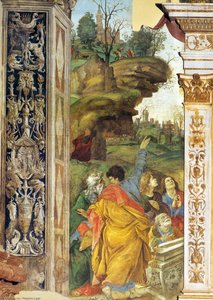
Within the heart of Santa Maria sopra Minerva in Rome lies the Carafa Chapel, a breathtaking testament to the artistic prowess of Filippino Lippi and a pivotal moment in Renaissance fresco painting. Completed between 1489 and 1491 for Cardinal Oliviero Carafa, this chapel is more than just a religious space; it’s a vibrant narrative unfolding across its walls—a carefully orchestrated dialogue between faith, humanism, and the burgeoning artistic innovations of the era. The chapel's significance extends beyond its exquisite decoration, offering a rare glimpse into the complex interplay of power, patronage, and artistic vision that defined 15th-century Florence.
Lippi’s design for the Carafa Chapel was ambitious, encompassing not only the vault but also the walls above the high altar and the side panels. He masterfully employed a technique known as “sotto in su” – meaning “from below,” which involved painting from the floor upwards, creating an illusion of depth and three-dimensionality that was revolutionary for its time. This approach, heavily influenced by Masaccio’s groundbreaking work in the Brancacci Chapel, allowed Lippi to capture a sense of immediacy and realism previously unseen in fresco cycles. The result is a dynamic composition where figures seem to emerge directly from the wet plaster, imbued with life and movement.
The Vault: Sibyls and the Medici Echo
The vault of the Carafa Chapel immediately captivates with its depiction of four Sibyls – prophetic women revered throughout Christian tradition. These aren’t merely static figures; they are rendered in a dramatic, almost theatrical pose, their hands raised towards the heavens as if channeling divine inspiration. Lippi's masterful use of perspective and light draws the viewer into this celestial realm, creating a sense of awe and wonder. Notably, within each Sibyl’s triangular frame, a subtle but significant detail emerges: a medallion bearing the coat of arms of Lorenzo de’ Medici, Florence’s powerful ruler. This inclusion wasn't accidental; it was a clear expression of gratitude to the Medici for their support of Lippi’s commission and a strategic alliance between the Cardinal and the influential family.
The intricate patterns surrounding the Sibyls—a swirling combination of branches, diamonds, and books—further reinforce this connection. The books symbolize knowledge and wisdom, while the branching forms evoke the Medici family emblem, a stylized depiction of a laurel wreath. This carefully constructed visual language demonstrates Lippi’s skill in seamlessly integrating political and religious themes into his artistic vision.
The Central Panels: Annunciation and Assumption
Moving to the central panels, we encounter two monumental scenes – the Annunciation and the Assumption of the Virgin Mary. The Annunciation is particularly striking for its unconventional composition. Instead of depicting the angel Gabriel delivering the news in a traditional setting, Lippi places St. Thomas presenting to Mary a kneeling Cardinal Carafa. This innovative arrangement highlights the importance of patronage within the context of religious art, suggesting that divine grace was often intertwined with earthly power and influence. The background is filled with a richly detailed interior scene, complete with a barrel vault, shelves laden with books, and a still life featuring a carafe – a symbol of purity – and an olive branch, alluding to Carafa’s command of the papal fleet.
The Assumption, flanking the Annunciation, presents a vision of Mary ascending into heaven. The scene is framed by radiant angels, creating a sense of ethereal beauty and spiritual transcendence. The figures are rendered with remarkable grace and fluidity, showcasing Lippi's mastery of anatomy and his ability to capture the emotional depth of religious experience.
A Legacy in Fresco
The Carafa Chapel stands as a landmark achievement in Renaissance fresco painting, representing a synthesis of artistic innovation, humanist ideals, and political patronage. Filippino Lippi’s work here is not merely decorative; it's a complex narrative that reflects the cultural and intellectual currents of 15th-century Florence. The chapel’s vibrant colors, dynamic compositions, and masterful use of perspective continue to captivate viewers today, offering a profound insight into the artistic genius of one of Italy’s most celebrated Renaissance painters.
Today, reproductions of this magnificent artwork are available through ArtsDot, allowing art enthusiasts worldwide to experience the beauty and depth of Lippi's masterpiece in their own homes.
Ähnliche Kunstwerke
Biografie des Künstlers
Frühe Jahre und Ausbildung
- Geboren: April 1457, Prato, Italien
- Gestorben: April 1504
- Eltern: Fra Filippo Lippi (Maler) und Lucrezia Buti
- Filippino war der uneheliche Sohn eines renommierten Malers.
- Die frühe Ausbildung unter seinem Vater legte den Grundstein für seine künstlerische Karriere.
Künstlerische Laufbahn und Entwicklung
- Frühe Periode (1475-1480): Anfängliche Werke, wie Madonnen, zeigten einen weniger verfeinerten Stil. Diese wurden zunächst einem anonymen Künstler namens "amico di Sandro" zugeschrieben.
- Entwicklung (1480-1485): Entwicklung eines persönlichen und effektiven Ansatzes in Werken wie den *Reisen des Tobias*.
- Maturität (1485-1504): Beherrschung des Hochrenaissance-Stils, veranschaulicht durch die *Erscheinung Christi der Jungfrau*.
Hauptwerke und Kollaborationen
- Zusammenarbeit mit Perugino, Ghirlandaio und Botticelli an Fresken in Lorenzos de' Medicis Villa.
- Vollendung der unvollendeten Dekoration von Masaccio in der Brancacci-Kapelle zusammen mit Masolino.
- Bemerkenswerte Werke sind: *Die Krönung der Jungfrau*, *Tobias und der Engel*, *St. Hieronymus* und *Szene aus dem Leben des Heiligen Thomas*.
Einflüsse und künstlerischer Stil
- Frühe Einflüsse: Sandro Botticelli, Fra Filippo Lippi.
- Stileigenschaften: Animierte Form und Linie, warmer Kolorit, detaillierte Landschaften, ausdrucksstarke Figuren und eine Mischung aus Perspektivgeometrie mit intimen Innenräumen.
- Römische Altertümer: Studien nach römischen Altertümern während seiner Zeit in Rom beeinflussten seine Arbeit und integrierten einen antiken Wortschatz in seine Kunst.
Historische Bedeutung und Vermächtnis
- Ein führender florentinischer Vertreter der Tradition großer Freskenzyklen.
- Sein Einfluss auf die Hochrenaissance ist unbestreitbar.
- Werke sind in Museen auf der ganzen Welt zu finden, darunter in der Uffizien-Galerie in Florenz.
- Bekannt dafür, die Kluft zwischen früheren Renaissance-Stilen und der entstehenden Hochrenaissance-Ästhetik zu überbrücken.
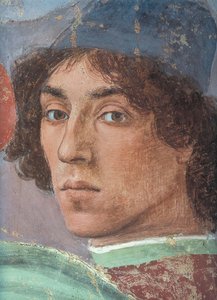
Filippino Lippi
1457 - 1504 , Italien
Kurzinfos
- Beeinflusste Künstler:
- Fra Filippo Lippi
- Sandro Botticelli
- Bemerkenswerte Werke:
- Coronation of the Virgin
- Tobias and the Angel
- St Jerome
- Geburtsdatum: April 1457
- Geburtsort: Prato, Italien
- Künstlerische Richtung: Hochrenaissance
- Nationalität: Italienisch
- Sterbedatum: April 1504
- Vollständiger Name: Filippino Lippi
- Von Künstlern Beeinflusst: ['Masaccio']

