 Vorschau anzeigen
 Versenden
 Teilen
 Details anzeigen

 Herunterladen
 Ähnliche Objekte
 Röntgenaufnahme
 Diashow
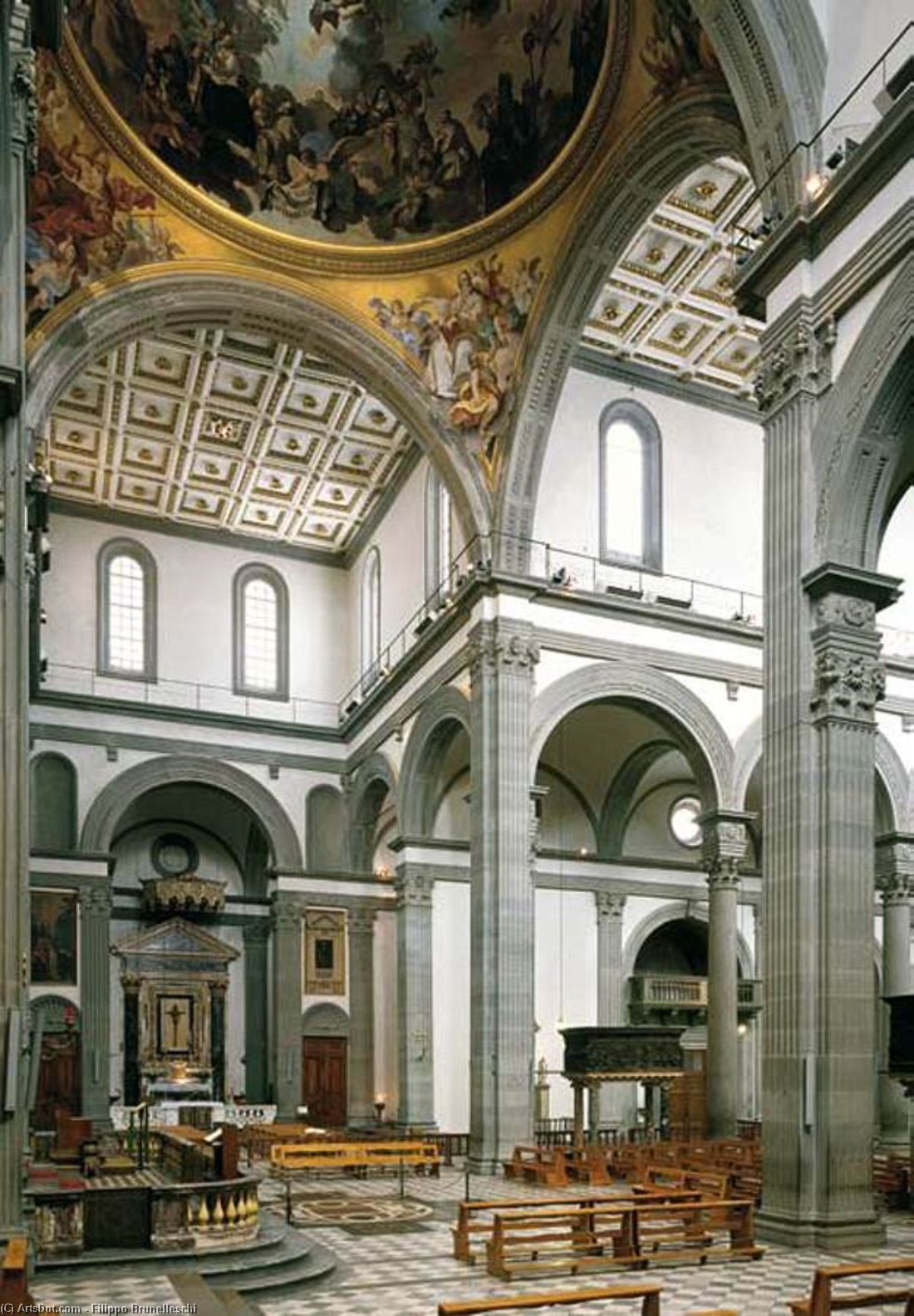
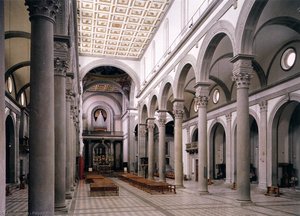
View of the central nave


 Weiterlesen
Handgefertigte Ölreproduktion
Handgemaltes Ölgemälde auf Leinwand in Ihrer Wunschgröße und mit Rahmen, auf Bestellung von unseren Künstlern angefertigt. ( Druck bestellen Bild kaufen)




P118B $10

P118H $10

P118W $10

P438Z $10

P508JH $12

P508YH $12

P805H $10

P805Z $10

P919BZ $10

P919G $10

P919XJ $10

P959ZH $10

P968JZ $12

W106C $8

W218G $10

W218JH $8

W218Y $10

W307PJ $10

W316G $10

W316PJ $8

W316Y $10

W398PJ $8

W4111J $10

W500HY $15

W500JH $15

W692G $12

W849H $8

W940BG $15

W953PJ $8




Wählen Sie aus unseren vordefinierten Formaten, die den ursprünglichen Proportionen des Kunstwerks entsprechen.

Sie können Ihre eigenen Maße eingeben, um einen bestimmten Rahmen oder Platz auszufüllen. Wenn die gewählte Größe nicht den Proportionen des Originalbildes entspricht, werden wir das Kunstwerk entweder beschneiden oder das Gemälde durch zusätzliche, handgemalte Elemente erweitern. Ein digitales Mockup wird Ihnen zur Genehmigung zugesandt, bevor die Produktion beginnt.
Bitte beachten Sie, dass die Bildschirmvorschau nicht die tatsächliche Beschneidung oder Erweiterung widerspiegelt. Nur das Mockup zeigt die endgültige Komposition exakt an.
Obwohl Sondermaße verfügbar sind, empfehlen wir, eine Größe aus der vordefinierten Liste zu wählen, um die ursprünglichen Proportionen beizubehalten.
Nach der Bestellung wird das ArtsDot.com-Team dem Kunden Anweisungen per E-Mail zusenden und eine Mockup-Vorschau bereitstellen.
Weltweiter Versand () in nur 3 bis 4 Wochen statt der üblichen 5 Wochen. (22 August). Keine Kompromisse bei der Qualität.

Kostenloser weltweiter Expressversand

Hochwertige Leinenleinwand

Umfassender Versicherungsschutz beim Versand

Zollgebühren-Rückerstattungsgarantie

Garantie für exakte Farbtreue

60 Tage Rückgaberecht (nur bei Mängeln)

100% Geld-zurück-Garantie

Mengenrabatt verfügbar
 Die Glasoption ist nur für Größen unter 110 cm verfügbar.

View of the central nave
Art der Reproduktion
Format der Reproduktion
-


Gesamtpreis
$ 263
Beschreibung des Kunstwerks
Filippo Brunelleschi’s “View of the Central Nave”: A Renaissance Masterpiece
Within the hallowed halls of the Basilica di San Lorenzo in Florence resides a painting that transcends mere representation; it is Filippo Brunelleschi's "View of the Central Nave," a pivotal work capturing not just architectural space, but the very spirit of the burgeoning Renaissance. Completed around 1420, this fresco isn’t simply a depiction of a church interior—it’s a calculated demonstration of perspective, a testament to Brunelleschi’s genius as both architect and artist, and a foundational piece in the development of Western art.
Brunelleschi, already renowned for his revolutionary design of the Florence Cathedral dome, sought to push the boundaries of artistic convention. He wasn't merely aiming to paint a beautiful scene; he was grappling with the challenge of accurately portraying three-dimensional space on a two-dimensional surface. The fresco’s significance lies in its pioneering use of linear perspective – a technique that allowed artists to create an illusion of depth and realism, mimicking how the human eye perceives the world. Brunelleschi meticulously calculated vanishing points and horizon lines, ensuring that all elements within the painting converge towards a single, definitive point on the horizon, drawing the viewer’s eye into the heart of the basilica.
The Basilica di San Lorenzo: A Sacred Space
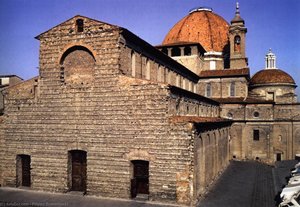
San Lorenzo is more than just a church; it's a cornerstone of Florentine history and faith. Originally built in the 10th century, it has undergone numerous transformations throughout its long existence, reflecting the city’s evolving architectural styles and religious beliefs. Brunelleschi’s fresco was commissioned during a period of intense artistic and intellectual ferment – the early Renaissance—a time when classical ideals were being rediscovered and reinterpreted through a distinctly Christian lens. The basilica itself embodies this spirit, blending Romanesque solidity with burgeoning Gothic elements, creating a space that is both grounded in tradition and open to new possibilities.
The fresco’s subject matter – the central nave of San Lorenzo – was deliberately chosen by Brunelleschi. He wasn't simply documenting an existing structure; he was celebrating its grandeur and showcasing his mastery of perspective. The painting captures a moment within the basilica, likely during a religious service, with figures subtly integrated into the architectural setting. These figures aren’t mere decorative elements; they represent the faithful engaging in their worship, adding a layer of human drama to the meticulously rendered space.
Technique and Detail: A Study in Precision
Brunelleschi's approach to this fresco was remarkably methodical. He began by creating detailed drawings and mathematical calculations to ensure accurate proportions and perspective. He employed a technique known as *sfumato*, subtly blending colors and tones to create soft transitions and atmospheric effects, adding depth and realism to the scene. The use of light is particularly noteworthy – Brunelleschi masterfully manipulates shadows and highlights to accentuate architectural features and draw attention to key elements within the nave.
The fresco’s palette is restrained yet effective, dominated by earthy tones—ochres, browns, and grays—that evoke the warm stone of the basilica. Brunelleschi's meticulous attention to detail extends to the depiction of architectural ornamentation, including columns, arches, and pilasters. These elements are rendered with remarkable precision, showcasing his deep understanding of classical architecture and his ability to translate complex forms onto a flat surface.
Symbolism and Legacy
"View of the Central Nave" is more than just a technical exercise in perspective; it’s imbued with symbolic meaning. The basilica itself represents the Church's enduring presence, while Brunelleschi’s masterful rendering of space symbolizes the divine order of the universe. The fresco’s influence on subsequent generations of artists was profound. It served as a model for Renaissance painters seeking to achieve greater realism and spatial depth in their work, paving the way for innovations in perspective and composition that would shape Western art for centuries to come. Today, it stands as a powerful reminder of Brunelleschi's genius and his pivotal role in shaping the artistic landscape of the Renaissance.
Ähnliche Kunstwerke

Über den Künstler
Filippo Brunelleschi: Ein Pionier der Renaissance
- Geboren: Florenz, Italien (1377)
- Gestorben: 1446
Frühes Leben und Ausbildung
- Brunelleschi erhielt eine literarische und mathematische Ausbildung, die für die Karriere seines Vaters vorgesehen war.
- Er wurde in der Arte della Seta, der Zunft der Wollhändler, ausgebildet.
- Wurde ein Meistergoldschmied und Bildhauer, der mit Gussbronze arbeitete.
- Frühe Skulpturen umfassen Bronzestatuen von Evangelisten und Heiligen (1399–1400) für die Kathedrale von Pistoia.
- Nahm 1401 am Wettbewerb für die Bronzetüren des Baptisteriums von Florenz teil, zusammen mit Lorenzo Ghiberti.
Architektonische Leistungen und Innovationen
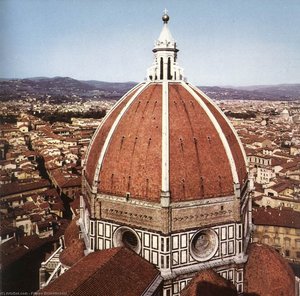
- Kuppel der Florentiner Kathedrale: Brunelleschis berühmtestes Werk ist das Design und der Bau der Kuppel der Florentiner Kathedrale (Duomo). Dies war eine bahnbrechende Leistung des Ingenieurwesens, da sie ohne traditionelle Gerüste gebaut wurde. Er entwickelte innovative Techniken zum Heben von Materialien und zur Steuerung der Konstruktion.
- Lineare Perspektive: Ihm wird die Wiederentdeckung und Formalisierung der Prinzipien der linearen Perspektive in der Kunst zugeschrieben. Diese Technik revolutionierte Malerei und Architektur, indem sie realistische Darstellungen von Tiefe und Raum schuf.
- Alte Sakristei von San Lorenzo: Entwarf die Alte Sakristei, die seinen architektonischen Stil zeigt, der durch klassische Proportionen und harmonische Räume gekennzeichnet ist.
- Weitere bemerkenswerte Werke: Umfasst Designs für das Spedale degli Innocenti (Findlingsheim), Palazzo Rucellai und die Basilika San Lorenzo.
Einflüsse und Entwicklung
- Antike römische Architektur: Brunelleschi studierte antike römische Ruinen in Rom und ließ sich von ihren architektonischen Prinzipien und Ingenieurlösungen inspirieren.
- Gotische Architektur: Obwohl er über gotische Stile hinausging, dürfte seine frühe Auseinandersetzung mit der Gotik seinen Verständnis für strukturelle Herausforderungen beeinflusst haben.
- Humanismus: Die aufkeimende Humanismusbewegung der Renaissance betonte das menschliche Potenzial und die Leistung, was mit Brunelleschis innovativem Ansatz in Design und Ingenieurwesen übereinstimmte.
Vermächtnis und historische Bedeutung
- Gründervater der Renaissance: Brunelleschi gilt aufgrund seiner bahnbrechenden Beiträge zu Kunst, Architektur und Ingenieurwesen als einer der Gründerväter der Renaissance.
- Einfluss auf die moderne Ingenieurwissenschaft: Seine innovativen Konstruktionstechniken und sein Verständnis für Baustatik legten den Grundstein für moderne ingenieurtechnische Praktiken.
- Auswirkungen auf die Kunst: Die Entwicklung der linearen Perspektive transformierte die künstlerische Darstellung und beeinflusste Generationen von Künstlern.
- Eine neue Art des Denkens: Brunelleschis Werk spiegelte eine neue Art des Denkens über die Menschheit und die Welt wider, wobei er den Humanismus und die lokale Kultur betonte.
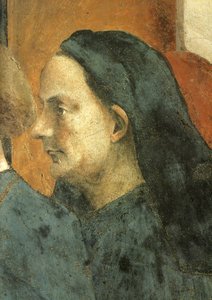
Filippo Brunelleschi
1377 - 1446 , Italien
Kurzinfos
- Bemerkenswerte Werke:
- Dom von Florenz
- Alte Sakristei San Lorenzo
- Ospedale degli Innocenti
- Palazzo Rucellai
- Basilika San Lorenzo
- Geburtsdatum: 1377
- Geburtsort: Florenz, Italien
- Künstlerische Bewegung: Frührenaissance
- Nationalität: Italienisch
- Sterbedatum: 1446
- Vollständiger Name: Filippo Brunelleschi
Ähnliche Artikel

Das Familienerbe an die Wand bringen: Wandgemälde als Generationenschatz
Verwandeln Sie Ihre Familiengeschichte in ein beeindruckendes Wandgemälde! Expertenrat & hochwertige Handwerkskunst für einzigartige Kunstwerke, die Generationen verbinden. Entdecken Sie jetzt!

The Enduring Legacy of Fresco: Technique, History & Artistic Expression Across Cultures
Explore the rich history & enduring legacy of fresco painting! Discover ancient techniques, Giotto's masterpieces, and modern applications. Expert insights for art lovers & professionals.

The Enduring Legacy of Fresco Painting: Techniques, History & Contemporary Relevance
Explore the rich history & enduring artistry of fresco painting – from Giotto to Michelangelo! Discover techniques, conservation efforts, & modern applications. Learn how ArtsDot brings this timeless art form to your home.
Die bleibende Pracht der Freskomalerei: Technik, Geschichte und künstlerischer Ausdruck
Entdecken Sie die faszinierende Welt der Freskomalerei! Von den Ursprüngen bis zur Renaissance – wir beleuchten Technik, Geschichte und künstlerischen Ausdruck dieser einzigartigen Kunstform. Expertenwissen für Sammler & Liebhaber.

Kunst, die mit Ihnen lebt: Emotionale Kraft individueller Innenraumfresken
Entdecken Sie die emotionale Kraft individueller Innenraumfresken! Expertenberatung & hochwertige Wandmalerei für Hotels, Wohnräume & mehr. – Ihr Partner für einzigartige Kunst.