 Vorschau anzeigen
 Versenden
 Teilen
 Details anzeigen

 Herunterladen
 Ähnliche Objekte
 Röntgenaufnahme
 Diashow
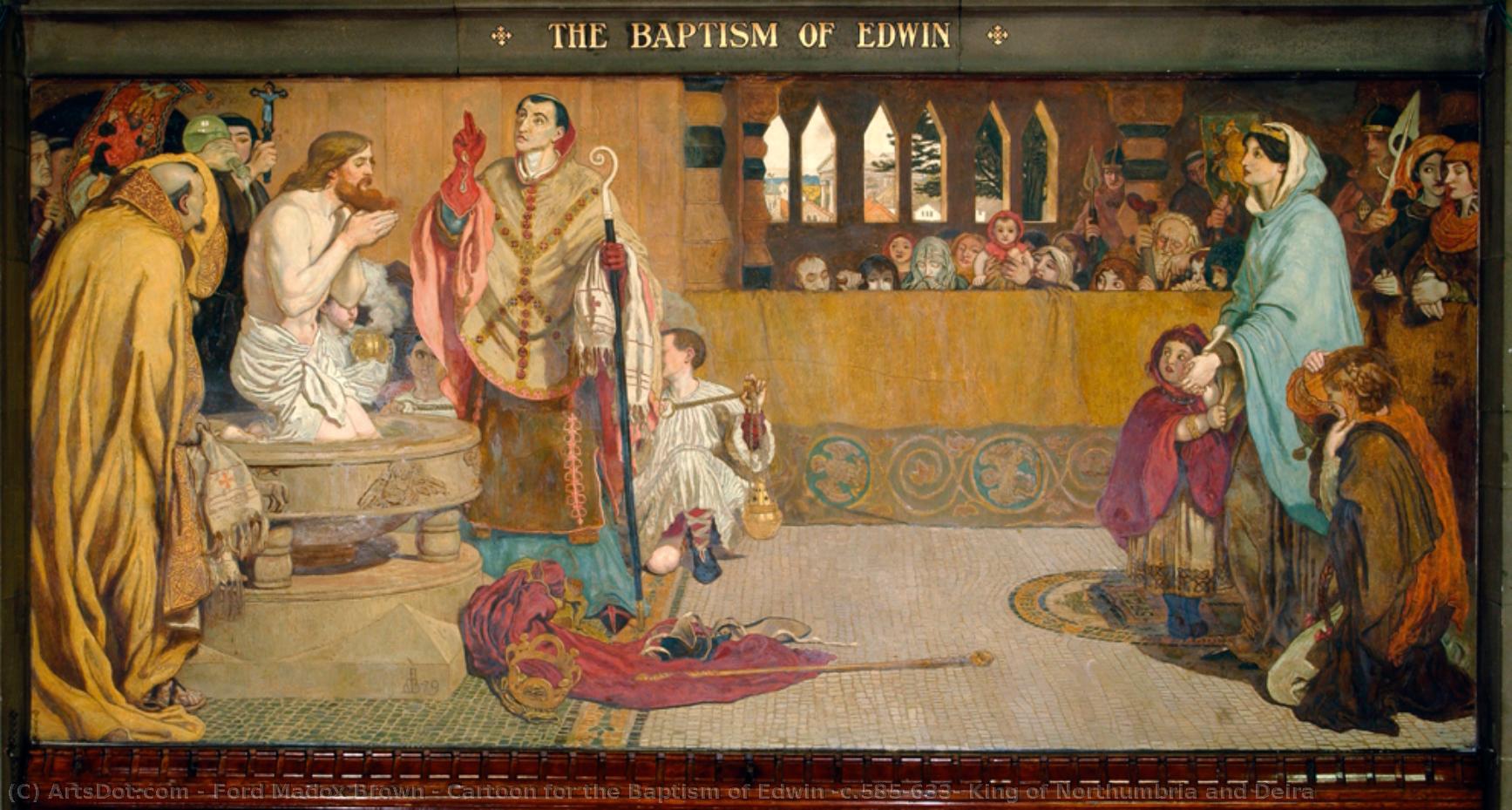
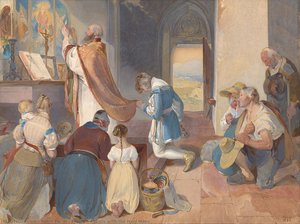
Cartoon for the Baptism of Edwin (c.585-633) King of Northumbria and Deira
 Oil On Canvas
- WallArt
- Pre-Raphaelite
 1891
1891 126.0 x 57.0 cm
 National Gallery of Victoria
 Weiterlesen
Giclée / Kunstdruck
Giclée- oder Leinwanddruck in Museumsqualität mit schneller Produktion und flexiblen Veredelungsoptionen. ( Handgemalte Reproduktion bestellen Bild kaufen)




P118B $10

P118H $10

P118W $10

P438Z $10

P508JH $12

P508YH $12

P805H $10

P805Z $10

P919BZ $10

P919G $10

P919XJ $10

P959ZH $10

P968JZ $12

W106C $8

W218G $10

W218JH $8

W218Y $10

W307PJ $10

W316G $10

W316PJ $8

W316Y $10

W398PJ $8

W4111J $10

W500HY $15

W500JH $15

W692G $12

W849H $8

W940BG $15

W953PJ $8




Wählen Sie aus unseren vordefinierten Formaten, die den ursprünglichen Proportionen des Kunstwerks entsprechen.

Sie können Ihre eigenen Maße eingeben, um ein bestimmtes Format oder einen speziellen Platz einzupassen. Wenn das von Ihnen gewählte Format nicht den Proportionen des Originalbildes entspricht, werden wir das Kunstwerk entweder beschneiden oder das Bild mit einem gespiegelten oder einfarbigen Rand erweitern. Ein digitaler Entwurf wird Ihnen zur Genehmigung zugesandt, bevor die Produktion beginnt.
Bitte beachten Sie, dass die Vorschau auf dem Bildschirm nicht den tatsächlichen Zuschnitt oder die Erweiterung widerspiegelt. Nur der Entwurf zeigt die endgültige Komposition präzise an.
Obwohl Sondermaße verfügbar sind, empfehlen wir die Auswahl eines Maßes aus der vordefinierten Liste, um die ursprünglichen Proportionen zu bewahren.
Weltweiter Versand () innerhalb von 2 Wochen statt der üblichen 4/5 Wochen. (1 September)

Kostenloser weltweiter Expressversand

Hochwertige Leinenleinwand

Umfassender Versicherungsschutz beim Versand

Zollgebühren-Rückerstattungsgarantie

Garantie für exakte Farbtreue

60 Tage Rückgaberecht (nur bei Mängeln)

100% Geld-zurück-Garantie

Mengenrabatt verfügbar
 Die Glasoption ist nur für Größen unter 110 cm verfügbar.

Cartoon for the Baptism of Edwin (c.585-633) King of Northumbria and Deira
Giclée / Kunstdruck
Format der Reproduktion
-


Gesamtpreis
$ 62
The Baptism of Edwin: A Pre-Raphaelite Vision of Faith and Power
Ford Madox Brown’s “Cartoon for the Baptism of Edwin” (1891) is not merely a depiction of a historical event; it's a meticulously crafted tableau vivant, brimming with symbolic weight and rendered in the luminous style characteristic of the Pre-Raphaelite Brotherhood. This monumental work, originally intended as a mural for the Manchester Town Hall, captures a pivotal moment in the life of Edwin, King of Northumbria and Deira – his baptism by St. Chad – transforming a religious ceremony into a profound meditation on faith, power, and the transition from paganism to Christianity.
The scene unfolds within a richly detailed interior space, reminiscent of a grand Roman basilica yet imbued with a distinctly Northern English sensibility. The architecture is deliberately ambiguous, suggesting both classical influence and the rugged practicality of Northumbrian design. Brown’s masterful use of linear perspective creates a sense of depth, drawing the viewer into the crowded gathering – a tapestry of figures engaged in various actions: Edwin, poised on the brink of spiritual rebirth; St. Chad, radiating authority and serenity; attendants assisting with solemn grace; and onlookers, ranging from devout believers to curious observers. The composition is deliberately complex, layering multiple groups and gestures to convey the multifaceted nature of the event.
A Symphony of Color and Texture
Brown’s technique is a testament to his meticulous observation and artistic skill. He employs a vibrant yet restrained palette dominated by earthy tones – ochres, browns, greens, and golds – punctuated by flashes of crimson and purple in the robes and ornamentation. The brushwork itself is remarkably expressive, creating a palpable sense of texture. Thick impasto builds up the folds of fabric, conveying their weight and movement with astonishing realism. The wet surfaces of the baptismal pool are rendered with shimmering highlights, suggesting the fluidity and transformative power of water. Notice particularly the careful detailing of the stonework – the rough-hewn arches, the weathered columns – grounding the scene in a tangible reality.
The Pre-Raphaelite Brotherhood, to which Brown belonged, rejected the idealized forms and artificiality of academic art, advocating for a return to the perceived purity and sincerity of early Italian masters. This commitment is evident in Brown’s meticulous attention to detail, his rejection of smooth surfaces, and his preference for depicting scenes from biblical history and mythology with unflinching realism. He sought to capture not just the appearance of reality but also its emotional essence – the reverence, the solemnity, and the profound significance of the moment.
Symbolism and Narrative Depth
Beyond a simple depiction of baptism, “The Baptism of Edwin” is rich in symbolic meaning. The act itself represents purification, spiritual rebirth, and the acceptance of Christian faith as an alternative to pagan beliefs. Edwin’s regal attire – a richly embroidered robe and crown – underscores his status as a king and leader, highlighting the transformative impact of this religious ceremony on both his soul and his kingdom. The expressions on the faces of the onlookers are equally significant, conveying a range of emotions – from devout contemplation to cautious curiosity – reflecting the complex social and cultural landscape of Northumbria in the 7th century.
Furthermore, Brown’s choice of subject matter—a relatively obscure event in English history—suggests a broader commentary on the spread of Christianity throughout Britain. The mural serves as a visual narrative, inviting viewers to contemplate the challenges and triumphs inherent in the conversion process. The work's enduring power lies not only in its technical brilliance but also in its ability to evoke a sense of historical drama, spiritual yearning, and the timeless struggle between faith and doubt.
A Legacy of Artistic Vision
“Cartoon for the Baptism of Edwin” stands as a remarkable achievement in Victorian art, embodying the Pre-Raphaelite Brotherhood’s commitment to realism, symbolism, and narrative storytelling. Reproductions of this magnificent mural capture much of its original grandeur and emotional depth, offering a window into a pivotal moment in British history and a testament to Ford Madox Brown's artistic genius. It remains a powerful image, resonating with viewers today through its timeless themes of faith, power, and the enduring human quest for meaning.
Ähnliche Kunstwerke
Über den Künstler
Frühe Jahre und Karriere
Ford Madox Brown, ein britischer Maler, wurde am 16. April 1821 in Calais, Frankreich, geboren. Seine frühen Jahre waren geprägt von häufigen Umzügen zwischen Unterkünften im Pas-de-Calais und Verwandten in Kent, was seine Bildungsmöglichkeiten einschränkte. Dennoch zeigte er schon früh künstlerisches Talent, insbesondere beim Kopieren alter Meisterdrucke.Künstlerischer Stil und bedeutende Werke
Browns Gemälde zeichnen sich durch ihre lebendigen Farben und ihren Realismus aus und stellen oft historische und moralische Themen dar. Sein bekanntestes Werk ist wohl Work (1852-1865), ein Gemälde, das seinen unverwechselbaren grafischen und Hogarthian Stil zeigt. Die Manchester-Wandgemälde, eine Reihe von zwölf Werken, die für den Manchester Town Hall geschaffen wurden, sind ein weiteres bemerkenswertes Beispiel für Browns Kunst. Diese Wandgemälde stellen die Geschichte Manchesters dar und gelten als einige der feinsten Beispiele für Präraffaelitische Kunst.- Die Darstellung des einfachen Volkes in seinen Gemälden war revolutionär für seine Zeit.
Einfluss und Vermächtnis
Brown war Berater und Freund der Mitglieder der Präraffaeliten-Bruderschaft, eine Gruppe, die er mit seinem künstlerischen Stil beeinflusste. Seine Arbeit wurde weithin anerkannt, und er gilt als einer der Pioniere der Präraffaelitischen Kunst.- The Pinch of Poverty von Thomas Benjamin Kennington, einem Kollegen, zeigt den Einfluss von Browns Stil auf andere Künstler.
- Browns eigene Werke, wie The Last of England, demonstrieren seine Fähigkeit, die Essenz historischer und moralischer Themen einzufangen.
Persönliches Leben und späte Jahre
Brown heiratete zweimal: zuerst Elizabeth Bromley 1841, die 1846 starb, und dann Emily Hill 1853, die 1890 verstarb. Er hatte fünf Kinder, darunter Lucy Madox Brown und Catherine Madox Brown. Seine Familie spielte eine wichtige Rolle in seinem Leben und beeinflusste oft seine künstlerischen Themen. Wichtige Links: * Ford Madox Browns Profil auf ArtsDot * Ford Madox Browns Wikipedia-Seite * The Paint Beneath the Prose: Ford Madox Browns Einfluss auf die Präraffaeliten-BruderschaftEntwicklung und Bedeutung
Brown entwickelte seinen Stil im Laufe der Jahre weiter, beeinflusst von Künstlern wie Hans Holbein und den Nazarenern. Er war ein wichtiger Vermittler zwischen verschiedenen künstlerischen Strömungen und trug dazu bei, die Präraffaelitische Bewegung zu definieren. Seine Betonung des Realismus und seiner Darstellung sozialer Themen machten ihn zu einem wichtigen Beobachter der viktorianischen Gesellschaft. Sein Engagement für die Kunst erstreckte sich auch auf das Design, wo er mit William Morris zusammenarbeitete und zur Arts and Crafts-Bewegung beitrug.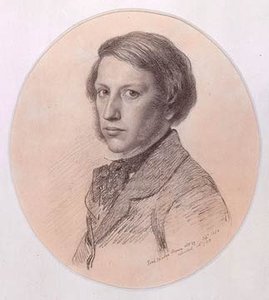
Ford Madox Brown
1821 - 1893 , Frankreich
Kurzinfos
- Beeinflusste Künstler:
- Dante Gabriel Rossetti
- William Holman Hunt
- Bemerkenswerte Werke:
- Work (1852-1865)
- Die Manchester Wandgemälde
- The Last of England
- Geburtsdatum: 16. April 1821
- Geburtsort: Calais, Frankreich
- Künstlerische Bewegung: Präraffaeliten
- Nationalität: Britisch
- Sterbedatum: 11. Oktober 1893
- Vollständiger Name: Ford Madox Brown
- Von Künstlern Beeinflusst:
- Hans Holbein
- Nazarener Bewegung
Ähnliche Artikel
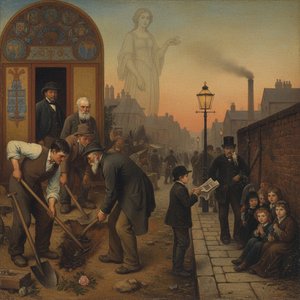
Ford Madox Brown: Pre-Raphaelite Visionary & Victorian Social Commentary
Explore the life & art of Ford Madox Brown, a pivotal Pre-Raphaelite painter renowned for his powerful social commentary and masterpiece 'Work'. Discover his lasting influence on British art history.
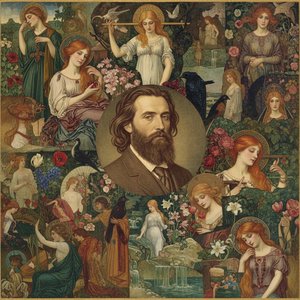
Dante Gabriel Rossetti: Die 25 Meisterwerke des Präraffelitismus | ArtsDot
Entdecken Sie die 25 schönsten Gemälde von Dante Gabriel Rossetti! Tauchen Sie ein in die Welt der Präraffeliten, symbolistischer Kunst & viktorianischer Romantik. Hochwertige Reproduktionen für Ihr Zuhause – jetzt bei ArtsDot.com!

Rosige Braun-Töne in der Meistermalerei: Die 10 berühmtesten Gemälde
Entdecken Sie die 10 berühmtesten Gemälde, die von warmen Rosatönen und Braunnuancen geprägt sind. Erfahren Sie mehr über Künstler wie Rembrandt & Caravaggio! Hochwertige Kunst-Reproduktionen für Ihr Zuhause auf

Sandbraune Meisterwerke: Die Top 10 berühmter Gemälde & ihre warme Aura | ArtsDot
Entdecken Sie die Top 10 berühmter Gemälde, dominiert von warmen Sandbrauntönen! Von Rembrandt bis Monet – erleben Sie die Geschichte & Technik dieser Meisterwerke. Finden Sie hochwertige Reproduktionen und Inspiration für Ihr Zuhause auf ArtsDot.com.
John George Brown: Die einfühlsame Darstellung amerikanischer Lebenswelt und Sentiment in der Genremalerei des 19. Jahrhunderts
Entdecken Sie die einfühlsame Genremalerei von John George Brown! Erfahren Sie mehr über seine Darstellung des amerikanischen Lebens im 19. Jahrhundert, seinen Stil und sein Vermächtnis. Hochwertige Kunstdrucke bei ArtsDot.