In echtem Maßstab anzeigen
 Versenden als Grußkarte
 Teilen
 Details anzeigen

 Herunterladen
 Ähnliche Objekte
 Röntgenaufnahme
 Diashow
 Besucherstatistiken
Juicio Final

 Mehr anzeigen
Giclée / Kunstdruck
Giclée- oder Leinwanddruck in Museumsqualität mit schneller Produktion und flexiblen Veredelungsoptionen. ( Handgemalte Reproduktion kaufen Zum digitalen Bild wechseln)




P118B $10

P118H $10

P118W $10

P438Z $10

P508JH $12

P508YH $12

P805H $10

P805Z $10

P919BZ $10

P919G $10

P919XJ $10

P959ZH $10

P968JZ $12

W106C $8

W218G $10

W218JH $8

W218Y $10

W307PJ $10

W316G $10

W316PJ $8

W316Y $10

W398PJ $8

W4111J $10

W500HY $15

W500JH $15

W692G $12

W849H $8

W940BG $15

W953PJ $8
Wählen Sie aus unseren vordefinierten Formaten, die den ursprünglichen Proportionen des Kunstwerks entsprechen.

Sie können Ihre eigenen Maße eingeben, um ein bestimmtes Format oder einen speziellen Platz einzupassen. Wenn das von Ihnen gewählte Format nicht den Proportionen des Originalbildes entspricht, werden wir das Kunstwerk entweder beschneiden oder das Bild mit einem gespiegelten oder einfarbigen Rand erweitern. Ein digitaler Entwurf wird Ihnen zur Genehmigung zugesandt, bevor die Produktion beginnt.
Bitte beachten Sie, dass die Vorschau auf dem Bildschirm nicht den tatsächlichen Zuschnitt oder die Erweiterung widerspiegelt. Nur der Entwurf zeigt die endgültige Komposition präzise an.
Obwohl Sondermaße verfügbar sind, empfehlen wir die Auswahl eines Maßes aus der vordefinierten Liste, um die ursprünglichen Proportionen zu bewahren.
Weltweiter Versand () innerhalb von 2 Wochen statt der üblichen 4/5 Wochen. (17 September)

Kostenloser weltweiter Expressversand

Hochwertige Leinenleinwand

Vollständiger Versicherungsschutz beim Versand

Zollgebühren-Rückerstattungsgarantie

Garantie für exakte Farbtreue

100-tägiges Rückgaberecht (nur bei Mängeln)

100% Geld-zurück-Garantie

Angebot für Mengenrabatt
 Die Glasoption ist nur für Größen unter 110 cm verfügbar.

Juicio Final
Giclée / Kunstdruck
Format der Reproduktion
-


Gesamtpreis
$ 62
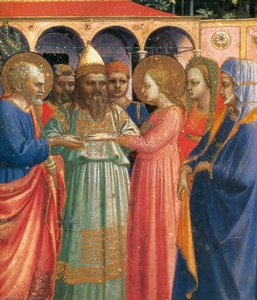
The Last Judgment: Fra Angelico’s Vision of Salvation
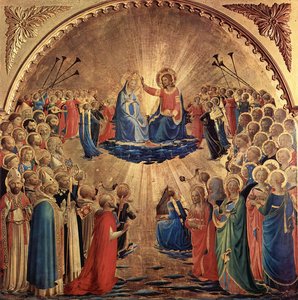
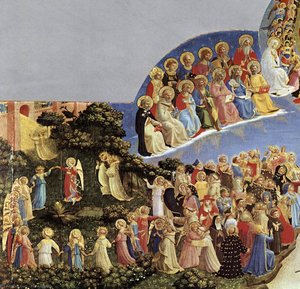
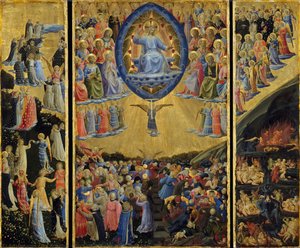
Fra Angelico's “Juicio Final” (The Last Judgment), painted around 1425-1430 for the San Marco convent in Florence, isn’t merely a depiction of divine judgment; it’s a profound meditation on mortality, faith, and the eternal consequences of earthly choices. More than just a religious scene, it's a meticulously crafted allegory, brimming with symbolism that invites contemplation long after the initial visual impact fades. The fresco, now residing in the Museo Nazionale di San Marco, stands as a testament to Fra Angelico’s extraordinary skill and his deeply spiritual vision.
The composition immediately draws the eye to Christ Pantocrator – “Christ Ruler of All” – enthroned at the center, radiating an almost unbearable light. He's not depicted in triumphant glory, but with a serene, sorrowful expression, embodying both judgment and mercy. Surrounding him are figures drawn from the Bible and Christian tradition: Mary, radiant and compassionate; St. John the Evangelist, gesturing towards the heavens; and a host of saints, each representing a different virtue. The sheer number of figures – over 250 in total – creates an overwhelming sense of scale, mirroring the vastness of God’s judgment.
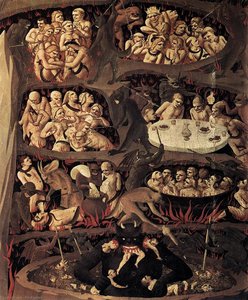
However, it's not just the heavenly realm that dominates the fresco. Below Christ, a dramatic scene unfolds: the damned are dragged into Hell by demonic figures, their faces contorted in agony. The imagery is visceral and unsettling – a depiction of eternal torment rendered with remarkable detail and emotional intensity. Yet, even here, there’s a subtle acknowledgment of humanity; the demons themselves possess a disturbing beauty, reflecting the seductive power of sin. The broken tombs at the foot of Christ symbolize the resurrection and offer a glimmer of hope amidst the despair.
A Masterclass in Early Renaissance Technique
Fra Angelico's mastery is evident in every brushstroke. He employed the tempera technique, known for its luminosity and rich colors – a method favored by artists of his time. The palette is restrained yet vibrant, dominated by deep blues, reds, and golds, creating an atmosphere of both solemnity and grandeur. Notice the meticulous detail in the drapery, the subtle gradations of light and shadow, and the expressive faces of the figures.
Crucially, Fra Angelico was a pioneer in using linear perspective – a revolutionary technique that created the illusion of depth on a flat surface. This is particularly evident in the depiction of the city of Florence below, which appears to recede into the distance with remarkable accuracy. His understanding of anatomy and proportion is also exceptional, lending a sense of realism to even the most fantastical elements of the scene.
Symbolism Woven Through Every Detail
“Juicio Final” is saturated with symbolism, inviting layers of interpretation. The flaming sword held by St. Michael represents divine justice, while the scales in the upper left corner symbolize the weighing of souls. The lilies held by Mary represent purity and innocence, while the keys she carries signify her role as the mother of God. Even seemingly minor details – such as the specific saints depicted – carry symbolic weight, reflecting the theological concerns of the time.
The inclusion of figures like Dante Alighieri, a prominent humanist scholar, suggests that Fra Angelico’s work was intended to engage with contemporary intellectual debates about morality and salvation. The fresco wasn't simply a devotional image; it was a complex statement about the human condition and the path to redemption.
An Echo of Spirituality in the Modern World
Despite being painted over 600 years ago, “Juicio Final” continues to resonate with viewers today. Its powerful imagery and profound themes speak to universal concerns about life, death, and the search for meaning. The fresco’s emotional honesty – its ability to evoke both fear and hope – is a testament to Fra Angelico's genius.
Reproductions of this masterpiece offer an opportunity to bring its spiritual depth into any space. Whether adorning a chapel wall or gracing a private study, “Juicio Final” serves as a constant reminder of the choices we make and the eternal consequences that await us all. It’s more than just a painting; it's a window into the soul of the Renaissance and a timeless meditation on faith and humanity.
Ähnliche Kunstwerke
Biografie des Künstlers
Fra Angelico: Leben, Kunst und spirituelle Hingabe
Frühes Leben und religiöse Berufung
- Geboren als Giovanni da Fiesole um 1395 in Rupesana, in der Nähe von Florenz, Italien.
- Über sein frühes Leben und seinen Familienhintergrund ist wenig bekannt.
- Trat dem Dominikanerorden in jungem Alter bei und nahm den Namen Fra (Bruder) Angelico an. Dies beeinflusste seinen künstlerischen Weg maßgeblich.
- Er begann zunächst als Buchilluminator und Manuskriptdekorer innerhalb des Klosters, wo er sich in Detail und Farbe ausgebildet hat.
Künstlerische Entwicklung und Einflüsse
- Frühe Werke zeigen den Einfluss von Lorenzo Monaco, einem führenden florentinischen Maler seiner Zeit, insbesondere in der Verwendung eleganter Linien und dekorativer Muster.
- Die Begegnung mit den Fresken von Masaccio dürfte sein Verständnis von Perspektive und Naturalismus beeinflusst haben, obwohl Angelicos Stil weiterhin fromm war.
- Seine künstlerische Entwicklung war untrennbar mit seinen religiösen Überzeugungen verbunden; er betrachtete Malerei als eine Form der Gebet und Meditation.
- Er wechselte von der Manuskriptillumination zur Panelmalerei und Freskomalerei und entwickelte allmählich einen einzigartigen Stil, der durch Ruhe und spirituelle Tiefe geprägt ist.
Wichtige Werke und künstlerischer Stil
- Fresken von San Marco (Florenz): Gilt als sein Meisterwerk. Diese Fresken im San Marco-Kloster zeigen Szenen aus dem Leben Christi mit bemerkenswerter Einfachheit und emotionaler Resonanz.
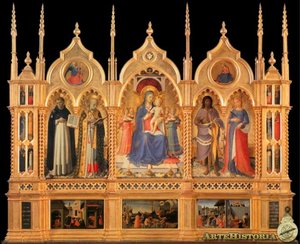
- Perugia Altarpiece: Ein frühes Werk, das seinen sich entwickelnden Stil zeigt und eine zarte Anbetungsszene darstellt.
- Die Anbetung (verschiedene Versionen): Ein wiederkehrendes Thema in seinem Œuvre, oft dargestellt mit ätherischer Schönheit und symbolischem Detail.
- St. Lawrence Giving Alms: Demonstriert seine Fähigkeit zur narrativen Komposition und Darstellung menschlicher Emotionen.
- Sein Stil ist durch helle, klare Farben, zarten Modellierung, anmutige Figuren und eine ruhige Atmosphäre gekennzeichnet.
- Er setzte Perspektive ein, um Tiefe zu erzeugen, legte aber den Schwerpunkt auf spirituelle Ausdruckskraft statt auf strenge Realität.
Historische Bedeutung und Vermächtnis
- Fra Angelico repräsentiert die Fusion des frühen Renaissance-Zeitalters zwischen religiösem Glauben und künstlerischer Innovation.
- Sein Werk verkörpert die humanistischen Ideale der Zeit, die menschliche Würde und spirituelle Kontemplation betonen.
- Giorgio Vasari, in seinem *Leben der Künstler*, lobte Fra Angelico für seine Frommheit und künstlerische Begabung und erklärte, dass keine Menge an Lobreden die Schönheit seiner Werke angemessen einfangen könnte.
- Er beeinflusste nachfolgende Generationen von Künstlern mit seinem frommen Stil und seiner Meisterschaft in der Farbe.
- Im Jahr 1982 wurde Papst Johannes Paul II. Fra Angelico bezeugt, erkannte seine Heiligkeit und seinen Beitrag zur Kirche an. Er ist nun bekannt als Beato (Gesegneter) Angelico.
- Seine Kunst inspiriert weiterhin Betrachter mit ihrer tiefen Spiritualität und zeitloser Schönheit.
Museen und Sammlungen
- Das Museo di San Marco, Florenz beherbergt die größte Sammlung seiner Werke.
- Werke befinden sich auch im Louvre Museum (Paris), der National Gallery (London) und zahlreichen anderen Museen auf der ganzen Welt.
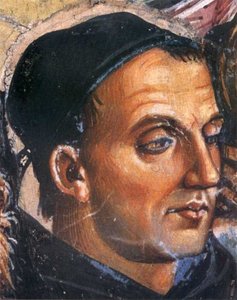
Fra Angelico
1395 - 1455 , Italien
Eckdaten zum Künstler
- Beeinflusste Künstler:
- Lorenzo Monaco
- Masaccio
- Bemerkenswerte Werke:
- Perugia Altarbild
- Ankündigung
- St. Laurentius gibt Almosen
- Geburtsdatum: ca. 1395
- Geburtsort: Rupesana, Italien
- Künstlerische Bewegung: Frührenaissance
- Nationalität: Italienisch
- Todatum: 1455
- Vollständiger Name: Fra Angelico
Verwandte Artikel
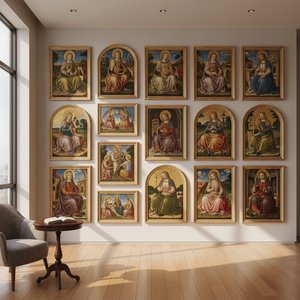
Fra Angelico: Die 25 Meisterwerke des italienischen Frührenaissance-Malers | ArtsDot
Entdecken Sie die 25 schönsten Meisterwerke von Fra Angelico! Erleben Sie religiöse Kunst der italienischen Renaissance, himmlische Fresken & Panelgemälde. Finden Sie hochwertige Kunstdrucke und Reproduktionen für Ihr Zuhause auf ArtsDot.com.

The Enduring Legacy of Fresco: Technique, History & Artistic Expression Across Cultures
Explore the rich history & enduring legacy of fresco painting! Discover ancient techniques, Giotto's masterpieces, and modern applications. Expert insights for art lovers & professionals.

The Enduring Legacy of Fresco Painting: Techniques, History & Contemporary Relevance
Explore the rich history & enduring artistry of fresco painting – from Giotto to Michelangelo! Discover techniques, conservation efforts, & modern applications. Learn how ArtsDot brings this timeless art form to your home.

Das Familienerbe an die Wand bringen: Wandgemälde als Generationenschatz
Verwandeln Sie Ihre Familiengeschichte in ein beeindruckendes Wandgemälde! Expertenrat & hochwertige Handwerkskunst für einzigartige Kunstwerke, die Generationen verbinden. Entdecken Sie jetzt!
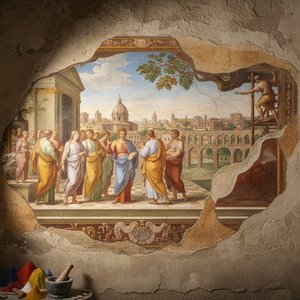
Die bleibende Pracht der Freskomalerei: Technik, Geschichte und künstlerischer Ausdruck
Entdecken Sie die faszinierende Welt der Freskomalerei! Von den Ursprüngen bis zur Renaissance – wir beleuchten Technik, Geschichte und künstlerischen Ausdruck dieser einzigartigen Kunstform. Expertenwissen für Sammler & Liebhaber.