 Vorschau anzeigen
 Versenden
 Teilen
 Details anzeigen

 Herunterladen
 Ähnliche Objekte
 Röntgenaufnahme
 Diashow
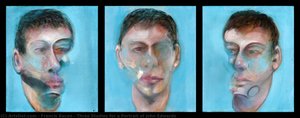
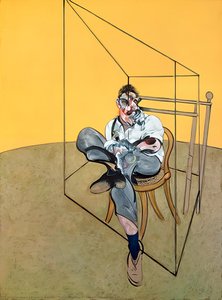
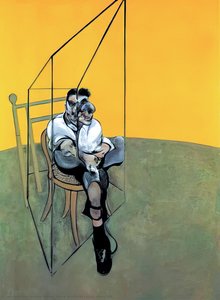
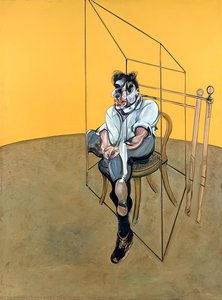
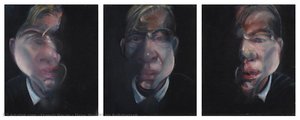
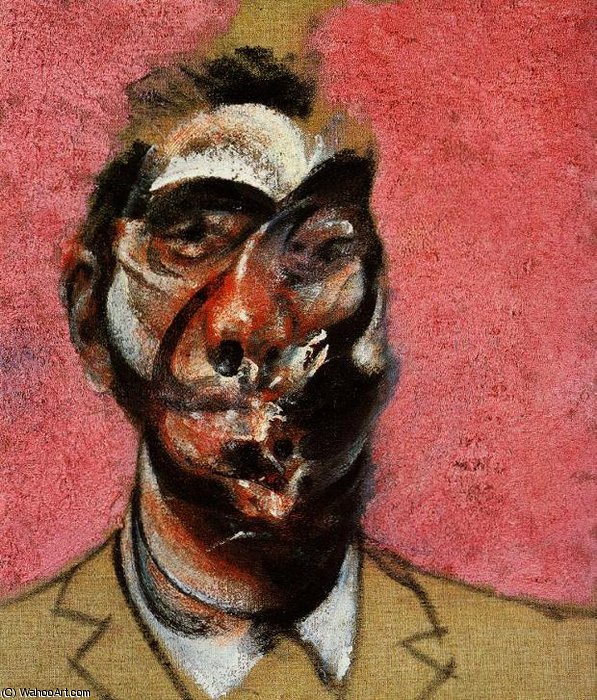
Drei Studien für ein Porträt von G. Dyer auf rosafarbenem Grund, cen


 Weiterlesen
Giclée / Kunstdruck
Giclée- oder Leinwanddruck in Museumsqualität mit schneller Produktion und flexiblen Veredelungsoptionen. ( Handgemalte Reproduktion bestellen Bild kaufen)




P118B $10

P118H $10

P118W $10

P438Z $10

P508JH $12

P508YH $12

P805H $10

P805Z $10

P919BZ $10

P919G $10

P919XJ $10

P959ZH $10

P968JZ $12

W106C $8

W218G $10

W218JH $8

W218Y $10

W307PJ $10

W316G $10

W316PJ $8

W316Y $10

W398PJ $8

W4111J $10

W500HY $15

W500JH $15

W692G $12

W849H $8

W940BG $15

W953PJ $8




Wählen Sie aus unseren vordefinierten Formaten, die den ursprünglichen Proportionen des Kunstwerks entsprechen.

Sie können Ihre eigenen Maße eingeben, um ein bestimmtes Format oder einen speziellen Platz einzupassen. Wenn das von Ihnen gewählte Format nicht den Proportionen des Originalbildes entspricht, werden wir das Kunstwerk entweder beschneiden oder das Bild mit einem gespiegelten oder einfarbigen Rand erweitern. Ein digitaler Entwurf wird Ihnen zur Genehmigung zugesandt, bevor die Produktion beginnt.
Bitte beachten Sie, dass die Vorschau auf dem Bildschirm nicht den tatsächlichen Zuschnitt oder die Erweiterung widerspiegelt. Nur der Entwurf zeigt die endgültige Komposition präzise an.
Obwohl Sondermaße verfügbar sind, empfehlen wir die Auswahl eines Maßes aus der vordefinierten Liste, um die ursprünglichen Proportionen zu bewahren.
Weltweiter Versand () innerhalb von 2 Wochen statt der üblichen 4/5 Wochen. (21 August)

Kostenloser weltweiter Expressversand

Hochwertige Leinenleinwand

Umfassender Versicherungsschutz beim Versand

Zollgebühren-Rückerstattungsgarantie

Garantie für exakte Farbtreue

60 Tage Rückgaberecht (nur bei Mängeln)

100% Geld-zurück-Garantie

Mengenrabatt verfügbar
 Die Glasoption ist nur für Größen unter 110 cm verfügbar.

Drei Studien für ein Porträt von G. Dyer auf rosafarbenem Grund, cen
Giclée / Kunstdruck
Format der Reproduktion
-


Gesamtpreis
$ 62
Sammlerstück-Beschreibung
A Shattered Visage: Decoding Francis Bacon’s Portraiture
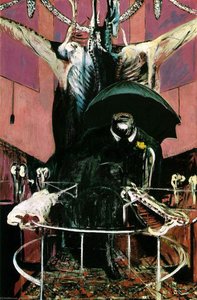
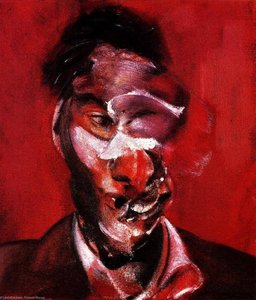
Francis Bacon's "Three Studies for Portr. of G.Dyer on pink ground, cen" stands as a haunting testament to his singular approach to portraiture—a deliberate rejection of conventional likeness in favor of an exploration of the fractured human psyche. Created sometime between 1951-1954 during his prolific period of artistic experimentation, this painting transcends mere representation, delving into the anxieties and emotional turmoil inherent within its subject matter. It’s not simply *of* George Dyer; it feels like a dissection *through* him, revealing raw emotion and existential dread—a characteristic hallmark of Bacon's oeuvre.Style & Technique: Cubism Meets Existential Dread
Bacon masterfully blends the fragmented forms championed by Cubism with the visceral intensity of Expressionism. The figure is deconstructed into geometric planes – rectangles and triangles dominate – creating a palpable sense of instability and psychological turmoil. This isn’t about capturing precise detail; it's about conveying an *inner* state—a preoccupation that defines Bacon’s artistic vision. Oil paint is applied with visible, often impasto brushstrokes, adding texture and emphasizing the physicality of both Dyer’s body and the act of painting itself. The dramatic lighting – stark highlights juxtaposed against deep shadows – further accentuates these fractured planes, lending a sculptural quality to the image despite its two-dimensionality. This technique underscores Bacon's desire to capture not just what is seen but what is felt—a profound engagement with emotion that distinguishes his work from more objective styles.The Power of Pink: Color & Composition
The aggressively vibrant pink background isn’t merely decorative; it serves as a deliberate emotional amplifier, heightening the sense of unease and claustrophobia. This jarring color choice immediately draws attention to Dyer's vulnerability—a visual strategy that aligns perfectly with Bacon’s broader thematic concerns. The contrast between the pink hue and the muted tones of Dyer’s clothing and face reinforces this feeling of isolation and underscores the painting’s unsettling atmosphere. Compositionally, the fragmented form occupies a central position within the canvas, yet it feels strangely detached—a visual embodiment of alienation and loneliness.Symbolism & Interpretation: A Broken Psyche
Bacon's work is steeped in symbolic resonance. The fractured face isn’t merely stylistic ornamentation; it represents a profound disruption of identity—a shattered psyche grappling with internal conflict. Dyer’s distorted features suggest a loss of control, mirroring the anxieties prevalent during Bacon’s time and reflecting his fascination with themes of trauma and psychological disintegration.- The cage-like spaces often found in Bacon's paintings symbolize the constraints imposed upon human existence, encapsulating the artist’s preoccupation with mortality and confinement.
- Furthermore, the overall sense of distortion speaks to the pervasive anxieties of the postwar era—a period marked by disillusionment and uncertainty.
- Ultimately, Bacon’s uncompromising honesty challenges conventional notions of beauty and representation, prioritizing emotional impact over aesthetic perfection.
Historical Context & Bacon’s Legacy
Francis Bacon emerged as a pivotal figure in post-World War II art, rejecting artistic conventions to embrace a raw, unflinching portrayal of the human condition. Influenced by artists like Picasso and Velázquez, he developed a unique visual language that continues to resonate with audiences today. He is considered one of the most important figurative painters of the 20th century—a reputation solidified by his commanding presence in the art market and his enduring influence on subsequent generations of artists. This particular series, featuring George Dyer, exemplifies Bacon’s commitment to exploring psychological complexities and confronting uncomfortable truths—a legacy that continues to inspire contemplation and debate.- Provenance: Galerie Nationale Beaux Arts, Paris
- Dimensions: Unknown
- Medium: Oil on Canvas
Ähnliche Kunstwerke
Über den Künstler
**frühes Leben und Karriere**
francis bacon, ein irisch-geborener britischer figurative Maler, wurde am 28. Oktober 1909 in Dublin, Irland, geboren. Sein frühes Leben war von einer Reihe von Umzügen geprägt, da seine Familie nach einem geeigneten Klima für die Gesundheit seiner Mutter suchte. Diese wandernde Kindheit würde Bacon später seinen Ansatz in der Kunst beeinflussen.**Künstlerischer Stil und Themen**
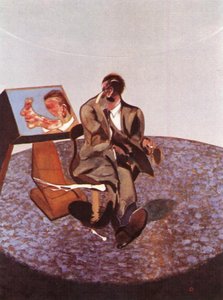
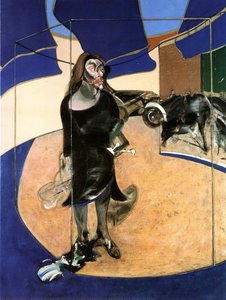
Bacon ist bekannt für sein mutiges, emotionales und oft groteskes Bildmaterial. Seine abstrahierten Figuren sind typischerweise in geometrischen, käfigartigen Räumen isoliert und stehen gegen flache, unauffällige Hintergründe. Dieser einzigartige Stil wurde sowohl gelobt als auch kritisiert von Kunstkritikern.- Portrait of Isabel Rawsthorne standing in a street in Soho, ein wegweisendes Werk, das Bacons Fähigkeit zeigt, die Essenz seiner Sujets in einer scheinbar abstrakten Umgebung einzufangen.
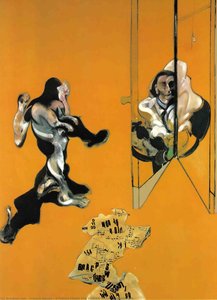
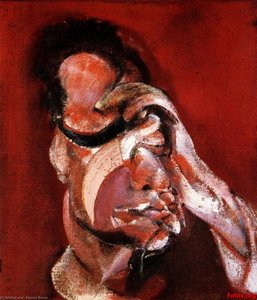
- Number vii from eight studies for a portrait, das die Erforschung der menschlichen Form durch eine Reihe von Studien des Künstlers veranschaulicht.
**Einflüsse und Vermächtnis**
Bacons Werk wurde von verschiedenen Quellen beeinflusst, darunter Maria Helena Vieira da Silva's Autoreportagen und der abstrakten Expressionismus von Piet Mondrian. Sein Vermächtnis inspiriert weiterhin neue Generationen von Künstlern, wobei sein mutiger, unerschrockener Stil ein Eckpfeiler der modernen Kunst bleibt.**Wichtige Ausstellungen und Sammlungen:**
- The Museum Fine Art Society (United Kingdom), das Bacons Werke neben anderen bedeutenden britischen Künstlern gezeigt hat. - Nationalgalerie (Norwegen), die eine umfassende Sammlung europäischer Kunst umfasst, darunter Werke von Bacon. **Wichtige Werke und Sammlungen:** - Francis Bacon: Portrait of Isabel Rawsthorne standing in a street in Soho - Francis Bacon: Number vii from eight studies for a portrait **Museen und Kunstgalerien:** - The Museum Fine Art Society (United Kingdom) - Nationalgalerie (Norwegen)**Fazit**
Bacons turbulentes Leben und sein innovativer Ansatz der figurativen Malerei haben einen unauslöschlichen Eindruck in der Kunstwelt hinterlassen. Sein Vermächtnis, das durch mutiges, emotionales Bildmaterial gekennzeichnet ist, inspiriert weiterhin zeitgenössische Künstler und fasziniert das Publikum gleichermaßen. **Empfohlene Literatur:** - Francis Bacons Biografie - Wikipedia: Francis Bacon (Künstler)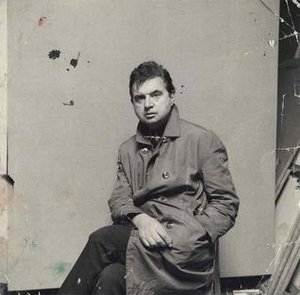
Francis Bacon
1909 - 1992 , Irland
Kurzinfos
- Beeinflusste Künstler:
- Pablo Picasso
- Egon Schiele
- Bemerkenswerte Werke:
- Drei Studien für Kreuzigung
- Porträt von Isabel Rawsthorne
- Studie nach Velázquez
- George Dyer im Spiegel
- Geburtsdatum: 28. Oktober 1909
- Geburtsort: Dublin, Irland
- Künstlerische Richtung: Figuration, Expressionismus
- Nationalität: Irisch-Britisch
- Todatum: April 1992
- Vollständiger Name: Francis Bacon
- Von Künstlern Beeinflusst:
- Maria Helena Vieira da Silva
- Piet Mondrian
Ähnliche Artikel
Francis Bacon: Die 25 Meisterwerke des existentiellen Schmerzes | ArtsDot
Entdecken Sie die 25 Meisterwerke von Francis Bacon! Erleben Sie existenzielle Schmerz, expressive Porträts & dunkle Farben. Kunstreproduktionen in Museumsqualiät auf ArtsDot.com – für Ihre Wanddekoration.
Die zartesten Meisterwerke: Top 10 Gemälde in Lichtrosa & ihre Geschichte |
Entdecken Sie die Top 10 berühmter Gemälde in zarten Rosatönen! Von impressionistischen Meisterwerken bis hin zu romantischen Ikonen – erfahren Sie mehr über Künstler, Techniken & Geschichte. Hochwertige Kunstdrucke auf .
Francis Bacons Existenzielle Angst: Trauma, Form und die Nachkriegszeit
Erforschen Sie Francis Bacons tiefgründige Auseinandersetzung mit existenzieller Angst und Trauma. Analyse seiner formalen Innovationen, seines Einflusses auf die Neue Figuration und seines philosophischen Weltbilds. Jetzt lesen!
Expressionismus: Die 10 Meisterwerke, die eine Kunstepoche prägten | ArtsDot
Entdecken Sie die 10 prägendsten Meisterwerke des Expressionismus! Von Munchs Schrei bis Kandinskys Abstraktionen – erfahren Sie die Geschichten berühmter Maler und ihre emotionale Farbgebung. Kunstreproduktionen in Museumsqualiät auf ArtsDot.com.
Reflecting the Self: A History of Portraiture & Psychological Insight
Explore the fascinating history of self-portraiture from Renaissance masters like Dürer & Rembrandt to modern interpretations. Discover the psychological insights and artistic techniques behind these iconic works. Expert analysis for art enthusiasts.