 Vorschau anzeigen
 Versenden
 Teilen
 Details anzeigen

 Herunterladen
 Ähnliche Objekte
 Röntgenaufnahme
 Diashow
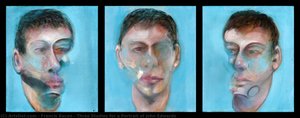
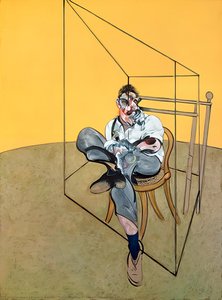
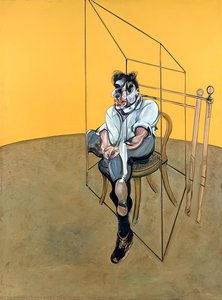
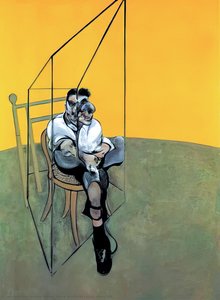
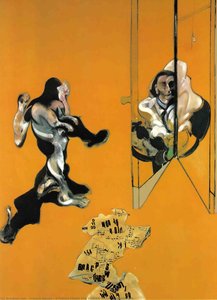
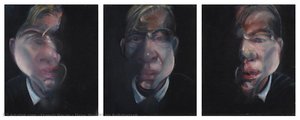
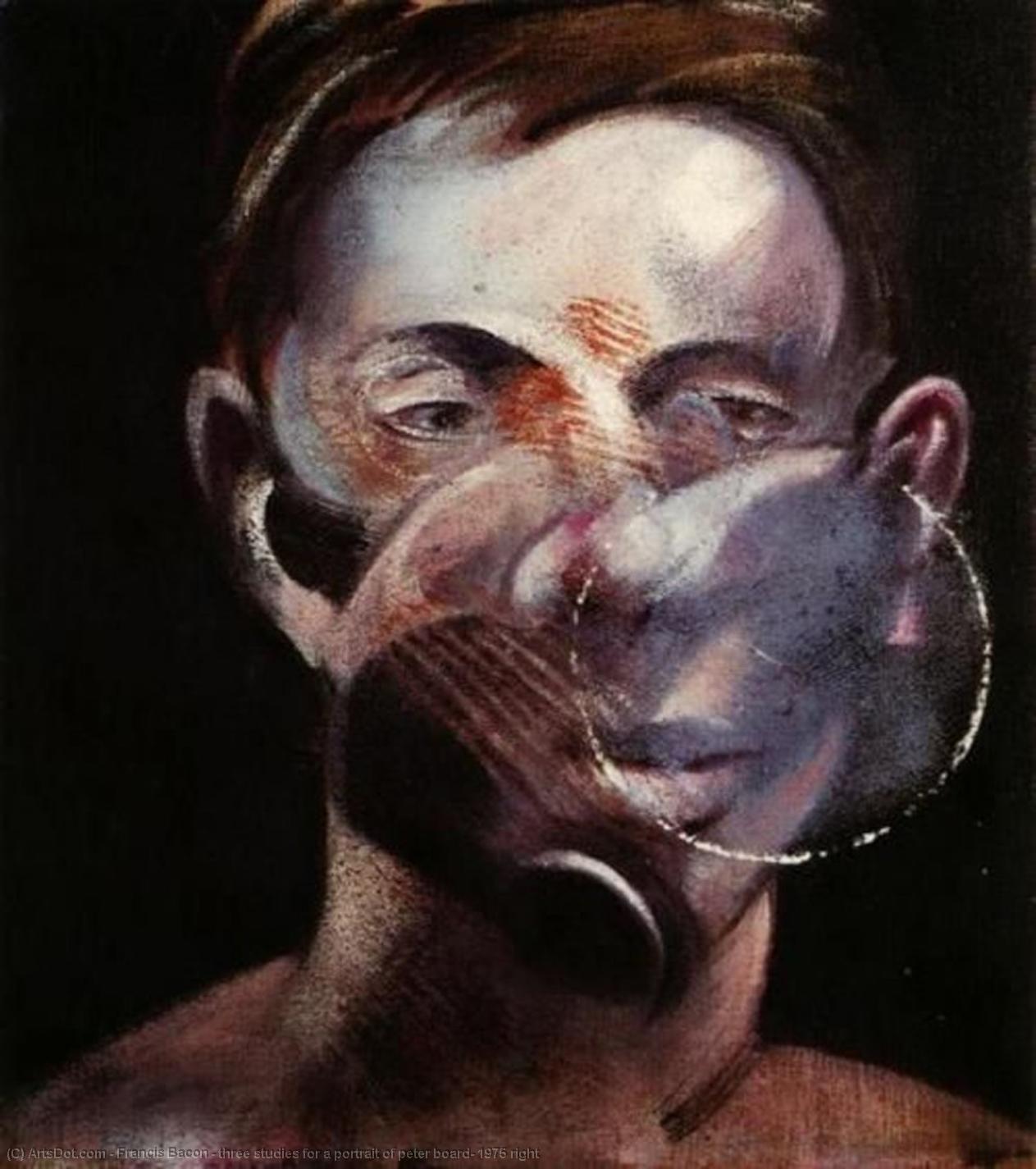
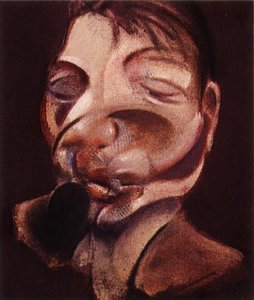
three studies for a portrait of peter board, 1975 right


 Weiterlesen
Giclée / Kunstdruck
Giclée- oder Leinwanddruck in Museumsqualität mit schneller Produktion und flexiblen Veredelungsoptionen. ( Handgemalte Reproduktion bestellen Bild kaufen)




P118B $10

P118H $10

P118W $10

P438Z $10

P508JH $12

P508YH $12

P805H $10

P805Z $10

P919BZ $10

P919G $10

P919XJ $10

P959ZH $10

P968JZ $12

W106C $8

W218G $10

W218JH $8

W218Y $10

W307PJ $10

W316G $10

W316PJ $8

W316Y $10

W398PJ $8

W4111J $10

W500HY $15

W500JH $15

W692G $12

W849H $8

W940BG $15

W953PJ $8




Wählen Sie aus unseren vordefinierten Formaten, die den ursprünglichen Proportionen des Kunstwerks entsprechen.

Sie können Ihre eigenen Maße eingeben, um ein bestimmtes Format oder einen speziellen Platz einzupassen. Wenn das von Ihnen gewählte Format nicht den Proportionen des Originalbildes entspricht, werden wir das Kunstwerk entweder beschneiden oder das Bild mit einem gespiegelten oder einfarbigen Rand erweitern. Ein digitaler Entwurf wird Ihnen zur Genehmigung zugesandt, bevor die Produktion beginnt.
Bitte beachten Sie, dass die Vorschau auf dem Bildschirm nicht den tatsächlichen Zuschnitt oder die Erweiterung widerspiegelt. Nur der Entwurf zeigt die endgültige Komposition präzise an.
Obwohl Sondermaße verfügbar sind, empfehlen wir die Auswahl eines Maßes aus der vordefinierten Liste, um die ursprünglichen Proportionen zu bewahren.
Weltweiter Versand () innerhalb von 2 Wochen statt der üblichen 4/5 Wochen. (25 August)

Kostenloser weltweiter Expressversand

Hochwertige Leinenleinwand

Umfassender Versicherungsschutz beim Versand

Zollgebühren-Rückerstattungsgarantie

Garantie für exakte Farbtreue

60 Tage Rückgaberecht (nur bei Mängeln)

100% Geld-zurück-Garantie

Mengenrabatt verfügbar
 Die Glasoption ist nur für Größen unter 110 cm verfügbar.

three studies for a portrait of peter board, 1975 right
Giclée / Kunstdruck
Format der Reproduktion
-


Gesamtpreis
$ 62
Sammlerstück-Beschreibung
A Visceral Confrontation with the Human Soul
In the hauntingly evocative "Three Studies for a Portrait of Peter Board, 1975 Right," we are not merely presented with a portrait, but rather thrust into a profound psychological encounter. This masterpiece by the legendary Francis Bacon serves as a visceral confrontation with anxiety and vulnerability, stripping away the polite veneers of traditional portraiture to reveal the raw, trembling essence of existence. The painting captures a solitary figure shrouded in an oppressive darkness, his face partially obscured by a protective mask—a motif that immediately pulls the viewer into a realm of deep existential exploration. It is a work that does not seek to please the eye with conventional beauty, but rather to arrest the spirit through its brutal honesty and unflinching depiction of human suffering.
The subject, a study of Bacon's companion Peter Board, becomes a vessel for universal themes of isolation and fear. Through the heavy presence of the mask, the artist invites us to contemplate the barriers we construct between ourselves and an unpredictable world. There is a profound sense of being watched yet remaining unseen, a tension that vibrates through the canvas and lingers in the mind long after the initial viewing. For collectors and enthusiasts of fine art, this piece represents the pinnacle of mid-to-late 20th-century expressionism, offering a window into the turbulent psyche of an era defined by uncertainty.
The Mastery of Brutal Minimalism and Texture
Bacon’s technical prowess is on full display through his signature "squeeze" method, a technique that imbues the canvas with a startling physicality. Rather than relying on smooth, academic transitions, he applies paint thickly—often using gloved hands to manipulate the medium—creating textured surfaces that mimic the uneven, tactile quality of flesh or wounded skin. This heavy impasto creates a landscape of trauma, where every ridge and furrow of paint contributes to the painting's emotional weight. The palette is masterfully restrained, utilizing muted shades of grey, ochre, and deep crimson to amplify the painting’s somber and claustrophobic atmosphere.
The lines within the composition are intentionally jagged and fractured, mirroring a sense of internal disintegration. This deliberate rejection of fluid, harmonious forms serves to convey a state of instability and psychological fragmentation. For interior designers seeking to introduce a powerful focal point into a sophisticated space, this artwork offers an unparalleled depth of texture and tone. The interplay of light and shadow—a dramatic chiaroscical effect—accentuates the facial contours and the grotesque beauty of the distorted features, making it a piece that commands attention and provides a profound sense of gravity to any curated collection.
Historical Echoes and Symbolic Resonance
To understand the depth of this work, one must look toward the historical shadows in which it was conceived. Painted during the latter half of Bacon's prolific career, "Three Studies for a Portrait of Peter Board" speaks to the pervasive anxieties of post-war Britain and the burgeoning tensions of the Cold War era. The imagery of the mask carries significant symbolic weight, acting as a metaphor for protection against unseen, perhaps even nuclear, threats. It reflects a world where the individual feels increasingly exposed to the whims of violent, uncontrollable forces.
Bacon’s work has always been a dialogue with the history of art itself, drawing inspiration from the Old Masters while simultaneously deconstructing their legacies. In this piece, we see the influence of the existentialist movement, where the focus shifts from the external likeness to the internal struggle. The painting stands as a testament to the artist's ability to transform personal observation into a universal language of dread and resilience. Owning a high-quality reproduction of such a seminal work allows one to possess a fragment of art history—a piece that continues to challenge, provoke, and inspire through its timeless exploration of what it truly means to be alive.
Ähnliche Kunstwerke
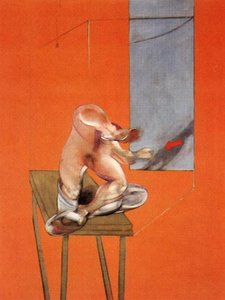
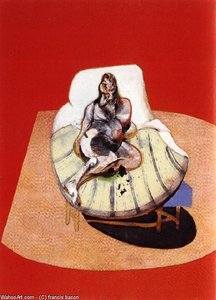
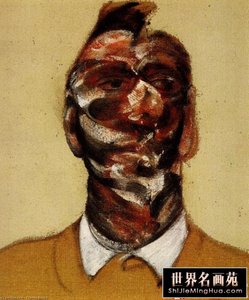
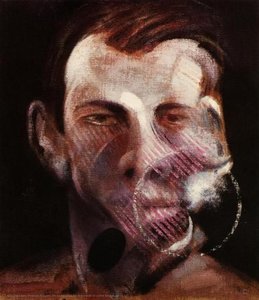
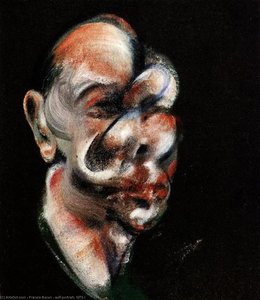

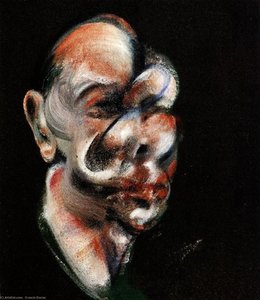
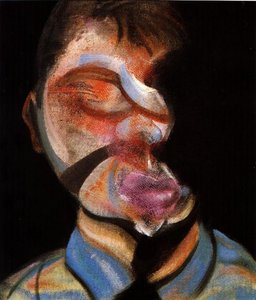
Über den Künstler
**frühes Leben und Karriere**
francis bacon, ein irisch-geborener britischer figurative Maler, wurde am 28. Oktober 1909 in Dublin, Irland, geboren. Sein frühes Leben war von einer Reihe von Umzügen geprägt, da seine Familie nach einem geeigneten Klima für die Gesundheit seiner Mutter suchte. Diese wandernde Kindheit würde Bacon später seinen Ansatz in der Kunst beeinflussen.**Künstlerischer Stil und Themen**
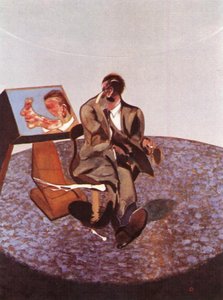
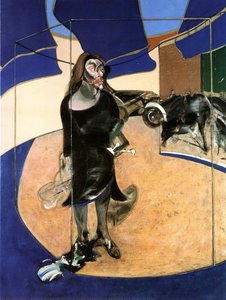
Bacon ist bekannt für sein mutiges, emotionales und oft groteskes Bildmaterial. Seine abstrahierten Figuren sind typischerweise in geometrischen, käfigartigen Räumen isoliert und stehen gegen flache, unauffällige Hintergründe. Dieser einzigartige Stil wurde sowohl gelobt als auch kritisiert von Kunstkritikern.- Portrait of Isabel Rawsthorne standing in a street in Soho, ein wegweisendes Werk, das Bacons Fähigkeit zeigt, die Essenz seiner Sujets in einer scheinbar abstrakten Umgebung einzufangen.
- Number vii from eight studies for a portrait, das die Erforschung der menschlichen Form durch eine Reihe von Studien des Künstlers veranschaulicht.
**Einflüsse und Vermächtnis**
Bacons Werk wurde von verschiedenen Quellen beeinflusst, darunter Maria Helena Vieira da Silva's Autoreportagen und der abstrakten Expressionismus von Piet Mondrian. Sein Vermächtnis inspiriert weiterhin neue Generationen von Künstlern, wobei sein mutiger, unerschrockener Stil ein Eckpfeiler der modernen Kunst bleibt.**Wichtige Ausstellungen und Sammlungen:**
- The Museum Fine Art Society (United Kingdom), das Bacons Werke neben anderen bedeutenden britischen Künstlern gezeigt hat. - Nationalgalerie (Norwegen), die eine umfassende Sammlung europäischer Kunst umfasst, darunter Werke von Bacon. **Wichtige Werke und Sammlungen:** - Francis Bacon: Portrait of Isabel Rawsthorne standing in a street in Soho - Francis Bacon: Number vii from eight studies for a portrait **Museen und Kunstgalerien:** - The Museum Fine Art Society (United Kingdom) - Nationalgalerie (Norwegen)**Fazit**
Bacons turbulentes Leben und sein innovativer Ansatz der figurativen Malerei haben einen unauslöschlichen Eindruck in der Kunstwelt hinterlassen. Sein Vermächtnis, das durch mutiges, emotionales Bildmaterial gekennzeichnet ist, inspiriert weiterhin zeitgenössische Künstler und fasziniert das Publikum gleichermaßen. **Empfohlene Literatur:** - Francis Bacons Biografie - Wikipedia: Francis Bacon (Künstler)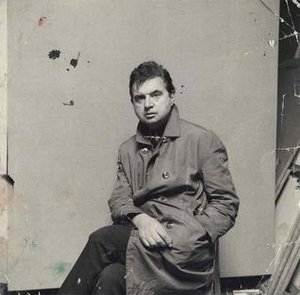
Francis Bacon
1909 - 1992 , Irland
Kurzinfos
- Beeinflusste Künstler:
- Pablo Picasso
- Egon Schiele
- Bemerkenswerte Werke:
- Drei Studien für Kreuzigung
- Porträt von Isabel Rawsthorne
- Studie nach Velázquez
- George Dyer im Spiegel
- Geburtsdatum: 28. Oktober 1909
- Geburtsort: Dublin, Irland
- Künstlerische Richtung: Figuration, Expressionismus
- Nationalität: Irisch-Britisch
- Todatum: April 1992
- Vollständiger Name: Francis Bacon
- Von Künstlern Beeinflusst:
- Maria Helena Vieira da Silva
- Piet Mondrian
Ähnliche Artikel
Francis Bacon: Die 25 Meisterwerke des existentiellen Schmerzes | ArtsDot
Entdecken Sie die 25 Meisterwerke von Francis Bacon! Erleben Sie existenzielle Schmerz, expressive Porträts & dunkle Farben. Kunstreproduktionen in Museumsqualiät auf ArtsDot.com – für Ihre Wanddekoration.
Abstrakter Expressionismus: Die 10 Meisterwerke, die eine Kunstbewegung prägten |
Entdecken Sie die 10 Meisterwerke des Abstrakten Expressionismus! Von Jackson Pollock bis Mark Rothko – erfahren Sie die Geschichten hinter ikonischen Gemälde und finden Sie hochwertige Reproduktionen für Ihr Zuhause. Jetzt bei entdecken!

Kandinsky: Die 25 Meisterwerke des Abstrakten – Kunst für Ihr Zuhause | ArtsDot
Entdecken Sie die 25 bedeutendsten Gemälde von Wassily Kandinsky! Tauchen Sie ein in die Welt der abstrakten Kunst, des Expressionismus und der Farbkomposition. Hochwertige Kunstdrucke & Inspiration für Ihr Zuhause auf ArtsDot.com.
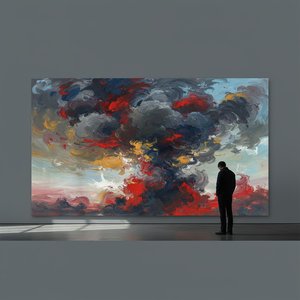
Beyond Representation: Exploring the Emotional Landscape of Abstract Expressionism
Explore the profound emotional world of Abstract Expressionism with ArtsDot. Discover key artists like Pollock & Rothko, learn about collecting, and find museum-quality reproductions to inspire your space.

Geometrische Abstraktion: Die 10 Meisterwerke, die Kunstgeschichte prägten | ArtsDot.com
Entdecken Sie die 10 Meisterwerke der geometrischen Abstraktion! Von Kandinsky bis Mondrian – erleben Sie die Geschichte, Farben & Formen dieser revolutionären Kunstrichtung. Hochwertige Kunstreproduktionen auf ArtsDot.com