 Vorschau anzeigen
 Versenden
 Teilen
 Details anzeigen

 Herunterladen
 Ähnliche Objekte
 Röntgenaufnahme
 Diashow
 Statistiken
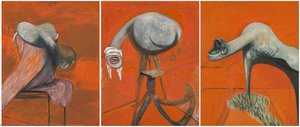
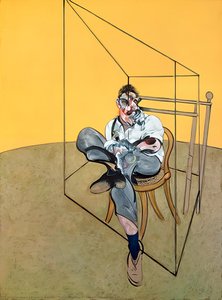
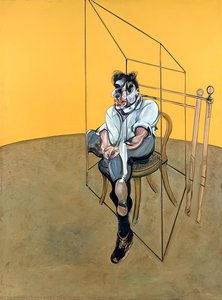
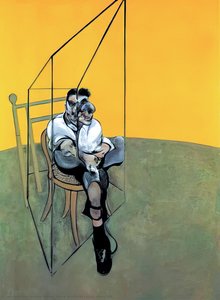
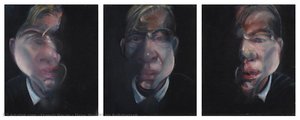
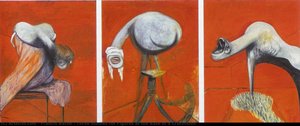
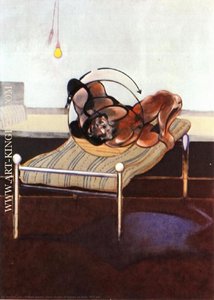
three studies of figures on beds, 1972 right


 Weiterlesen
Giclée / Kunstdruck
Giclée- oder Leinwanddruck in Museumsqualität mit schneller Produktion und flexiblen Veredelungsoptionen. ( Handgemalte Reproduktion bestellen Zum digitalen Bild wechseln)




P118B $10

P118H $10

P118W $10

P438Z $10

P508JH $12

P508YH $12

P805H $10

P805Z $10

P919BZ $10

P919G $10

P919XJ $10

P959ZH $10

P968JZ $12

W106C $8

W218G $10

W218JH $8

W218Y $10

W307PJ $10

W316G $10

W316PJ $8

W316Y $10

W398PJ $8

W4111J $10

W500HY $15

W500JH $15

W692G $12

W849H $8

W940BG $15

W953PJ $8




Wählen Sie aus unseren vordefinierten Formaten, die den ursprünglichen Proportionen des Kunstwerks entsprechen.

Sie können Ihre eigenen Maße eingeben, um ein bestimmtes Format oder einen speziellen Platz einzupassen. Wenn das von Ihnen gewählte Format nicht den Proportionen des Originalbildes entspricht, werden wir das Kunstwerk entweder beschneiden oder das Bild mit einem gespiegelten oder einfarbigen Rand erweitern. Ein digitaler Entwurf wird Ihnen zur Genehmigung zugesandt, bevor die Produktion beginnt.
Bitte beachten Sie, dass die Vorschau auf dem Bildschirm nicht den tatsächlichen Zuschnitt oder die Erweiterung widerspiegelt. Nur der Entwurf zeigt die endgültige Komposition präzise an.
Obwohl Sondermaße verfügbar sind, empfehlen wir die Auswahl eines Maßes aus der vordefinierten Liste, um die ursprünglichen Proportionen zu bewahren.
Weltweiter Versand () innerhalb von 2 Wochen statt der üblichen 4/5 Wochen. (9 September)

Kostenloser weltweiter Expressversand

Hochwertige Leinenleinwand

Umfassender Versicherungsschutz beim Versand

Zollgebühren-Rückerstattungsgarantie

Garantie für exakte Farbtreue

100-Tage-Rückgaberecht (nur bei Mängeln)

100% Geld-zurück-Garantie

Mengenrabatt verfügbar
 Die Glasoption ist nur für Größen unter 110 cm verfügbar.

three studies of figures on beds, 1972 right
Giclée / Kunstdruck
Format der Reproduktion
-


Gesamtpreis
$ 62
A Study in Isolation: Three Studies of Figures on Beds by Francis Bacon
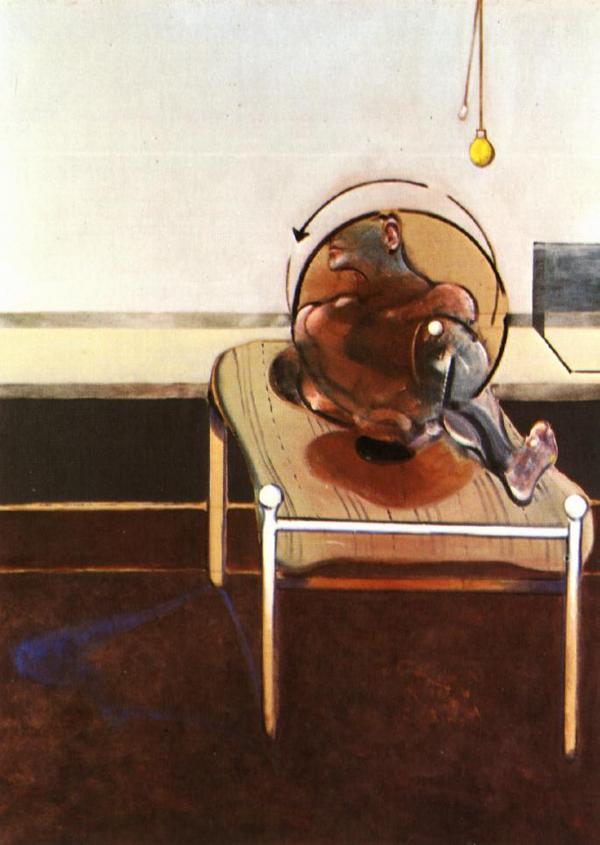
Francis Bacon’s “Three Studies of Figures on Beds,” created in 1972, is not merely a painting; it's an excavation of the human condition – a raw and unsettling exploration of vulnerability, isolation, and perhaps, the encroaching specter of death. Executed in stark black and white, this work exemplifies Bacon’s signature style: a brutal honesty rendered with meticulous detail and imbued with a palpable sense of dread. The image presents three figures, each slumped within a bed – not as restful retreats, but as sites of profound discomfort and psychological turmoil. These aren't idealized representations of human form; they are fractured, distorted echoes of flesh and bone, reflecting the artist’s preoccupation with mortality and the disintegration of identity.
- Subject Matter: The central figure, seated in a chair with his back to the viewer, immediately establishes an atmosphere of detachment. His posture suggests both exhaustion and defiance, while the two other figures, similarly positioned, amplify this sense of unease.
- Composition & Technique: Bacon’s technique is characterized by a relentless layering of paint – thick impasto applied with a palette knife creates a textured surface that seems to writhe beneath the surface. The stark contrast between light and shadow intensifies the figures' anguish, while the circular forms of the chairs contribute to a feeling of claustrophobia and entrapment.
The Weight of Post-War Anxiety
Created in 1972, “Three Studies of Figures on Beds” speaks powerfully to the anxieties of the post-war era. Bacon’s work emerged from a period marked by disillusionment, technological advancement, and a growing sense of alienation – themes that resonate deeply within the painting's unsettling imagery. The figures can be interpreted as embodiments of the individual struggling to find meaning in a rapidly changing world, grappling with existential questions amidst the ruins of traditional values. Bacon himself was profoundly affected by the events of World War II, and this trauma undoubtedly informs the emotional intensity of his work.
The painting’s monochrome palette further enhances its dramatic effect, stripping away any potential for beauty or comfort. It evokes a sense of timelessness, suggesting that these struggles are not confined to a specific historical moment but represent an enduring aspect of the human experience. The influence of Surrealism is evident in Bacon's exploration of the subconscious and his willingness to confront uncomfortable truths about the nature of existence.
Symbolic Layers & Emotional Resonance
The bed itself, a traditionally symbol of rest and security, becomes here a site of profound disturbance. It represents not comfort but confinement, vulnerability, and perhaps even death. The figures’ slumped postures suggest a surrender to despair or a desperate attempt to shield themselves from an unbearable reality. The clock in the background adds another layer of symbolism – a reminder of the relentless passage of time and the inevitability of mortality. Bacon's work is not about providing answers; it’s about provoking questions, forcing us to confront our own fears and anxieties.
The painting’s emotional impact is undeniably powerful. It evokes a sense of unease, discomfort, and perhaps even horror. Yet, within this darkness lies a strange beauty – a testament to Bacon's ability to capture the raw essence of human emotion with unflinching honesty. The work continues to resonate with viewers today because it speaks to universal themes of isolation, mortality, and the struggle for meaning in a chaotic world.
A Masterpiece of Psychological Intensity
Francis Bacon’s “Three Studies of Figures on Beds” is more than just an artwork; it's a visceral experience. Its meticulous technique, unsettling subject matter, and profound emotional resonance make it one of the most significant works in the 20th century. A hand-painted reproduction offers a unique opportunity to bring this masterpiece into your home or office, allowing you to contemplate its enduring power and beauty for years to come.
Ähnliche Kunstwerke
Über den Künstler
**frühes Leben und Karriere**
francis bacon, ein irisch-geborener britischer figurative Maler, wurde am 28. Oktober 1909 in Dublin, Irland, geboren. Sein frühes Leben war von einer Reihe von Umzügen geprägt, da seine Familie nach einem geeigneten Klima für die Gesundheit seiner Mutter suchte. Diese wandernde Kindheit würde Bacon später seinen Ansatz in der Kunst beeinflussen.**Künstlerischer Stil und Themen**
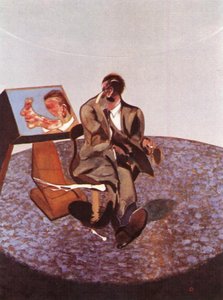
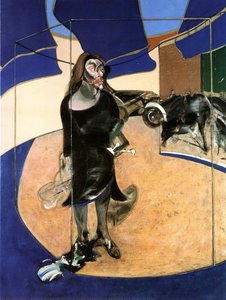
Bacon ist bekannt für sein mutiges, emotionales und oft groteskes Bildmaterial. Seine abstrahierten Figuren sind typischerweise in geometrischen, käfigartigen Räumen isoliert und stehen gegen flache, unauffällige Hintergründe. Dieser einzigartige Stil wurde sowohl gelobt als auch kritisiert von Kunstkritikern.- Portrait of Isabel Rawsthorne standing in a street in Soho, ein wegweisendes Werk, das Bacons Fähigkeit zeigt, die Essenz seiner Sujets in einer scheinbar abstrakten Umgebung einzufangen.
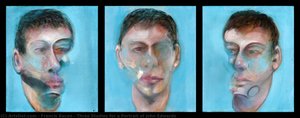
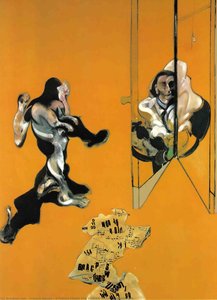
- Number vii from eight studies for a portrait, das die Erforschung der menschlichen Form durch eine Reihe von Studien des Künstlers veranschaulicht.
**Einflüsse und Vermächtnis**
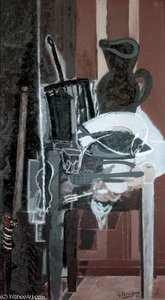
Bacons Werk wurde von verschiedenen Quellen beeinflusst, darunter Maria Helena Vieira da Silva's Autoreportagen und der abstrakten Expressionismus von Piet Mondrian. Sein Vermächtnis inspiriert weiterhin neue Generationen von Künstlern, wobei sein mutiger, unerschrockener Stil ein Eckpfeiler der modernen Kunst bleibt.**Wichtige Ausstellungen und Sammlungen:**
- The Museum Fine Art Society (United Kingdom), das Bacons Werke neben anderen bedeutenden britischen Künstlern gezeigt hat. - Nationalgalerie (Norwegen), die eine umfassende Sammlung europäischer Kunst umfasst, darunter Werke von Bacon. **Wichtige Werke und Sammlungen:** - Francis Bacon: Portrait of Isabel Rawsthorne standing in a street in Soho - Francis Bacon: Number vii from eight studies for a portrait **Museen und Kunstgalerien:** - The Museum Fine Art Society (United Kingdom) - Nationalgalerie (Norwegen)**Fazit**
Bacons turbulentes Leben und sein innovativer Ansatz der figurativen Malerei haben einen unauslöschlichen Eindruck in der Kunstwelt hinterlassen. Sein Vermächtnis, das durch mutiges, emotionales Bildmaterial gekennzeichnet ist, inspiriert weiterhin zeitgenössische Künstler und fasziniert das Publikum gleichermaßen. **Empfohlene Literatur:** - Francis Bacons Biografie - Wikipedia: Francis Bacon (Künstler)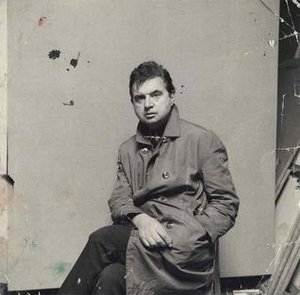
Francis Bacon
1909 - 1992 , Irland
Kurzinfos
- Beeinflusste Künstler:
- Pablo Picasso
- Egon Schiele
- Bemerkenswerte Werke:
- Drei Studien für Kreuzigung
- Porträt von Isabel Rawsthorne
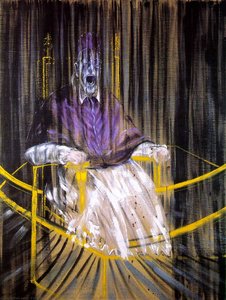
- Studie nach Velázquez
- George Dyer im Spiegel
- Geburtsdatum: 28. Oktober 1909
- Geburtsort: Dublin, Irland
- Künstlerische Richtung: Figuration, Expressionismus
- Nationalität: Irisch-Britisch
- Todatum: April 1992
- Vollständiger Name: Francis Bacon
- Von Künstlern Beeinflusst:
- Maria Helena Vieira da Silva
- Piet Mondrian
Ähnliche Artikel

Weiße Meisterwerke: Die Top 10 berühmtesten Gemälde und ihre zeitlose Eleganz
Entdecken Sie die Top 10 berühmter Gemälde, dominiert von Weiß! Von Malewitsch bis Rothko – erfahren Sie Geschichten hinter ikonischen Kunstwerke und lassen Sie sich für Ihre Wohnraumgestaltung inspirieren. Kunstreproduktionen in Museumsqualiät auf
Francis Bacon: Die 25 Meisterwerke des existentiellen Schmerzes | ArtsDot
Entdecken Sie die 25 Meisterwerke von Francis Bacon! Erleben Sie existenzielle Schmerz, expressive Porträts & dunkle Farben. Kunstreproduktionen in Museumsqualiät auf ArtsDot.com – für Ihre Wanddekoration.

Giclée Prints: Archival Quality & Aesthetic Nuances for the Discerning Collector
Explore the world of giclée prints with ArtsDot. Learn about archival quality, aesthetic nuances & investment potential. Expert guidance for discerning art collectors seeking museum-quality reproductions and lasting value.

Monochrome Visions: Exploring the Aesthetic & Historical Significance of Black & White Photography
Explore the rich history & artistic power of black and white photography. From early techniques to iconic masters like Ansel Adams, discover why monochrome continues to captivate art lovers today. Expert insights for collectors.

Die Top 10 berühmter Gemälde im Reich der dunklen Töne |
Entdecken Sie die Top 10 berühmter Gemälde, beherrscht von dunklen Tönen! Von Caravaggio bis Manet – erfahren Sie die Geschichten hinter Meisterwerken der Kunstgeschichte. Finden Sie Ihre perfekte Reproduktion auf .