

 Vorschau anzeigen
 Versenden
 Teilen
 Details anzeigen

 Herunterladen
 Ähnliche Objekte
 Röntgenaufnahme
 Diashow
 Statistiken
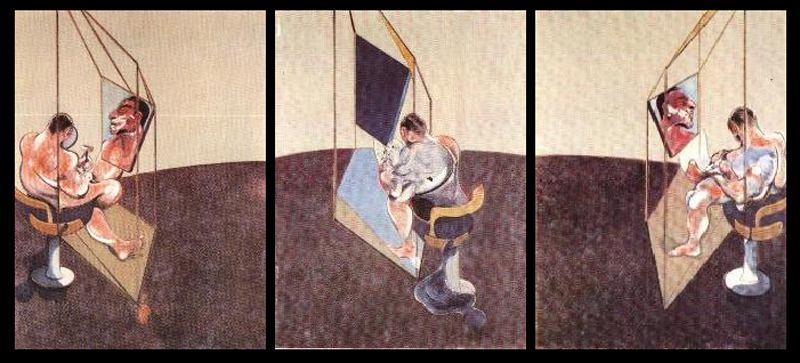
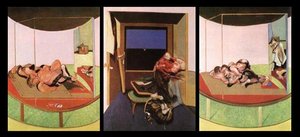
Three Studies of the Male Back


 Weiterlesen
Erwerben Sie ein hochauflösendes, optimiertes digitales Bild, das der Online-Vorschau weit überlegen ist.
Jede Datei wird von unseren hauseigenen Spezialisten mit modernsten Werkzeugen und fachmännischer manueller Retusche sorgfältig vorbereitet. Wir stellen sicher, dass jedes Bild eine außergewöhnliche Klarheit, präzise Farbgenauigkeit und feinste Details aufweist.
Die endgültige Datei wird innerhalb von 72 Stunden per E-Mail zugestellt und ist für den sofortigen Einsatz in professionellen, redaktionellen und Druckumgebungen optimiert. Es handelt sich um dieselbe Qualität, der führende Designstudios, Verlage und Galerien vertrauen.
Digitales Bild
Laden Sie eine hochauflösende Datei für die persönliche Präsentation, den Druck und kreative Projekte herunter. ( Zu Druck wechseln Handgemalte Reproduktion bestellen)
In jeder Bestellung digitaler Bilder enthalten
Professionelle digitale Bereitstellung, garantiert
Wenn Sie sich für ArtsDot.com entscheiden, erhalten Sie nicht nur ein Bild – Sie erhalten ein professionell aufbereitetes digitales Kunstwerk, das mit höchster Präzision erstellt und durch eine Zufriedenheitsgarantie abgesichert wird. Hier ist alles, was automatisch mit Ihrer Bestellung geliefert wird:

Schnelle E-Mail-Zustellung
Ihre hochauflösende digitale Bilddatei wird Ihnen innerhalb von 72 Stunden nach der Bestellung per E-Mail zugestellt – bereit zur sofortigen Verwendung.

KI-optimierte digitale Datei
Ihre Kunstwerke werden professionell mithilfe fortschrittlicher KI-Tools und manueller Bearbeitung optimiert, um maximale Detailtreue, Klarheit und Farbgenauigkeit zu gewährleisten.

Lebenslanger kostenloser Neudruckservice
Datei versehentlich gelöscht oder verloren? Keine Sorge – wir senden sie Ihnen jederzeit kostenlos erneut zu.

Keine Einfuhrgebühren – jemals
Genießen Sie Ihr Kunstwerk sofort ohne Zollgebühren, Einfuhrabgaben oder Versandkosten – digitale Downloads sind immer steuerfrei.

Garantierte Farbtreue
Wir garantieren, dass Ihr digitales Bild mithilfe professioneller Werkzeuge und Farbmanagement die Originalfarben so präzise wie möglich wiedergibt.

100-Tage-Zufriedenheitsgarantie
Wenn Sie mit Ihrem digitalen Bild nicht zufrieden sind, werden wir es überarbeiten oder 100% innerhalb von 100 Tagen erstatten – ohne Wenn und Aber.

100% Geld-zurück-Garantie
Nicht zufrieden? Erhalten Sie innerhalb von 100 Tagen nach Erhalt Ihrer digitalen Datei eine vollständige Rückerstattung – ohne Wenn und Aber.

Rabatte bei Großbestellungen
3 Bilder kaufen, 10% sparen – 5 Bilder kaufen, 15% sparen – Ab 10 Bildern 20% sparen. Ideal für kreative Projekte, Galerien und Agenturen.
A Study in Isolation: Unpacking Francis Bacon’s “Three Studies of the Male Back”
Francis Bacon's "Three Studies of the Male Back" isn't merely a depiction of three figures; it’s an excavation of existential dread, a visceral exploration of human vulnerability rendered with unsettling precision. Painted in 1944, during the darkest years of World War II and its immediate aftermath, the work embodies the profound anxieties of a generation grappling with loss, uncertainty, and the disintegration of traditional values. Bacon, already a master of conveying psychological torment, elevates this piece to a new level of intensity, utilizing his signature technique – a brutal honesty that strips away any pretense of beauty or comfort.
- Subject Matter: The painting’s core is deceptively simple: three men seated in chairs, their backs turned towards the viewer. This deliberate anonymity elevates them to archetypes, representing universal anxieties rather than specific individuals.
- Style & Technique: Bacon's style is immediately recognizable – a raw, almost violent application of paint. Thick impasto layers create a sense of unease and instability, while distorted forms and jarring color combinations—primarily reds, yellows, and blacks—heighten the emotional impact. The figures aren’t rendered with anatomical accuracy; instead, they are fragmented, dissolving into pools of color, reflecting a breakdown of identity and self-awareness.
The Weight of History and the Trauma of War
To understand “Three Studies of the Male Back,” one must consider its historical context. Created in the aftermath of World War II, the painting reflects the widespread disillusionment and psychological scars left by the conflict. The recurring motif of the back – a vulnerable posture, shielding the face from direct confrontation – speaks to a desire for protection, but also to an inability to confront the horrors witnessed. The presence of the ties, meticulously rendered, adds another layer of complexity, perhaps symbolizing societal constraints or the burden of responsibility. The dining table in the background subtly reinforces this sense of confinement and unease, suggesting a sterile, almost ritualistic space.
- Symbolism: The fragmented forms can be interpreted as representing the shattered psyche of modern man, overwhelmed by the chaos and brutality of the 20th century. The colors themselves are powerfully symbolic – red often associated with violence and passion, yellow with anxiety and fear, and black with death and despair.
- Bacon’s Process: Bacon famously employed a technique of layering images, sometimes using photographs as starting points. This process allowed him to build up the emotional intensity of the work gradually, creating a sense of depth and complexity that draws the viewer into its unsettling world.
Emotional Resonance and Lasting Impact
"Three Studies of the Male Back" is not a comfortable painting; it demands engagement, forcing the viewer to confront uncomfortable truths about human existence. Bacon’s ability to translate psychological turmoil onto canvas is unparalleled. The work's enduring power lies in its ability to tap into our deepest fears and anxieties – the fear of isolation, the fear of death, the fear of losing control. It remains a profoundly moving testament to the artist’s genius and his unflinching exploration of the darker aspects of the human condition.
- Legacy: Bacon's work continues to resonate with audiences today, solidifying his place as one of the most important artists of the 20th century. His influence can be seen in countless contemporary artists who have embraced his raw emotionality and his willingness to challenge conventional notions of beauty.
- Collecting & Interior Design: A hand-painted reproduction of “Three Studies of the Male Back” offers a unique opportunity to bring this iconic work into your home or office. Its powerful imagery will undoubtedly serve as a conversation starter, prompting reflection on the complexities of human experience and the enduring power of art to provoke emotion.
Ähnliche Kunstwerke

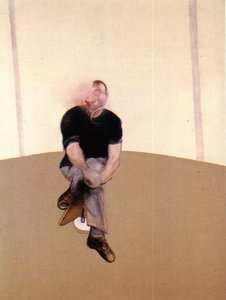
Biografie des Künstlers
**frühes Leben und Karriere**
francis bacon, ein irisch-geborener britischer figurative Maler, wurde am 28. Oktober 1909 in Dublin, Irland, geboren. Sein frühes Leben war von einer Reihe von Umzügen geprägt, da seine Familie nach einem geeigneten Klima für die Gesundheit seiner Mutter suchte. Diese wandernde Kindheit würde Bacon später seinen Ansatz in der Kunst beeinflussen.**Künstlerischer Stil und Themen**
Bacon ist bekannt für sein mutiges, emotionales und oft groteskes Bildmaterial. Seine abstrahierten Figuren sind typischerweise in geometrischen, käfigartigen Räumen isoliert und stehen gegen flache, unauffällige Hintergründe. Dieser einzigartige Stil wurde sowohl gelobt als auch kritisiert von Kunstkritikern.- Portrait of Isabel Rawsthorne standing in a street in Soho, ein wegweisendes Werk, das Bacons Fähigkeit zeigt, die Essenz seiner Sujets in einer scheinbar abstrakten Umgebung einzufangen.
- Number vii from eight studies for a portrait, das die Erforschung der menschlichen Form durch eine Reihe von Studien des Künstlers veranschaulicht.
**Einflüsse und Vermächtnis**
Bacons Werk wurde von verschiedenen Quellen beeinflusst, darunter Maria Helena Vieira da Silva's Autoreportagen und der abstrakten Expressionismus von Piet Mondrian. Sein Vermächtnis inspiriert weiterhin neue Generationen von Künstlern, wobei sein mutiger, unerschrockener Stil ein Eckpfeiler der modernen Kunst bleibt.**Wichtige Ausstellungen und Sammlungen:**
- The Museum Fine Art Society (United Kingdom), das Bacons Werke neben anderen bedeutenden britischen Künstlern gezeigt hat. - Nationalgalerie (Norwegen), die eine umfassende Sammlung europäischer Kunst umfasst, darunter Werke von Bacon. **Wichtige Werke und Sammlungen:** - Francis Bacon: Portrait of Isabel Rawsthorne standing in a street in Soho - Francis Bacon: Number vii from eight studies for a portrait **Museen und Kunstgalerien:** - The Museum Fine Art Society (United Kingdom) - Nationalgalerie (Norwegen)**Fazit**
Bacons turbulentes Leben und sein innovativer Ansatz der figurativen Malerei haben einen unauslöschlichen Eindruck in der Kunstwelt hinterlassen. Sein Vermächtnis, das durch mutiges, emotionales Bildmaterial gekennzeichnet ist, inspiriert weiterhin zeitgenössische Künstler und fasziniert das Publikum gleichermaßen. **Empfohlene Literatur:** - Francis Bacons Biografie - Wikipedia: Francis Bacon (Künstler)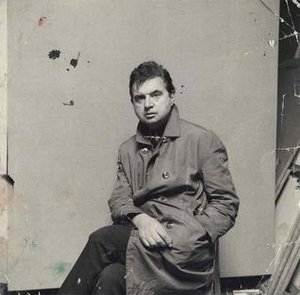
Francis Bacon
1909 - 1992 , Irland
Kurzinfos
- Beeinflusste Künstler:
- Pablo Picasso
- Egon Schiele
- Bemerkenswerte Werke:
- Drei Studien für Kreuzigung
- Porträt von Isabel Rawsthorne
- Studie nach Velázquez
- George Dyer im Spiegel
- Geburtsdatum: 28. Oktober 1909
- Geburtsort: Dublin, Irland
- Künstlerische Richtung: Figuration, Expressionismus
- Nationalität: Irisch-Britisch
- Todatum: April 1992
- Vollständiger Name: Francis Bacon
- Von Künstlern Beeinflusst:
- Maria Helena Vieira da Silva
- Piet Mondrian