

 Vorschau anzeigen
 Versenden
 Teilen
 Details anzeigen

 Herunterladen
 Ähnliche Objekte
 Röntgenaufnahme
 Diashow
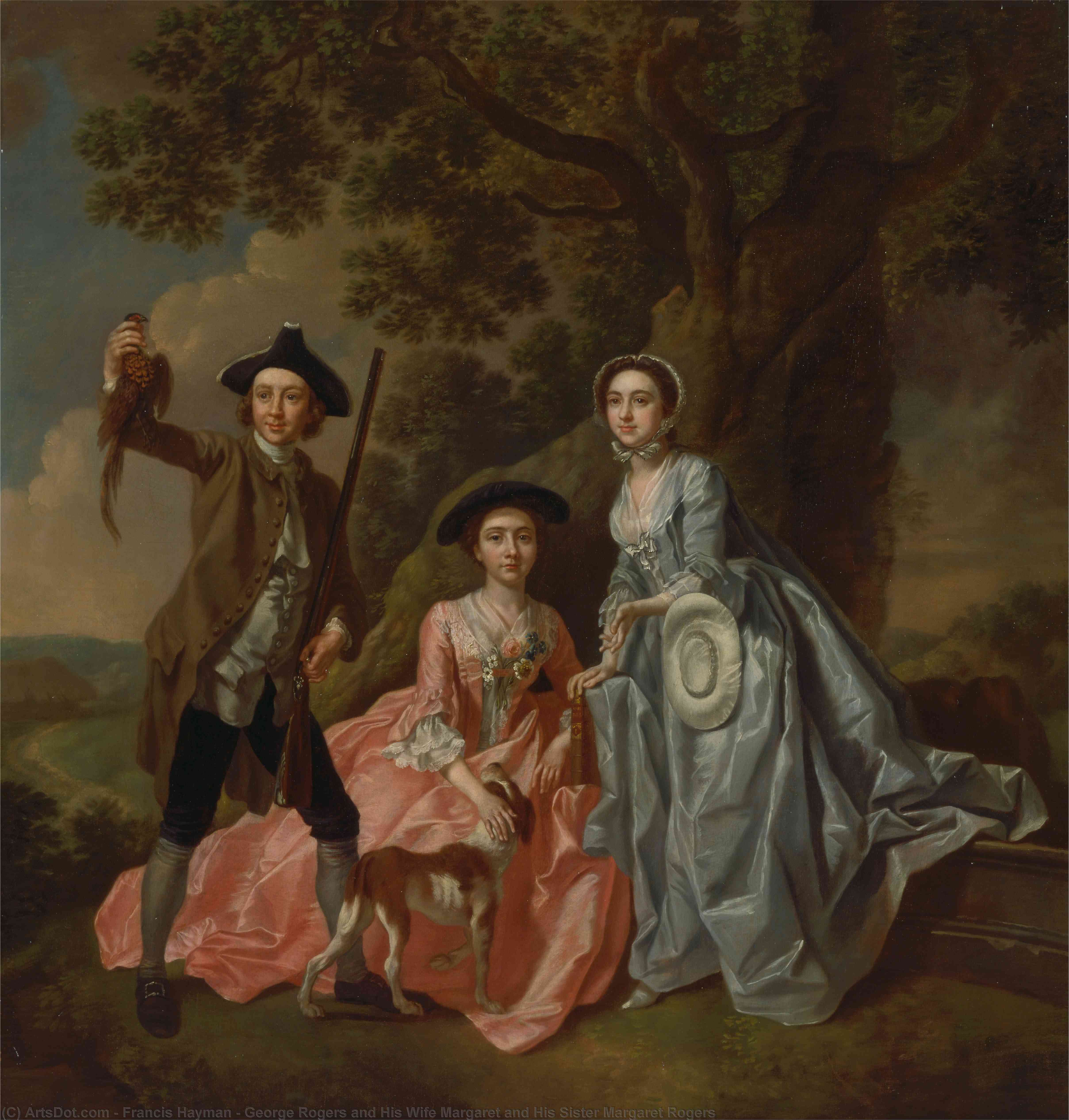
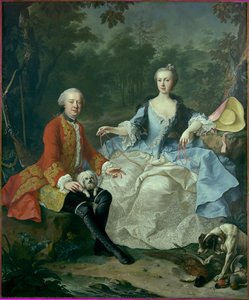
George Rogers and His Wife Margaret and His Sister Margaret Rogers


 Weiterlesen
Giclée / Kunstdruck
Giclée- oder Leinwanddruck in Museumsqualität mit schneller Produktion und flexiblen Veredelungsoptionen. ( Handgemalte Reproduktion bestellen Bild kaufen)




P118B $10

P118H $10

P118W $10

P438Z $10

P508JH $12

P508YH $12

P805H $10

P805Z $10

P919BZ $10

P919G $10

P919XJ $10

P959ZH $10

P968JZ $12

W106C $8

W218G $10

W218JH $8

W218Y $10

W307PJ $10

W316G $10

W316PJ $8

W316Y $10

W398PJ $8

W4111J $10

W500HY $15

W500JH $15

W692G $12

W849H $8

W940BG $15

W953PJ $8




Wählen Sie aus unseren vordefinierten Formaten, die den ursprünglichen Proportionen des Kunstwerks entsprechen.

Sie können Ihre eigenen Maße eingeben, um ein bestimmtes Format oder einen speziellen Platz einzupassen. Wenn das von Ihnen gewählte Format nicht den Proportionen des Originalbildes entspricht, werden wir das Kunstwerk entweder beschneiden oder das Bild mit einem gespiegelten oder einfarbigen Rand erweitern. Ein digitaler Entwurf wird Ihnen zur Genehmigung zugesandt, bevor die Produktion beginnt.
Bitte beachten Sie, dass die Vorschau auf dem Bildschirm nicht den tatsächlichen Zuschnitt oder die Erweiterung widerspiegelt. Nur der Entwurf zeigt die endgültige Komposition präzise an.
Obwohl Sondermaße verfügbar sind, empfehlen wir die Auswahl eines Maßes aus der vordefinierten Liste, um die ursprünglichen Proportionen zu bewahren.
Weltweiter Versand () innerhalb von 2 Wochen statt der üblichen 4/5 Wochen. (31 August)

Kostenloser weltweiter Expressversand

Hochwertige Leinenleinwand

Umfassender Versicherungsschutz beim Versand

Zollgebühren-Rückerstattungsgarantie

Garantie für exakte Farbtreue

60 Tage Rückgaberecht (nur bei Mängeln)

100% Geld-zurück-Garantie

Mengenrabatt verfügbar
 Die Glasoption ist nur für Größen unter 110 cm verfügbar.

George Rogers and His Wife Margaret and His Sister Margaret Rogers
Giclée / Kunstdruck
Format der Reproduktion
-


Gesamtpreis
$ 62
A Moment of Domestic Tranquility: Francis Hayman’s Portrait of the Rogers Family
Francis Hayman's "George Rogers and His Wife Margaret and His Sister Margaret Rogers," painted circa 1748-1750, offers a captivating glimpse into the life of a prosperous English family during the mid-18th century. More than just a simple portrait, it’s a carefully constructed tableau brimming with subtle details that speak volumes about social standing, familial bonds, and the prevailing aesthetic sensibilities of the Rococo era. The painting depicts George Rogers, his wife Margaret (née Tyers), and sister Margaret, gathered beneath a sheltering tree – a scene both intimate and imbued with a quiet dignity.
Hayman’s skill lies not just in capturing likenesses but in creating an atmosphere. The dappled sunlight filtering through the branches above suggests a leisurely afternoon, while the arrangement of figures within the composition is deliberately balanced. George Rogers, holding his hunting rifle – a symbol of status and masculine authority – occupies the left foreground, his gaze directed slightly off-camera, perhaps towards a distant hunt or a future prospect. Margaret Rogers, seated beside him, embodies domestic grace with her arm gently encircling the family dog, a gesture indicative of the era’s emphasis on familial affection and loyalty. Her sister, positioned to the right, wears a fashionable hat and appears absorbed in thought, hinting at a private contemplation – a common motif in portraits designed to convey both outward appearance and inner character.
The Rococo Influence: Ornamentation and Emotional Resonance
Hayman’s work firmly places this portrait within the context of the Rococo style, which was flourishing throughout Europe during this period. Characterized by its elegance, grace, and a penchant for elaborate ornamentation, Rococo sought to evoke feelings of pleasure, delight, and refined sensibility. Notice the delicate rendering of fabrics – the woman's gown, the dog’s fur – and the subtle use of color, all contributing to an atmosphere of luxurious comfort. The composition itself is deliberately asymmetrical, mirroring the organic forms found in nature, a hallmark of Rococo art. The inclusion of the dog further reinforces this connection to nature, suggesting a harmonious blend of domesticity and the natural world.
Unlike the more formal and rigid portraiture of earlier periods, Hayman’s approach is remarkably relaxed. The figures are not posed stiffly but appear engaged in a comfortable, almost candid interaction. This reflects a shift in artistic values during the 18th century, where artists increasingly sought to capture not just outward appearances but also the inner lives and emotions of their subjects. The slightly averted gazes and subtle expressions suggest a depth of feeling beyond mere representation.
Symbolism and Social Commentary
Beyond its aesthetic qualities, “George Rogers and His Wife Margaret and His Sister Margaret Rogers” offers insights into the social dynamics of the time. The presence of the hunting rifle underscores the importance of land ownership and military prowess within the landed gentry. The inclusion of two dogs speaks to the family’s wealth and ability to maintain a comfortable household, while their fashionable attire reflects their position within society. Even the choice of setting – a natural grove – subtly reinforces the idea that prosperity and social standing were inextricably linked to connection with the land.
Furthermore, the portrait can be interpreted as a celebration of family unity and domestic harmony—values highly prized in 18th-century England. The careful arrangement of the figures, their shared gaze (or lack thereof), and the overall atmosphere of tranquility all contribute to this sense of familial contentment. It’s a scene frozen in time, offering a poignant reminder of a bygone era.
A Reproduction for Your Home: Bringing History to Life
ArtsDot offers meticulously crafted hand-painted reproductions of Francis Hayman's "George Rogers and His Wife Margaret and His Sister Margaret Rogers," allowing you to bring this exquisite work of art into your own space. Our skilled artists faithfully recreate the painting’s intricate details, capturing the subtle nuances of color, texture, and light. Whether displayed in a formal salon or a cozy study, this reproduction will serve as a beautiful conversation piece—a window into the past and a testament to the enduring power of portraiture.
Consider how the painting’s serene composition and evocative atmosphere can complement your existing décor. The rich colors and delicate brushstrokes create a sense of warmth and sophistication, while the subject matter offers a timeless appeal. A ArtsDot reproduction is more than just an image; it's a tangible connection to art history—a piece of beauty that will enrich your home for years to come.
Ähnliche Kunstwerke
![Legende Des Heiligen Franziskus - [02] - St. Franziskus Gibt Seinen Mantel An Einen Armen Mann — Giotto Di Bondone, Proto-renaissance](/media/artworks/images-thumb/1f/84/1f842a0319a02eaaa27d431c94a53fd1.jpg)
![Legende Des Hl. Franziskus - [09] - Vision Der Throne — Giotto Di Bondone, Gotische Kunst](/media/artworks/images-thumb/22/63/2263d17803affec5bf4662652047e257.jpg)
![Legende Von St Franz - [11] - St Franz Vor Dem Sultan (feuerprobe) — Giotto Di Bondone, Early Renaissance](/media/artworks/images-thumb/0d/32/0d328acfb6c90f7ef32707586e86044b.jpg)
![Legende Des Heiligen Franziskus – [24] – Krönung Des Heiligen Franziskus — Giotto Di Bondone, Gothic/proto-renaissance](/media/artworks/images-thumb/81/9b/819b5f0656848eb5cb3fcd40fd5756aa.jpg)
![Leben Des Heiligen Franziskus - [04] - Tod Und Himmelfahrt Des Hl. Franziskus — Giotto Di Bondone, Italienische Renaissance](/media/artworks/images-thumb/08/8b/088b102b13c1a379233690905590f156.jpg)
![Leben Des Heiligen Franziskus - [06] - Der Heilige Franziskus Vor Dem Sultan — Giotto Di Bondone, Proto-renaissance](/media/artworks/images-thumb/78/99/78995b9f1c570aac2ba1f4e9a3a7e8b8.jpg)
Über den Künstler
Die dramatische Vision des Francis Hayman
In der lebendigen, sich ständig wandelnden Landschaft der britischen Kunst des achtzehnten Jahrhunderts besaßen nur wenige Persönlichkeiten eine so vielseitige Brillanz wie
Das ästhetische Wesen von Haymans Werk ist tief mit der Rokoko-Bewegung verwoben, einer Epoche, die durch Anmut, Ornamentik und eine gewisse unbeschwerte Eleganz gekennzeichnet war. Inspiriert von den opulenten französischen Meistern wie François Boucher, pflegte Hayman eine Palette aus zarten Pastelltönen und fließenden, rhythmischen Pinselstrichen. Dennoch war sein Werk niemals rein dekorativ; es besaute eine strukturelle Integrität, die von klassischen Idealen geleitet wurde. Durch seine Verbindung zu den aufstrebenden intellektuellen Kreisen Londons integrierte er ein Gefühl für Proportion und Form, das es seinen Porträts ermöglichte, über die bloße Ähnlichkeit hinauszugehen und stattdessen das eigentliche Wesen des Charakters und des sozialen Standes einzufangen.
Ein Vermächtnis der Royal Academy und narrativen Meisterschaft
Haymans historische Bedeutung ist fest in seiner Gründungsrolle bei der Errichtung der
Sein künstlerisches Repertoire war bemerkenswert expansiv und bewies ein Talent, das mit müheloser Leichtigkeit zwischen den Genres wechseln konnte:
Letztendlich war das Leben von Francis Hayman ein Zeugnis für die Macht des visuellen Erzählens. Indem er die Theatralik der Bühne mit der raffinierten Eleganz des Rokoko verschmolz, schuf er ein Werk, das bis heute ein wesentliches Fenster in die Ära der Aufklärung bleibt. Sein Vermächtnis lebt nicht nur in den Leinwänden weiter, die seinen Namen tragen, sondern in der Struktur der britischen Kunstgeschichte selbst, die ihn als einen wahren Pionier ausweist, der dazu beitrug, den Status des Malers vom Handwerker zum akademischen Meister zu erheben.
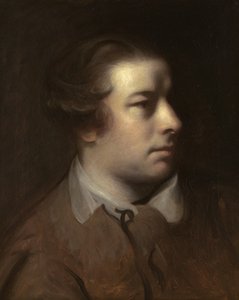
Francis Hayman
1708 - 1776 , Vereinigtes Königreich
Kurzinfos
- Artistic Movement Or Style: Rokoko
- Artists Or Movements Influenced By This Artist: ['Joshua Reynolds']
- Artists Who Influenced This Artist: ['Robert Browne']
- Date Of Birth: 1708 Exeter
- Date Of Death: 1776 London
- Full Name: Francis Hayman
- Nationality: Englisch
- Notable Artworks:
- Das Hamlet-Szene
- Tanzen Milchmaiden
- Place Of Birth: Exeter Vereinigtes Königreich
Ähnliche Artikel
Francis Bacon: Die 25 Meisterwerke des existentiellen Schmerzes | ArtsDot
Entdecken Sie die 25 Meisterwerke von Francis Bacon! Erleben Sie existenzielle Schmerz, expressive Porträts & dunkle Farben. Kunstreproduktionen in Museumsqualiät auf ArtsDot.com – für Ihre Wanddekoration.
John Francis Sartorius II: Equestrian Elegance & the Rise of British Portraiture
Explore the captivating world of Francis Sartorius II (1734-1804), a leading British painter renowned for his exquisite equestrian portraits and hunting scenes. Discover his life, techniques & enduring legacy.
The Enduring Legacy of Family Portraiture: A Historical & Artistic Exploration
Explore the rich history of family portraiture with ArtsDot. Discover artistic styles, symbolism & collecting insights. Commission a custom oil painting or appraise your existing artwork today!
Thomas Hudson: A Study in 18th-Century Portraiture & British Artistic Identity
Explore the life & work of Thomas Hudson, a leading 18th-century British portraitist. Discover his mastery of the 'Grand Manner,' influential style, and lasting impact on British art. Learn about his notable portraits like Judge William Noel & Alexander Van Aken.
Francis Cotes: Elegance, Portraiture & the Rise of a Georgian Aesthetic
Explore the elegant world of Francis Cotes, pioneer of English pastel painting & celebrated Georgian portraitist. Discover his captivating portraits, artistic techniques, and lasting influence on 18th-century art.

