

 Vorschau anzeigen
 Versenden
 Teilen
 Details anzeigen

 Herunterladen
 Ähnliche Objekte
 Röntgenaufnahme
 Diashow
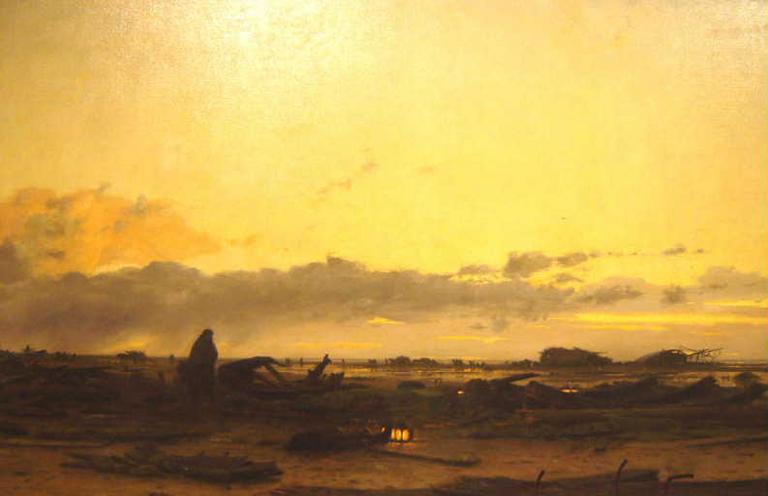
Les débris du trois mâts Majestas
 Weiterlesen
Handgefertigte Ölreproduktion
Handgemaltes Ölgemälde auf Leinwand in Ihrer Wunschgröße und mit Rahmen, auf Bestellung von unseren Künstlern angefertigt. ( Druck bestellen Bild kaufen)




































Wählen Sie aus unseren vordefinierten Formaten, die den ursprünglichen Proportionen des Kunstwerks entsprechen.

Sie können Ihre eigenen Maße eingeben, um einen bestimmten Rahmen oder Platz auszufüllen. Wenn die gewählte Größe nicht den Proportionen des Originalbildes entspricht, werden wir das Kunstwerk entweder beschneiden oder das Gemälde durch zusätzliche, handgemalte Elemente erweitern. Ein digitales Mockup wird Ihnen zur Genehmigung zugesandt, bevor die Produktion beginnt.
Bitte beachten Sie, dass die Bildschirmvorschau nicht die tatsächliche Beschneidung oder Erweiterung widerspiegelt. Nur das Mockup zeigt die endgültige Komposition exakt an.
Obwohl Sondermaße verfügbar sind, empfehlen wir, eine Größe aus der vordefinierten Liste zu wählen, um die ursprünglichen Proportionen beizubehalten.
Nach der Bestellung wird das ArtsDot.com-Team dem Kunden Anweisungen per E-Mail zusenden und eine Mockup-Vorschau bereitstellen.
Weltweiter Versand () in nur 3 bis 4 Wochen statt der üblichen 5 Wochen. (22 August). Keine Kompromisse bei der Qualität.

Kostenloser weltweiter Expressversand

Hochwertige Leinenleinwand

Umfassender Versicherungsschutz beim Versand

Zollgebühren-Rückerstattungsgarantie

Garantie für exakte Farbtreue

60 Tage Rückgaberecht (nur bei Mängeln)

100% Geld-zurück-Garantie

Mengenrabatt verfügbar
 Die Glasoption ist nur für Größen unter 110 cm verfügbar.

Les débris du trois mâts Majestas
Art der Reproduktion
Format der Reproduktion
-


Gesamtpreis
$ 263
Ähnliche Kunstwerke



Über den Künstler
Francis Tattegrain (1852 - 1915): The Painter of Wissant’s Coastal Soul
Francis Tattegrain (October 11, 1852, Péronne – January 1, 1915, Arras) was a French Naturalist painter who achieved renown for his depictions of the rugged beauty and daily life along the northern coast of France, particularly in Wissant and Authie Bay. His artistic legacy resides not merely in capturing picturesque landscapes but also in embodying the spirit of the École de Berck movement—a collective of artists dedicated to portraying the natural world with uncompromising realism and Impressionistic sensitivity.Early Life & Artistic Formation
Born into a family steeped in legal tradition, Tattegrain’s upbringing instilled in him an appreciation for precision and observation – qualities that would prove invaluable to his artistic pursuits. Encouraged by his elder brother Georges Tattegrain, who was himself a sculptor, he embarked on a formal artistic education at the Académie Julian in Paris in 1877, studying under Jules Lefebvre and Gustave Boulanger. These formative influences shaped his stylistic approach, grounding him in traditional academic principles while simultaneously exposing him to the burgeoning innovations of Impressionism.The École de Berck & Maritime Vision
Tattegrain’s artistic breakthrough occurred during his time at Wissant Bay, where he established a studio amidst fellow painters—Henri and Marie Duhem—forming the influential École de Berck. This group prioritized direct observation of nature, employing loose brushstrokes and vibrant color palettes to convey atmospheric conditions and capturing fleeting moments of coastal life with remarkable immediacy. His paintings exemplify this ethos, portraying fishermen hauling nets, sailboats gliding across the waves, and the dramatic interplay between light and shadow on the shoreline—scenes that resonate with a profound connection to the environment.Notable Works & Artistic Style
Among Tattegrain’s celebrated canvases are “Place du parvis Notre Dame à Senlis,” which showcases his masterful technique in capturing twilight urbanity with subtle tonal gradations, and “Groslu, Berckois,” an evocative portrait of an elderly man imbued with dignity and melancholy. His style is characterized by meticulous detail combined with Impressionistic brushwork—a harmonious blend that distinguishes him from more rigid academic painters. Tattegrain’s artistic vision prioritized conveying emotion and capturing the essence of his subjects rather than adhering to stylistic conventions.Legacy & Recognition
Francis Tattegrain received numerous commissions from public institutions, including works for the Exposition Universelle (1900), reflecting his standing within the Parisian art world. He was knighted in the Légion d’honneur in 1889—a testament to his contribution to French culture—and his paintings continue to be exhibited and studied today. The Musée d'Opale-Sud – Berck-sur-Mer organized an exhibition dedicated to Tattegrain’s oeuvre in 2007, showcasing the breadth of his artistic output and reaffirming his enduring influence on Impressionistic painting. Marguerite Tattegrain bequeathed more than a hundred paintings and several hundred drawings to the museum—a remarkable gesture honoring her grandfather's legacy.Further Exploration
For deeper insights into Tattegrain’s life and work, consult biographical accounts by Fernand Bertaux and Gaston-Louis and Patrick Wintrebert. Explore his artistic output through publications like “Francis Tattegrain peintre de la mer” and delve into scholarly analyses of his oeuvre. His paintings can be found in museums worldwide—a testament to the enduring power of his vision.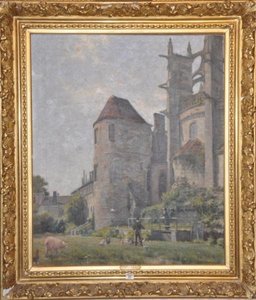
francis tattegrain
1852 - 1915
Kurzinfos
- Artistic Movement Or Style: Naturalism
- Artists Or Movements Influenced By This Artist: ['École de Berck']
- Artists Who Influenced This Artist:
- Ludovic-Napoléon Lepic
- Georges Tattegrain
- Date Of Birth: October 11, 1852
- Date Of Death: January 1, 1915
- Full Name: Francis Tattegrain
- Nationality: French
- Notable Artworks:
- Groslu, Berckois
- Place du parvis Notre Dame à Senlis
- Place Of Birth: Péronne, France

