 Versenden
 Teilen
 Details anzeigen

 Herunterladen
 Ähnliche Objekte
 Diashow
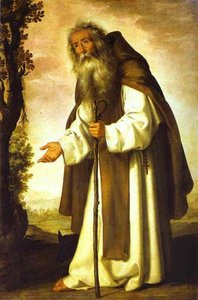
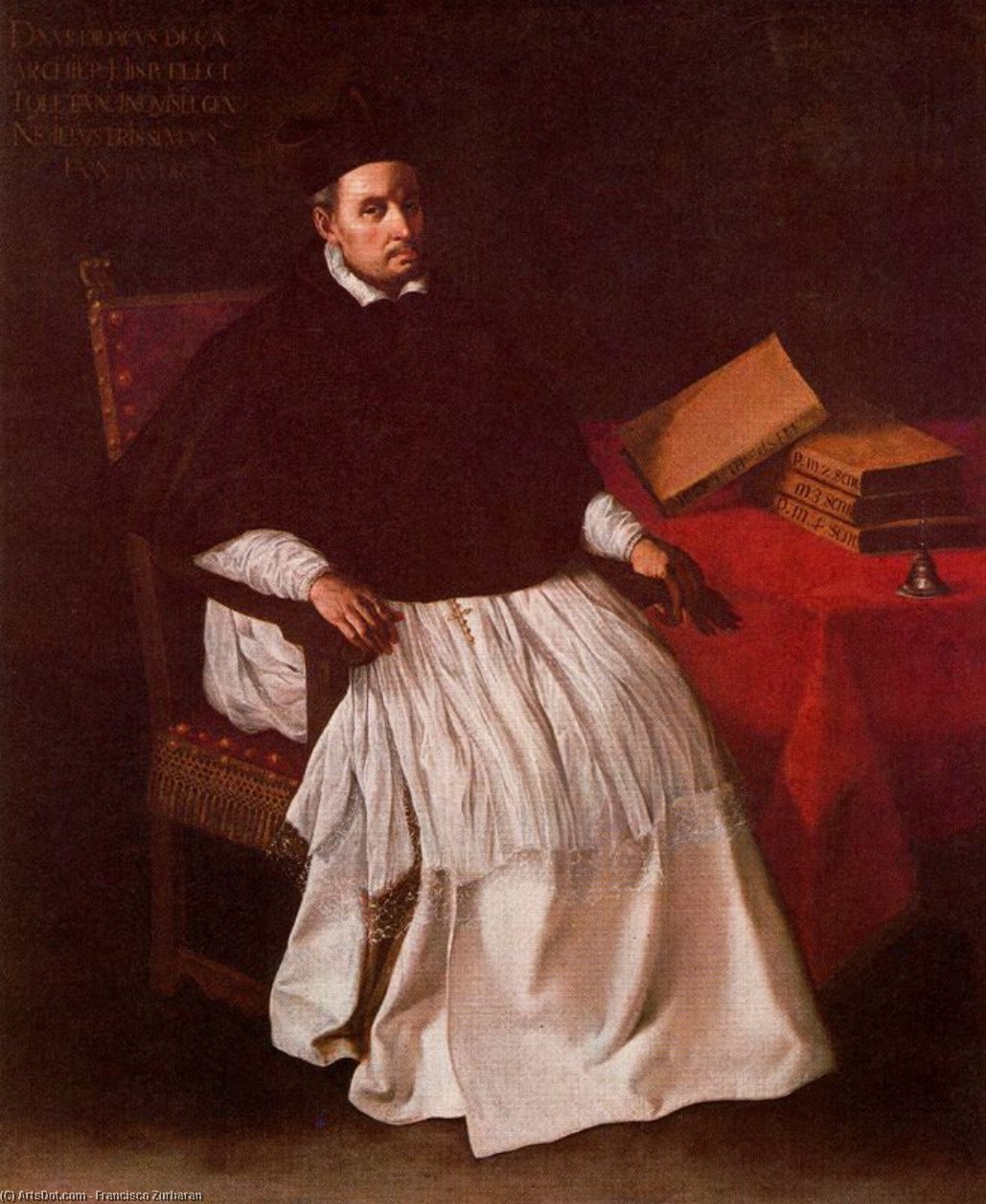
Fray Diego de Deza, arzobispo de Sevilla


 Weiterlesen
Handgefertigte Ölreproduktion
Handgemaltes Ölgemälde auf Leinwand in Ihrer Wunschgröße und mit Rahmen, auf Bestellung von unseren Künstlern angefertigt. ( Druck bestellen Bild kaufen)




































Wählen Sie aus unseren vordefinierten Formaten, die den ursprünglichen Proportionen des Kunstwerks entsprechen.

Sie können Ihre eigenen Maße eingeben, um einen bestimmten Rahmen oder Platz auszufüllen. Wenn die gewählte Größe nicht den Proportionen des Originalbildes entspricht, werden wir das Kunstwerk entweder beschneiden oder das Gemälde durch zusätzliche, handgemalte Elemente erweitern. Ein digitales Mockup wird Ihnen zur Genehmigung zugesandt, bevor die Produktion beginnt.
Bitte beachten Sie, dass die Bildschirmvorschau nicht die tatsächliche Beschneidung oder Erweiterung widerspiegelt. Nur das Mockup zeigt die endgültige Komposition exakt an.
Obwohl Sondermaße verfügbar sind, empfehlen wir, eine Größe aus der vordefinierten Liste zu wählen, um die ursprünglichen Proportionen beizubehalten.
Nach der Bestellung wird das ArtsDot.com-Team dem Kunden Anweisungen per E-Mail zusenden und eine Mockup-Vorschau bereitstellen.
Weltweiter Versand () in nur 3 bis 4 Wochen statt der üblichen 5 Wochen. (25 August). Keine Kompromisse bei der Qualität.

Kostenloser weltweiter Expressversand

Hochwertige Leinenleinwand

Umfassender Versicherungsschutz beim Versand

Zollgebühren-Rückerstattungsgarantie

Garantie für exakte Farbtreue

60 Tage Rückgaberecht (nur bei Mängeln)

100% Geld-zurück-Garantie

Mengenrabatt verfügbar
 Die Glasoption ist nur für Größen unter 110 cm verfügbar.

Fray Diego de Deza, arzobispo de Sevilla
Art der Reproduktion
Format der Reproduktion
-


Gesamtpreis
$ 263
Beschreibung des Kunstwerks
Francisco de Zurbarán’s Portrait of Fray Diego de Deza – A Study in Spiritual Intensity
Francisco de Zurbarán's “Fray Diego de Deza, arzobispo de Sevilla” is not merely a portrait; it’s an immersion into the austere world of 17th-century Spanish religious life. Painted around 1630, this work exemplifies Zurbarán’s signature style – a dramatic interplay of light and shadow, a profound sense of stillness, and a deeply felt spirituality that continues to resonate with viewers today. The painting depicts Fray Diego de Deza, the Archbishop of Seville, seated in contemplative repose within what appears to be his study. He is presented as a figure of unwavering faith and solemn authority, embodying the ideals of the Catholic Church during a period of significant religious fervor.
The composition itself is remarkably restrained. The archbishop sits on a simple chair, crossed-legged, suggesting both humility and inner strength. His black robe, rendered with meticulous detail, seems to absorb the light, while his white collar – a symbol of clerical authority – stands out sharply against it. Zurbarán’s masterful use of *chiaroscuro* is immediately apparent; deep shadows envelop much of the figure, emphasizing his face and hands, drawing our attention to his intense gaze and the weight of his responsibility. The light source, seemingly originating from an unseen window above, illuminates key elements – the book he holds, the folds of his robe, and the subtle texture of his skin – creating a powerful sense of three-dimensionality and realism.
The Baroque Influence and Zurbarán’s Unique Vision
Zurbarán's work is often described as “Spanish Caravaggio,” a comparison that highlights the shared emphasis on dramatic lighting and intense emotional expression. However, while both artists employed *chiaroscuro*, Zurbarán’s approach was distinctly more restrained and contemplative than Caravaggio’s flamboyant style. He eschewed theatrical gestures and elaborate compositions in favor of a profound sense of quiet dignity. This is particularly evident in the archbishop's posture – not one of grand pronouncements, but of deep reflection.
It’s important to consider Zurbarán’s artistic formation within the context of 17th-century Seville. The city was a vibrant center for religious art, influenced by both Italian Baroque painting and Spanish traditions rooted in Extremadura, where Zurbarán was born. His early training with Alonso de Najera exposed him to the burgeoning Baroque style, but he quickly developed his own unique voice – one characterized by an almost monastic severity and a profound engagement with spiritual themes. The influence of Juan Sánchez Cotán, another prominent Spanish painter known for his stark landscapes and religious subjects, is also discernible in Zurbarán’s use of simplified forms and restrained color palettes.
Symbolism and the Portrait's Layers of Meaning
Beyond its technical brilliance, “Fray Diego de Deza” is rich in symbolic detail. The book held by the archbishop represents his role as a scholar and spiritual guide – a keeper of knowledge and tradition. The scattered books around him further reinforce this theme, suggesting a life dedicated to study and contemplation. The simple chair itself speaks to humility and detachment from worldly possessions.
Furthermore, the painting reflects the broader social and religious context of 17th-century Spain. The archbishop’s position as a leading figure in the Church underscored the immense power and influence of the Catholic hierarchy during this period. The portrait serves not only as an image of Fray Diego de Deza but also as a visual representation of the ideals and values that were considered essential for religious leadership – piety, wisdom, and unwavering devotion.
Recreating the Power of Zurbarán’s Vision: A ArtsDot Reproduction
ArtsDot is proud to offer meticulously crafted hand-painted reproductions of Francisco de Zurbarán's “Fray Diego de Deza, arzobispo de Sevilla.” Our artists replicate the artist’s masterful use of *chiaroscuro*, capturing the painting’s dramatic lighting and profound sense of stillness with exceptional accuracy. We utilize archival-quality materials to ensure that our reproductions faithfully reproduce the original’s rich colors and textures, allowing you to experience the full emotional impact of this iconic work of art.
Whether for a private collection or an interior design project, a ArtsDot reproduction offers a beautiful and authentic way to bring Zurbarán's spiritual intensity into your space. Explore our selection today and discover the timeless beauty of this remarkable portrait.
Ähnliche Kunstwerke
Über den Künstler
frühes Leben und Ausbildung
Francisco de Zurbarán, ein bedeutender spanischer Maler, wurde 1598 in Extremadura, Spanien, geboren. Seine künstlerische Reise begann unter der Anleitung von Alejandro de la Mina, doch es war seine Zeit mit Alonso de Najera, der seinen barocken Stil wirklich prägte.Künstlerische Karriere und bedeutende Werke
Zurbaráns Werk ist durch die dramatische Verwendung von Licht und Schatten gekennzeichnet, eine Technik, die als Tenebrismus bekannt ist. Dies kann in das Sudarium der Heiligen Veronika gesehen werden, einem Gemälde, das seine Meisterschaft über das Medium demonstriert. *- Unbefleckte Empfängnis (ca. 1635), ein herausragendes Beispiel für Zurbaráns frühe Arbeit, befindet sich im Museo de Bellas Artes, Bilbao.
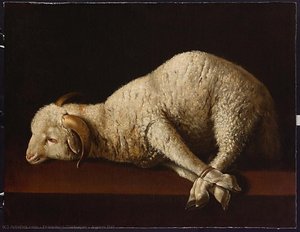
- Agnus Dei (ca. 1640), ein kraftvolles Symbol religiöser Hingabe, ist Teil der Sammlung des Metropolitan Museum of Art.
- Das apokryphe Motiv der Erscheinung der Jungfrau vor Johannes dem Baptist, ein weiteres bemerkenswertes Werk, demonstriert seine Fähigkeit, Licht und Dunkelheit auszubalancieren.
Vermächtnis und Einfluss
Zurbaráns Einfluss auf den spanischen Barock ist unbestreitbar. Seine Verwendung von Chiaroscuro hat Generationen von Künstlern inspiriert. Der Kreis um Francisco de Zurbarán, eine Gruppe von Künstlern, die von seinem Werk beeinflusst wurden, setzte die Grenzen des Tenebrismus weiter aus. * Schlüsselpunkte: * Aktiv in Sevilla, Spanien, ab 1614. * Bekannt für dramatische Beleuchtung und intensive emotionale Tiefe. * Hat zahlreiche spanische Barockmaler beeinflusst.Fazit
Francisco Zurbaráns Vermächtnis ist ein Beweis für die dauernde Kraft der Barockkunst. Seine innovative Verwendung von Licht und Schatten hat einen unauslöschlichen Eindruck auf die Kunstwelt hinterlassen und unzählige Künstler inspiriert und seinen Platz in der Geschichte gesichert. * Weitere Lektüre: * [https://ArtsDot.com/@/francisco-zurbaran](https://ArtsDot.com/@/francisco-zurbaran) - Entdecken Sie mehr von Zurbaráns Werken auf ArtsDot. * [https://wikipedia.org/wiki/francisco_de_zurbarán](https://wikipedia.org/wiki/francisco_de_zurbarán) - Tauchen Sie ein in das Leben und die Einflüsse des Künstlers.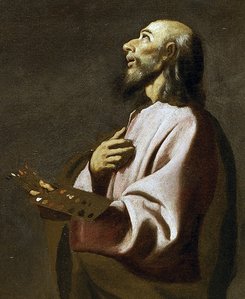
Francisco de Zurbarán
1598 - 1664 , Spanien
Kurzinfos
- Artistic Movement Or Style: Barock
- Artists Or Movements Influenced By This Artist: Der Kreis um Zurbarán
- Artists Who Influenced This Artist:
- Alejandro de la Mina
- Alonso de Najera
- Juan Sánchez Cotán
- Date Of Birth: 1598
- Date Of Death: 1664
- Full Name: Francisco de Zurbarán
- Nationality: Spanisch
- Notable Artworks:
- Unbefleckte Empfängnis
- Agnus Dei
- Sudarium der Heiligen Veronika
- Place Of Birth: Fuente de Cantos, Spanien
Ähnliche Artikel

Goya: Die 25 Meisterwerke des spanischen Genies – Kunst für Ihr Zuhause | ArtsDot
Entdecken Sie die 25 Meisterwerke von Francisco Goya! Tauchen Sie ein in die düstere Romantik spanischer Malerei, Porträts & Historienbilder. Hochwertige Kunstdrucke auf ArtsDot.com – für Kunstliebhaber und stilvolles Wohnen.
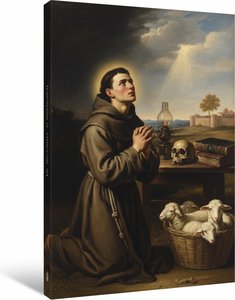
Francisco de Zurbarán: Mystik, Realismus und das goldene Zeitalter der spanischen Malerei
Entdecken Sie das faszinierende Werk von Francisco de Zurbarán! Erfahren Sie mehr über den Meister des spanischen Barock, seine religiösen Gemälde und den Einfluss Caravaggios. Kunstgeschichte pur – jetzt lesen!

Über uns
Entdecken Sie unsere Geschichte! Wir bringen Weltklasse-Kunst in Ihr Leben durch fachkundige Auswahl, individuelle Kreationen und kostenlose Vorschauen. Seit dem Jahr 2000 von Privatpersonen und Unternehmen geschätzt.
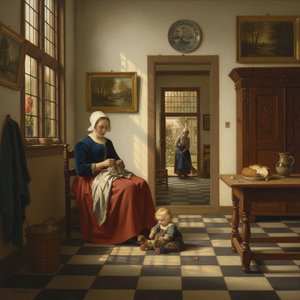
Pieter de Hooch: Meister der Stille und des holländischen Lebens im Goldenen Zeitalter
Entdecken Sie das Werk von Pieter de Hooch, Meister des holländischen Goldenen Zeitalters! Analysen, Hintergrundinformationen und hochwertige Reproduktionen seiner berühmten Genremalerei finden Sie bei ArtsDot.
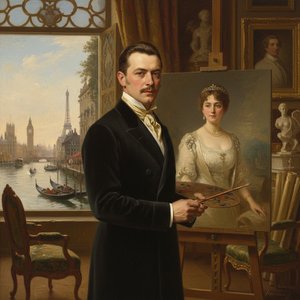
Philip de László: A Portrait of Aristocratic Society & the Cosmopolitan Painter's Evolution
Explore the life & art of Philip de László, master portraitist of European aristocracy. Discover his stunning paintings, royal commissions, and enduring legacy. A guide for discerning collectors.