 Vorschau anzeigen
 Versenden
 Teilen
 Details anzeigen

 Herunterladen
 Ähnliche Objekte
 Röntgenaufnahme
 Diashow
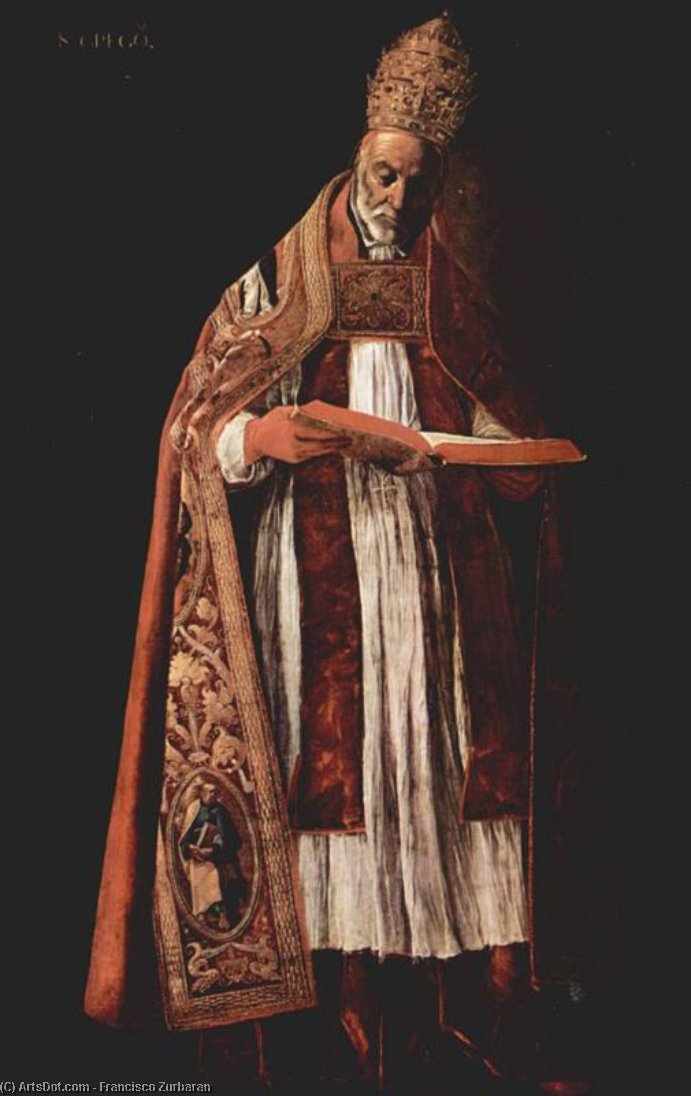
San Gregorio

 Weiterlesen
Giclée / Kunstdruck
Giclée- oder Leinwanddruck in Museumsqualität mit schneller Produktion und flexiblen Veredelungsoptionen. ( Handgemalte Reproduktion bestellen Bild kaufen)




P118B $10

P118H $10

P118W $10

P438Z $10

P508JH $12

P508YH $12

P805H $10

P805Z $10

P919BZ $10

P919G $10

P919XJ $10

P959ZH $10

P968JZ $12

W106C $8

W218G $10

W218JH $8

W218Y $10

W307PJ $10

W316G $10

W316PJ $8

W316Y $10

W398PJ $8

W4111J $10

W500HY $15

W500JH $15

W692G $12

W849H $8

W940BG $15

W953PJ $8




Wählen Sie aus unseren vordefinierten Formaten, die den ursprünglichen Proportionen des Kunstwerks entsprechen.

Sie können Ihre eigenen Maße eingeben, um ein bestimmtes Format oder einen speziellen Platz einzupassen. Wenn das von Ihnen gewählte Format nicht den Proportionen des Originalbildes entspricht, werden wir das Kunstwerk entweder beschneiden oder das Bild mit einem gespiegelten oder einfarbigen Rand erweitern. Ein digitaler Entwurf wird Ihnen zur Genehmigung zugesandt, bevor die Produktion beginnt.
Bitte beachten Sie, dass die Vorschau auf dem Bildschirm nicht den tatsächlichen Zuschnitt oder die Erweiterung widerspiegelt. Nur der Entwurf zeigt die endgültige Komposition präzise an.
Obwohl Sondermaße verfügbar sind, empfehlen wir die Auswahl eines Maßes aus der vordefinierten Liste, um die ursprünglichen Proportionen zu bewahren.
Weltweiter Versand () innerhalb von 2 Wochen statt der üblichen 4/5 Wochen. (29 August)

Kostenloser weltweiter Expressversand

Hochwertige Leinenleinwand

Umfassender Versicherungsschutz beim Versand

Zollgebühren-Rückerstattungsgarantie

Garantie für exakte Farbtreue

60 Tage Rückgaberecht (nur bei Mängeln)

100% Geld-zurück-Garantie

Mengenrabatt verfügbar
 Die Glasoption ist nur für Größen unter 110 cm verfügbar.

San Gregorio
Giclée / Kunstdruck
Format der Reproduktion
-


Gesamtpreis
$ 62
Francisco de Zurbarán’s “San Gregorio”: A Study in Spiritual Intensity
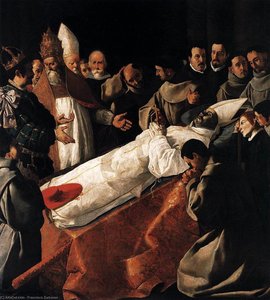
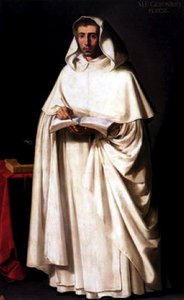
Francisco de Zurbarán's "San Gregorio," a captivating oil on canvas painting, offers a profound glimpse into the heart of 17th-century Spanish religious art. Attributed to the master painter around 1627, this work transcends mere representation; it’s an immersive experience of solemnity, devotion, and the palpable presence of faith. The subject, identified as Saint Gregory (a prominent figure in Christian theology), is rendered with a startling realism that belies the painting's spiritual purpose – a testament to Zurbarán’s extraordinary ability to imbue his subjects with both physical detail and profound emotional weight.
The composition itself is strikingly simple yet powerfully effective. The saint stands before a plain, unadorned wall, drawing our attention entirely to him and the book he holds open in his hands. His posture is one of quiet contemplation, his gaze directed inward – suggesting an intense dialogue with the divine. Zurbarán’s masterful use of *tenebrism*, a technique popularized by Caravaggio, dramatically contrasts areas of deep shadow with pools of radiant light. This chiaroscuro effect isn't merely stylistic; it serves to heighten the sense of drama and spiritual intensity, emphasizing Gregory’s face and hands as points of focus while enveloping the background in an atmosphere of mystery and reverence.
The Baroque Master & Extremaduran Roots
Born in Fuente de Cantos, Extremadura, in 1598, Francisco de Zurbarán's artistic vision was deeply rooted in the austere landscapes and fervent religious traditions of his native region. This early exposure to a culture steeped in piety profoundly shaped his style – characterized by its stark simplicity, profound solemnity, and unwavering focus on spiritual themes. His apprenticeship with Alejandro de la Mina and later Alonso de Najera provided him with foundational training in the burgeoning Baroque style, but Zurbarán quickly distinguished himself through his unique approach, prioritizing realism and emotional depth over elaborate ornamentation.
The influence of Extremadura is evident throughout his oeuvre. The muted color palette – dominated by browns, grays, and ochres – reflects the region’s earthy tones and creates a sense of quiet contemplation. Furthermore, Zurbarán's meticulous attention to detail, particularly in rendering fabrics like the saint’s cape and robes, demonstrates a remarkable understanding of texture and light—skills honed through years of observing nature and meticulously studying his subjects.
Symbolism & The Weight of Faith
Beyond its technical brilliance, “San Gregorio” is rich in symbolic meaning. The book held by the saint represents scripture – the very foundation of Christian faith. The gesture of holding it open suggests a deep engagement with divine wisdom and a commitment to spiritual understanding. The plainness of the background serves as a deliberate contrast to the richness of the subject, emphasizing Gregory’s inner world and his connection to something far greater than himself. The cape, draped over his shoulders, is not merely an article of clothing but a symbol of humility and service – qualities highly valued within the Catholic faith.
Considering Zurbarán's context within the Counter-Reformation, it’s crucial to understand that religious art during this period served as a powerful tool for reinforcing Catholic doctrine and inspiring piety. His paintings weren’t intended to be mere decorative objects; they were meant to evoke a sense of awe and reverence, prompting viewers to contemplate their faith and deepen their connection with God. “San Gregorio” exemplifies this purpose perfectly – a testament to Zurbarán's skill as both an artist and a devout follower of the Christian tradition.
A Legacy of Dramatic Realism
Francisco de Zurbarán’s legacy extends far beyond his individual works; he is considered one of the most important figures in Spanish Baroque painting, often dubbed “the Spanish Caravaggio” for his dramatic use of light and shadow. His influence can be seen in the work of subsequent generations of artists, and his paintings continue to resonate with viewers today due to their profound emotional impact and technical mastery. A reproduction of "San Gregorio" offers a remarkable opportunity to experience this artistic genius firsthand – a chance to connect with a pivotal moment in art history and contemplate the enduring power of faith and devotion.
Ähnliche Kunstwerke
Über den Künstler
frühes Leben und Ausbildung
Francisco de Zurbarán, ein bedeutender spanischer Maler, wurde 1598 in Extremadura, Spanien, geboren. Seine künstlerische Reise begann unter der Anleitung von Alejandro de la Mina, doch es war seine Zeit mit Alonso de Najera, der seinen barocken Stil wirklich prägte.Künstlerische Karriere und bedeutende Werke
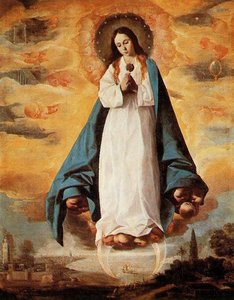
Zurbaráns Werk ist durch die dramatische Verwendung von Licht und Schatten gekennzeichnet, eine Technik, die als Tenebrismus bekannt ist. Dies kann in das Sudarium der Heiligen Veronika gesehen werden, einem Gemälde, das seine Meisterschaft über das Medium demonstriert. *- Unbefleckte Empfängnis (ca. 1635), ein herausragendes Beispiel für Zurbaráns frühe Arbeit, befindet sich im Museo de Bellas Artes, Bilbao.
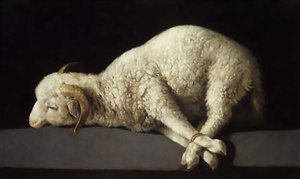
- Agnus Dei (ca. 1640), ein kraftvolles Symbol religiöser Hingabe, ist Teil der Sammlung des Metropolitan Museum of Art.
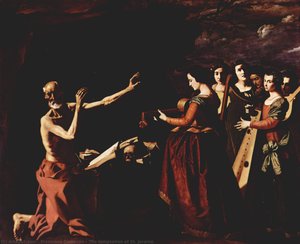
- Das apokryphe Motiv der Erscheinung der Jungfrau vor Johannes dem Baptist, ein weiteres bemerkenswertes Werk, demonstriert seine Fähigkeit, Licht und Dunkelheit auszubalancieren.
Vermächtnis und Einfluss
Zurbaráns Einfluss auf den spanischen Barock ist unbestreitbar. Seine Verwendung von Chiaroscuro hat Generationen von Künstlern inspiriert. Der Kreis um Francisco de Zurbarán, eine Gruppe von Künstlern, die von seinem Werk beeinflusst wurden, setzte die Grenzen des Tenebrismus weiter aus. * Schlüsselpunkte: * Aktiv in Sevilla, Spanien, ab 1614. * Bekannt für dramatische Beleuchtung und intensive emotionale Tiefe. * Hat zahlreiche spanische Barockmaler beeinflusst.Fazit
Francisco Zurbaráns Vermächtnis ist ein Beweis für die dauernde Kraft der Barockkunst. Seine innovative Verwendung von Licht und Schatten hat einen unauslöschlichen Eindruck auf die Kunstwelt hinterlassen und unzählige Künstler inspiriert und seinen Platz in der Geschichte gesichert. * Weitere Lektüre: * [https://ArtsDot.com/@/francisco-zurbaran](https://ArtsDot.com/@/francisco-zurbaran) - Entdecken Sie mehr von Zurbaráns Werken auf ArtsDot. * [https://wikipedia.org/wiki/francisco_de_zurbarán](https://wikipedia.org/wiki/francisco_de_zurbarán) - Tauchen Sie ein in das Leben und die Einflüsse des Künstlers.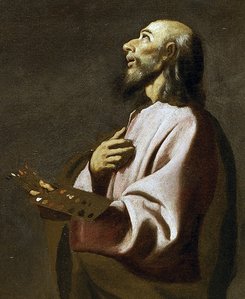
Francisco de Zurbarán
1598 - 1664 , Spanien
Kurzinfos
- Artistic Movement Or Style: Barock
- Artists Or Movements Influenced By This Artist: Der Kreis um Zurbarán
- Artists Who Influenced This Artist:
- Alejandro de la Mina
- Alonso de Najera
- Juan Sánchez Cotán
- Date Of Birth: 1598
- Date Of Death: 1664
- Full Name: Francisco de Zurbarán
- Nationality: Spanisch
- Notable Artworks:
- Unbefleckte Empfängnis
- Agnus Dei
- Sudarium der Heiligen Veronika
- Place Of Birth: Fuente de Cantos, Spanien
Ähnliche Artikel

The Golden Age Reforged: Dramatic Realism & Religious Zeal in Spanish Baroque Art
Explore the dramatic world of Spanish Baroque art! Discover masters like Zurbarán & the powerful influence of religious zeal on painting techniques – a guide for collectors and enthusiasts.
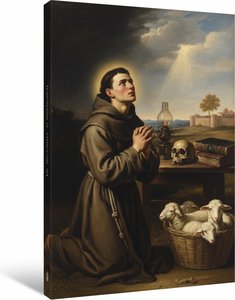
Francisco de Zurbarán: Mystik, Realismus und das goldene Zeitalter der spanischen Malerei
Entdecken Sie das faszinierende Werk von Francisco de Zurbarán! Erfahren Sie mehr über den Meister des spanischen Barock, seine religiösen Gemälde und den Einfluss Caravaggios. Kunstgeschichte pur – jetzt lesen!

The Dramatic Flourish: Exploring the Baroque Movement's Enduring Legacy in Art History
Explore the dramatic world of Baroque art! Discover iconic artists like Caravaggio & Rubens, defining techniques, and its lasting impact on art history. Expert insights for collectors & enthusiasts at ArtsDot.
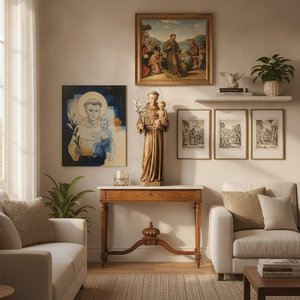
Discover the Divine: Inspiring Saint Anthony Artworks to Elevate Your Home Decor
Transform your home with the profound beauty of Saint Anthony artworks. Explore exquisite Baroque reproductions by Murillo and Zurbarán, hand-painted on 100% cotton canvas to bring divine serenity and timeless elegance to your interior design.
The Dramatic Flourish: Exploring Themes of Power, Faith & Emotion in Baroque Artworks
Explore the dramatic world of Baroque art! Discover masters like Zurbarán & the powerful influence of religious zeal on painting techniques. Expert insights for collectors and enthusiasts.