

 Vorschau anzeigen
 Versenden
 Teilen
 Details anzeigen

 Herunterladen
 Ähnliche Objekte
 Röntgenaufnahme
 Diashow
 Stats
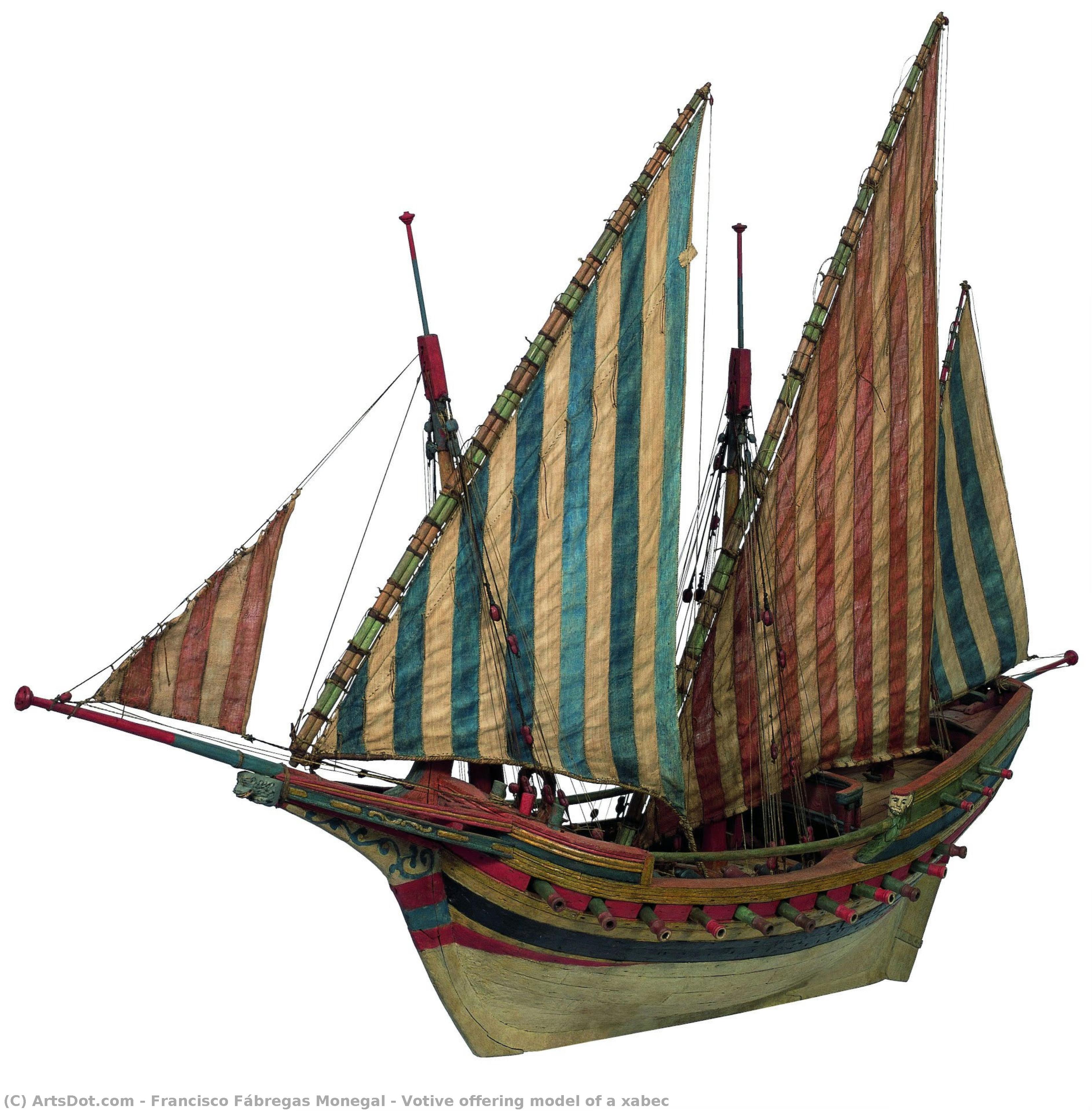
StatsVotive offering model of a xabec
 Acrylic On Canvas
- WallArt
 19th Century
 5.0 x 192.0 cm
 Maritimes Museum von Barcelona
 Weiterlesen
Giclée / Kunstdruck
Giclée- oder Leinwanddruck in Museumsqualität mit schneller Produktion und flexiblen Veredelungsoptionen. ( Handgemalte Reproduktion bestellen Switch to Digital Image)




P118B $10

P118H $10

P118W $10

P438Z $10

P508JH $12

P508YH $12

P805H $10

P805Z $10

P919BZ $10

P919G $10

P919XJ $10

P959ZH $10

P968JZ $12

W106C $8

W218G $10

W218JH $8

W218Y $10

W307PJ $10

W316G $10

W316PJ $8

W316Y $10

W398PJ $8

W4111J $10

W500HY $15

W500JH $15

W692G $12

W849H $8

W940BG $15

W953PJ $8




Wählen Sie aus unseren vordefinierten Formaten, die den ursprünglichen Proportionen des Kunstwerks entsprechen.

Sie können Ihre eigenen Maße eingeben, um ein bestimmtes Format oder einen speziellen Platz einzupassen. Wenn das von Ihnen gewählte Format nicht den Proportionen des Originalbildes entspricht, werden wir das Kunstwerk entweder beschneiden oder das Bild mit einem gespiegelten oder einfarbigen Rand erweitern. Ein digitaler Entwurf wird Ihnen zur Genehmigung zugesandt, bevor die Produktion beginnt.
Bitte beachten Sie, dass die Vorschau auf dem Bildschirm nicht den tatsächlichen Zuschnitt oder die Erweiterung widerspiegelt. Nur der Entwurf zeigt die endgültige Komposition präzise an.
Obwohl Sondermaße verfügbar sind, empfehlen wir die Auswahl eines Maßes aus der vordefinierten Liste, um die ursprünglichen Proportionen zu bewahren.
Weltweiter Versand () innerhalb von 2 Wochen statt der üblichen 4/5 Wochen. (8 September)

Kostenloser weltweiter Expressversand

Hochwertige Leinenleinwand

Umfassender Versicherungsschutz beim Versand

Zollgebühren-Rückerstattungsgarantie

Garantie für exakte Farbtreue

100-Tage-Rückgaberecht (nur bei Mängeln)

100% Geld-zurück-Garantie

Mengenrabatt verfügbar
 Die Glasoption ist nur für Größen unter 110 cm verfügbar.

Votive offering model of a xabec
Giclée / Kunstdruck
Format der Reproduktion
-


Gesamtpreis
$ 62
A Testament to Maritime Faith: Votive Offering Model of a Xabec
- Provenance and Significance: This meticulously crafted votive offering model, originating from the hermitage of Santa Cristina at Lloret de Mar, offers an extraordinary glimpse into the maritime world of the late XVIII century. More than just a representation of a vessel, it’s a tangible expression of faith, hope, and gratitude – a poignant reminder of sailors' reliance on divine intervention during perilous voyages across the Mediterranean. The model’s survival is remarkable; it represents one of the last known examples of the xebec, a distinctive Mediterranean sailing vessel that has vanished from our ports, leaving behind only this evocative artifact as a testament to its existence.
- The Xabec: A Vessel of Power and Grace: The xebec itself was a formidable ship, expertly designed for the challenging conditions of the Mediterranean Sea. Characterized by its three masts – a foremast angled towards the prow, a main mast, and a mizzen mast – and lateen rig, it possessed both speed and maneuverability. Armed with twenty-eight cannons, this vessel was a force to be reckoned with, yet its beauty is equally evident in the carefully rendered sails: blue-and-white striped on the foremast and mizzen, and red-and-white striped on the main mast and jib. The inclusion of a human head carved onto the helm adds an unsettling, almost ritualistic element, hinting at the superstitious beliefs prevalent amongst sailors.
- The Hand of Francisco Fabregas: Attributed to Francisco Fabregas Monegal, a contemporary artist born in Barcelona in 1977, this model embodies the meticulous detail and artistic skill characteristic of the period. The inscription “Ex-voto, I was made by Francisco Fabregas 1785” confirms its status as a votive offering – a deliberate act of devotion intended to secure safe passage and favorable winds. Fabregas’s hand is not merely replicating a ship; he's channeling the hopes and anxieties of a seafaring community.
Artistic Technique and Materials
- Painting Medium: The model was executed in paint, likely oil on wood or a similar durable substrate. The artist’s skillful use of color – the vibrant blues, reds, and whites – creates a dynamic visual effect, capturing the movement of the sails and the light reflecting off the water. The level of detail suggests considerable time and dedication to the project.
- Construction Details: The model’s construction reveals a sophisticated understanding of naval architecture. The accurate depiction of the rigging, the hull shape, and the placement of the cannons demonstrate meticulous observation and technical proficiency. The inclusion of figures within the scene further enhances the sense of scale and realism.
Symbolism and Historical Context
- Votive Offerings as Ritual: Votive offerings were not simply decorative objects; they were integral to maritime religious practices. Sailors would commission these models – often after a successful voyage or a miraculous event – as tokens of gratitude to the sea gods, seeking protection and favorable conditions for future journeys. The act of creating and presenting such an offering was a deeply personal and communal experience.
- The Decline of the Xebec: The xebec’s eventual disappearance reflects broader changes in maritime trade and naval power during the late XVIII and early XIX centuries. Technological advancements, shifting geopolitical landscapes, and evolving commercial interests contributed to the decline of this once-dominant vessel type.
Dimensions and Acquisition
- Size: Measuring 5 x 192 cm, this model offers a substantial presence, allowing for detailed examination and integration into various interior design schemes. Its size is perfectly suited for display in both private collections and commercial spaces.
- Authenticity and Reproduction: ArtsDot.com presents a meticulously hand-painted reproduction of this historically significant artifact, ensuring the highest standards of quality and authenticity. Each reproduction captures the essence of the original model, offering collectors and enthusiasts a unique opportunity to own a piece of maritime history.
Ähnliche Kunstwerke
Über den Künstler
Ein Vermächtnis maritimer Hingabe
Der Name Francisco Fábregas Monegal beschwört eine einzigartige Schnittstelle zwischen athletischer Meisterschaft und kulturellem Erbe herauf. Während er in den Annalen der Sportgeschichte weithin als spanische Feldhockey-Legende und olympischer Silbermedaillengewinner bekannt ist, bietet seine Verbindung zur Kunstwelt einen tiefgründigen Einblick in die maritime Seele Kataloniens. Seine Präsenz in der Kunstgeschichte ist untrennbar mit evokativen Artefakten verbunden, welche das Wesen mediterraner Seefahrtstraditionen einfangen und die Lücke zwischen physischer Ausdauer und der feinen Handwerkskunst historischer Frömmigkeit schließen.
Die mit seinem Namen assoziierte Kunst konzentriert sich oft auf Stücke, die als Fenster in eine vergangene Ära des maritimen Glaubens dienen. Ein solch bemerkenswertes Werk, das Votivmodell einer Xebec, steht als Zeugnis der spirituellen Landschaft des späten achtzehnten Jahrhunderts. Dieses akribisch gefertigte Stück, das aus der Einsiedelei Santa Cristina bei Lloret de Mar stammt, ist weit mehr als nur ein winziges Gefäß; es ist ein greifbarer Ausdruck von Hoffnung und Dankbarkeit. Solche Votivgaben waren wesentliche Bestandteile des maritimen Lebens und repräsentierten die Gebete jener Seeleute, die während der gefährlichen Fahrten über die Wellen des Mittelmeers göttliches Eingreifen suchten.
Der Geist der Xebec und das katalanische Erbe
Um die Bedeutung der mit Fábregas Monegal verbundenen Werke zu verstehen, muss man den Blick auf die verschwundene Welt der Xebec richten. Dieses charakteristische mediterrane Segelschiff, geprägt von Kraft und Anmut, ist aus den modernen Häfen weitgehend verschwunden und hinterlässt nur noch evokative Überreste wie dieses Modell. Die Kunstfertigkeit, die in der Rekonstruktion oder Bewahrung eines solchen Erbes steckt, erlaubt es uns, die technische Raffinesse der navalen Traditionen im prachtvollen gotischen Ambiente des Maritimen Museums von Barcelona zu bezeugen.
Die historische Bedeutung dieser Werke liegt in ihrer Fähigkeit, als Brücke zwischen Vergangenheit und Gegenwart zu fungieren:
- Kulturelle Bewahrung: Die Modelle dienen als lebenswichtige Bindeglieder zur katalanischen Seefahrtsidentität und bewahren die Erinnerung an Schiffe, die einst den Küstenhandel dominierten.
- Spirituelle Erzählung: Durch das Medium der Votivkunst begegnen wir den tief verwurzelten religiösen Traditionen der mediterranen Seeleute, für die jede Reise eine Verhandlung mit dem Göttlichen war.
- Technische Meisterschaft: Die komplizierten Details dieser Modelle spiegeln das hohe Maß an Handwerkskunst wider, das erforderlich ist, um die Marinearchitektur durch die Kunst zu dokumentieren.
Durch diese Linse betrachtet, überschreitet das Vermächtnis von Francisco Fábregas Monegal die Grenzen der Sportarena und berührt das Herz der spanischen maritimen Geschichte sowie das beständige menschliche Verlangen, in der weiten, unvorhersehbaren See Schönheit und Schutz zu finden.
Francisco Fábregas Monegal
1977 - , Spanien
Kurzinfos
- Artistic Movement Or Style: Street Art, Porträtmalerei
- Artists Or Movements Influenced By This Artist: ['Kehinde Wiley']
- Artists Who Influenced This Artist: ['Gordon Matta-Clark']
- Date Of Birth: 1977
- Full Name: Caledonia Dance Curry, alias Swoon
- Nationality: Amerikanisch
- Notable Artworks:
- Anthropocene Extinction
- Santa’s Ghetto
- Place Of Birth: New London, CT, USA