

 Vorschau anzeigen
 Versenden
 Teilen
 Details anzeigen

 Herunterladen
 Ähnliche Objekte
 Röntgenaufnahme
 Diashow
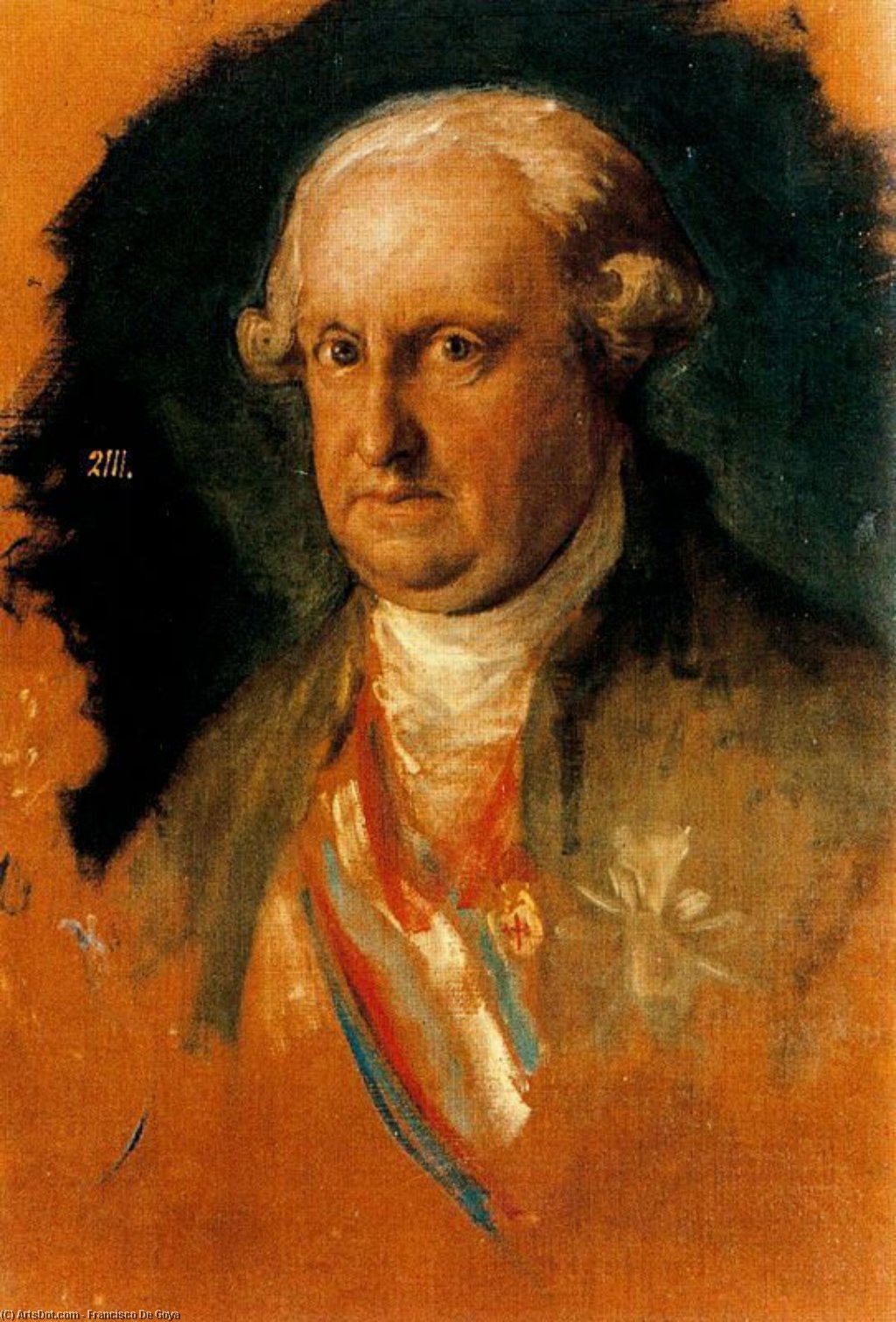
Infante Don Antonio Pascual


 Weiterlesen
Erwerben Sie ein hochauflösendes, optimiertes digitales Bild, das der Online-Vorschau weit überlegen ist.
Jede Datei wird von unseren hauseigenen Spezialisten mit modernsten Werkzeugen und fachmännischer manueller Retusche sorgfältig vorbereitet. Wir stellen sicher, dass jedes Bild eine außergewöhnliche Klarheit, präzise Farbgenauigkeit und feinste Details aufweist.
Die endgültige Datei wird innerhalb von 72 Stunden per E-Mail zugestellt und ist für den sofortigen Einsatz in professionellen, redaktionellen und Druckumgebungen optimiert. Es handelt sich um dieselbe Qualität, der führende Designstudios, Verlage und Galerien vertrauen.
Digitales Bild
Laden Sie eine hochauflösende Datei für die persönliche Präsentation, den Druck und kreative Projekte herunter. ( Druck bestellen Handgemalte Reproduktion bestellen)
In jeder Bestellung digitaler Bilder enthalten
Professionelle digitale Bereitstellung, garantiert
Wenn Sie sich für ArtsDot.com entscheiden, erhalten Sie nicht nur ein Bild – Sie erhalten ein professionell aufbereitetes digitales Kunstwerk, das mit höchster Präzision erstellt und durch eine Zufriedenheitsgarantie abgesichert wird. Hier ist alles, was automatisch mit Ihrer Bestellung geliefert wird:

Schnelle E-Mail-Zustellung
Ihre hochauflösende digitale Bilddatei wird Ihnen innerhalb von 72 Stunden nach der Bestellung per E-Mail zugestellt – bereit zur sofortigen Verwendung.

KI-optimierte digitale Datei
Ihre Kunstwerke werden professionell mithilfe fortschrittlicher KI-Tools und manueller Bearbeitung optimiert, um maximale Detailtreue, Klarheit und Farbgenauigkeit zu gewährleisten.

Lebenslanger kostenloser Neudruckservice
Datei versehentlich gelöscht oder verloren? Keine Sorge – wir senden sie Ihnen jederzeit kostenlos erneut zu.

Keine Einfuhrgebühren – jemals
Genießen Sie Ihr Kunstwerk sofort ohne Zollgebühren, Einfuhrabgaben oder Versandkosten – digitale Downloads sind immer steuerfrei.

Garantierte Farbtreue
Wir garantieren, dass Ihr digitales Bild mithilfe professioneller Werkzeuge und Farbmanagement die Originalfarben so präzise wie möglich wiedergibt.

60-Tage-Zufriedenheitsgarantie
Sollten Sie mit Ihrem digitalen Bild nicht zufrieden sein, werden wir es überarbeiten oder Ihnen innerhalb von 60 Tagen 100% erstatten – ohne Wenn und Aber.

100% Geld-zurück-Garantie
Nicht zufrieden? Erhalten Sie innerhalb von 60 Tagen nach Erhalt Ihrer digitalen Datei eine vollständige Rückerstattung – ohne Angabe von Gründen.

Rabatte bei Großbestellungen
3 Bilder kaufen, 10% sparen – 5 Bilder kaufen, 15% sparen – Ab 10 Bildern 20% sparen. Ideal für kreative Projekte, Galerien und Agenturen.
Details zum Sammlerstück
Ein Porträt der Nobilität: Francisco Goyas Infant Don Antonio Pascual
Dieses fesselnde Porträt von Francisco Goya bietet einen faszinierenden Einblick in die Welt des spanischen Adels während einer Zeit immenser politischer und sozialer Umwälzungen. Das Gemälde stellt *Infante Don Antonio Pascual*, ein Mitglied der spanischen Königsfamilie, dar – dargestellt mit Goyas typischer Mischung aus Realismus und psychologischem Verständnis.Stil & Technik: Barock-Echos und romantische Vorahnungen
Das Werk ist fest in den Traditionen der Barockschilderzeichnung verwurzelt, was sich in seiner dramatischen Beleuchtung zeigt – ein Chiaroscuro-Effekt, der das Gesicht von Don Antonio aus dem oberen linken Bereich erhellt und starke Kontraste schafft und seine Merkmale hervorhebt. Goya überwindet jedoch subtil die bloße stilistische Nachahmung. Seine Pinselstriche sind deutlich lockerer und expressiver als die seiner früheren Barockmeister, was eine Vorahnung der kommenden Romantik ist. Die sichtbaren Striche tragen zu einem Gefühl von Textur und unmittelbarkeit bei und verleihen dem Porträt eine dynamische Qualität. Goya setzt meisterhaft Ölfarben ein, verwendet Glanzlichter zur Luminosität und Scumbling, um Kanten weicher zu machen, wodurch auf der Leinwand bemerkenswerte Tiefe und Realismus erreicht werden.Sujet & Historischer Kontext: Ein Leben, das mit spanischer Geschichte verwoben ist
Infante Don Antonio Pascual (1794-1865) war der jüngste Sohn von Karl IV. und Maria Luisa von Parma – eine Figur, deren Leben dem turbulenten Verlauf der Geschichte Spaniens im späten 18. und frühen 19. Jahrhundert entsprach. Wie aus historischen Aufzeichnungen hervorgeht, wurde seine Kindheit durch die Napoleonische Invasion gestört, was zu einer Flucht mit seiner Familie führte. Später kehrte er nach Spanien zurück und navigierte während der Regierungszeiten von Ferdinand VII. und Isabella II. durch komplexe politische Landschaften. Das Porträt stammt wahrscheinlich aus einer Zeit nach seiner Rückkehr und zeigt seinen wiedererlangten Status und seine Einflüsse.Symbolismus & Ikonographie: Status, Macht und Abstammung
Jedes Element innerhalb der Komposition deutet auf Don Antonios Position und Identität hin. Seine prunkvolle Kleidung – einschließlich einer Haube, eines Spitzenkragenes, einer reich verzierten Jacke, Medaillen und einem Tuch – sind alles Symbole von Nobilität, Macht und militärischem oder politischem Erfolg. Diese Details dienten nicht nur der Dekoration; sie wurden sorgfältig ausgewählt, um seine Abstammung und Leistungen dem Betrachter zu vermitteln. Die würdevollen Haltung und der direkte Blick verstärken den Eindruck von Autorität und Selbstbewusstsein.Emotionale Wirkung & künstlerische Bedeutung
Über seinen historischen und symbolischen Wert hinaus erzeugt das Porträt eine tiefe emotionale Reaktion. Goya präsentiert nicht einfach nur ein Abbild; er fängt einen psychologischen Zustand ein. Es liegt eine subtile Melancholie in Don Antonios Gesichtsausdruck vor, die möglicherweise auf die Schwierigkeiten hinweist, die er während seiner Exilzeit erlebt hat oder auf die Komplexitäten des Hoflebens. Diese Fähigkeit, innere Emotionen auszudrücken, unterscheidet Goya und hebt dieses Porträt über bloße Repräsentation hinaus. Das Gemälde ist ein Beweis für Goyas Können als Porträtist und bietet wertvolle Einblicke in das Leben der spanischen herrschenden Elite während einer entscheidenden Epoche. Es bleibt ein fesselndes Werk für Kunstliebhaber, Sammler und alle, die sich von Innenräumen inspirieren lassen möchten, die Geschichte und künstlerisches Meisterwerk feiern.Ähnliche Kunstwerke
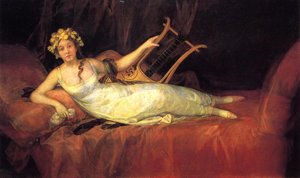
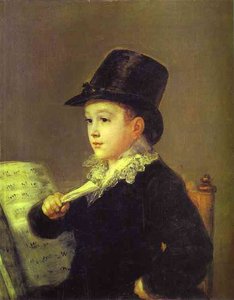
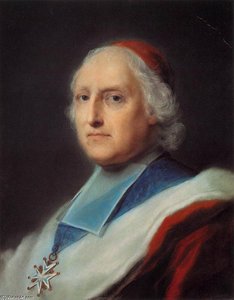
Biografie des Künstlers
Francisco José de Goya y Lucientes
Francisco José de Goya y Lucientes, a name synonymous with both the grandeur of Old Master tradition and the unsettling premonitions of modern art, remains one of history’s most compelling and enigmatic figures. Born in 1746 in Fuendetodos, Spain, his journey from aspiring provincial artist to court painter, and ultimately, to a visionary chronicler of human suffering and societal decay, is a testament to both his extraordinary talent and the turbulent times he inhabited. Goya’s early training began at age fourteen under José Luzán y Martinez, laying a foundation in traditional techniques before he moved to Madrid and refined his skills with Anton Raphael Mengs, then the dominant artistic force at the Spanish court. This initial period instilled in him a mastery of form and composition, evident in his early commissions – designs for tapestries that showcased lively scenes of everyday life, reflecting a Rococo sensibility tempered by a distinctly Spanish realism. Marriage to Josefa Bayeu, sister of another painter within the royal circle, further cemented his position within the artistic establishment. These early works, while charming and skillfully executed, offered little hint of the profound emotional depth and unsettling darkness that would come to define his later oeuvre.Early Training and Career
Goya’s ascent through the ranks of the Spanish court was steady. He became a painter to the Royal Chamber in 1786, securing a stream of portrait commissions from the aristocracy and royalty. These portraits are remarkable not merely for their technical brilliance – Goya possessed an uncanny ability to capture likeness with unflinching honesty – but also for their psychological insight. He didn’t simply paint what his sitters *looked* like; he revealed something of their character, their vulnerabilities, and even their hidden anxieties. However, beneath the veneer of courtly success, a transformation was brewing within Goya. In 1793, a severe illness left him profoundly deaf, an event that irrevocably altered his perception of the world and, consequently, his art. This affliction plunged him into a period of intense introspection and isolation, severing his connection to the social life he once enjoyed and forcing him inward, towards a darker, more subjective reality. The shift in his artistic style was dramatic. Gone were the bright colors and cheerful scenes; in their place emerged a brooding palette, loose brushwork, and compositions charged with emotional intensity. He began to explore themes of madness, violence, and the irrational, foreshadowing the anxieties that would grip Europe in the coming decades.Los Caprichos, Disasters, and Black Paintings: A Descent into Darkness
This period of artistic ferment culminated in some of Goya’s most iconic works. Los Caprichos, a series of eighty etchings published in 1799, are a scathing satire of Spanish society – its follies, superstitions, and moral corruption laid bare with unflinching wit and biting irony. The images are grotesque yet captivating, populated by witches, monsters, and caricatures of the aristocracy, all rendered with a masterful command of etching techniques. They are not heroic depictions of battle; they are unflinching portrayals of its horrors, devoid of any romanticism or glorification. Perhaps most unsettling of all were The Black Paintings, a series of fourteen murals Goya painted directly onto the walls of his house, “Quinta del Sordo” (the Deaf Man’s Villa), between 1819 and 1823. These works – including the terrifying *Saturn Devouring His Son* and the haunting *Asmodea* – are a descent into the darkest recesses of the human psyche, expressing themes of despair, madness, and existential dread with unparalleled intensity.Legacy: A Bridge Between Worlds
In 1824, disillusioned by political unrest in Spain, Goya sought exile in Bordeaux, France, where he continued to work until his death in 1828. His final years were marked by a renewed focus on printmaking, culminating in the *La Tauromaquia* series, which explored the spectacle and brutality of bullfighting. Francisco Goya’s legacy is immense and far-reaching. He stands as a pivotal figure in art history, bridging the gap between the Old Masters and the modern movement. His influence can be seen in the works of countless artists who followed – from Édouard Manet and Pablo Picasso to Francis Bacon – all drawn to his expressive brushwork, psychological depth, and willingness to confront uncomfortable truths. He challenged artistic conventions, embraced innovation, and dared to explore the darker aspects of human experience, leaving behind a body of work that continues to resonate with audiences today. Goya wasn’t merely painting pictures; he was holding up a mirror to society, forcing us to confront our own flaws and vulnerabilities, and reminding us of the enduring power – and fragility – of the human spirit.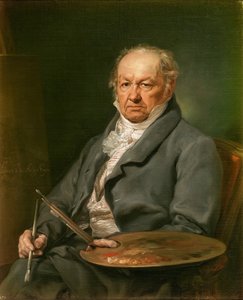
Francisco José de Goya y Lucientes
1746 - 1828 , Spanien
Kurzinfos
- Artistic Movement Or Style: Romantik
- Artists Who Influenced This Artist:
- Diego Velázquez
- Giovanni Battista Tiepolo
- Anton Raphael Mengs
- Date Of Birth: 30 März 1746
- Full Name: Francisco José de Goya y Lucientes
- Nationality: Spanisch
- Notable Artworks:
- Los Caprichos
- Die Katastrophen des Krieges
- Die Maja Desnuda
- Die schwarzen Gemälde
- Place Of Birth: Fuendetodos, Spanien

