 Vorschau anzeigen
 Versenden
 Teilen
 Details anzeigen

 Herunterladen
 Ähnliche Objekte
 Röntgenaufnahme
 Diashow
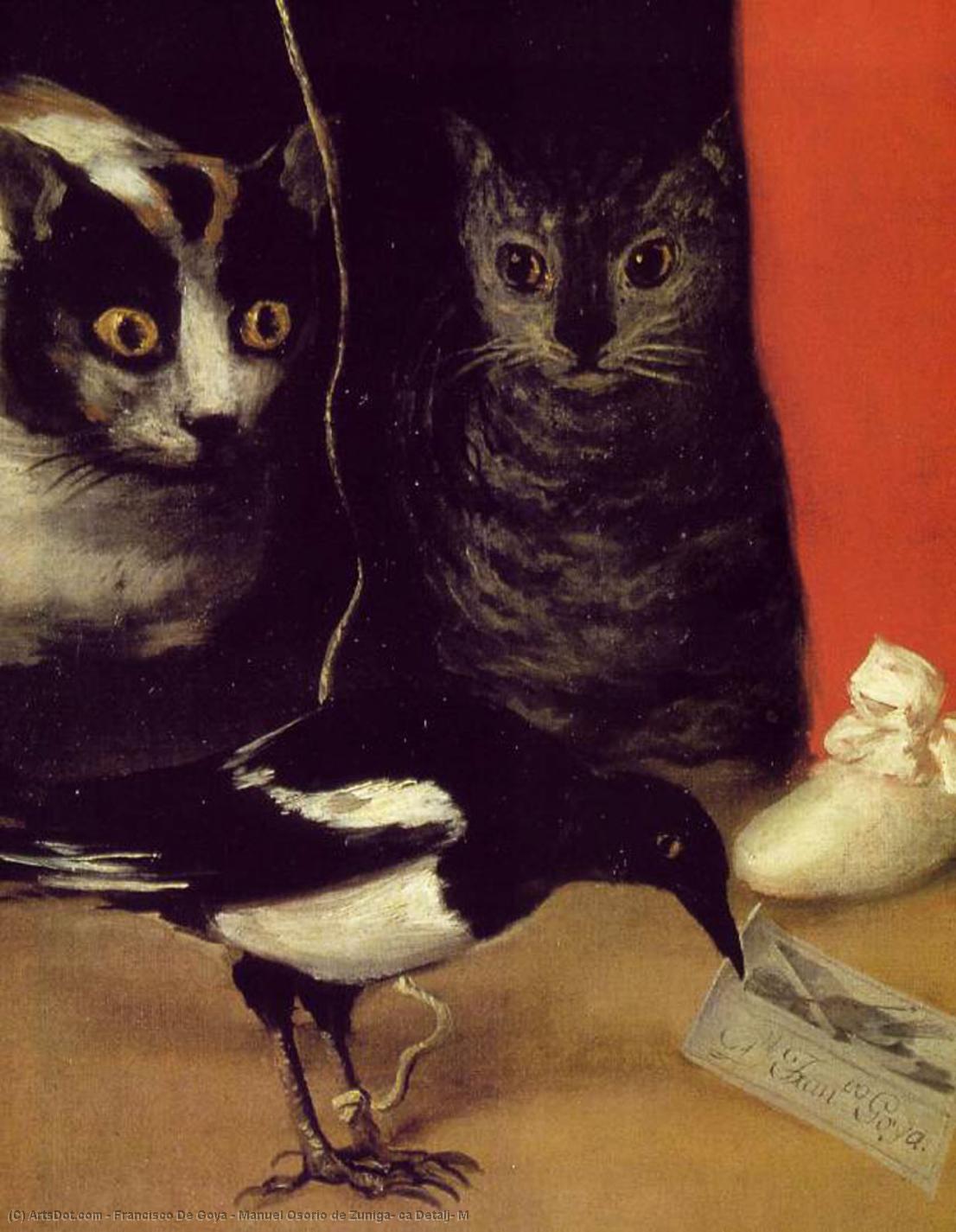
Manuel Osorio de Zuniga, ca Detalj, M
 Öl auf Leinwand
- Wandkunst
- Romanticism
 1788
1788- 19. Jahrhundert
 127.0 x 101.0 cm
 Weiterlesen
Giclée / Kunstdruck
Giclée- oder Leinwanddruck in Museumsqualität mit schneller Produktion und flexiblen Veredelungsoptionen. ( Handgemalte Reproduktion bestellen Bild kaufen)




P118B $10

P118H $10

P118W $10

P438Z $10

P508JH $12

P508YH $12

P805H $10

P805Z $10

P919BZ $10

P919G $10

P919XJ $10

P959ZH $10

P968JZ $12

W106C $8

W218G $10

W218JH $8

W218Y $10

W307PJ $10

W316G $10

W316PJ $8

W316Y $10

W398PJ $8

W4111J $10

W500HY $15

W500JH $15

W692G $12

W849H $8

W940BG $15

W953PJ $8




Wählen Sie aus unseren vordefinierten Formaten, die den ursprünglichen Proportionen des Kunstwerks entsprechen.

Sie können Ihre eigenen Maße eingeben, um ein bestimmtes Format oder einen speziellen Platz einzupassen. Wenn das von Ihnen gewählte Format nicht den Proportionen des Originalbildes entspricht, werden wir das Kunstwerk entweder beschneiden oder das Bild mit einem gespiegelten oder einfarbigen Rand erweitern. Ein digitaler Entwurf wird Ihnen zur Genehmigung zugesandt, bevor die Produktion beginnt.
Bitte beachten Sie, dass die Vorschau auf dem Bildschirm nicht den tatsächlichen Zuschnitt oder die Erweiterung widerspiegelt. Nur der Entwurf zeigt die endgültige Komposition präzise an.
Obwohl Sondermaße verfügbar sind, empfehlen wir die Auswahl eines Maßes aus der vordefinierten Liste, um die ursprünglichen Proportionen zu bewahren.
Weltweiter Versand () innerhalb von 2 Wochen statt der üblichen 4/5 Wochen. (24 August)

Kostenloser weltweiter Expressversand

Hochwertige Leinenleinwand

Umfassender Versicherungsschutz beim Versand

Zollgebühren-Rückerstattungsgarantie

Garantie für exakte Farbtreue

60 Tage Rückgaberecht (nur bei Mängeln)

100% Geld-zurück-Garantie

Mengenrabatt verfügbar
 Die Glasoption ist nur für Größen unter 110 cm verfügbar.

Manuel Osorio de Zuniga, ca Detalj, M
Giclée / Kunstdruck
Format der Reproduktion
-


Gesamtpreis
$ 62
Sammlerstück-Beschreibung
Die Entstehung eines Kindes: Manuel Osorio de Zuniga von Francisco Goya
Francisco de Goyas Gemälde „Manuel Osorio de Zuniga, ca Detalj, M“, entstanden 1788, ist weit mehr als nur ein Porträt eines jungen Mannes. Es ist eine faszinierende Momentaufnahme der Zeit, ein Fenster in die Welt des spanischen Adels und ein tiefgründiges Spiegelbild der menschlichen Psyche. Goya, einer der bedeutendsten Künstler seiner Zeit, vereint hier mit beeindruckender Meisterschaft Realismus und subtile Symbolik zu einem Bild von außergewöhnlicher Intensität und emotionaler Tiefe.
Das Werk zeigt Manuel Osorio de Zuniga, den jüngsten Sohn von Isabel Vicente Osorio de Moscoso, Graf von Altamira. Der kleine Mann, kaum drei oder vier Jahre alt, ist in ein prachtvolles Rot kostümiert – ein Kleidungsstück, das typisch für die damalige Mode war und dessen Opulenz und Raffinesse sofort ins Auge fallen. Die weißen Kragen und Ärmel unterstreichen den Reichtum und die gesellschaftliche Stellung der Familie. Doch es ist nicht nur das Kostüm, sondern vor allem der Blick des Jungen, der direkt und unverblümt in die Ferne gerichtet ist, der den Betrachter in die Szene hineinzieht und eine unmittelbare Verbindung herstellt.
Symbolik im Spiel: Vögel, Katzen und ihre Bedeutung
Goyas Kunst zeichnet sich durch die Integration von Symbolen aus, die dem Bild eine zusätzliche Ebene der Interpretation verleihen. Besonders hervorzuheben sind die Tiere, die in den Hintergrund treten und eine allegorische Deutung des Porträts liefern. Ein Magpie, ein intelligenter und neugieriger Vogel, steht an Manuel’s Füßen und hält eine Visitenkarte mit seinem Namen und Geburtsdatum in seinem Schnabel. Der Magpie symbolisiert hier die Neugierde, aber auch die Seele im christlichen Kontext – ein Hinweis auf die spirituelle Dimension des Kindes.
- Die Katzen: Drei Katzen beobachten das Geschehen aus dem Schattenbereich. Sie stehen für die Welt der Instinkte und des Bösen, ein Kontrast zur Unschuld des Kindes.
- Die Vogelkäfige: Ein Vogelkäfig mit Finken neben Manuel deutet auf Themen von Freiheit und Gefangenschaft hin – eine Metapher für das Leben selbst und die Grenzen, denen wir uns stellen müssen.
Der Einfluss der Romantik: Dunkle Hintergründe und intensive Farben
„Manuel Osorio de Zuniga“ ist ein typisches Beispiel für Goyas Stil im Rahmen der Romantik. Der dunkle Hintergrund betont die leuchtenden Rot-Töne des Kostüms des Jungen und erzeugt einen dramatischen visuellen Effekt. Die direkte Blickrichtung, die sensible Darstellung des Kindes und die psychologische Tiefe des Werkes sind charakteristische Merkmale Goyas’ künstlerischer Handschrift. Goya nutzte die dunklen Farben, um die Intensität der Szene zu verstärken und eine Atmosphäre von Geheimnis und Melancholie zu erzeugen.
Ein Kunstwerk für die Ewigkeit: Reproduktionen und die Bedeutung des Originals
Das Gemälde „Manuel Osorio de Zuniga“ befindet sich heute im Metropolitan Museum of Art in New York City. Es ist ein Zeugnis der künstlerischen Meisterschaft Goyas und ein faszinierendes Fenster in die Welt des späten 18. Jahrhunderts. ArtsDot bietet hochwertige, handgemalte Reproduktionen dieses Meisterwerks an, um die Essenz des Originals zu bewahren und Kunstliebhaber auf der ganzen Welt die Möglichkeit zu geben, diese außergewöhnliche Szene in ihrem eigenen Zuhause zu genießen. Die Detailtreue und die sorgfältige Umsetzung garantieren, dass das Werk seinen ursprünglichen Glanz und seine emotionale Wirkung behält.
Ähnliche Kunstwerke
Über den Künstler
Francisco José de Goya y Lucientes
Francisco José de Goya y Lucientes, a name synonymous with both the grandeur of Old Master tradition and the unsettling premonitions of modern art, remains one of history’s most compelling and enigmatic figures. Born in 1746 in Fuendetodos, Spain, his journey from aspiring provincial artist to court painter, and ultimately, to a visionary chronicler of human suffering and societal decay, is a testament to both his extraordinary talent and the turbulent times he inhabited. Goya’s early training began at age fourteen under José Luzán y Martinez, laying a foundation in traditional techniques before he moved to Madrid and refined his skills with Anton Raphael Mengs, then the dominant artistic force at the Spanish court. This initial period instilled in him a mastery of form and composition, evident in his early commissions – designs for tapestries that showcased lively scenes of everyday life, reflecting a Rococo sensibility tempered by a distinctly Spanish realism. Marriage to Josefa Bayeu, sister of another painter within the royal circle, further cemented his position within the artistic establishment. These early works, while charming and skillfully executed, offered little hint of the profound emotional depth and unsettling darkness that would come to define his later oeuvre.Early Training and Career
Goya’s ascent through the ranks of the Spanish court was steady. He became a painter to the Royal Chamber in 1786, securing a stream of portrait commissions from the aristocracy and royalty. These portraits are remarkable not merely for their technical brilliance – Goya possessed an uncanny ability to capture likeness with unflinching honesty – but also for their psychological insight. He didn’t simply paint what his sitters *looked* like; he revealed something of their character, their vulnerabilities, and even their hidden anxieties. However, beneath the veneer of courtly success, a transformation was brewing within Goya. In 1793, a severe illness left him profoundly deaf, an event that irrevocably altered his perception of the world and, consequently, his art. This affliction plunged him into a period of intense introspection and isolation, severing his connection to the social life he once enjoyed and forcing him inward, towards a darker, more subjective reality. The shift in his artistic style was dramatic. Gone were the bright colors and cheerful scenes; in their place emerged a brooding palette, loose brushwork, and compositions charged with emotional intensity. He began to explore themes of madness, violence, and the irrational, foreshadowing the anxieties that would grip Europe in the coming decades.Los Caprichos, Disasters, and Black Paintings: A Descent into Darkness
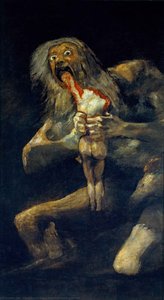
This period of artistic ferment culminated in some of Goya’s most iconic works. Los Caprichos, a series of eighty etchings published in 1799, are a scathing satire of Spanish society – its follies, superstitions, and moral corruption laid bare with unflinching wit and biting irony. The images are grotesque yet captivating, populated by witches, monsters, and caricatures of the aristocracy, all rendered with a masterful command of etching techniques. They are not heroic depictions of battle; they are unflinching portrayals of its horrors, devoid of any romanticism or glorification. Perhaps most unsettling of all were The Black Paintings, a series of fourteen murals Goya painted directly onto the walls of his house, “Quinta del Sordo” (the Deaf Man’s Villa), between 1819 and 1823. These works – including the terrifying *Saturn Devouring His Son* and the haunting *Asmodea* – are a descent into the darkest recesses of the human psyche, expressing themes of despair, madness, and existential dread with unparalleled intensity.Legacy: A Bridge Between Worlds
In 1824, disillusioned by political unrest in Spain, Goya sought exile in Bordeaux, France, where he continued to work until his death in 1828. His final years were marked by a renewed focus on printmaking, culminating in the *La Tauromaquia* series, which explored the spectacle and brutality of bullfighting. Francisco Goya’s legacy is immense and far-reaching. He stands as a pivotal figure in art history, bridging the gap between the Old Masters and the modern movement. His influence can be seen in the works of countless artists who followed – from Édouard Manet and Pablo Picasso to Francis Bacon – all drawn to his expressive brushwork, psychological depth, and willingness to confront uncomfortable truths. He challenged artistic conventions, embraced innovation, and dared to explore the darker aspects of human experience, leaving behind a body of work that continues to resonate with audiences today. Goya wasn’t merely painting pictures; he was holding up a mirror to society, forcing us to confront our own flaws and vulnerabilities, and reminding us of the enduring power – and fragility – of the human spirit.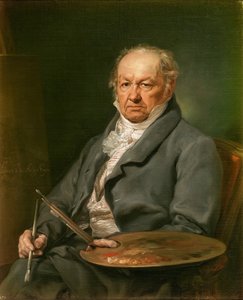
Francisco José de Goya y Lucientes
1746 - 1828 , Spanien
Kurzinfos
- Artistic Movement Or Style: Romantik
- Artists Who Influenced This Artist:
- Diego Velázquez
- Giovanni Battista Tiepolo
- Anton Raphael Mengs
- Date Of Birth: 30 März 1746
- Full Name: Francisco José de Goya y Lucientes
- Nationality: Spanisch
- Notable Artworks:
- Los Caprichos
- Die Katastrophen des Krieges
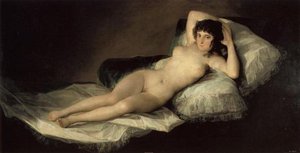
- Die Maja Desnuda
- Die schwarzen Gemälde
- Place Of Birth: Fuendetodos, Spanien
Ähnliche Artikel

Goya: Die 25 Meisterwerke des spanischen Genies – Kunst für Ihr Zuhause | ArtsDot
Entdecken Sie die 25 Meisterwerke von Francisco Goya! Tauchen Sie ein in die düstere Romantik spanischer Malerei, Porträts & Historienbilder. Hochwertige Kunstdrucke auf ArtsDot.com – für Kunstliebhaber und stilvolles Wohnen.
Romantik in der Kunst: Die 10 Meisterwerke, die eine Epoche prägten |
Entdecken Sie die 10 Meisterwerke der Romantik! Von Caspar David Friedrich bis Delacroix – erleben Sie Gefühl, Landschaft & Historie. Hochwertige Kunst Reproduktionen auf . Jetzt entdecken!
Francisco Goya: Dunkelheit und Erleuchtung – Ein Meister der Romantik
Entdecken Sie das faszinierende Leben und Werk von Francisco Goya! Unsere Expertenanalyse beleuchtet Goyas düstere Pinturas, politischen Botschaften & innovativen Techniken. Tauchen Sie tief in die Romantik ein.
Museo del Prado: Die 25 Meisterwerke – Kunst für Ihr Zuhause | ArtsDot
Entdecken Sie die 25 Meisterwerke des Museo del Prado! Von Velázquez bis Goya – Kunstgeschichte, Techniken & Geschichten berühmter Gemälde. Finden Sie hochwertige Reproduktionen für Ihr Zuhause auf ArtsDot.com.

Crimson Threads of Narrative: Exploring Symbolism & Representation in Artworks Featuring the Red Dress
Explore the rich symbolism of the red dress in art history! From ancient power displays to iconic portraits like Cézanne’s 'Madame Cezanne', discover the cultural and artistic significance behind this captivating color. Expert analysis & insights.