 Vorschau anzeigen
 Versenden
 Teilen
 Details anzeigen

 Herunterladen
 Ähnliche Objekte
 Röntgenaufnahme
 Diashow
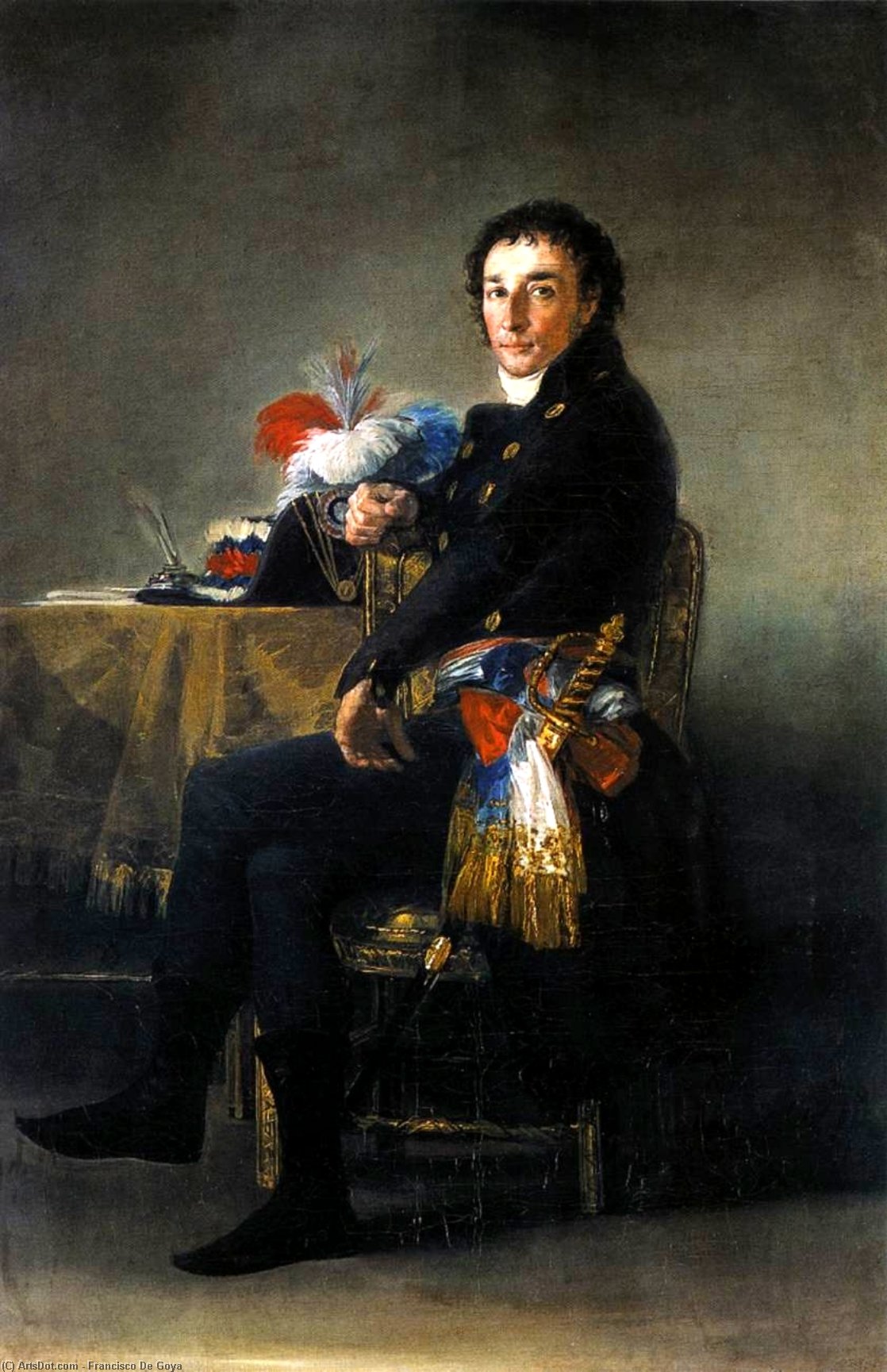
Portrait of Ferdinand Guillemardet
 Öl auf Leinwand
- Wandkunst
- Romanticism
 1798
1798- Renaissance
 186.0 x 124.0 cm
 Weiterlesen
Handgefertigte Ölreproduktion
Handgemaltes Ölgemälde auf Leinwand in Ihrer Wunschgröße und mit Rahmen, auf Bestellung von unseren Künstlern angefertigt. ( Druck bestellen Bild kaufen)




P118B $10

P118H $10

P118W $10

P438Z $10

P508JH $12

P508YH $12

P805H $10

P805Z $10

P919BZ $10

P919G $10

P919XJ $10

P959ZH $10

P968JZ $12

W106C $8

W218G $10

W218JH $8

W218Y $10

W307PJ $10

W316G $10

W316PJ $8

W316Y $10

W398PJ $8

W4111J $10

W500HY $15

W500JH $15

W692G $12

W849H $8

W940BG $15

W953PJ $8




Wählen Sie aus unseren vordefinierten Formaten, die den ursprünglichen Proportionen des Kunstwerks entsprechen.

Sie können Ihre eigenen Maße eingeben, um einen bestimmten Rahmen oder Platz auszufüllen. Wenn die gewählte Größe nicht den Proportionen des Originalbildes entspricht, werden wir das Kunstwerk entweder beschneiden oder das Gemälde durch zusätzliche, handgemalte Elemente erweitern. Ein digitales Mockup wird Ihnen zur Genehmigung zugesandt, bevor die Produktion beginnt.
Bitte beachten Sie, dass die Bildschirmvorschau nicht die tatsächliche Beschneidung oder Erweiterung widerspiegelt. Nur das Mockup zeigt die endgültige Komposition exakt an.
Obwohl Sondermaße verfügbar sind, empfehlen wir, eine Größe aus der vordefinierten Liste zu wählen, um die ursprünglichen Proportionen beizubehalten.
Nach der Bestellung wird das ArtsDot.com-Team dem Kunden Anweisungen per E-Mail zusenden und eine Mockup-Vorschau bereitstellen.
Weltweiter Versand () in nur 3 bis 4 Wochen statt der üblichen 5 Wochen. (26 August). Keine Kompromisse bei der Qualität.

Kostenloser weltweiter Expressversand

Hochwertige Leinenleinwand

Umfassender Versicherungsschutz beim Versand

Zollgebühren-Rückerstattungsgarantie

Garantie für exakte Farbtreue

60 Tage Rückgaberecht (nur bei Mängeln)

100% Geld-zurück-Garantie

Mengenrabatt verfügbar
 Die Glasoption ist nur für Größen unter 110 cm verfügbar.

Portrait of Ferdinand Guillemardet
Art der Reproduktion
Format der Reproduktion
-


Gesamtpreis
$ 263
Beschreibung des Kunstwerks
Portrait of Ferdinand Guillemardet – A Study in Romantic Dignity
The painting by Francisco de Goya, completed in 1798, transcends mere portraiture; it embodies the spirit of Romanticism itself—a movement characterized by an intense preoccupation with emotion, imagination, and individualism. More than simply capturing the likeness of Ferdinand Guillemardet, French Ambassador to Spain during that turbulent period, Goya’s masterpiece delves into psychological depth and subtly communicates a profound sense of contemplation. The artwork is housed at the Museo de Bellas Artes de Santander, offering visitors an opportunity to immerse themselves in the artistic legacy of one of Spain's greatest masters.- Subject Matter: Guillemardet’s dignified posture—seated with hands clasped together—immediately establishes him as a figure of authority and composure. His gaze directs upwards, conveying a quiet introspection that speaks to the complexities of his inner life.
- Style & Technique: Goya employs a masterful blend of observation and artistic license. The meticulous rendering of Guillemardet’s uniform and hat reflects the precision demanded by court portraiture, yet it is tempered by expressive brushstrokes that imbue the canvas with palpable emotion.
Composition & Symbolism – Spaces Between Dignity
The painting's composition is deliberately understated, prioritizing space and conveying a sense of solitude amidst social formality. The central figure occupies a chair positioned near a dining table adorned with two empty chairs—a visual motif that underscores Guillemardet’s isolation despite his prominent role in diplomatic circles. Furthermore, Goya incorporates symbolic elements—a vase on the left and a book on the center—representing intellectual pursuits and artistic contemplation. However, it is perhaps the placement of two birds—one perched delicately on Guillemardet's hand and another positioned further away—that resonates most powerfully. These avian figures symbolize aspiration, freedom, and an elusive connection to nature—themes central to Romantic ideals.Historical Context – Navigating Uncertainty
Painted during a period marked by political instability and the looming shadow of Napoleon’s invasion, Goya's Portrait of Ferdinand Guillemardet reflects the anxieties of his time. The French Ambassador’s presence embodies the aspirations for stability and grandeur associated with European monarchy—a stark contrast to the turbulent realities unfolding across Spain. Yet, beneath the veneer of aristocratic dignity lies a subtle awareness of vulnerability—a poignant reminder that even the most powerful figures are susceptible to existential questioning.Emotional Impact – Beyond Appearance
Ultimately, Goya’s Portrait transcends its visual representation, achieving an emotional resonance that lingers long after viewing it. The painting captures not merely Guillemardet's physical likeness but also his inner spirit—a quiet dignity underpinned by profound contemplation and a yearning for transcendence. It is precisely this psychological depth—this ability to convey unspoken emotions—that secures Goya’s place as one of the most influential artists in European history, inspiring generations of painters and continuing to captivate audiences today.Ähnliche Kunstwerke
Über den Künstler
Francisco José de Goya y Lucientes
Francisco José de Goya y Lucientes, a name synonymous with both the grandeur of Old Master tradition and the unsettling premonitions of modern art, remains one of history’s most compelling and enigmatic figures. Born in 1746 in Fuendetodos, Spain, his journey from aspiring provincial artist to court painter, and ultimately, to a visionary chronicler of human suffering and societal decay, is a testament to both his extraordinary talent and the turbulent times he inhabited. Goya’s early training began at age fourteen under José Luzán y Martinez, laying a foundation in traditional techniques before he moved to Madrid and refined his skills with Anton Raphael Mengs, then the dominant artistic force at the Spanish court. This initial period instilled in him a mastery of form and composition, evident in his early commissions – designs for tapestries that showcased lively scenes of everyday life, reflecting a Rococo sensibility tempered by a distinctly Spanish realism. Marriage to Josefa Bayeu, sister of another painter within the royal circle, further cemented his position within the artistic establishment. These early works, while charming and skillfully executed, offered little hint of the profound emotional depth and unsettling darkness that would come to define his later oeuvre.Early Training and Career
Goya’s ascent through the ranks of the Spanish court was steady. He became a painter to the Royal Chamber in 1786, securing a stream of portrait commissions from the aristocracy and royalty. These portraits are remarkable not merely for their technical brilliance – Goya possessed an uncanny ability to capture likeness with unflinching honesty – but also for their psychological insight. He didn’t simply paint what his sitters *looked* like; he revealed something of their character, their vulnerabilities, and even their hidden anxieties. However, beneath the veneer of courtly success, a transformation was brewing within Goya. In 1793, a severe illness left him profoundly deaf, an event that irrevocably altered his perception of the world and, consequently, his art. This affliction plunged him into a period of intense introspection and isolation, severing his connection to the social life he once enjoyed and forcing him inward, towards a darker, more subjective reality. The shift in his artistic style was dramatic. Gone were the bright colors and cheerful scenes; in their place emerged a brooding palette, loose brushwork, and compositions charged with emotional intensity. He began to explore themes of madness, violence, and the irrational, foreshadowing the anxieties that would grip Europe in the coming decades.Los Caprichos, Disasters, and Black Paintings: A Descent into Darkness
This period of artistic ferment culminated in some of Goya’s most iconic works. Los Caprichos, a series of eighty etchings published in 1799, are a scathing satire of Spanish society – its follies, superstitions, and moral corruption laid bare with unflinching wit and biting irony. The images are grotesque yet captivating, populated by witches, monsters, and caricatures of the aristocracy, all rendered with a masterful command of etching techniques. They are not heroic depictions of battle; they are unflinching portrayals of its horrors, devoid of any romanticism or glorification. Perhaps most unsettling of all were The Black Paintings, a series of fourteen murals Goya painted directly onto the walls of his house, “Quinta del Sordo” (the Deaf Man’s Villa), between 1819 and 1823. These works – including the terrifying *Saturn Devouring His Son* and the haunting *Asmodea* – are a descent into the darkest recesses of the human psyche, expressing themes of despair, madness, and existential dread with unparalleled intensity.Legacy: A Bridge Between Worlds
In 1824, disillusioned by political unrest in Spain, Goya sought exile in Bordeaux, France, where he continued to work until his death in 1828. His final years were marked by a renewed focus on printmaking, culminating in the *La Tauromaquia* series, which explored the spectacle and brutality of bullfighting. Francisco Goya’s legacy is immense and far-reaching. He stands as a pivotal figure in art history, bridging the gap between the Old Masters and the modern movement. His influence can be seen in the works of countless artists who followed – from Édouard Manet and Pablo Picasso to Francis Bacon – all drawn to his expressive brushwork, psychological depth, and willingness to confront uncomfortable truths. He challenged artistic conventions, embraced innovation, and dared to explore the darker aspects of human experience, leaving behind a body of work that continues to resonate with audiences today. Goya wasn’t merely painting pictures; he was holding up a mirror to society, forcing us to confront our own flaws and vulnerabilities, and reminding us of the enduring power – and fragility – of the human spirit.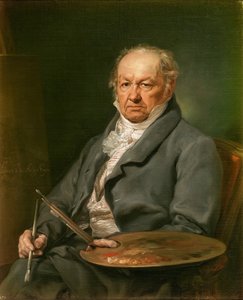
Francisco José de Goya y Lucientes
1746 - 1828 , Spanien
Kurzinfos
- Artistic Movement Or Style: Romantik
- Artists Who Influenced This Artist:
- Diego Velázquez
- Giovanni Battista Tiepolo
- Anton Raphael Mengs
- Date Of Birth: 30 März 1746
- Full Name: Francisco José de Goya y Lucientes
- Nationality: Spanisch
- Notable Artworks:
- Los Caprichos
- Die Katastrophen des Krieges
- Die Maja Desnuda
- Die schwarzen Gemälde
- Place Of Birth: Fuendetodos, Spanien
Ähnliche Artikel

Goya: Die 25 Meisterwerke des spanischen Genies – Kunst für Ihr Zuhause | ArtsDot
Entdecken Sie die 25 Meisterwerke von Francisco Goya! Tauchen Sie ein in die düstere Romantik spanischer Malerei, Porträts & Historienbilder. Hochwertige Kunstdrucke auf ArtsDot.com – für Kunstliebhaber und stilvolles Wohnen.
Francisco Goya: Dunkelheit und Erleuchtung – Ein Meister der Romantik
Entdecken Sie das faszinierende Leben und Werk von Francisco Goya! Unsere Expertenanalyse beleuchtet Goyas düstere Pinturas, politischen Botschaften & innovativen Techniken. Tauchen Sie tief in die Romantik ein.
The Golden Age Reforged: Dramatic Realism & Religious Zeal in Spanish Baroque Art
Explore the dramatic world of Spanish Baroque art! Discover masters like Zurbarán & the powerful influence of religious zeal on painting techniques – a guide for collectors and enthusiasts.

The Dramatic Flourish: Exploring the Baroque Movement's Enduring Legacy in Art History
Explore the dramatic world of Baroque art! Discover iconic artists like Caravaggio & Rubens, defining techniques, and its lasting impact on art history. Expert insights for collectors & enthusiasts at ArtsDot.
Romantik in der Kunst: Die 10 Meisterwerke, die eine Epoche prägten |
Entdecken Sie die 10 Meisterwerke der Romantik! Von Caspar David Friedrich bis Delacroix – erleben Sie Gefühl, Landschaft & Historie. Hochwertige Kunst Reproduktionen auf . Jetzt entdecken!