 Vorschau anzeigen
 Versenden
 Teilen
 Details anzeigen

 Herunterladen
 Ähnliche Objekte
 Röntgenaufnahme
 Diashow
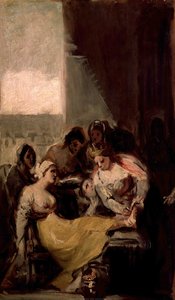
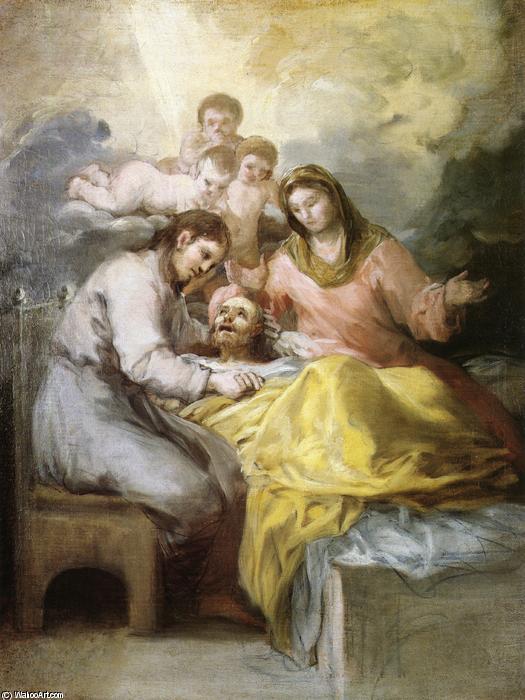
Skizze zum Tod des Heiligen Josef
 Öl auf Leinwand
- Wandkunst
- Romanticism
 1787
1787 54.0 x 46.0 cm
 Weiterlesen
Handgefertigte Ölreproduktion
Handgemaltes Ölgemälde auf Leinwand in Ihrer Wunschgröße und mit Rahmen, auf Bestellung von unseren Künstlern angefertigt. ( Druck bestellen Bild kaufen)




P118B $10

P118H $10

P118W $10

P438Z $10

P508JH $12

P508YH $12

P805H $10

P805Z $10

P919BZ $10

P919G $10

P919XJ $10

P959ZH $10

P968JZ $12

W106C $8

W218G $10

W218JH $8

W218Y $10

W307PJ $10

W316G $10

W316PJ $8

W316Y $10

W398PJ $8

W4111J $10

W500HY $15

W500JH $15

W692G $12

W849H $8

W940BG $15

W953PJ $8




Wählen Sie aus unseren vordefinierten Formaten, die den ursprünglichen Proportionen des Kunstwerks entsprechen.

Sie können Ihre eigenen Maße eingeben, um einen bestimmten Rahmen oder Platz auszufüllen. Wenn die gewählte Größe nicht den Proportionen des Originalbildes entspricht, werden wir das Kunstwerk entweder beschneiden oder das Gemälde durch zusätzliche, handgemalte Elemente erweitern. Ein digitales Mockup wird Ihnen zur Genehmigung zugesandt, bevor die Produktion beginnt.
Bitte beachten Sie, dass die Bildschirmvorschau nicht die tatsächliche Beschneidung oder Erweiterung widerspiegelt. Nur das Mockup zeigt die endgültige Komposition exakt an.
Obwohl Sondermaße verfügbar sind, empfehlen wir, eine Größe aus der vordefinierten Liste zu wählen, um die ursprünglichen Proportionen beizubehalten.
Nach der Bestellung wird das ArtsDot.com-Team dem Kunden Anweisungen per E-Mail zusenden und eine Mockup-Vorschau bereitstellen.
Weltweiter Versand () in nur 3 bis 4 Wochen statt der üblichen 5 Wochen. (26 August). Keine Kompromisse bei der Qualität.

Kostenloser weltweiter Expressversand

Hochwertige Leinenleinwand

Umfassender Versicherungsschutz beim Versand

Zollgebühren-Rückerstattungsgarantie

Garantie für exakte Farbtreue

60 Tage Rückgaberecht (nur bei Mängeln)

100% Geld-zurück-Garantie

Mengenrabatt verfügbar
 Die Glasoption ist nur für Größen unter 110 cm verfügbar.

Skizze zum Tod des Heiligen Josef
Art der Reproduktion
Format der Reproduktion
-


Gesamtpreis
$ 263
Beschreibung des Kunstwerks
Sketch for The Death of Saint Joseph
Francisco de Goya, einer der einflussreichsten Künstler seiner Zeit, erschuf ein faszinierendes Werk namens Sketch für Die Todesstunde des Heiligen Josef. Dieses Gemälde ist ein Beweis für Goyas Können beim Erfassung von emotionaler Tiefe und religiösem Eifer. Lassen Sie uns die Feinheiten dieses Kunstwerks aufdecken und seine Bedeutung erkunden.Künstlerischer Kontext
Goya, bekannt für seine Beiträge zum Romantikum, war ein spanischer Künstler, der die Kluft zwischen traditionellen Kunstformen und Moderne überspannte. Seine Werke beschäftigten sich häufig mit religiösen Themen, sozialem Kommentar und menschlichen Emotionen. Sketch für Die Todesstunde des Heiligen Josef, gemalt im Jahr 1787, ist ein herausragendes Beispiel dafür, wie Goya Emotionen durch seine Figuren ausdrücken konnte. Er verkörperte eine neue Ära der künstlerischen Darstellung und brach mit den Konventionen seiner Vorgänger.Komposition und Symbolismus
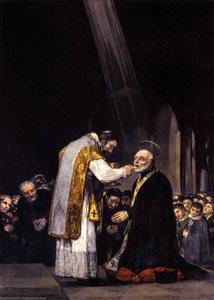
Das Gemälde stellt eine bewegende Szene dar, in der Maria, Josef und das Christuskind um die Bett eines kranken Mannes versammelt sind. Die Atmosphäre ist von Dringlichkeit und Besorgnis geprägt, wobei mehrere andere Figuren im Raum vorhanden sind. Ein Stuhl steht auf der linken Seite des Bildes und ein Hund liegt auf dem Boden in seiner Nähe. Jeder Element der Komposition trägt zum Gefühl von Leidenschaft und Mitgefühl bei. Die Verwendung von Licht und Schatten verstärkt die Dramatik und betont die emotionale Intensität der Darstellung. Das Bild ist eine klare Abkehr von den klassischen Formen und wird oft als Ausdruck menschlicher Erfahrung und religiöser Überzeugung angesehen.Technik und Stil
Goyas Verwendung von Öl auf Leinwand erzeugt einen reichen, strukturierten Effekt, der den emotionalen Eindruck der Szene verstärkt. Die Pinselstriche sind kraftvoll und ausdrucksstark – eine charakteristische Eigenheit seines Stils während dieser Zeitperiode. Er ließ sich von großen Künstlern wie Rembrandt und Murillo inspirieren und entwickelte eine eigene Technik, die sowohl technisch als auch künstlerisch beeindruckend ist. Das Gemälde ist ein Paradebeispiel für Romantik, mit seinem Fokus auf intensive Emotionen und dramatische Beleuchtung – eine Stilrichtung, die bis heute Künstler weltweit beeinflusst.Ort und Bedeutung
Sketch für Die Todesstunde des Heiligen Josef befindet sich im Flint Institute of Arts in den Vereinigten Staaten und ist ein bedeutendes Werk der europäischen Kunstgeschichte. Dieses Institut ist bekannt für seine vielfältige Sammlung von Kunst aus aller Welt und stellt damit einen geeigneten Rahmen für Goyas Meisterwerk dar. Das Gemälde wurde ausgewählt, um die menschliche Erfahrung und religiöse Überzeugung zu erfassen und wird weiterhin von Kunstliebhabern auf der ganzen Welt gefeiert und studiert. Für weitere Informationen über Goya's Leben und Werk besuchen Sie Francisco De Goya bei ArtsDot.com.Ähnliche Kunstwerke
Über den Künstler
Francisco José de Goya y Lucientes
Francisco José de Goya y Lucientes, a name synonymous with both the grandeur of Old Master tradition and the unsettling premonitions of modern art, remains one of history’s most compelling and enigmatic figures. Born in 1746 in Fuendetodos, Spain, his journey from aspiring provincial artist to court painter, and ultimately, to a visionary chronicler of human suffering and societal decay, is a testament to both his extraordinary talent and the turbulent times he inhabited. Goya’s early training began at age fourteen under José Luzán y Martinez, laying a foundation in traditional techniques before he moved to Madrid and refined his skills with Anton Raphael Mengs, then the dominant artistic force at the Spanish court. This initial period instilled in him a mastery of form and composition, evident in his early commissions – designs for tapestries that showcased lively scenes of everyday life, reflecting a Rococo sensibility tempered by a distinctly Spanish realism. Marriage to Josefa Bayeu, sister of another painter within the royal circle, further cemented his position within the artistic establishment. These early works, while charming and skillfully executed, offered little hint of the profound emotional depth and unsettling darkness that would come to define his later oeuvre.Early Training and Career
Goya’s ascent through the ranks of the Spanish court was steady. He became a painter to the Royal Chamber in 1786, securing a stream of portrait commissions from the aristocracy and royalty. These portraits are remarkable not merely for their technical brilliance – Goya possessed an uncanny ability to capture likeness with unflinching honesty – but also for their psychological insight. He didn’t simply paint what his sitters *looked* like; he revealed something of their character, their vulnerabilities, and even their hidden anxieties. However, beneath the veneer of courtly success, a transformation was brewing within Goya. In 1793, a severe illness left him profoundly deaf, an event that irrevocably altered his perception of the world and, consequently, his art. This affliction plunged him into a period of intense introspection and isolation, severing his connection to the social life he once enjoyed and forcing him inward, towards a darker, more subjective reality. The shift in his artistic style was dramatic. Gone were the bright colors and cheerful scenes; in their place emerged a brooding palette, loose brushwork, and compositions charged with emotional intensity. He began to explore themes of madness, violence, and the irrational, foreshadowing the anxieties that would grip Europe in the coming decades.Los Caprichos, Disasters, and Black Paintings: A Descent into Darkness
This period of artistic ferment culminated in some of Goya’s most iconic works. Los Caprichos, a series of eighty etchings published in 1799, are a scathing satire of Spanish society – its follies, superstitions, and moral corruption laid bare with unflinching wit and biting irony. The images are grotesque yet captivating, populated by witches, monsters, and caricatures of the aristocracy, all rendered with a masterful command of etching techniques. They are not heroic depictions of battle; they are unflinching portrayals of its horrors, devoid of any romanticism or glorification. Perhaps most unsettling of all were The Black Paintings, a series of fourteen murals Goya painted directly onto the walls of his house, “Quinta del Sordo” (the Deaf Man’s Villa), between 1819 and 1823. These works – including the terrifying *Saturn Devouring His Son* and the haunting *Asmodea* – are a descent into the darkest recesses of the human psyche, expressing themes of despair, madness, and existential dread with unparalleled intensity.Legacy: A Bridge Between Worlds
In 1824, disillusioned by political unrest in Spain, Goya sought exile in Bordeaux, France, where he continued to work until his death in 1828. His final years were marked by a renewed focus on printmaking, culminating in the *La Tauromaquia* series, which explored the spectacle and brutality of bullfighting. Francisco Goya’s legacy is immense and far-reaching. He stands as a pivotal figure in art history, bridging the gap between the Old Masters and the modern movement. His influence can be seen in the works of countless artists who followed – from Édouard Manet and Pablo Picasso to Francis Bacon – all drawn to his expressive brushwork, psychological depth, and willingness to confront uncomfortable truths. He challenged artistic conventions, embraced innovation, and dared to explore the darker aspects of human experience, leaving behind a body of work that continues to resonate with audiences today. Goya wasn’t merely painting pictures; he was holding up a mirror to society, forcing us to confront our own flaws and vulnerabilities, and reminding us of the enduring power – and fragility – of the human spirit.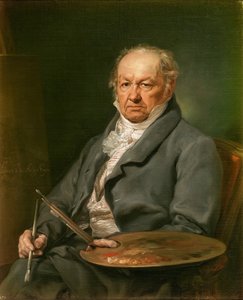
Francisco José de Goya y Lucientes
1746 - 1828 , Spanien
Kurzinfos
- Artistic Movement Or Style: Romantik
- Artists Who Influenced This Artist:
- Diego Velázquez
- Giovanni Battista Tiepolo
- Anton Raphael Mengs
- Date Of Birth: 30 März 1746
- Full Name: Francisco José de Goya y Lucientes
- Nationality: Spanisch
- Notable Artworks:
- Los Caprichos
- Die Katastrophen des Krieges
- Die Maja Desnuda
- Die schwarzen Gemälde
- Place Of Birth: Fuendetodos, Spanien
Ähnliche Artikel

Goya: Die 25 Meisterwerke des spanischen Genies – Kunst für Ihr Zuhause | ArtsDot
Entdecken Sie die 25 Meisterwerke von Francisco Goya! Tauchen Sie ein in die düstere Romantik spanischer Malerei, Porträts & Historienbilder. Hochwertige Kunstdrucke auf ArtsDot.com – für Kunstliebhaber und stilvolles Wohnen.
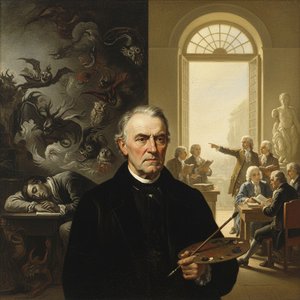
Francisco Goya: Dunkelheit und Erleuchtung – Ein Meister der Romantik
Entdecken Sie das faszinierende Leben und Werk von Francisco Goya! Unsere Expertenanalyse beleuchtet Goyas düstere Pinturas, politischen Botschaften & innovativen Techniken. Tauchen Sie tief in die Romantik ein.
Romantik in der Kunst: Die 10 Meisterwerke, die eine Epoche prägten |
Entdecken Sie die 10 Meisterwerke der Romantik! Von Caspar David Friedrich bis Delacroix – erleben Sie Gefühl, Landschaft & Historie. Hochwertige Kunst Reproduktionen auf . Jetzt entdecken!
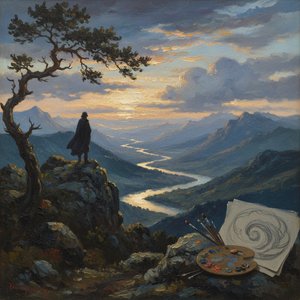
The Evocative Brushstroke: Exploring Emotion, Individuality & the Sublime in Romanticism's Artistic Landscape
Explore the passionate world of Romanticism! Discover masterpieces by Friedrich & Goya, delve into the sublime, and understand the movement's lasting impact on art history. Expert analysis & insights at ArtsDot.
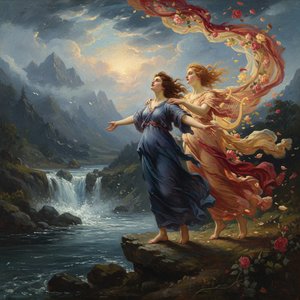
The Sublime and the Sensual: Exploring Emotion & Individuality in Romanticism's Artistic Revolution
Explore the passionate world of Romanticism! Discover masterpieces by Friedrich & Goya, delve into the sublime, and understand the movement's lasting impact on art history. Expert analysis & insights.