

 Versenden
 Teilen
 Details anzeigen

 Herunterladen
 Ähnliche Objekte
 Diashow
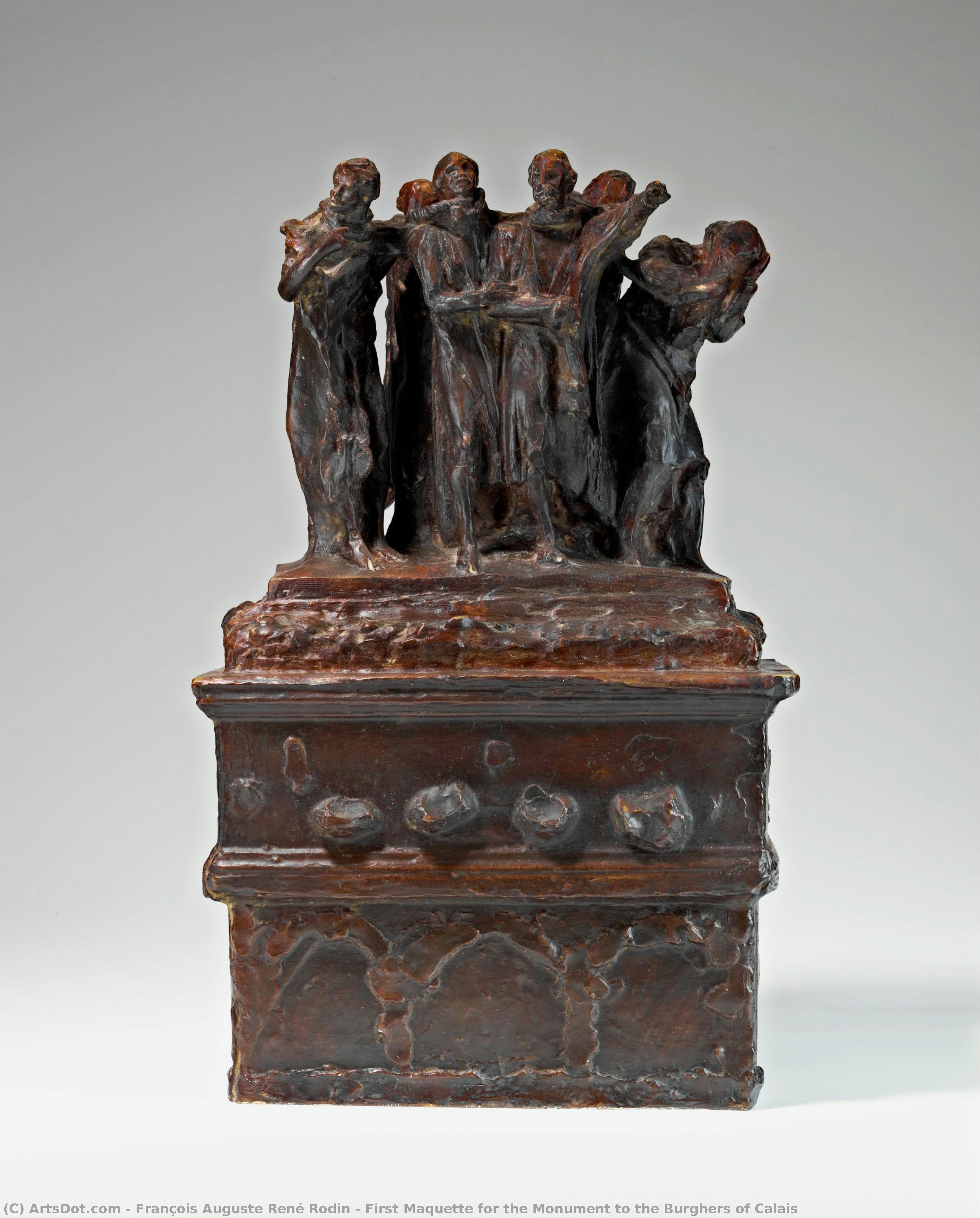
First Maquette for the Monument to the Burghers of Calais


 Weiterlesen
Erwerben Sie ein hochauflösendes, optimiertes digitales Bild, das der Online-Vorschau weit überlegen ist.
Jede Datei wird von unseren hauseigenen Spezialisten mit modernsten Werkzeugen und fachmännischer manueller Retusche sorgfältig vorbereitet. Wir stellen sicher, dass jedes Bild eine außergewöhnliche Klarheit, präzise Farbgenauigkeit und feinste Details aufweist.
Die endgültige Datei wird innerhalb von 72 Stunden per E-Mail zugestellt und ist für den sofortigen Einsatz in professionellen, redaktionellen und Druckumgebungen optimiert. Es handelt sich um dieselbe Qualität, der führende Designstudios, Verlage und Galerien vertrauen.
Digitales Bild
Laden Sie eine hochauflösende Datei für die persönliche Präsentation, den Druck und kreative Projekte herunter. ( Druck bestellen Handgemalte Reproduktion bestellen)
In jeder Bestellung digitaler Bilder enthalten
Professionelle digitale Bereitstellung, garantiert
Wenn Sie sich für ArtsDot.com entscheiden, erhalten Sie nicht nur ein Bild – Sie erhalten ein professionell aufbereitetes digitales Kunstwerk, das mit höchster Präzision erstellt und durch eine Zufriedenheitsgarantie abgesichert wird. Hier ist alles, was automatisch mit Ihrer Bestellung geliefert wird:

Schnelle E-Mail-Zustellung
Ihre hochauflösende digitale Bilddatei wird Ihnen innerhalb von 72 Stunden nach der Bestellung per E-Mail zugestellt – bereit zur sofortigen Verwendung.

KI-optimierte digitale Datei
Ihre Kunstwerke werden professionell mithilfe fortschrittlicher KI-Tools und manueller Bearbeitung optimiert, um maximale Detailtreue, Klarheit und Farbgenauigkeit zu gewährleisten.

Lebenslanger kostenloser Neudruckservice
Datei versehentlich gelöscht oder verloren? Keine Sorge – wir senden sie Ihnen jederzeit kostenlos erneut zu.

Keine Einfuhrgebühren – jemals
Genießen Sie Ihr Kunstwerk sofort ohne Zollgebühren, Einfuhrabgaben oder Versandkosten – digitale Downloads sind immer steuerfrei.

Garantierte Farbtreue
Wir garantieren, dass Ihr digitales Bild mithilfe professioneller Werkzeuge und Farbmanagement die Originalfarben so präzise wie möglich wiedergibt.

60-Tage-Zufriedenheitsgarantie
Sollten Sie mit Ihrem digitalen Bild nicht zufrieden sein, werden wir es überarbeiten oder Ihnen innerhalb von 60 Tagen 100% erstatten – ohne Wenn und Aber.

100% Geld-zurück-Garantie
Nicht zufrieden? Erhalten Sie innerhalb von 60 Tagen nach Erhalt Ihrer digitalen Datei eine vollständige Rückerstattung – ohne Angabe von Gründen.

Rabatte bei Großbestellungen
3 Bilder kaufen, 10% sparen – 5 Bilder kaufen, 15% sparen – Ab 10 Bildern 20% sparen. Ideal für kreative Projekte, Galerien und Agenturen.
The Weight of Sacrifice: Rodin’s “The Burghers of Calais”
Auguste Rodin's "The Burghers of Calais" isn’t merely a sculpture; it’s a visceral embodiment of courage, despair, and the profound weight of collective sacrifice. Completed in 1889 after initial modeling began in 1884, this monumental bronze captures a pivotal moment from French history – the heroic decision by six citizens of Calais to surrender themselves to the English army during the Hundred Years’ War, thereby saving their city from destruction. More than just a historical depiction, Rodin masterfully distilled the emotional core of the event, creating an artwork that continues to resonate with viewers over a century later.
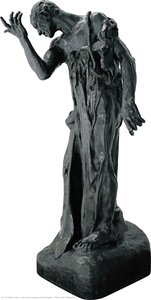
The scene unfolds within a tightly-packed circle, dominated by six figures rendered in astonishingly realistic detail. Each man – Eustache de Saint-Pierre, Jacques and Pierre de Wissant, Andrieu d’Andres, Jean de Fiennes, and Jean d’Aire – is depicted with an intensity of emotion that transcends the historical narrative. Rodin deliberately eschewed traditional heroic poses, opting instead for a cluster of figures slumped in defeat, their bodies bearing the marks of exhaustion and impending doom. Note the stark contrast between the rough, unpolished surfaces of their clothing and the subtly sculpted musculature beneath – a testament to Rodin’s commitment to portraying the human form with an unprecedented level of naturalism.
A Revolutionary Approach to Sculpture
Rodin's approach to “The Burghers of Calais” was profoundly revolutionary for its time. He rejected the prevailing Neoclassical style, which favored idealized forms and allegorical narratives, in favor of a raw, emotionally charged realism. Unlike many sculptors who focused on polished surfaces and decorative elements, Rodin deliberately roughened the bronze, creating a textured surface that mirrors the weariness and desperation of the figures. This technique, combined with his innovative use of light and shadow, imbues the sculpture with an almost palpable sense of drama.
Furthermore, Rodin challenged conventional sculptural conventions by depicting a group of individuals rather than a single hero. He understood that the true heroism lay not in individual glory but in collective sacrifice – a concept powerfully conveyed through the interconnectedness of the figures within the circle. This deliberate choice reflects Rodin’s broader artistic philosophy: to capture the complexities and contradictions of human experience, moving beyond simplistic representations of virtue and vice.
Symbolism and Emotional Resonance
The sculpture is laden with symbolism, reflecting both the historical context and Rodin's own personal struggles. The figures’ bare feet, grounded in the earth, represent their vulnerability and impending fate. Their rough clothing symbolizes their humble origins and lack of wealth – they were ordinary citizens who chose to risk their lives for their city. The ropes around their necks, a visual reminder of their imminent execution, serve as a poignant metaphor for sacrifice and redemption.
Rodin’s masterful use of gesture further amplifies the emotional impact of the work. Each figure is caught in a moment of intense contemplation – some bowed in despair, others staring into the distance with a mixture of resignation and defiance. The subtle shifts in posture and facial expression convey a spectrum of emotions: fear, sorrow, determination, and ultimately, acceptance. The sculpture doesn’t offer easy answers or triumphant celebrations; instead, it invites viewers to confront the uncomfortable realities of human suffering and the enduring power of compassion.
A Legacy of Emotional Truth
"The Burghers of Calais" remains one of Rodin's most celebrated works, admired for its emotional honesty and technical brilliance. It stands as a testament to his ability to capture the essence of human experience – the triumphs and tragedies, the hopes and fears that define our lives. Reproductions of this powerful sculpture continue to inspire awe and contemplation, reminding us of the enduring value of courage, sacrifice, and the importance of remembering those who have given their all for the greater good. Its placement in public spaces reinforces its message, inviting passersby to pause and reflect on the profound human stories embedded within its bronze form.
Ähnliche Kunstwerke
Biografie des Künstlers
Frühe Jahre und Ausbildung
François Auguste René Rodin, ein französischer Bildhauer, wurde am 12. November 1840 in Paris, Frankreich, geboren. Er gilt weithin als der Begründer der modernen Skulptur. Trotz seiner traditionellen Schulbildung war Rodins Ansatz zur Kunst innovativ und unkonformistisch. Seine frühen Jahre waren von einem starken Wunsch geprägt, etwas zu erschaffen, was ihn dazu veranlasste, die Petite École zu besuchen, eine Schule, die sich auf Kunst und Mathematik spezialisiert hatte.Künstlerische Karriere
Rodins künstlerische Karriere ist durch seine einzigartige Fähigkeit gekennzeichnet, komplexe, turbulente Oberflächen in Ton zu modellieren. Viele seiner bemerkenswertesten Skulpturen wurden zu Lebzeiten kritisiert, da sie von traditionellen figurativen Bildhauertraditionen abwichen. Rodins Beharrlichkeit und Hingabe an sein Handwerk führten jedoch letztendlich zu seiner Anerkennung als der bedeutendste französische Bildhauer seiner Zeit.- Der Denker (1880-1882), eine seiner berühmtesten Skulpturen, ist ein Paradebeispiel für seinen innovativen Ansatz zur Kunst.
- Der Kuss (1886-1898), eine weitere ikonische Skulptur, zeigt Rodins Fähigkeit, das Wesen menschlicher Emotionen einzufangen.
- Die Bürger von Calais (1884-1895), eine kraftvolle und bewegende Skulptur, erinnert an das Leid und die Opferbereitschaft der sechs Bürger von Calais während des Hundertjährigen Krieges.
Museen und Sammlungen
Heute sind Rodins Werke in verschiedenen Museen auf der ganzen Welt zu finden, darunter:- Musée Rodin, Paris – widmet sich der Präsentation von Rodins Skulpturen, Zeichnungen und anderen Werken.
- ArtsDot.com – bietet eine umfangreiche Sammlung von Rodins Gemälden und Skulpturen, einschließlich Kleiner Kopf des Jean de Fiennes mit Hand.
- Cantor Arts Center an der Stanford University, Kalifornien – beherbergt mehrere Werke von Rodin, darunter denBusten von Albert-Ernest Carrier-Belleuse.
Einfluss und Vermächtnis
Rodins Einfluss auf die moderne Skulptur ist unbestreitbar. Sein unkonventioneller Ansatz zur Kunst hat Generationen von Künstlern inspiriert und seinen Platz in der Kunstgeschichte gefestigt. Als eine herausragende Figur bei der Entwicklung der modernen Skulptur wird Rodins Vermächtnis weiterhin durch seine Werke gefeiert, die in Museen und Sammlungen auf der ganzen Welt zu finden sind. Empfohlene Lektüre: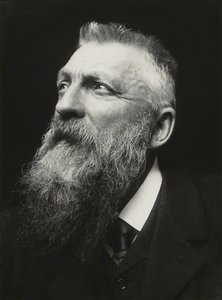
François Auguste René Rodin
1840 - 1917 , Frankreich
Kurzinfos
- Beeinflusste Künstler:
- Camille Claudel
- Moderne Bildhauer
- Bemerkenswerte Werke:
- Der Denker
- Der Kuss
- Die Bürger von Calais
- Einflüsse:
- Michelangelo
- Donatello
- Geburtsdatum: 12. November 1840
- Geburtsort: Paris, Frankreich
- Künstlerische Richtung: Impressionismus, Moderne Skulptur
- Nationalität: Französisch
- Sterbedatum: 7. November 1917
- Vollständiger Name: François Auguste René Rodin

