 Versenden
 Teilen
 Details anzeigen

 Herunterladen
 Ähnliche Objekte
 Diashow
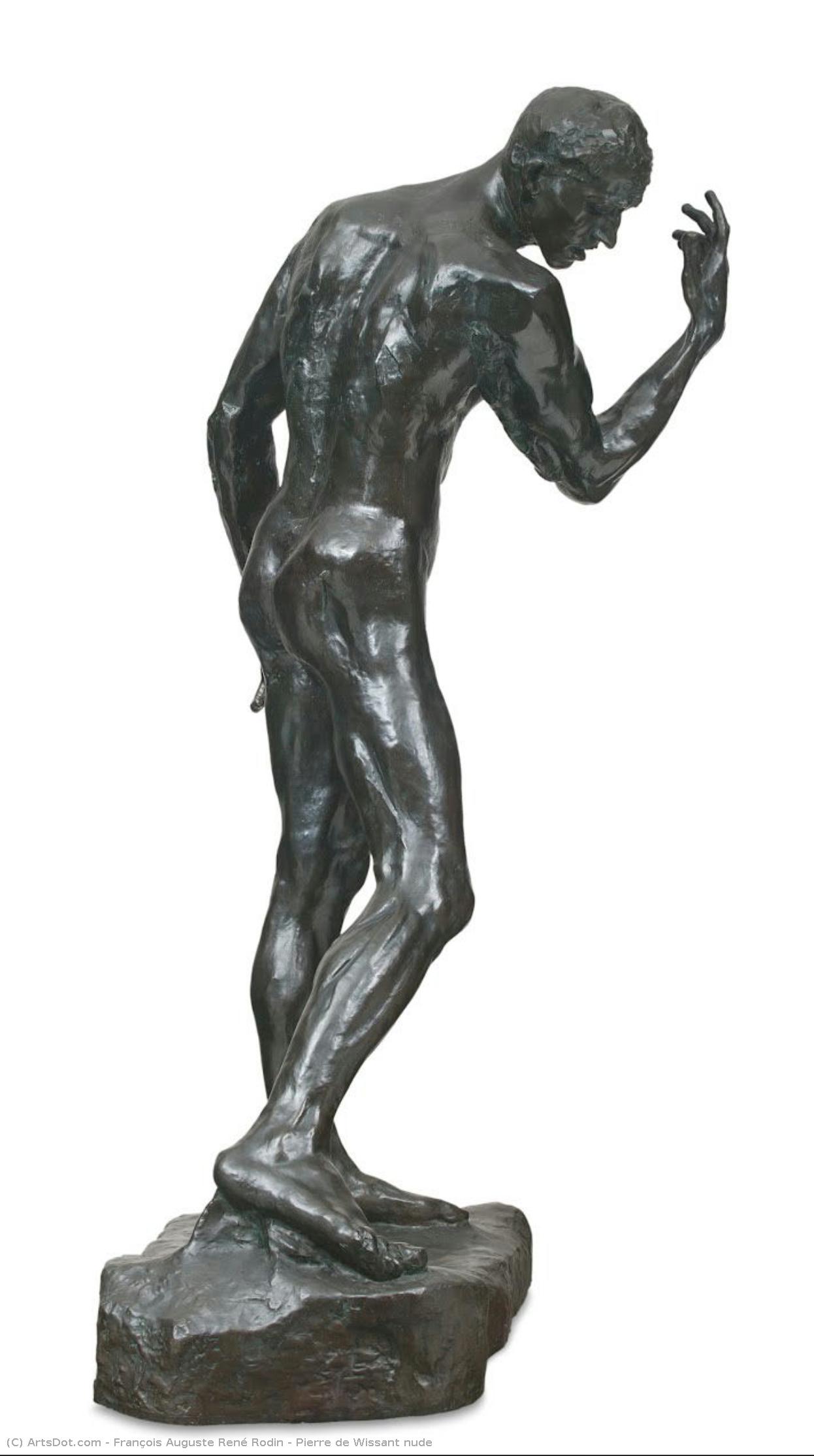
Pierre de Wissant nude
 Bronze
- Sculpture
- Realistic Sculpture
 1985
1985 100.0 x 215.0 cm
 Art Galerie von Südaustralien
 Weiterlesen
Giclée / Kunstdruck
Giclée- oder Leinwanddruck in Museumsqualität mit schneller Produktion und flexiblen Veredelungsoptionen. ( Handgemalte Reproduktion bestellen Bild kaufen)




































Wählen Sie aus unseren vordefinierten Formaten, die den ursprünglichen Proportionen des Kunstwerks entsprechen.

Sie können Ihre eigenen Maße eingeben, um ein bestimmtes Format oder einen speziellen Platz einzupassen. Wenn das von Ihnen gewählte Format nicht den Proportionen des Originalbildes entspricht, werden wir das Kunstwerk entweder beschneiden oder das Bild mit einem gespiegelten oder einfarbigen Rand erweitern. Ein digitaler Entwurf wird Ihnen zur Genehmigung zugesandt, bevor die Produktion beginnt.
Bitte beachten Sie, dass die Vorschau auf dem Bildschirm nicht den tatsächlichen Zuschnitt oder die Erweiterung widerspiegelt. Nur der Entwurf zeigt die endgültige Komposition präzise an.
Obwohl Sondermaße verfügbar sind, empfehlen wir die Auswahl eines Maßes aus der vordefinierten Liste, um die ursprünglichen Proportionen zu bewahren.
Weltweiter Versand () innerhalb von 2 Wochen statt der üblichen 4/5 Wochen. (7 September)

Kostenloser weltweiter Expressversand

Hochwertige Leinenleinwand

Umfassender Versicherungsschutz beim Versand

Zollgebühren-Rückerstattungsgarantie

Garantie für exakte Farbtreue

100-Tage-Rückgaberecht (nur bei Mängeln)

100% Geld-zurück-Garantie

Mengenrabatt verfügbar
 Die Glasoption ist nur für Größen unter 110 cm verfügbar.

Pierre de Wissant nude
Giclée / Kunstdruck
Format der Reproduktion
-


Gesamtpreis
$ 62
A Study in Vulnerability: Pierre de Wissant Nude by Rodin
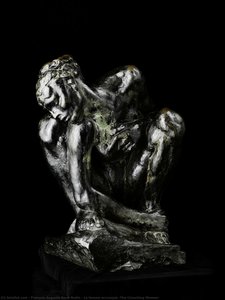
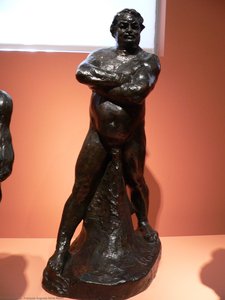
Auguste Rodin’s “Pierre de Wissant Nude,” a powerful bronze sculpture born from the crucible of 14th-century siege and sacrifice, transcends mere historical representation to become a profound meditation on human resilience and the weight of impending doom. Completed between 1885 and 1887 as part of his monumental group “The Burghers of Calais,” this intimate study captures not the triumphant hero, but the agonizing contemplation of a man facing an impossible choice – a poignant embodiment of Rodin’s revolutionary approach to depicting historical figures.
The sculpture portrays Pierre de Wissant, one of six citizens of Calais who bravely offered themselves as hostages to Edward III in exchange for sparing their city. Rodin deliberately eschewed the traditional heroic portrayal favored by the city council, instead presenting these men as deeply flawed individuals grappling with immense personal turmoil. This decision was a radical departure from established artistic conventions, signaling Rodin’s commitment to capturing the psychological complexities of his subjects rather than simply celebrating their deeds. The figure is rendered in a strikingly realistic style, yet imbued with an unmistakable sense of vulnerability – a testament to Rodin's masterful understanding of human anatomy and emotional expression.
Form and Technique: A Masterclass in Bronze Casting
Rodin’s technical prowess is immediately evident in the sculpture’s exquisite detail. The bronze itself, meticulously cast using the traditional sand-casting method, showcases a remarkable interplay of textures – from the smooth, polished surfaces of the torso to the subtly rougher areas around the limbs and hands. The artist's use of light and shadow further enhances the three-dimensionality of the form, creating a dynamic sense of volume and depth. Note the careful rendering of the musculature, not as idealized perfection but as reflecting the physical strain and emotional intensity of the subject. The subtle variations in tone across the surface suggest the play of light on aged metal, adding to the sculpture’s palpable realism.
Rodin's process involved creating numerous preparatory studies – nude sketches and draped models – before committing to the final bronze cast. This iterative approach allowed him to refine his understanding of the figures’ poses and expressions, ensuring that each detail contributed to the overall narrative. The sculpture’s slightly twisted posture—hand resting on head—is particularly arresting, conveying a sense of both weariness and resolute determination. It's a gesture simultaneously vulnerable and defiant, reflecting the internal conflict experienced by these men as they faced certain death.
Symbolism and Emotional Resonance
Beyond its historical context, “Pierre de Wissant Nude” resonates with universal themes of courage, sacrifice, and the human condition. The nudity itself is not merely a stylistic choice but a deliberate symbol of vulnerability – highlighting the inherent fragility of human existence in the face of overwhelming adversity. The hand resting on the head suggests contemplation, perhaps even a silent plea for mercy or acceptance of fate. It’s a gesture that invites viewers to empathize with the figure's internal struggle and consider the profound moral dilemmas he faced.
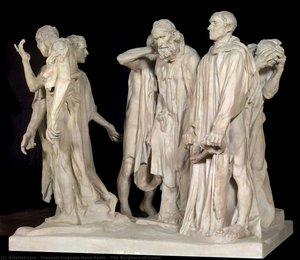
Furthermore, the sculpture speaks to the broader narrative of “The Burghers of Calais,” which embodies themes of civic duty, loyalty, and the willingness to sacrifice oneself for the greater good. However, Rodin’s portrayal subverts traditional heroic tropes by emphasizing the emotional cost of such acts – revealing the profound psychological toll exacted upon those who made the ultimate sacrifice. The sculpture serves as a poignant reminder that heroism is not always defined by grand gestures but often resides in quiet acts of courage and selflessness.
A Legacy of Emotional Truth
“Pierre de Wissant Nude” stands as a cornerstone of Rodin’s oeuvre, exemplifying his commitment to capturing the emotional truth of human experience. It is a testament to his revolutionary approach to sculpture – one that prioritized psychological realism and nuanced expression over idealized beauty or historical grandeur. Today, this powerful bronze continues to captivate viewers with its raw emotion, technical brilliance, and enduring relevance, solidifying Rodin’s place as one of the most influential sculptors in modern art history.
Ähnliche Kunstwerke
Über den Künstler
Frühe Jahre und Ausbildung
François Auguste René Rodin, ein französischer Bildhauer, wurde am 12. November 1840 in Paris, Frankreich, geboren. Er gilt weithin als der Begründer der modernen Skulptur. Trotz seiner traditionellen Schulbildung war Rodins Ansatz zur Kunst innovativ und unkonformistisch. Seine frühen Jahre waren von einem starken Wunsch geprägt, etwas zu erschaffen, was ihn dazu veranlasste, die Petite École zu besuchen, eine Schule, die sich auf Kunst und Mathematik spezialisiert hatte.Künstlerische Karriere
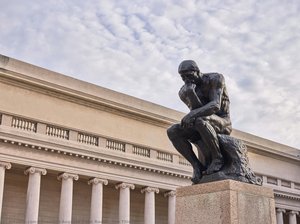
Rodins künstlerische Karriere ist durch seine einzigartige Fähigkeit gekennzeichnet, komplexe, turbulente Oberflächen in Ton zu modellieren. Viele seiner bemerkenswertesten Skulpturen wurden zu Lebzeiten kritisiert, da sie von traditionellen figurativen Bildhauertraditionen abwichen. Rodins Beharrlichkeit und Hingabe an sein Handwerk führten jedoch letztendlich zu seiner Anerkennung als der bedeutendste französische Bildhauer seiner Zeit.- Der Denker (1880-1882), eine seiner berühmtesten Skulpturen, ist ein Paradebeispiel für seinen innovativen Ansatz zur Kunst.
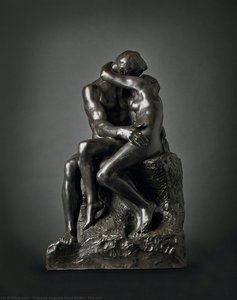
- Der Kuss (1886-1898), eine weitere ikonische Skulptur, zeigt Rodins Fähigkeit, das Wesen menschlicher Emotionen einzufangen.
- Die Bürger von Calais (1884-1895), eine kraftvolle und bewegende Skulptur, erinnert an das Leid und die Opferbereitschaft der sechs Bürger von Calais während des Hundertjährigen Krieges.
Museen und Sammlungen
Heute sind Rodins Werke in verschiedenen Museen auf der ganzen Welt zu finden, darunter:- Musée Rodin, Paris – widmet sich der Präsentation von Rodins Skulpturen, Zeichnungen und anderen Werken.
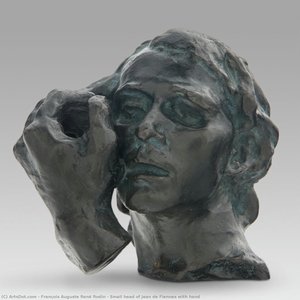
- ArtsDot.com – bietet eine umfangreiche Sammlung von Rodins Gemälden und Skulpturen, einschließlich Kleiner Kopf des Jean de Fiennes mit Hand.
- Cantor Arts Center an der Stanford University, Kalifornien – beherbergt mehrere Werke von Rodin, darunter denBusten von Albert-Ernest Carrier-Belleuse.
Einfluss und Vermächtnis
Rodins Einfluss auf die moderne Skulptur ist unbestreitbar. Sein unkonventioneller Ansatz zur Kunst hat Generationen von Künstlern inspiriert und seinen Platz in der Kunstgeschichte gefestigt. Als eine herausragende Figur bei der Entwicklung der modernen Skulptur wird Rodins Vermächtnis weiterhin durch seine Werke gefeiert, die in Museen und Sammlungen auf der ganzen Welt zu finden sind. Empfohlene Lektüre: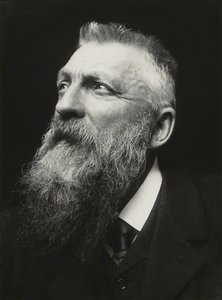
François Auguste René Rodin
1840 - 1917 , Frankreich
Kurzinfos
- Beeinflusste Künstler:
- Camille Claudel
- Moderne Bildhauer
- Bemerkenswerte Werke:
- Der Denker
- Der Kuss
- Die Bürger von Calais
- Einflüsse:
- Michelangelo
- Donatello
- Geburtsdatum: 12. November 1840
- Geburtsort: Paris, Frankreich
- Künstlerische Richtung: Impressionismus, Moderne Skulptur
- Nationalität: Französisch
- Sterbedatum: 7. November 1917
- Vollständiger Name: François Auguste René Rodin
Ähnliche Artikel

Die 10 legendärsten Bronzestatuen: Meisterwerke, die Kunstgeschichte schrieben | ArtsDot
Entdecken Sie die 10 legendärsten Bronzestatuen der Kunstgeschichte! Von Rodin bis Michelangelo – erfahren Sie die Geschichten hinter ikonischen Skulpturen und finden Sie hochwertige Reproduktionen für Ihr Zuhause. Jetzt bei ArtsDot entdecken!

Bronze-Meisterwerke: Die 10 Skulpturen, die Kunstgeschichte schrieben | ArtsDot
Entdecken Sie die 10 legendärsten Bronze Skulpturen der Kunstgeschichte! Von Michelangelo bis Rodin – erfahren Sie die Geschichten hinter den Meisterwerken und lassen Sie sich von Wanddeko-Ideen inspirieren. Hochwertige Kunstdrucke auf ArtsDot.com.

The Enduring Legacy of Bronze: A Historical & Artistic Exploration for the Collector
Explore the rich history & enduring appeal of bronze sculpture with expert insights for collectors at ArtsDot. Learn about casting techniques, iconic artists, collecting tips & contemporary interpretations.
The Enduring Legacy of Bronze: History, Technique & Artistic Expression for the Collector
Explore the rich history & enduring appeal of bronze sculpture with expert insights for collectors at ArtsDot. Learn about casting techniques, iconic artists, and collecting tips.
The Enduring Legacy of Bronze Sculpture: A Collector's Guide to Form & Cultural Significance
Explore the rich history & enduring appeal of bronze sculpture with expert insights for collectors at ArtsDot. Learn about casting techniques, iconic artists, and collecting tips to build a discerning art collection.