

 Vorschau anzeigen
 Versenden
 Teilen
 Details anzeigen

 Herunterladen
 Ähnliche Objekte
 Röntgenaufnahme
 Diashow
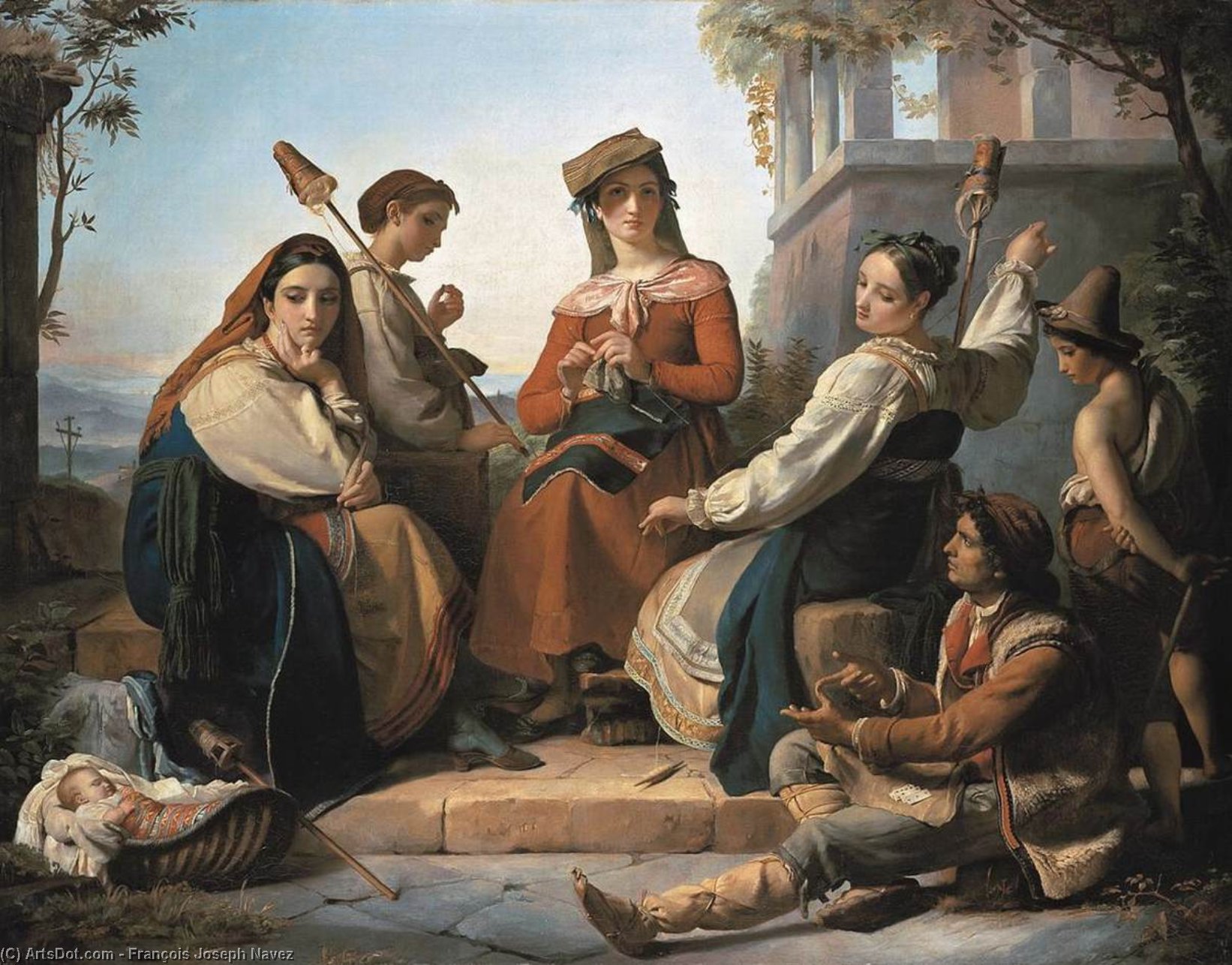
Women Spinning in Fondi
 Oil On Canvas
- WallArt
- Neoclassical Painting
 1845
1845 148.0 x 187.0 cm
 Neue Pinakothek
 Weiterlesen
Erwerben Sie ein hochauflösendes, optimiertes digitales Bild, das der Online-Vorschau weit überlegen ist.
Jede Datei wird von unseren hauseigenen Spezialisten mit modernsten Werkzeugen und fachmännischer manueller Retusche sorgfältig vorbereitet. Wir stellen sicher, dass jedes Bild eine außergewöhnliche Klarheit, präzise Farbgenauigkeit und feinste Details aufweist.
Die endgültige Datei wird innerhalb von 72 Stunden per E-Mail zugestellt und ist für den sofortigen Einsatz in professionellen, redaktionellen und Druckumgebungen optimiert. Es handelt sich um dieselbe Qualität, der führende Designstudios, Verlage und Galerien vertrauen.
Digitales Bild
Laden Sie eine hochauflösende Datei für die persönliche Präsentation, den Druck und kreative Projekte herunter. ( Druck bestellen Handgemalte Reproduktion bestellen)
In jeder Bestellung digitaler Bilder enthalten
Professionelle digitale Bereitstellung, garantiert
Wenn Sie sich für ArtsDot.com entscheiden, erhalten Sie nicht nur ein Bild – Sie erhalten ein professionell aufbereitetes digitales Kunstwerk, das mit höchster Präzision erstellt und durch eine Zufriedenheitsgarantie abgesichert wird. Hier ist alles, was automatisch mit Ihrer Bestellung geliefert wird:

Schnelle E-Mail-Zustellung
Ihre hochauflösende digitale Bilddatei wird Ihnen innerhalb von 72 Stunden nach der Bestellung per E-Mail zugestellt – bereit zur sofortigen Verwendung.

KI-optimierte digitale Datei
Ihre Kunstwerke werden professionell mithilfe fortschrittlicher KI-Tools und manueller Bearbeitung optimiert, um maximale Detailtreue, Klarheit und Farbgenauigkeit zu gewährleisten.

Lebenslanger kostenloser Neudruckservice
Datei versehentlich gelöscht oder verloren? Keine Sorge – wir senden sie Ihnen jederzeit kostenlos erneut zu.

Keine Einfuhrgebühren – jemals
Genießen Sie Ihr Kunstwerk sofort ohne Zollgebühren, Einfuhrabgaben oder Versandkosten – digitale Downloads sind immer steuerfrei.

Garantierte Farbtreue
Wir garantieren, dass Ihr digitales Bild mithilfe professioneller Werkzeuge und Farbmanagement die Originalfarben so präzise wie möglich wiedergibt.

60-Tage-Zufriedenheitsgarantie
Sollten Sie mit Ihrem digitalen Bild nicht zufrieden sein, werden wir es überarbeiten oder Ihnen innerhalb von 60 Tagen 100% erstatten – ohne Wenn und Aber.

100% Geld-zurück-Garantie
Nicht zufrieden? Erhalten Sie innerhalb von 60 Tagen nach Erhalt Ihrer digitalen Datei eine vollständige Rückerstattung – ohne Angabe von Gründen.

Rabatte bei Großbestellungen
3 Bilder kaufen, 10% sparen – 5 Bilder kaufen, 15% sparen – Ab 10 Bildern 20% sparen. Ideal für kreative Projekte, Galerien und Agenturen.
Details zum Sammlerstück
A Window into Belgian Life: “Women Spinning in Fondi” by François-Joseph Navez
François-Joseph Navez’s “Women Spinning in Fondi,” painted in 1845, isn't merely a depiction of rural labor; it’s a poignant snapshot of a bygone era, capturing the heart and soul of Belgian village life. The scene unfolds within a modest interior, bathed in the warm glow of candlelight – a deliberate choice that immediately establishes an atmosphere of intimacy and domesticity. Navez masterfully employs light and shadow to draw our attention to the central group of women, their faces etched with quiet concentration as they diligently spin wool into yarn. This wasn’t simply a task; it was the lifeblood of the community, providing warmth, clothing, and a sense of shared purpose.
The painting's style firmly resides within the Neoclassical tradition, yet Navez imbues it with a subtle Romantic sensibility. The figures are rendered with a remarkable degree of realism, their hands moving with practiced grace – a testament to generations of skill passed down through families. However, there’s an underlying softness in the brushstrokes and a gentle warmth in the color palette that elevates the scene beyond mere documentation. Navez avoids stark formality, opting instead for a relaxed composition that invites the viewer into this intimate tableau. The use of muted earth tones – browns, ochres, and creams – reflects the humble setting and reinforces the painting’s focus on everyday life.
The Significance of Fondi
The choice of “Fondi” as the setting for this scene is particularly noteworthy. Fondi, a small town in Lazio, Italy, was a frequent subject of artistic inspiration during the 19th century, representing a romanticized vision of rural simplicity and tranquility. Navez’s decision to set his scene here subtly connects the painting to broader European artistic trends—a desire to escape the bustle of urban life and find solace in the natural world. The village itself is depicted with an almost idealized quality, suggesting a harmonious relationship between its inhabitants and their surroundings.
Beyond the specific location, “Women Spinning” speaks to a universal theme: the dignity of labor. These women aren’t presented as objects of pity or charity; they are portrayed as skilled artisans engaged in a vital activity. Their faces convey a sense of contentment and self-sufficiency – a quiet pride in their work and their contribution to the community. The inclusion of a small child nestled near the bottom left corner further emphasizes this theme, suggesting that these traditions are being passed down to the next generation.
Symbolism and Emotional Resonance
The act of spinning itself carries significant symbolic weight. It represents not only practical necessity but also creativity, patience, and connection to the past. The rhythmic motion of the spindles evokes a sense of continuity – a link between generations and a celebration of traditional skills. Furthermore, the gathering of women around the table suggests a strong social fabric, highlighting the importance of community bonds in rural life.
“Women Spinning in Fondi” is more than just a painting; it’s an evocative portrait of a specific time and place. Navez's masterful use of light, color, and composition creates a deeply emotional experience for the viewer, inviting us to reflect on the values of hard work, community, and the enduring beauty of everyday life. It remains a powerful reminder of the simple pleasures and profound connections that can be found in the heart of rural Belgium.
Technical Details & Reproduction Considerations
Painted in oil on canvas measuring 148 x 187 cm, “Women Spinning in Fondi” showcases Navez’s meticulous attention to detail. The artist skillfully rendered the textures of the wool, the folds of the women's dresses, and the flickering candlelight – all contributing to a remarkably realistic portrayal of the scene. The painting’s scale allows for a rich tapestry of color and form, creating a sense of depth and immediacy.
When considering reproductions, it is crucial to select a high-quality print that accurately captures the nuances of Navez's original work. The subtle gradations of light and shadow, as well as the delicate brushstrokes, are best reproduced with archival inks on fine art paper. A carefully executed reproduction will not only enhance your interior décor but also serve as a beautiful reminder of this captivating glimpse into Belgian village life.
Ähnliche Kunstwerke

Biografie des Künstlers
François-Joseph Navez: Ein Leben in der Neoklassischen Kunst
Frühes Leben und Ausbildung
- Geboren: Charleroi, Belgien, 16. November 1787.
- Navez stammte aus einer privilegierten Familie, die ihm ermöglichte, sich von Kindheit an voll und ganz der künstlerischen Tätigkeit zu widmen.
- Er begann seine formale Ausbildung an der Königlichen Akademie für Bildende Künste in Brüssel von 1803 bis 1808 unter Pierre Joseph Célestin François.
- Im Jahr 1810 gründete er mit, zusammen mit anderen, die “Société des amateurs d'arts”, was sein frühes Engagement für die Förderung einer künstlerischen Gemeinschaft demonstrierte.
Paris und Rom: Einflüsse und Entwicklung
- Navez erhielt 1812 den ersten Preis für Historienmalerei, der ihm eine Reise nach Paris ermöglichte.
- Schlüssel-Einfluss: Von 1813 bis 1816 studierte er bei Jacques-Louis David, einer zentralen Figur der Neoklassischen Kunst. Diese Mentorschaft prägte seinen Stil und seine Herangehensweise maßgeblich.
- Er setzte seine künstlerische Reise von 1817 bis 1822 in Rom fort, wo er auf Jean-Auguste-Dominique Ingres traf und seine Fähigkeiten innerhalb der klassischen Tradition weiter verfeinerte.
- Seine Zeit in Italien verlieh ihm eine tiefe Wertschätzung für klassische Formen und Themen, die zu den Markenzeichen seiner Werke wurden.
Karriere und Künstlerischer Stil
- Nach seiner Rückkehr nach Belgien gründete Navez ein erfolgreiches Atelier und erlangte schnell als talentierter Porträtist Anerkennung.
- Künstlerische Schwerpunkte: Er zeichnete sich durch Porträts, historische Szenen und mythologische Themen aus, die mit akribischer Detailgenauigkeit und eleganter Komposition ausgeführt wurden.
- Sein Stil war durch Klarheit der Form, ausgewogene Kompositionen und eine zurückhaltende emotionale Ausdruckskraft gekennzeichnet – Markenzeichen des Neoklassizismus.
- Er beherrschte das Festhalten des Aussehens und Charakters seiner Modelle in Porträts.
Führung an der Königlichen Akademie
- Navez’s Einfluss erstreckte sich über seine eigene künstlerische Praxis hinaus. Er wurde Direktor der Académie Royale des Beaux-Arts in Brüssel zwischen 1835 und 1862.
- Bildungswirkung: In dieser Funktion spielte er eine entscheidende Rolle bei der Gestaltung der nächsten Generation belgischer Künstler.
- Zu seinen bemerkenswerten Schülern gehörten Jean-François Portaels (der auch sein Schwiegerschwager wurde) und Jean Carolus.
Wichtige Werke und Vermächtnis
- Bekannte Gemälde: Zu seinen bekanntesten Werken gehören “Massaker der Unschuldigen”, “Die Nymphe Salmacis und Hermaphroditus”, “Frauen, die in Fondi spinnen” und sein Porträt von Jacques-Louis David.
- Seine Gemälde werden in bedeutenden Museumssammlungen ausgestellt und zeigen ihren dauerhaften künstlerischen Wert.
- Historische Bedeutung: Navez gilt als eine führende Figur der belgischen Neoklassischen Malerei. Er schloss die Lücke zwischen der klassischen Tradition und den aufkommenden romantischen Tendenzen des 19. Jahrhunderts.
- Er starb in Brüssel am 12. Oktober 1869 und hinterließ ein reiches künstlerisches Vermächtnis, das bis heute inspiriert und fesselt.
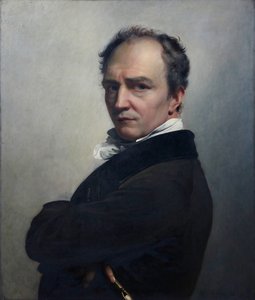
François Joseph Navez
1787 - 1869 , Belgien
Kurzinfos
- Artistic Movement Or Style: Neoklassizismus
- Artists Or Movements Influenced By This Artist: ['Jean Carolus']
- Artists Who Influenced This Artist: ['Jacques-Louis David']
- Date Of Birth: 1787
- Date Of Death: 1869
- Full Name: François Joseph Navez
- Nationality: Belgien
- Notable Artworks:
- Massacre der Unschuldigen
- Die Nymphe Salmacis und Hermaphroditus
- Place Of Birth: Charleroi, Belgien

