


 Versenden als Grußkarte
 Teilen
 Details anzeigen

 Herunterladen
 Ähnliche Objekte
 Diashow
 Besucherstatistiken
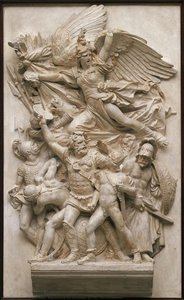
March of the Volunteers of 1792 (La Marseillaise)


 Mehr anzeigen
Handgefertigte Ölreproduktion
Handgemaltes Ölgemälde auf Leinwand in Ihrer Wunschgröße und mit Rahmen, auf Bestellung von unseren Künstlern angefertigt. ( Zum Druck wechseln Zum digitalen Bild wechseln)




































Wählen Sie aus unseren vordefinierten Formaten, die den ursprünglichen Proportionen des Kunstwerks entsprechen.

Sie können Ihre eigenen Maße eingeben, um einen bestimmten Rahmen oder Platz auszufüllen. Wenn die gewählte Größe nicht den Proportionen des Originalbildes entspricht, werden wir das Kunstwerk entweder beschneiden oder das Gemälde durch zusätzliche, handgemalte Elemente erweitern. Ein digitales Mockup wird Ihnen zur Genehmigung zugesandt, bevor die Produktion beginnt.
Bitte beachten Sie, dass die Bildschirmvorschau nicht die tatsächliche Beschneidung oder Erweiterung widerspiegelt. Nur das Mockup zeigt die endgültige Komposition exakt an.
Obwohl Sondermaße verfügbar sind, empfehlen wir, eine Größe aus der vordefinierten Liste zu wählen, um die ursprünglichen Proportionen beizubehalten.
Nach der Bestellung wird das ArtsDot.com-Team dem Kunden Anweisungen per E-Mail zusenden und eine Mockup-Vorschau bereitstellen.
Weltweiter Versand () in nur 3 bis 4 Wochen statt der üblichen 5 Wochen. (15 September). Keine Kompromisse bei der Qualität.

Kostenloser weltweiter Expressversand

Hochwertige Leinenleinwand

Vollständiger Versicherungsschutz beim Versand

Zollgebühren-Rückerstattungsgarantie

Garantie für exakte Farbtreue

100-tägiges Rückgaberecht (nur bei Mängeln)

100% Geld-zurück-Garantie

Angebot für Mengenrabatt
 Die Glasoption ist nur für Größen unter 110 cm verfügbar.

March of the Volunteers of 1792 (La Marseillaise)
Reproduktionsmedium
Format der Reproduktion
-


Gesamtpreis
$ 263
The March of Liberty: François Rude’s “La Marseillaise”
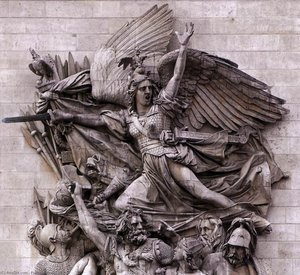
François Rude's "La Marseillaise," dramatically sculpted onto the eastern façade of Paris’s Arc de Triomphe, isn’t merely a monumental relief; it’s a visceral embodiment of revolutionary fervor and the spirit of France itself. Completed in 1836, this colossal work transcends its physical scale to become an enduring symbol of national identity, a testament to the power of collective action, and a captivating study in classical allegory infused with Romantic dynamism. Born in Dijon in 1784, Rude’s artistic journey mirrored the tumultuous shifts occurring within France – from the rigid formality of Neoclassicism to the passionate embrace of Romanticism. His early apprenticeship under François Devosges honed his technical skills, but it was his patronage by Louis Frémiet and subsequent studies with Pierre Cartellier in Paris that truly ignited his creative fire.
The sculpture’s subject is rooted in a pivotal moment during the French Revolution: the Battle of Valmy in 1792. The National Convention, recognizing the imminent threat posed by invading Prussian and Austrian forces, summoned the citizenry to defend the Republic. Rude masterfully captures this call to arms, depicting not a static battle scene but an eruption of patriotic energy – a surging wave of humanity propelled forward by the unwavering determination for freedom. At the sculpture’s heart stands a magnificent female figure, often interpreted as Liberty or Victory, her wings outstretched in triumphant gesture. She holds aloft a flagon overflowing with water, a potent symbol of life-giving force and purity—a direct reference to the revolutionary ideals of renewal and regeneration.
A Symphony of Movement and Emotion
Rude’s genius lies not just in his subject matter but also in his masterful execution. The relief is sculpted from limestone, meticulously carved to convey an astonishing sense of movement and dynamism. Observe how the figures are arranged – a swirling vortex of bodies, each contributing to the overall momentum. The musculature of the soldiers is rendered with remarkable realism, their faces etched with determination and urgency. The sculptor’s use of light and shadow further enhances this effect, creating a dramatic interplay that draws the viewer into the scene. Notably, Rude employed his wife, Sophie Frémiet, as a model for the central figure, imbuing her portrayal with an unparalleled sense of passion and conviction.
The composition is rich in classical allusions, yet infused with Romantic sensibilities. The figures are reminiscent of ancient Greek and Roman warriors, but their expressions and gestures betray a distinctly modern urgency. The inclusion of elements like the Phrygian cap – a symbol of liberation worn by freed slaves during the Roman Republic – adds another layer of symbolic meaning, connecting the revolutionary struggle to centuries of historical resistance against oppression. The sheer scale of the relief—measuring over 42 feet wide and 26 feet high—amplifies this impact, creating an immersive experience for the viewer.
Context and Legacy
“La Marseillaise” was commissioned during a period of political transition in France – following the Bourbon Restoration and the July Revolution of 1830. The Arc de Triomphe itself was intended to celebrate French military victories, but the sculpture’s message resonated far beyond mere glorification of war. It became a powerful symbol of national unity and republican ideals, embodying the spirit of the people rising up in defense of their liberty. The work's placement on the Arc de Triomphe ensured its constant visibility, cementing its status as one of Paris’s most iconic landmarks.
Rude’s masterpiece stands as a bridge between Neoclassicism and Romanticism, reflecting the evolving artistic landscape of 19th-century France. It's a testament to his ability to synthesize classical forms with emotional intensity, creating an artwork that continues to captivate audiences today. The sculpture’s enduring appeal lies in its universal themes – freedom, courage, and the collective will to overcome adversity—making it not just a historical artifact but a timeless expression of the human spirit.
Ähnliche Kunstwerke
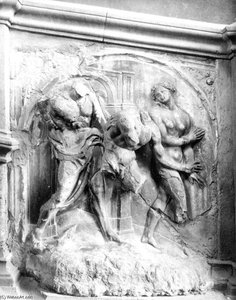
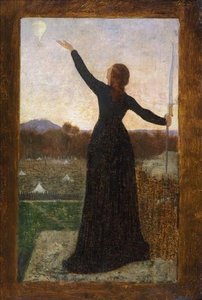
Biografie des Künstlers
Frühe Jahre und Ausbildung
- François Rude wurde am 4. Januar 1784 in Dijon, Frankreich, als Sohn eines Kupfer- und Schlossers geboren.
- Seine frühen Jahre beinhalteten die Unterstützung des Handwerks seines Vaters, bevor er künstlerisches Talent zeigte.
- Er besuchte die École de Dessin von François Devosges in Dijon und demonstrierte dabei seine aufkeimenden Fähigkeiten.
- Unter der Schirmherrschaft von Louis Frémiet begann er 1805 mit dem Studium bei Pierre Cartellier in Paris im Atelier von Edme Gaulle.
- Im Jahr 1809 erlangte seine Arbeit Anerkennung und erhielt mehrere Auszeichnungen.
- Er gewann 1812 den Prix de Rome, konnte aber aufgrund politischer Umstände nicht reisen.
Brüsseler Periode und Heirat
- Im Jahr 1815 verließ Rude Paris in Richtung Rom, landete jedoch aufgrund politischer Umstände mit den Frémiets in Brüssel.
- Er heiratete Sophie Frémiet, eine talentierte Malerin, und bildete so eine formidable künstlerische Partnerschaft.
- Während seines Aufenthalts in Brüssel schuf er sein erstes Bust von Louis David, was ihm bedeutende Aufmerksamkeit einbrachte.
Rückkehr nach Paris und Hauptwerke
- Rude und seine Frau kehrten 1827 nach Paris zurück, wo sie bis zu seinem Tod blieben.
- Zu seinen bemerkenswertesten Werken gehört die Statue eines neapolitanischen Fischersjungen, der mit einer Schildkröte spielt (1831-33), die im Louvre ausgestellt ist.
- Er erhielt den Auftrag für den Arc de Triomphe und schuf dort die ikonische Skulptur „La Marseillaise“ (Die Abreise der Freiwilligen von 1792), die 1836 fertiggestellt wurde. Dies ist wohl sein berühmtestes und bedeutendstes Werk.
- Weitere wichtige Skulpturen sind:
- Büste von Jacques-Louis David
- Statue des Grafen Maurice von Sachsen
- Kopf Christi (Gipsabguss)
- Büste von James de Montry
- Gegen Ende seiner Karriere beauftragte Dijon eine Marmorstatue, die Hebe, die griechische Göttin der Jugend, darstellt. Rude schuf das Modell im Jahr 1852, starb aber vor dessen Fertigstellung; sein Neffe vollendete es.
Stil und Einflüsse
- Rudes Stil verband Neoklassizismus und Romantik.
- Während er anfänglich von neoklassischen Prinzipien beeinflusst war, nahm er zunehmend einen dynamischen und emotionalen Stil an.
- Seine Arbeit drückte oft patriotische Themen aus, was das politische Klima seiner Zeit widerspiegelte.
- Er wurde von früheren Bildhauern wie Pierre Cartellier und Edme Gaulle beeinflusst.
- Die Schirmherrschaft von Louis Frémiet spielte eine entscheidende Rolle bei seiner frühen Entwicklung.
Späteres Leben und Vermächtnis
- François Rude starb am 3. November 1855 in Paris.
- Er wird für seine kraftvollen und ausdrucksstarken Skulpturen, insbesondere „La Marseillaise“, erinnert, die bis heute ein Symbol der französischen nationalen Identität ist.
- Seine Arbeit stellt einen Übergang von der starren Formalität des Neoklassizismus zu dem emotionaleren und dramatischeren Stil der Romantik dar.
- Zahlreiche Büsten und Abgüsse seiner Werke befinden sich in Museen wie dem Musée Rude, dem Musée des Beaux-Arts de Dijon und dem Louvre.
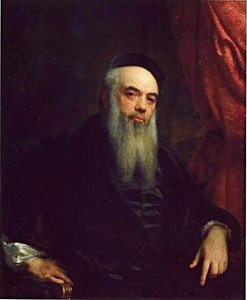
François Rude
1784 - 1855 , Frankreich
Eckdaten zum Künstler
- Artistic Movement Or Style: Neoklassizismus & Romantik
- Artists Who Influenced This Artist:
- Pierre Cartellier
- Edme Gaulle
- Date Of Birth: 4. Januar 1784
- Date Of Death: 3. November 1855
- Full Name: François Rude
- Nationality: Französisch
- Notable Artworks:
- La Marseillaise
- Neapolitanischer Fischerjunge
- Büste von Jacques-Louis David
- Place Of Birth: Dijon, Frankreich
Verwandte Artikel

Über uns
Entdecken Sie unsere Geschichte! Wir bringen Weltklasse-Kunst in Ihr Leben durch fachkundige Auswahl, individuelle Kreationen und kostenlose Vorschauen. Seit dem Jahr 2000 von Privatpersonen und Unternehmen geschätzt.
Pierre Puvis de Chavannes: Symbolismus, Wandmalerei und die Suche nach idealer Schönheit
Entdecken Sie das Werk von Pierre Puvis de Chavannes, einem Pionier des Symbolismus und Meister der Wandmalerei. Erfahren Sie mehr über seinen Stil, seine wichtigsten Werke und seinen Einfluss auf die moderne Kunstgeschichte.

Goya: Die 25 Meisterwerke des spanischen Genies – Kunst für Ihr Zuhause | ArtsDot
Entdecken Sie die 25 Meisterwerke von Francisco Goya! Tauchen Sie ein in die düstere Romantik spanischer Malerei, Porträts & Historienbilder. Hochwertige Kunstdrucke auf ArtsDot.com – für Kunstliebhaber und stilvolles Wohnen.
Maurice Quentin de La Tour: Licht, Schatten und die Intimität des Rokoko-Porträts
Entdecken Sie das Werk von Maurice Quentin de La Tour! Erfahren Sie mehr über seine innovative Pastelltechnik, die psychologische Tiefe seiner Porträts und seinen Einfluss auf die Rokoko-Malerei. Einblick in königliche Aufträge & sein Vermächtnis.
Roger de la Fresnaye: Cubism, Tradition & the Search for Order in Early 20th-Century French Painting
Explore the captivating world of Roger de la Fresnaye, a pivotal French Cubist painter. Discover his unique blend of tradition & modernity, influences, and lasting legacy with ArtsDot.