 Vorschau anzeigen
 Versenden
 Teilen
 Details anzeigen

 Herunterladen
 Ähnliche Objekte
 Röntgenaufnahme
 Diashow
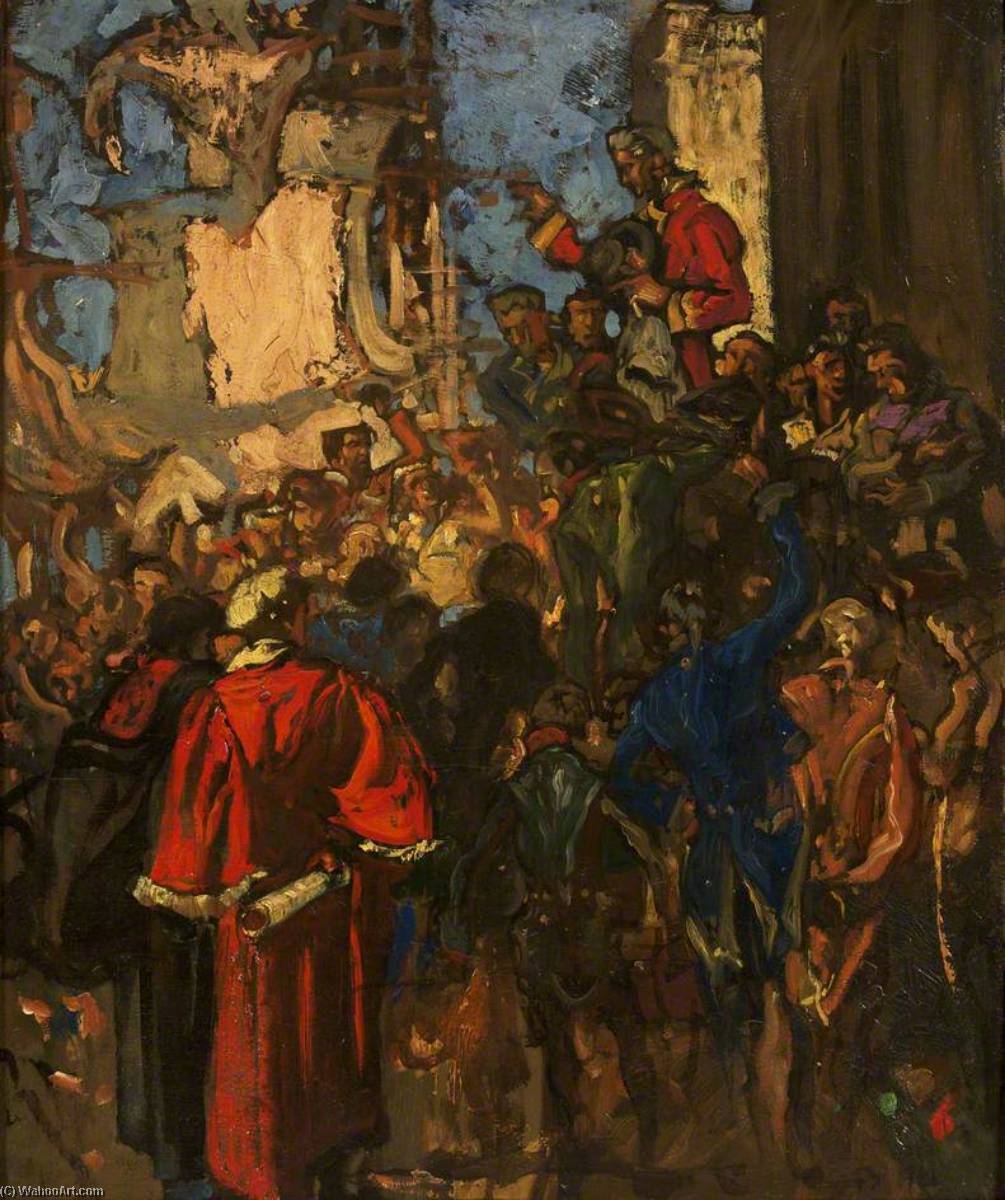
The Chairing of Edmund Burke in 1774
 Oil On Panel
- Arts & Crafts
 1921
1921 54.0 x 45.0 cm
 Bristol Museum – Kunstgalerie
 Weiterlesen
Handgefertigte Ölreproduktion
Handgemaltes Ölgemälde auf Leinwand in Ihrer Wunschgröße und mit Rahmen, auf Bestellung von unseren Künstlern angefertigt. ( Druck bestellen Bild kaufen)




P118B $10

P118H $10

P118W $10

P438Z $10

P508JH $12

P508YH $12

P805H $10

P805Z $10

P919BZ $10

P919G $10

P919XJ $10

P959ZH $10

P968JZ $12

W106C $8

W218G $10

W218JH $8

W218Y $10

W307PJ $10

W316G $10

W316PJ $8

W316Y $10

W398PJ $8

W4111J $10

W500HY $15

W500JH $15

W692G $12

W849H $8

W940BG $15

W953PJ $8




Wählen Sie aus unseren vordefinierten Formaten, die den ursprünglichen Proportionen des Kunstwerks entsprechen.

Sie können Ihre eigenen Maße eingeben, um einen bestimmten Rahmen oder Platz auszufüllen. Wenn die gewählte Größe nicht den Proportionen des Originalbildes entspricht, werden wir das Kunstwerk entweder beschneiden oder das Gemälde durch zusätzliche, handgemalte Elemente erweitern. Ein digitales Mockup wird Ihnen zur Genehmigung zugesandt, bevor die Produktion beginnt.
Bitte beachten Sie, dass die Bildschirmvorschau nicht die tatsächliche Beschneidung oder Erweiterung widerspiegelt. Nur das Mockup zeigt die endgültige Komposition exakt an.
Obwohl Sondermaße verfügbar sind, empfehlen wir, eine Größe aus der vordefinierten Liste zu wählen, um die ursprünglichen Proportionen beizubehalten.
Nach der Bestellung wird das ArtsDot.com-Team dem Kunden Anweisungen per E-Mail zusenden und eine Mockup-Vorschau bereitstellen.
Weltweiter Versand () in nur 3 bis 4 Wochen statt der üblichen 5 Wochen. (1 September). Keine Kompromisse bei der Qualität.

Kostenloser weltweiter Expressversand

Hochwertige Leinenleinwand

Umfassender Versicherungsschutz beim Versand

Zollgebühren-Rückerstattungsgarantie

Garantie für exakte Farbtreue

60 Tage Rückgaberecht (nur bei Mängeln)

100% Geld-zurück-Garantie

Mengenrabatt verfügbar
 Die Glasoption ist nur für Größen unter 110 cm verfügbar.

The Chairing of Edmund Burke in 1774
Art der Reproduktion
Format der Reproduktion
-


Gesamtpreis
$ 263
The Chairing of Edmund Burke in 1774 – A Tableau of Political Turmoil
Frank Brangwyn’s “The Chairing of Edmund Burke in 1774” is more than just a depiction of a historical event; it's a vibrant, almost theatrical rendering of political upheaval and the burgeoning spirit of dissent. Painted in 1921, this oil on panel captures a pivotal moment – the public humiliation and symbolic “chairing” of Burke, a prominent Member of Parliament, following his controversial speech against the Stamp Act. The scene unfolds within a bustling London streetscape, rendered with Brangwyn’s signature blend of meticulous detail and expressive brushwork. The composition is dynamic, pulling the viewer into the heart of the commotion, where Burke, seated in an ornate chair, is surrounded by a throng of onlookers – some supportive, others openly hostile. The sheer energy of the crowd, their faces etched with varying degrees of outrage and curiosity, immediately establishes a sense of dramatic tension.
Brangwyn’s style leans heavily into the Orientalist tradition he was known for, yet here it's skillfully adapted to portray a distinctly British scene. He employs a rich, layered palette – deep reds, browns, and ochres dominate, creating an atmosphere of both warmth and intensity. The use of light is particularly masterful; it’s not uniformly bright but strategically applied to highlight key figures and areas of interest, drawing the eye to Burke's stoic expression and the faces in the crowd. Notice how he uses subtle gradations of color to suggest depth and movement within the densely packed scene – a testament to his technical skill.
A Portrait of a Political Dissenter
Edmund Burke himself is presented with remarkable dignity amidst the chaos. He’s not depicted as a victim, but rather as a man of principle, calmly enduring public censure. The chair itself—a symbol of humiliation and forced silence—becomes a focal point, emphasizing his position as a voice challenging established authority. The figures surrounding him are equally compelling; some wear expressions of fervent support, brandishing pamphlets and banners, while others display open hostility, their faces contorted with anger. This juxtaposition highlights the deep divisions within British society at the time – a period marked by intense debate over taxation, representation, and the future of the empire.
The historical context is crucial to understanding the painting’s significance. Burke's speech, delivered in 1774, argued against the Stamp Act, advocating for colonial rights and challenging the notion of parliamentary supremacy. His stance resonated with many colonists and fueled the growing movement towards independence. “The Chairing” wasn’t simply a public shaming; it was a deliberate attempt by the British government to silence dissent and intimidate opposition. Brangwyn's painting serves as a powerful visual record of this moment in history, capturing not just the event itself but also the underlying political tensions that were shaping the course of events.
Symbolism and Artistic Technique
Beyond its historical subject matter, “The Chairing of Edmund Burke” is rich in symbolic detail. The horse-drawn carriages, the elaborate clothing of some onlookers, and even the positioning of the figures all contribute to a complex visual narrative. Brangwyn’s meticulous attention to detail extends beyond mere representation; he uses his brushwork to convey emotion and atmosphere. Observe how he employs loose, expressive strokes in the depiction of the crowd, contrasting them with more controlled, precise rendering of Burke himself. This technique effectively communicates the sense of chaos and control within the scene.
The painting’s composition is carefully balanced, creating a dynamic yet stable image. The diagonal lines created by the street and the figures contribute to this sense of movement, while the central placement of Burke anchors the composition and draws the viewer's attention. Furthermore, Brangwyn’s use of color—particularly the vibrant reds and browns—evokes a sense of drama and intensity, reflecting the emotional turmoil at the heart of the scene. The inclusion of several horses adds to the overall feeling of movement and excitement.
A Timeless Reflection on Power and Protest
“The Chairing of Edmund Burke in 1774” remains a compelling work of art because it transcends its historical context. It’s not simply a portrait of a political event; it's an enduring meditation on power, protest, and the struggle for freedom. Brangwyn masterfully captures the energy and complexity of this pivotal moment in British history, creating an image that continues to resonate with viewers today. Reproductions of this painting offer a remarkable opportunity to bring this dramatic scene into any space, serving as a potent reminder of the importance of dissent and the enduring power of visual storytelling.
Ähnliche Kunstwerke
Über den Künstler
Frühes Leben und Ausbildung
- Geboren: Brügge, Belgien (1867) – Als Guillaume François registriert
- Gestorben: 1956
- Familienhintergrund: Sohn von William Curtis Brangwyn, einem erfolgreichen Designer, und Eleanor Griffiths. Sein Vater zog nach Belgien, nachdem er einen Wettbewerb gewonnen hatte, um eine Gemeindekirche zu entwerfen.
- Frühe Ausbildung: Besuchte die Westminster City School. Er verbrachte oft Zeit in der Werkstatt seines Vaters oder im South Kensington Museum, anstatt Unterricht zu besuchen.
- Ausbildungen: Kurze Ausbildungszeit bei Arthur Heygate Mackmurdo und William Morris, zunächst als Glaser, bevor er sich mit Stickerei und Tapeten beschäftigte.
- Frühe Anerkennung: Sein Gemälde „Funeral at Sea“ gewann 1891 eine Medaille im Pariser Salon, was sein Engagement für die Kunst festigte.
Künstlerische Entwicklung und Stil
- Anfängliche Themen: Konzentrierte sich hauptsächlich auf traditionelle Darstellungen des Meeres und des maritimen Lebens.
- Orientalistischer Einfluss: Reisen nach Istanbul (Konstantinopel), Spanien, Ägypten, der Türkei und Marokko in den 1890er Jahren beeinflussten seine Arbeit erheblich und führten zu einer helleren Farbpalette und der Erforschung orientalistischer Themen.
- Vielseitigkeit: Brangwyn war ein außergewöhnlich vielseitiger Künstler, der in verschiedenen Medien arbeitete, darunter Malerei, Zeichnung, Radierung, Illustration, Entwurf für Buntglasfenster, Möbeldesign, Keramik und Innendesign.
- Produktivität: Es wird geschätzt, dass er im Laufe seiner Karriere über 12.000 Werke geschaffen hat, darunter Gemälde, Zeichnungen, Radierungen, Holzschnitte, Lithographien, architektonische Entwürfe und mehr.
- Wandmalereien: Berühmt für großflächige Wandmalereien, die sich durch lebendige Farben und detaillierte Darstellungen von Pflanzen und Tieren auszeichnen, obwohl seine späteren Werke flacher wurden.
Hauptleistungen und bemerkenswerte Werke
- Galerie l'Art Nouveau Auftrag (1895): Siegfried Bing beauftragte ihn mit der Dekoration der Außenfassade seiner Pariser Galerie, was zu Arbeiten in verschiedenen dekorativen Kunstbereichen führte.
- Illustrationsarbeit: Illustrierte eine sechs-bändige Neuauflage von Edward William Lanes Übersetzung der „Tausend und Eine Nacht“ im Jahr 1896.
- Kooperationen: Arbeitete mit dem japanischen Künstler Urushibara Mokuchu an einer Reihe von Holzschnitten zusammen.
- Bemerkenswerte Gemälde:
- „Funeral at Sea“ (1890) – Gewann 1891 eine Medaille im Pariser Salon.
- "The Golden Horn, Constantinople" - Ein helleres und farbenfroheres Werk im Vergleich zu "Funeral at Sea".
- „Arab Musicians“
- „The Chairing of Edmund Burke in 1774“
- „Begonien“ (1920) – Bekannt für seinen strukturierten Realismus und seine warme Farbpalette.
Einflüsse und historische Bedeutung
- William Morris & die Arts and Crafts Bewegung: Seine frühe Ausbildung bei William Morris machte ihn mit den Prinzipien der Arts and Crafts-Bewegung vertraut, die Handwerkskunst und Designintegration betonte.
- Orientalismus: Seine Reisen und seine Begegnung mit Kulturen des Nahen Ostens beeinflussten seinen künstlerischen Stil und seine Themen stark.
- Anerkennung: Er erhielt Anerkennung von Kritikern in Kontinentaleuropa und Amerika für seine dekorativen Entwürfe, obwohl britische Kritiker ihn manchmal schwer einzuordnen wussten.
- Vermächtnis: Brangwyns produktiver Output und Vielseitigkeit etablierten ihn als eine bedeutende Figur in der Kunst des späten 19. und frühen 20. Jahrhunderts, die die Kluft zwischen traditioneller Malerei und modernem Design überbrückte. Seine Wandmalereien und dekorativen Arbeiten hinterließen einen bleibenden Eindruck auf die britische Kunstlandschaft.
Persönliches Leben
- Beziehungen: Hatte eine Affäre mit Ellen Kate Chesterfield, aus der ein Sohn, James Barron Chesterfield-Brangwyn, hervorging.
- Heirat: Heirate Lucy Ray (eine Krankenschwester) im Jahr 1896; sie hatten keine Kinder.
- Wohnsitze: Lebte von 1900 bis 1937/38 in Temple Lodge, Hammersmith, London und kaufte später The Jointure, Ditchling, Sussex, im Jahr 1918.
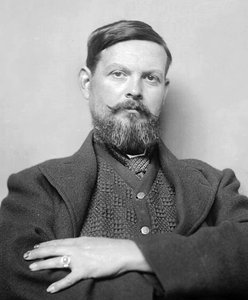
Frank Brangwyn
1867 - 1956 , Belgien
Kurzinfos
- Beeinflusste Künstler:
- William Morris
- Arthur Heygate Mackmurdo
- Bemerkenswerte Werke:
- Funeral at Sea
- The Golden Horn
- Arab Musicians
- Begonien
- Geburtsdatum: 12. Mai 1867
- Geburtsort: Brügge, Belgien
- Künstlerische Richtung: Arts and Crafts, Orientalismus
- Nationalität: Britisch
- Sterbedatum: 11. Juni 1956
- Vollständiger Name: Sir Frank William Brangwyn
Ähnliche Artikel
Frank Brangwyn: Ein Leben zwischen Farbe, Handwerk und dem Geist der modernen britischen Kunst
Entdecken Sie das faszinierende Leben und Werk von Frank Brangwyn – einem Meister der britischen Kunst zwischen Handwerk, Grafik und Malerei. Erfahren Sie mehr über seinen Einfluss auf die moderne Gestaltung und finden Sie hochwertige Reproduktionen bei ArtsDot.
Öl auf Holz: 10 Meisterwerke, die Kunstgeschichte veränderten |
Entdecken Sie die 10 legendärsten Gemälde auf Holz – von Renaissance bis Impressionismus! Erfahren Sie die Geschichten der Künstler & ihre Meisterwerke. Hochwertige Reproduktionen bei .
Oil on Panel: A Historical Survey of Technique, Support & Aesthetic Evolution
Explore the rich history of oil on panel painting! Discover Renaissance techniques, support structures & aesthetic evolution. Expert insights for art collectors and enthusiasts.
Öl auf Holz: Eine historische Untersuchung von Technik, Trägermaterial und ästhetischer Wirkung
Entdecken Sie die faszinierende Welt der Ölmalerei auf Holz! Expertenwissen zu Technik, Geschichte und Restaurierung von Meisterwerken. Für Kunstliebhaber & Sammler.

The Enduring Legacy of Oil on Canvas: Technique, History & Aesthetic Impact
Explore the rich history & techniques of oil painting – from Renaissance masters to Impressionism. Discover pigments, layering methods, and why this timeless medium endures. Expert insights for artists & art enthusiasts.